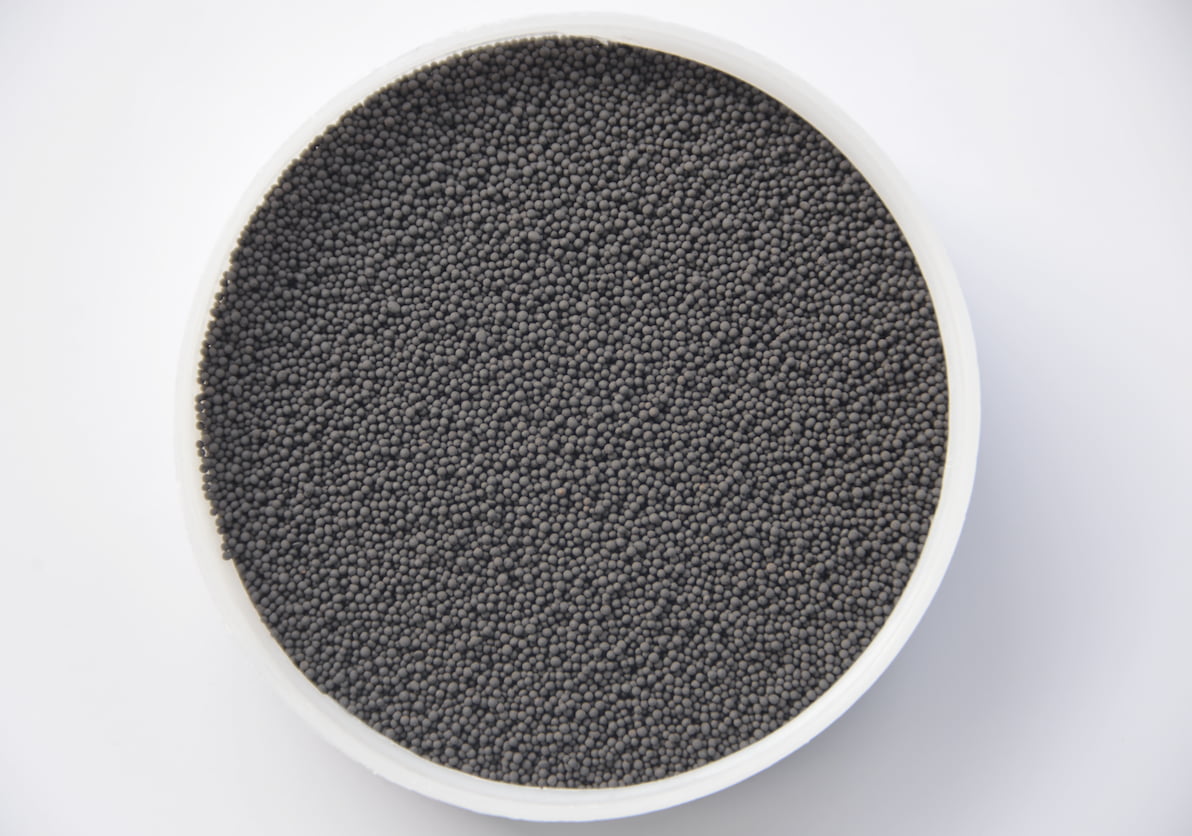
SEPPE Ceramic Proppant adapts high-quality bauxite as the main raw material, after crushing finely ground into fine powder, then it will mix with various additives, and proceed the granulation, polishing and sintering.
A practical reading of SEPPE CenoLite 8540 TDS Rev. 4.5 for low-density well cementing, including particle-size bands, density calculations and batch qualification limits.
A buyer-focused guide to confirming who made a calcined bauxite shipment, connecting its lot number to the COA and bags, and controlling source changes before loading.
Rotary kiln and shaft kiln describe how bauxite is fired, but neither name approves a refractory batch. This guide explains the practical differences and what buyers should verify.
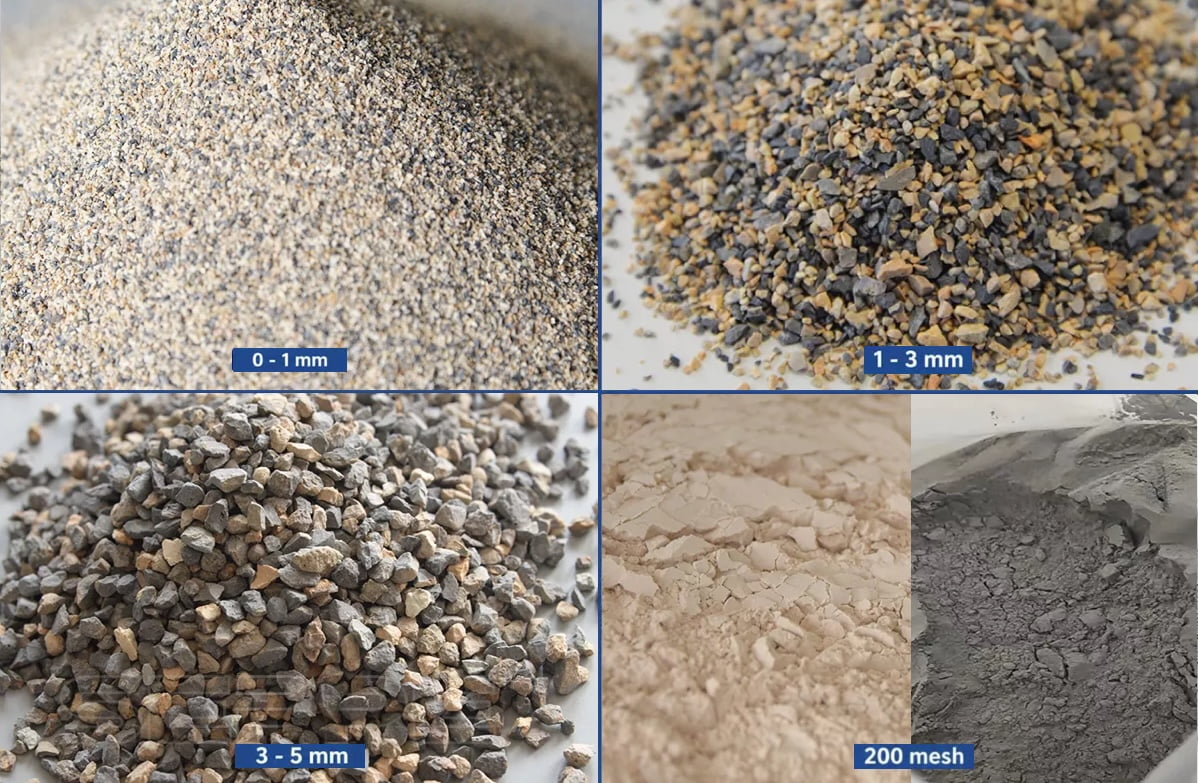
Why can two 1–3 mm calcined bauxite lots behave differently in the same castable? This guide explains what buyers should check and record before approving a new batch.
Refractory-grade calcined bauxite cannot be selected by alumina content alone. This guide explains commercial grades, critical COA values and batch qualification.
Calcined bauxite supplies alumina-bearing aggregate and fine material for shaped and monolithic refractories. This article explains its role, applications and practical limitations.
Cenospheres can reduce the weight and heat transfer of insulating refractory systems. This article explains where they fit and what buyers should verify before conducting a plant trial.
Cenospheres are hollow aluminosilicate microspheres recovered from fly ash. This guide explains their structure, uses and the grade data buyers should verify.