Views: 0 Author: CENOLITE Publish Time: 2026-09-21 Origin: SEPPE TECH
With the growing demand for lightweighting, thermal insulation, and functional fillers, the application of cenospheres continues to expand into sectors such as automotive materials, high-performance coatings, and specialty composites. In the market and in practical applications, cenospheres have evolved into various forms, including dry powder, wet material, and formulated slurries.
Many customers might wonder: aren’t they all the same raw material? Why do manufacturers offer both dry powder and wet forms instead of simply producing a dry powder that customers can mix with water themselves?
While the active ingredient—cenospheres—is essentially the same, the different processed forms correspond to distinct downstream production requirements, involving significant differences in cost, feeding methods, and process compatibility. Furthermore, from a performance standpoint, re-mixing dry powder with water rarely achieves the same level of dispersion as the original wet material; high-speed mixing can also fracture the hollow shells, thereby compromising the cenospheres’ lightweight and thermal insulation properties.
So, for which applications are dry powder, wet cenospheres, and cenosphere slurries respectively suited? And how do these three forms differ in terms of transportation and storage?
These are loose, powdery cenospheres that have undergone drying, classification, and dedusting. This is the most common commercial form; they typically have a moisture content of less than 0.5%, consist of discrete, free-flowing particles, and can be packaged according to particle size grades.
Due to their low density and hollow spherical structure, cenospheres not only reduce the overall density of cement slurries but also provide excellent thermal insulation.
Dry powder cenospheres can be used in:oil-well cement dry mixes, coatings and fire-resistant materials, plastics and polymer composites, thermal insulation materials, ceramics, and foundry materials, among others.
Dry powder is typically transported in lined paper bags, woven bags, or bulk bags (FIBCs). Because cenospheres have a low bulk density, a given weight occupies more space in packaging and shipping containers; consequently, transportation costs are determined not only by weight but also by volume constraints.
Storage considerations include:
Avoid direct contact with the ground or damp walls to prevent clumping and reduced flowability caused by moisture absorption.
Keep packaging sealed until use and ensure the warehouse remains dry and well-ventilated. Avoid excessive compression or crushing during handling.


Wet-state cenospheres are not simply produced by adding water to the finished dry powder; rather, they are obtained as wet filter cakes or loose wet material following flotation separation and dewatering (via pressure filtration or centrifugation), without undergoing a complete drying process.
Wet-state cenospheres are suitable for applications such as wet-mix systems for cement and certain types of concrete, wet-process refractory formulations, and the production of ceramics and bricks.
While the handling and feeding environments for wet-state materials are easier to control, the water content increases transportation weight, and freezing may occur during transport in cold temperatures. Leak-proof packaging should be used, and storage conditions must prevent moisture evaporation or the ingress of external moisture.
Unlike wet-state materials, slurries consist of cenospheres dispersed in water—often with added dispersants and stabilizers—to form a uniform suspension.
Slurries are primarily used in applications such as oil-well cementing slurries and water-based functional architectural coatings (for fireproofing or thermal insulation).
Slurries can be transported in drums, IBCs (totes), or tanker trucks; this method minimizes on-site dust and facilitates liquid metering.
However, due to the significant volume of carrier water or resin, transportation efficiency is generally lower than that of dry powder.
| Test Parameter | Test Method | Specification | Typical Value |
|---|---|---|---|
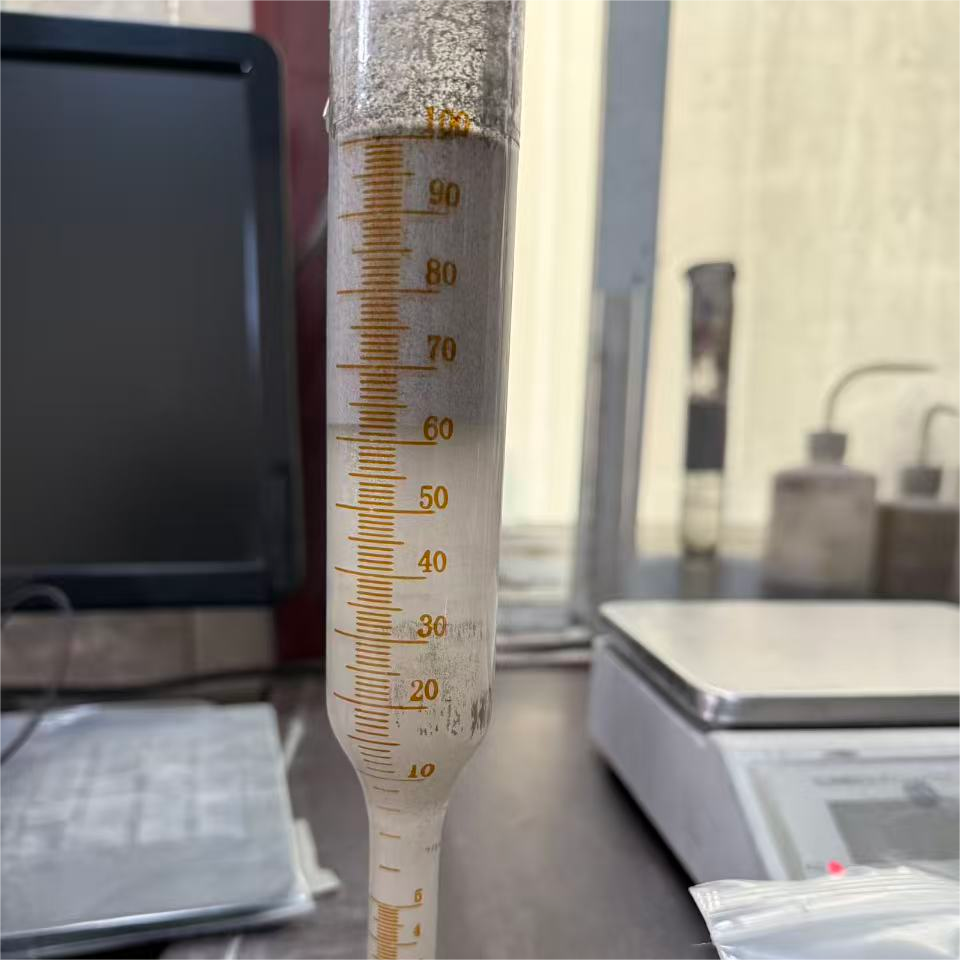
| Flotation Rate | Visual Inspection + Water Flotation | ≥95% | 98% |
| Bulk Density (Untapped Bulk Density) | ISO 23145-2:2012 Constant-Volume Method | 0.30–0.45 g/cm³ | 0.38 g/cm³ |
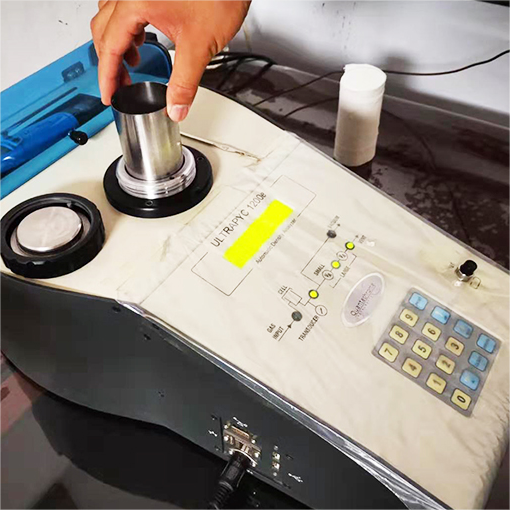
| True Density (Skeleton Density) | ISO 12154:2014 Gas Displacement Pycnometry | 0.75–0.90 g/cm³ | 0.82 g/cm³ |
| Particle Size Distribution | U.S. Sieve Series | 0–500 μm | See sieve table below |
| Moisture Content (Matter Volatile at 105°C) | ISO 787-2:2021 | ≤0.3% | 0.2% |
| Chemical Composition | X-Ray Fluorescence (XRF) | SiO₂: 50–60% | 55% |
| Al₂O₃: 25–40% | 35% | ||
| CaO: 1–1.5% | 1.2% |
| Test Parameter | Test Method | Specification |
|---|---|---|
| Particle Size Distribution | ISO 13320:2020 Laser Diffraction | D50: 45–60 μm D98: 105–140 μm |
| pH Value | ISO 787-9:2019 10% Aqueous Suspension | 7.0 ± 1.0 |
| Iron Content (reported as Fe₂O₃) | X-Ray Fluorescence (XRF) | <6% |
| True Density (Particle Density) | ISO 12154:2014 Gas Displacement Pycnometry | 0.70–0.90 g/cm³ |
| Moisture Content (Matter Volatile at 105°C) | ISO 787-2:2021 105°C, 2 h | ≤0.3% |
| Chemical Composition | X-Ray Fluorescence (XRF) | SiO₂: 55–65% Al₂O₃: 27–33% |
| Dispersion Test | High-Speed Mixing + Hegman Gauge (agreed coating system) | No agglomeration; uniform dispersion |
Grade selection and batch documentation
SEPPE can recommend the appropriate dry-powder cenosphere grade based on requirements for oil-well cementing or coating formulations, and provide the corresponding technical data and batch test reports.
For detailed product specifications, and physical-chemical test data, please download the official Technical Data Sheets below:
Views: 0 Author: CENOLITE Publish Time: 2026-09-21 Origin: SEPPE TECH
With the growing demand for lightweighting, thermal insulation, and functional fillers, the application of cenospheres continues to expand into sectors such as automotive materials, high-performance coatings, and specialty composites. In the market and in practical applications, cenospheres have evolved into various forms, including dry powder, wet material, and formulated slurries.
Many customers might wonder: aren’t they all the same raw material? Why do manufacturers offer both dry powder and wet forms instead of simply producing a dry powder that customers can mix with water themselves?
While the active ingredient—cenospheres—is essentially the same, the different processed forms correspond to distinct downstream production requirements, involving significant differences in cost, feeding methods, and process compatibility. Furthermore, from a performance standpoint, re-mixing dry powder with water rarely achieves the same level of dispersion as the original wet material; high-speed mixing can also fracture the hollow shells, thereby compromising the cenospheres’ lightweight and thermal insulation properties.
So, for which applications are dry powder, wet cenospheres, and cenosphere slurries respectively suited? And how do these three forms differ in terms of transportation and storage?
These are loose, powdery cenospheres that have undergone drying, classification, and dedusting. This is the most common commercial form; they typically have a moisture content of less than 0.5%, consist of discrete, free-flowing particles, and can be packaged according to particle size grades.
Due to their low density and hollow spherical structure, cenospheres not only reduce the overall density of cement slurries but also provide excellent thermal insulation.
Dry powder cenospheres can be used in:oil-well cement dry mixes, coatings and fire-resistant materials, plastics and polymer composites, thermal insulation materials, ceramics, and foundry materials, among others.
Dry powder is typically transported in lined paper bags, woven bags, or bulk bags (FIBCs). Because cenospheres have a low bulk density, a given weight occupies more space in packaging and shipping containers; consequently, transportation costs are determined not only by weight but also by volume constraints.
Storage considerations include:
Avoid direct contact with the ground or damp walls to prevent clumping and reduced flowability caused by moisture absorption.
Keep packaging sealed until use and ensure the warehouse remains dry and well-ventilated. Avoid excessive compression or crushing during handling.
Wet-state cenospheres are not simply produced by adding water to the finished dry powder; rather, they are obtained as wet filter cakes or loose wet material following flotation separation and dewatering (via pressure filtration or centrifugation), without undergoing a complete drying process.
Wet-state cenospheres are suitable for applications such as wet-mix systems for cement and certain types of concrete, wet-process refractory formulations, and the production of ceramics and bricks.
While the handling and feeding environments for wet-state materials are easier to control, the water content increases transportation weight, and freezing may occur during transport in cold temperatures. Leak-proof packaging should be used, and storage conditions must prevent moisture evaporation or the ingress of external moisture.
Unlike wet-state materials, slurries consist of cenospheres dispersed in water—often with added dispersants and stabilizers—to form a uniform suspension.
Slurries are primarily used in applications such as oil-well cementing slurries and water-based functional architectural coatings (for fireproofing or thermal insulation).
Slurries can be transported in drums, IBCs (totes), or tanker trucks; this method minimizes on-site dust and facilitates liquid metering.
However, due to the significant volume of carrier water or resin, transportation efficiency is generally lower than that of dry powder.
| Test Parameter | Test Method | Specification | Typical Value |
|---|---|---|---|
| Flotation Rate | Visual Inspection + Water Flotation | ≥95% | 98% |
| Bulk Density (Untapped Bulk Density) | ISO 23145-2:2012 Constant-Volume Method | 0.30–0.45 g/cm³ | 0.38 g/cm³ |
| True Density (Skeleton Density) | ISO 12154:2014 Gas Displacement Pycnometry | 0.75–0.90 g/cm³ | 0.82 g/cm³ |
| Particle Size Distribution | U.S. Sieve Series | 0–500 μm | See sieve table below |
| Moisture Content (Matter Volatile at 105°C) | ISO 787-2:2021 | ≤0.3% | 0.2% |
| Chemical Composition | X-Ray Fluorescence (XRF) | SiO₂: 50–60% | 55% |
| Al₂O₃: 25–40% | 35% | ||
| CaO: 1–1.5% | 1.2% |
| Test Parameter | Test Method | Specification |
|---|---|---|
| Particle Size Distribution | ISO 13320:2020 Laser Diffraction | D50: 45–60 μm D98: 105–140 μm |
| pH Value | ISO 787-9:2019 10% Aqueous Suspension | 7.0 ± 1.0 |
| Iron Content (reported as Fe₂O₃) | X-Ray Fluorescence (XRF) | <6% |
| True Density (Particle Density) | ISO 12154:2014 Gas Displacement Pycnometry | 0.70–0.90 g/cm³ |
| Moisture Content (Matter Volatile at 105°C) | ISO 787-2:2021 105°C, 2 h | ≤0.3% |
| Chemical Composition | X-Ray Fluorescence (XRF) | SiO₂: 55–65% Al₂O₃: 27–33% |
| Dispersion Test | High-Speed Mixing + Hegman Gauge (agreed coating system) | No agglomeration; uniform dispersion |
Grade selection and batch documentation
SEPPE can recommend the appropriate dry-powder cenosphere grade based on requirements for oil-well cementing or coating formulations, and provide the corresponding technical data and batch test reports.
For detailed product specifications, and physical-chemical test data, please download the official Technical Data Sheets below: