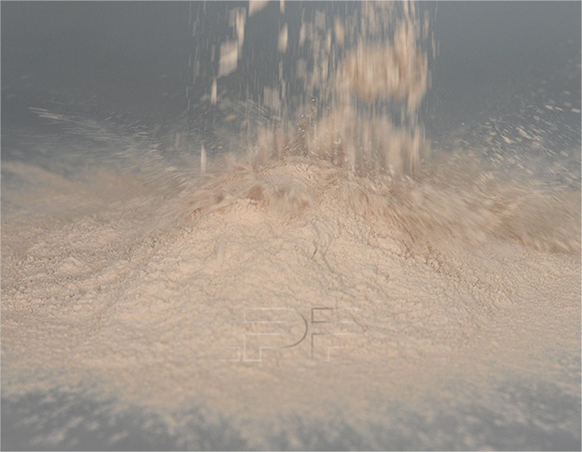
200 Mesh
SEPPE BAUXITE
25083000
Fine‑grained calcined bauxite powder, 75‑85% Al₂O₃, designed for refractory castables, mortars, and high‑temperature formulations.
▸ This 200 mesh bauxite powder is produced from high‑grade raw bauxite, calcined in a vertical shaft kiln, then finely ground and classified to ≤75 µm. With a guaranteed alumina content of 75‑85%, it offers a cost‑effective balance of refractoriness, density, and workability, making it a preferred filler and matrix component in refractory castables, gunning mixes, repair mortars, and ceramic bodies.
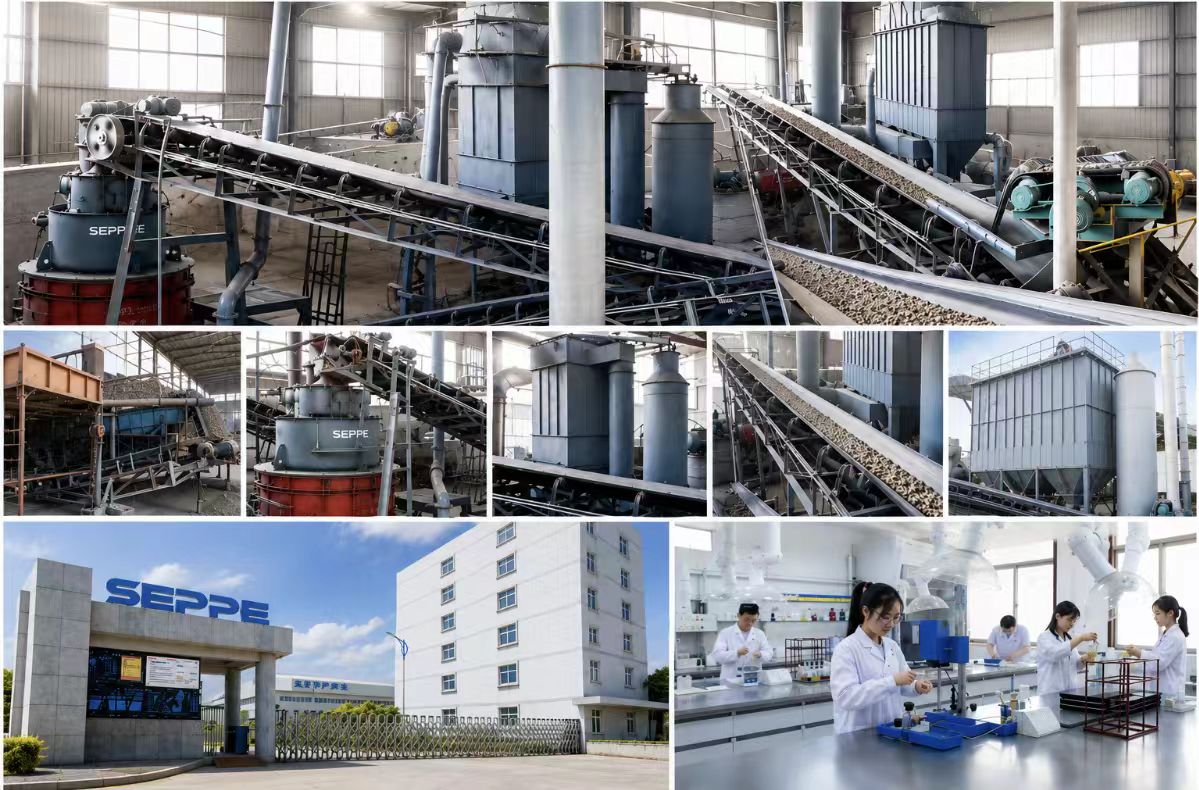
▸ From bauxite ore to finished sand, every stage is controlled to ensure consistent quality:

01 — Raw Material & Supply · Own mines, Al₂O₃ ≥ 65%
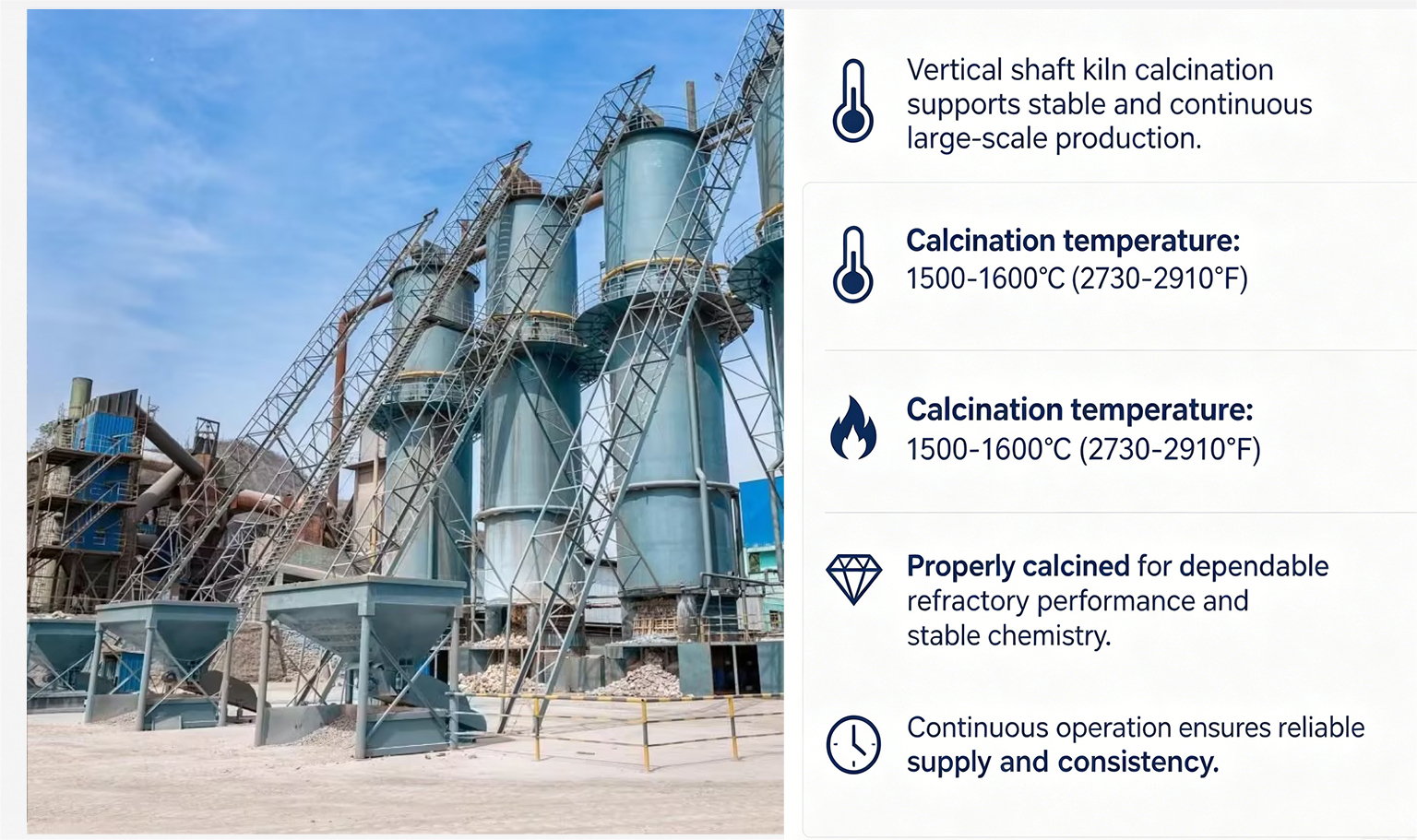
02 — Calcination Process · Rotary kiln at 1450–1550°C
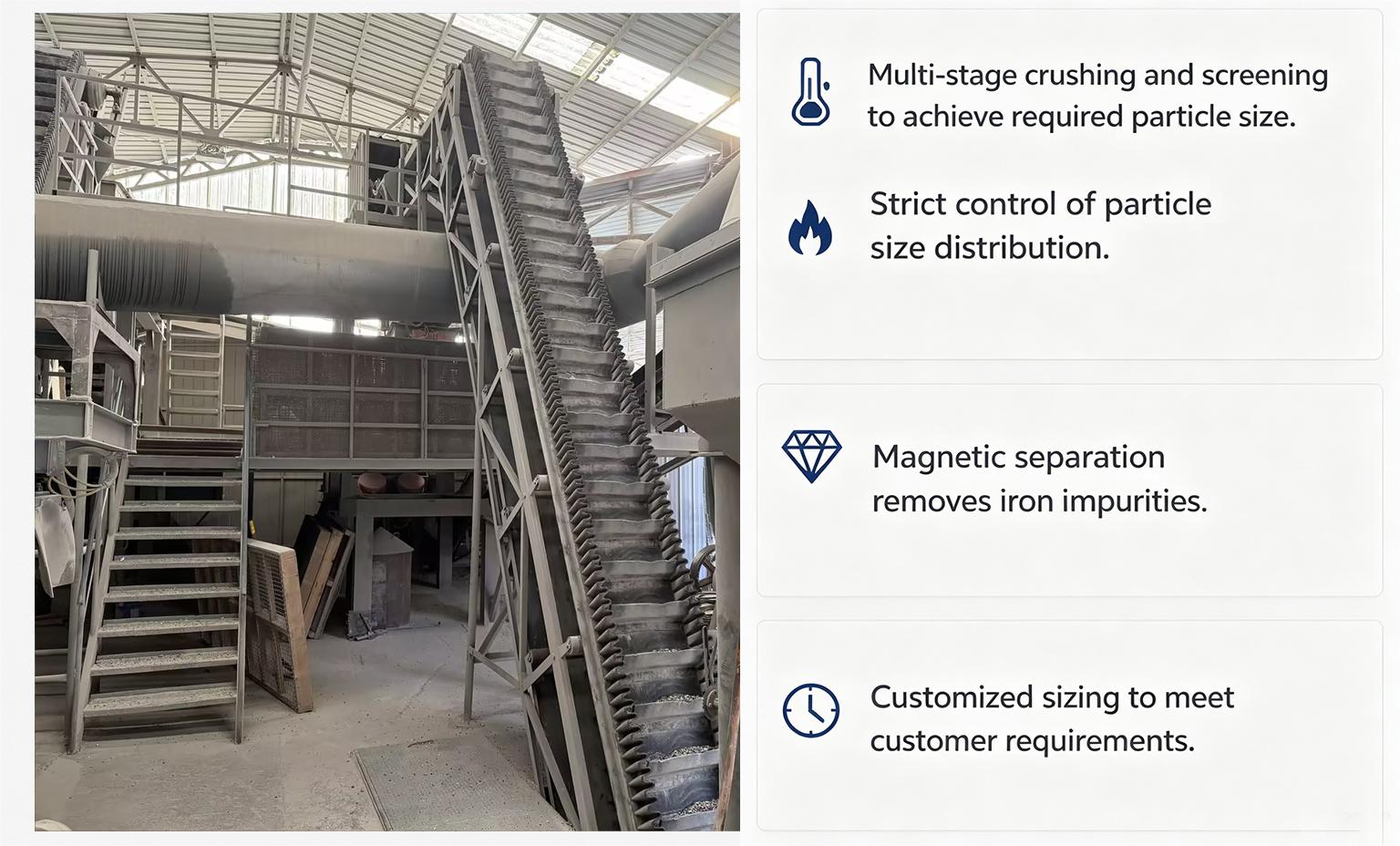
03 — Processing & Grading · Crushing, screening & magnetic separation
04 — Testing & Delivery · Full lab testing & global packaging
▸ The shaft kiln method delivers cost‑effective base material for fine grinding, ideal for high‑volume users of 75‑85% Al₂O₃ powder:
• Consistent Feedstock — stable calcination ensures uniform grindability and consistent particle size distribution after milling.
• Cost Advantage — lower energy costs in shaft kilns translate to competitive powder pricing for large‑scale refractory plants.
• High Purity Retention — carefully controlled calcination preserves the 75‑85% alumina range, resulting in a powder with dependable refractory performance.
• Reliable Supply — integrated mining, calcining and grinding operations guarantee long‑term availability of 200 mesh powder.
▸ XRF Chemical Analysis — every batch tested for Al₂O₃, Fe₂O₃, TiO₂, CaO, MgO
▸ Particle Size Distribution — laser diffraction analysis to verify 200 mesh cut (D50 ≤45 µm)
▸ True Density Measurement — helium pycnometer method to confirm ≥3.65 g/cm³
▸ Moisture Content — controlled drying and monitoring to keep moisture ≤0.5%
▸ Batch Traceability — full documentation from raw ore source to finished powder shipment
▸ Ultra‑Fine Grind — nominal 200 mesh particle size improves packing density and reactivity in castable matrices.
▸ Balanced Alumina Range — 75% to 85% Al₂O₃ provides an optimal balance of refractory performance and cost for a wide range of applications.
▸ Low Impurity Levels — carefully controlled Fe₂O₃, alkali and moisture levels minimise detrimental reactions at high temperatures.
▸ Excellent Workability — fine powder easily disperses in water or binder systems, improving the rheology of castables and mortars.
▸ Versatile Applications — suitable for a wide range of monolithic refractories, repair mixes, and ceramic bodies.
▸ Iron & Steel Industry — fine matrix component in high-alumina bricks, low-cement castables, and ramming mixes for blast furnaces, ladles, and tundishes.
▸ Cement Industry — high-temperature linings for rotary kilns, preheaters, calciners, and clinker coolers.
▸ Glass Industry — glass tank regenerators, melting furnaces, and forehearths.
▸ Non‑Ferrous Metals Smelting — furnaces for aluminium, copper, and zinc.
▸ Refractory Product Manufacturing — key raw material for bricks, mortars, gunning mixes, and castables.
▸ Ceramic Kiln Furniture — filler in cordierite-mullite kiln furniture and high-temperature ceramic bodies.

| Chemical Composition | |
| Al₂O₃ | 75 - 85% |
| Fe₂O₃ | 0.5 - 2.5% |
| TiO₂ | 2.0 - 4.0% |
| SiO₂ | 6 - 18% |
| CaO + MgO | ≤ 0.6% |
| K₂O + Na₂O | 0 - 0.4% |
| Physical Properties | |
| Nominal Mesh Size | 200 Mesh (≤75 µm) |
| D50 (typical) | 40 - 45 µm |
| True Density | ≥ 3.65 g/cm³ |
| Moisture Content | ≤ 0.5% |
| Refractoriness | ≥ 1770℃ |
| Appearance | Grey to brownish fine powder |
| Grade | Al₂O₃ Content | Typical Use |
| Economy | 75% Min | Low‑cement castables, backup linings |
| General Refractory | 80% Min | Standard castables, gunning mixes |
| Premium | 85% Min | High‑alumina castables, ladle linings |
▸ SEPPE integrates mining, shaft kiln calcination, fine grinding, and classification under one quality system. Every bag of 200 mesh powder within the 75‑85% Al₂O₃ range is checked for particle size, chemistry, and moisture, guaranteeing batch‑to‑batch consistency for your refractory formulations.
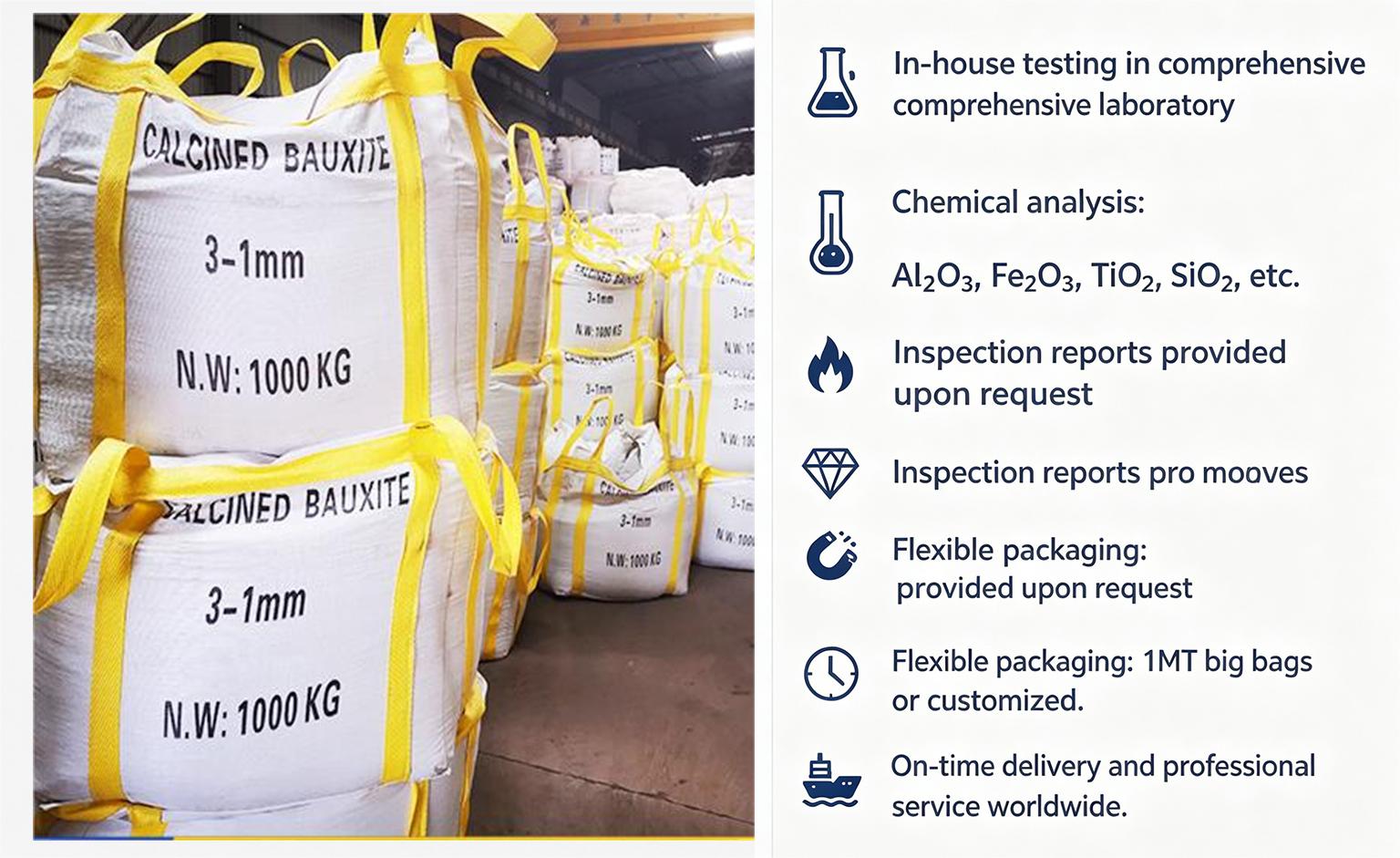
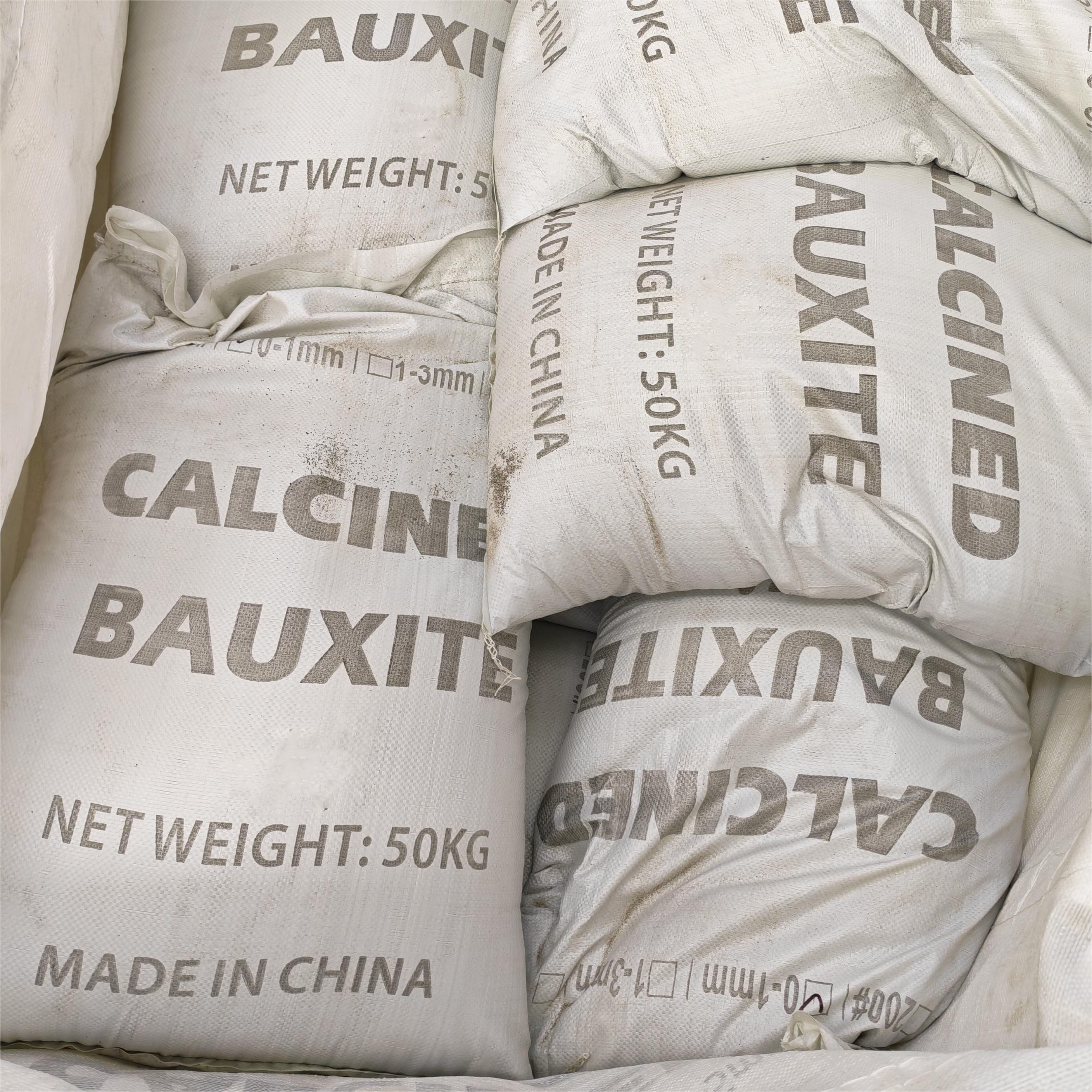
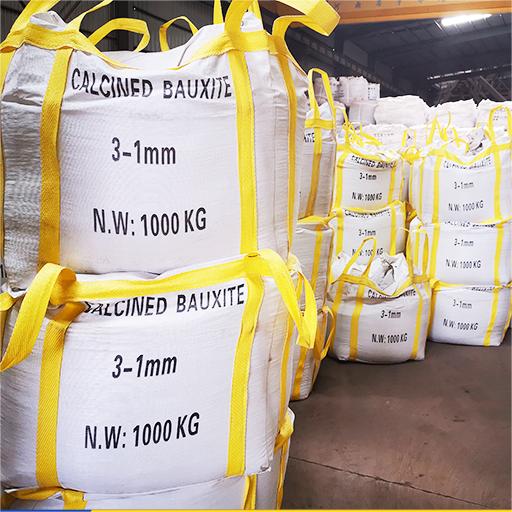
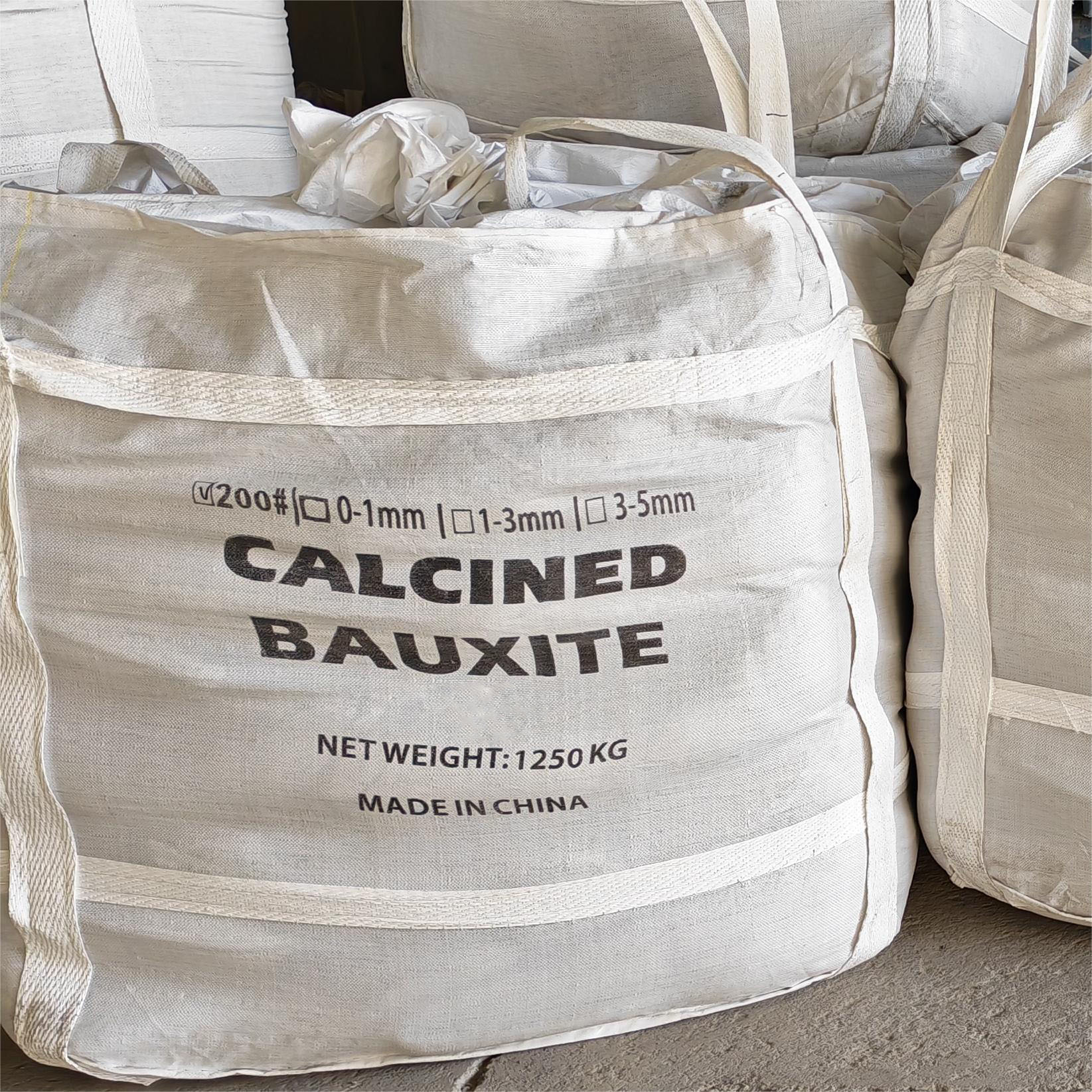
▸ Supplying over 40 countries, we support refractory producers and ceramic manufacturers with reliable logistics, technical advice, and flexible packaging options—from 25 kg bags to bulk loads.
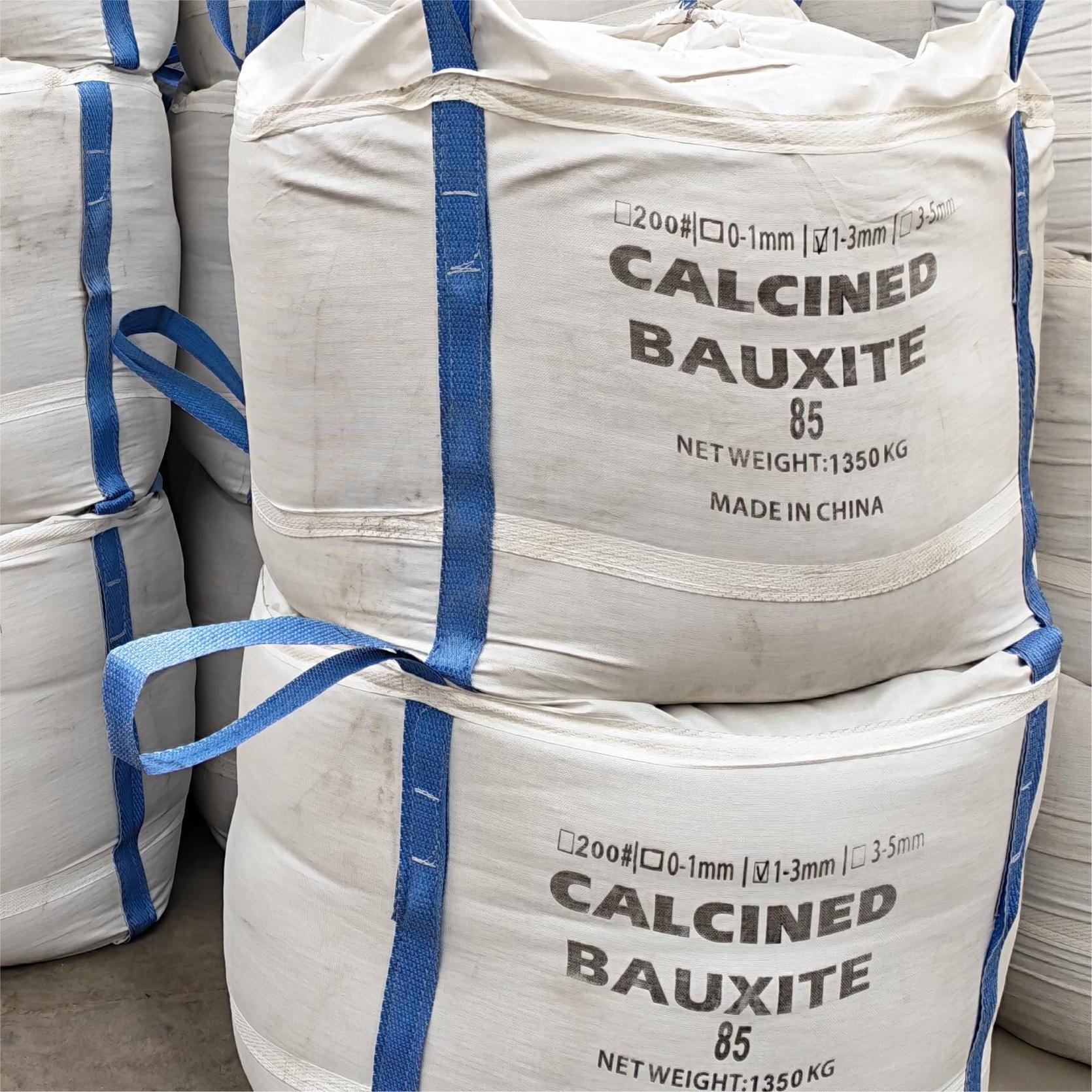
▸ 25 kg multi‑wall paper bags, 50 kg bags, 1 MT jumbo bags
▸ 20' FCL: approx 25‑27 MT
▸ Private labeling and custom packaging available
▸ It is mainly used as a fine filler and matrix component in refractory castables, gunning mixes, repair mortars, foundry coatings, and high‑temperature ceramics.
▸ We use air classifiers and laser particle size analysers. Each batch is checked for top size (≤75 µm) and median particle size (D50 ~40‑45 µm).
▸ Yes. In addition to 200 mesh, we offer 325 mesh and custom micronised grades upon request.
▸ Absolutely. With alumina contents up to 85% and true density ≥3.65 g/cm³, it provides excellent hot strength and slag resistance in castables.
▸ The powder is dried to ≤0.5% moisture and packed in moisture‑resistant bags. For long‑distance shipping, we can add pallet wrapping and desiccants.
▸ Yes. Free samples for lab evaluation, TDS, SDS and SGS reports are available upon request.
▸ Contact SEPPE for: • Free Samples • TDS / SDS Documents • OEM Packaging Options • Bulk Container Pricing
Request a QuoteRefractory Materials Calcined Kaolin Clay for Ceramics
High Alumina Grade Sintered Mullite
Brown Fused Alumina for Refractories
How Calcined Bauxite Is Manufactured
Calcined Bauxite for Refractory
How To Choose Anti-Skid Aggregate: Calcined Bauxite for Colored Anti-Skid Pavements