| Quantity: | |
|---|---|
GH GP GL
72051000
SEPPE Bearing Steel Grit is a high-performance angular steel abrasive produced from bearing steel material with chromium alloy content and refined internal structure. Compared with regular high-carbon cast steel grit, bearing steel grit provides better wear resistance, more stable microstructure, lower breakage and longer recycling life. It is suitable for heavy-duty descaling, structural steel blasting, anti-corrosion coating pre-treatment, granite cutting and demanding surface preparation where abrasive consumption is a key concern.
Product: Bearing steel grit for blasting, descaling and surface preparation
Other Names: Bearing Steel Abrasive, Chrome Alloy Steel Grit, Long Life Steel Grit
Available Hardness: GP, GL and GH hardness ranges can be supplied according to application
Manufacturer of Material: SEPPE TECHNOLOGIES
▸ Bearing steel grit is not simply another size of GP, GL or GH. It is a steel grit made from bearing steel material, normally with chromium alloy content and a more refined internal structure.
▸ It can be supplied in GP, GL or GH hardness levels, but the material route is different from regular cast steel grit.
▸ The main selling point is longer service life, lower breakage and more stable blasting performance in demanding applications.
▸ Longer Service Life: Bearing steel material supports improved wear resistance and lower abrasive consumption in suitable blasting systems.
▸ Stable Microstructure: Refined internal structure helps reduce abnormal fracture and unstable particle breakdown.
▸ Sharp Angular Cutting: Angular grains support Sa2.5-Sa3 blasting grade and stable roughness for coating adhesion.
▸ Flexible Hardness Selection: GP, GL or GH hardness grades can be selected according to cleaning strength, workpiece condition and target surface profile.
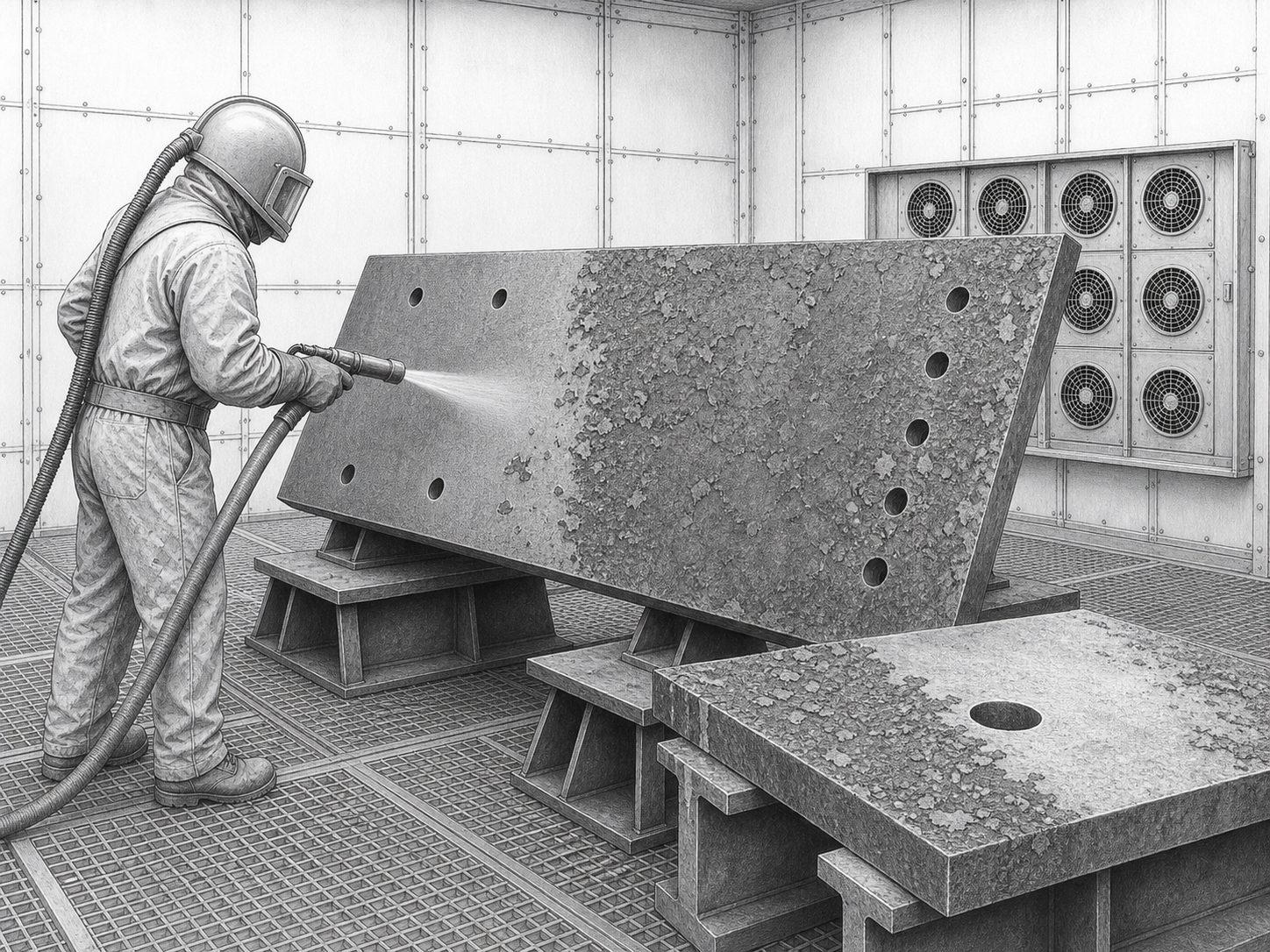 | Heavy-Duty Descaling ▸ Used for oxide scale and rust removal on structural steel, plates and heavy workpieces. ▸ Bearing steel material supports better wear resistance and more stable particle breakdown. ▸ Suitable where abrasive consumption and long-term operating cost are key purchasing points. |
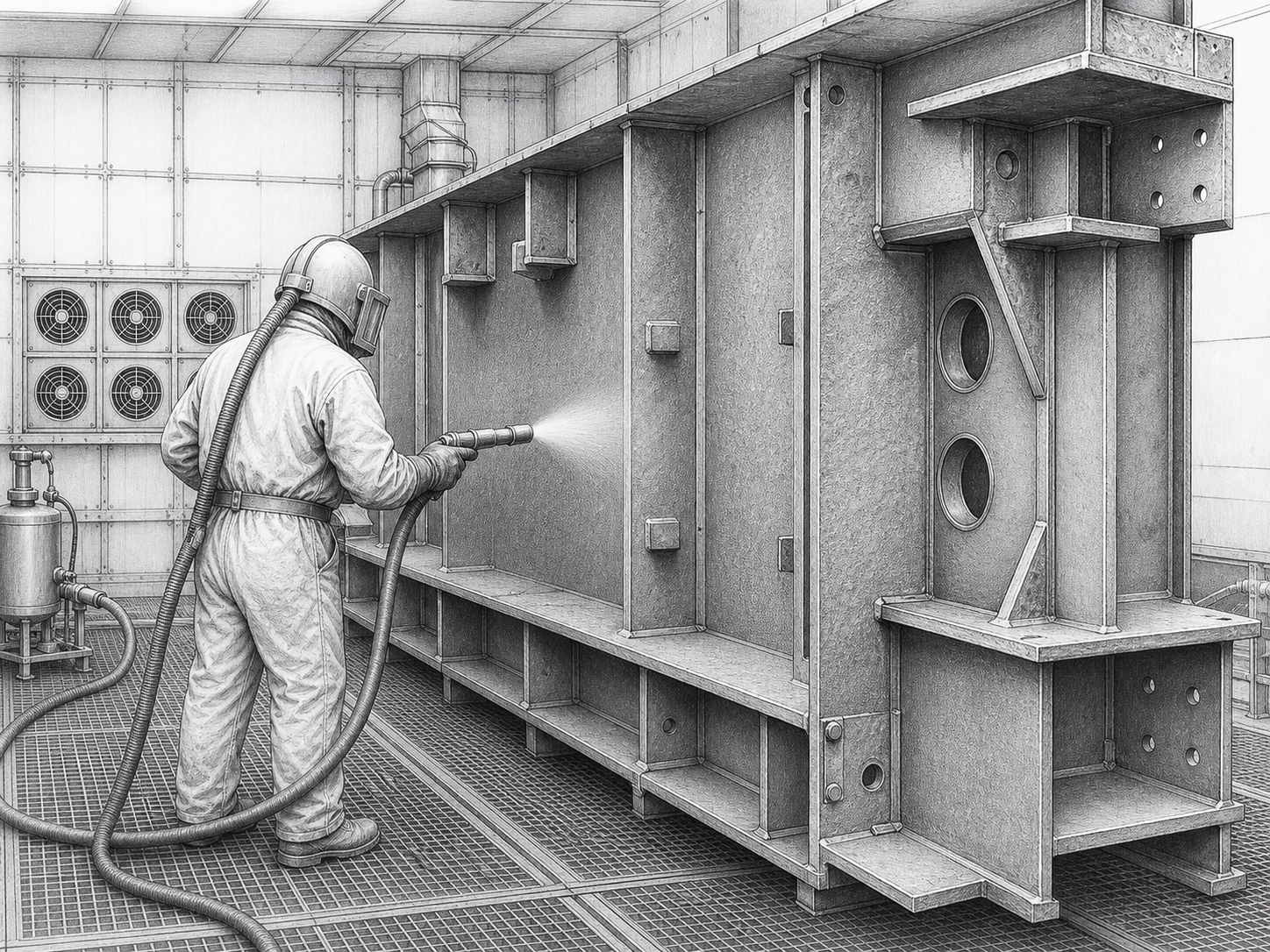 | Anti-Corrosion Pre-Treatment ▸ Used before heavy-duty coating systems on steel structures, tanks and fabricated steel parts. ▸ Sharp angular grains help create a stable anchor profile for better coating adhesion. ▸ Recommended for demanding anti-corrosion projects where surface consistency and abrasive life matter. |
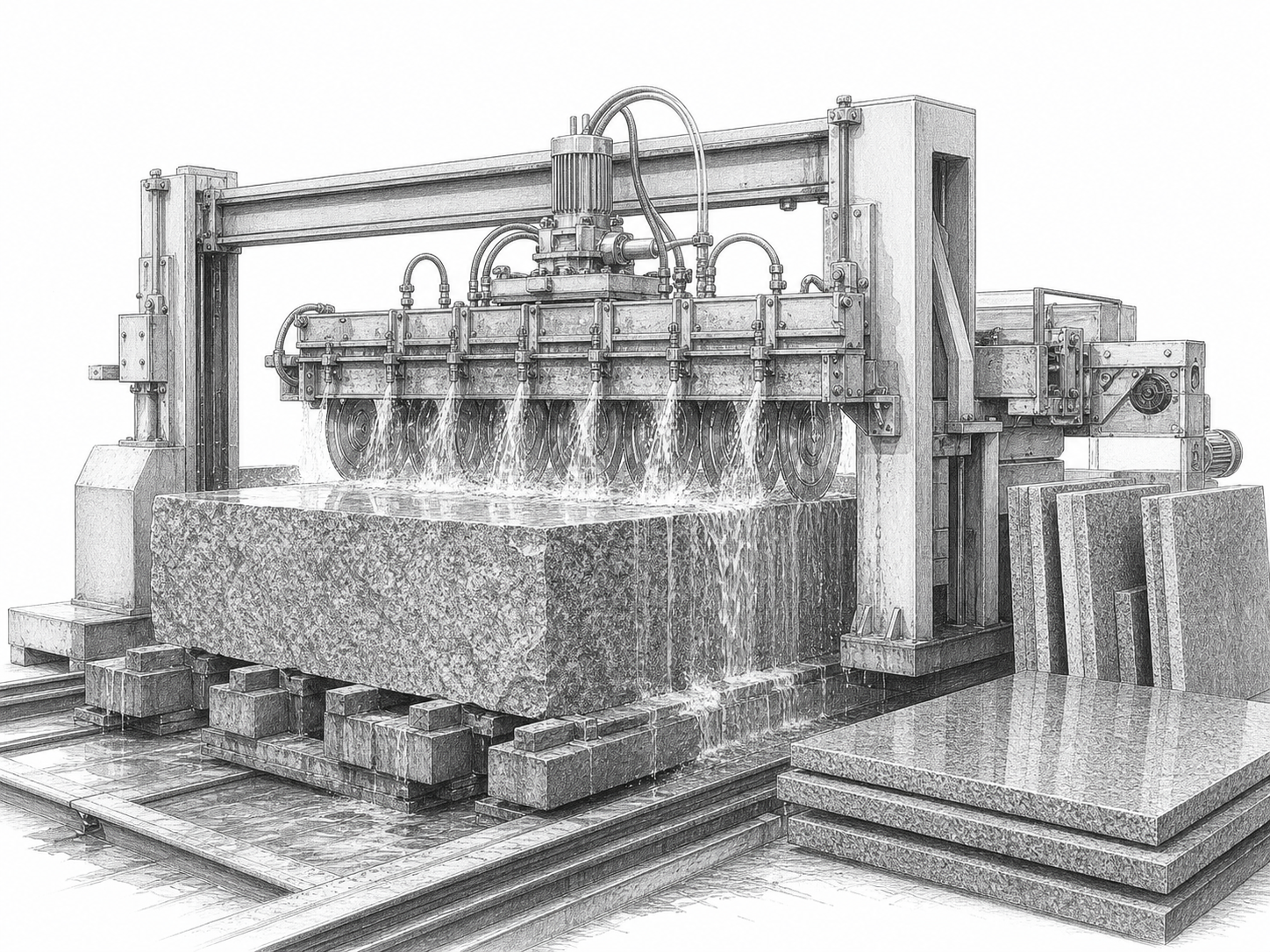 | Granite Cutting & Stone Work ▸ Used in high-wear stone processing work such as granite cutting and stone surface treatment. ▸ Long-life bearing steel grit helps maintain stable cutting behavior in abrasive-intensive conditions. ▸ A material-upgrade option when durability and consumption are more important than only low purchase price. |
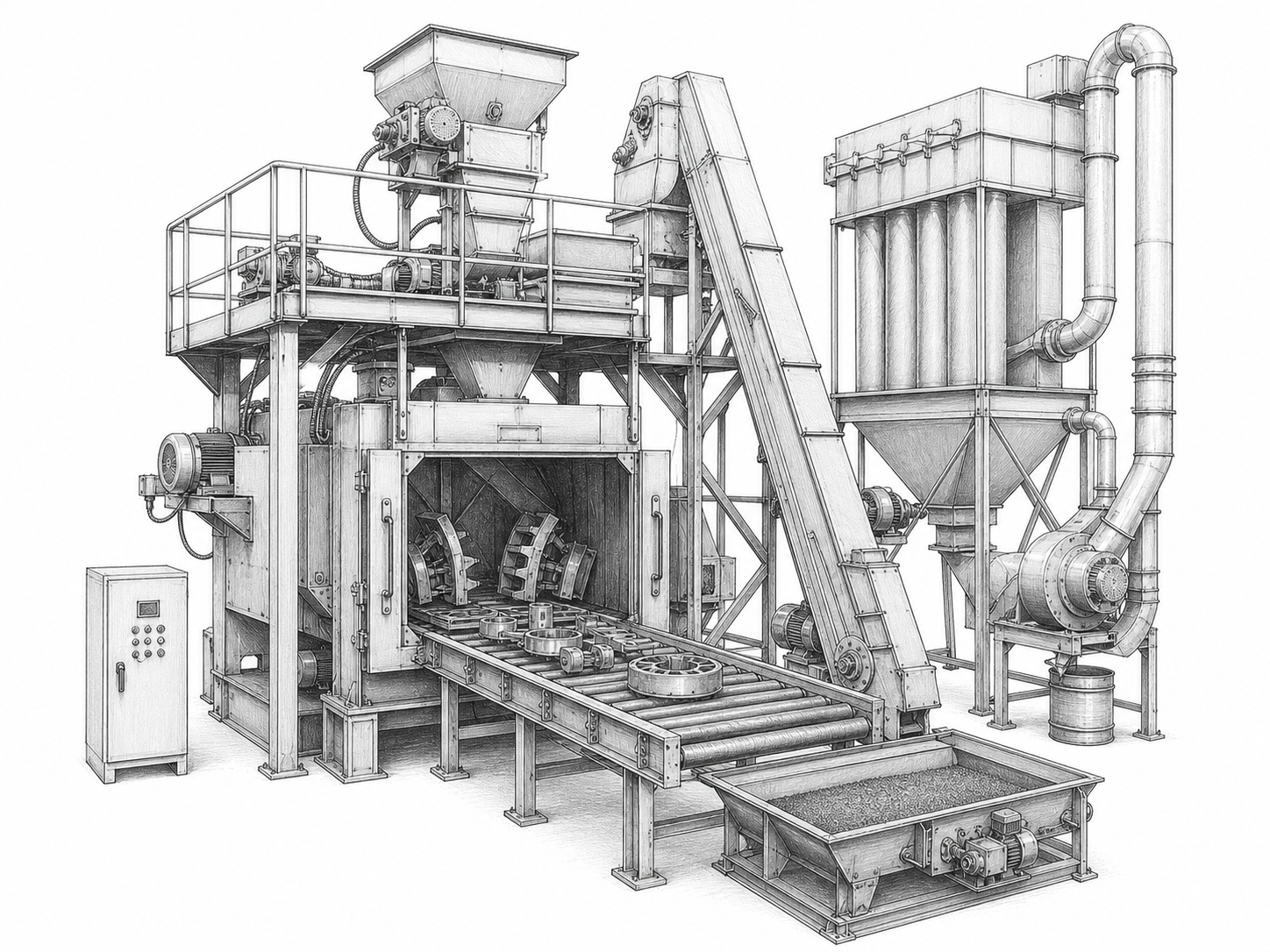 | Recycling Blasting Systems ▸ Used in wheel blasting and air blasting systems with abrasive recovery and separation equipment. ▸ Lower breakage helps reduce dust, fine powder and unstable abrasive circulation. ▸ Suitable for customers evaluating total blasting cost rather than only initial abrasive price. |
▸ Choose GP hardness when toughness and low breakage are the priority.
▸ Choose GL hardness when you need a balanced steel grit for mainstream blasting work.
▸ Choose GH hardness when strong cutting and deeper anchor profile are required.
▸ Bearing steel grit is a material-upgrade option made from bearing steel, positioned for longer service life, low breakage and stable cutting performance.
▸ Steel grit works mainly by angular cutting. Compared with steel shot, it creates a clearer anchor profile and removes rust or coating more aggressively.
▸ Final selection should consider workpiece thickness, rust level, coating requirement, blasting machine type and target surface roughness.
▸ Scrap steel management - induction furnace melting - centrifugal atomization - drying - screening - quenching - spiral separation - grit crushing - tempering - final screening - packaging.
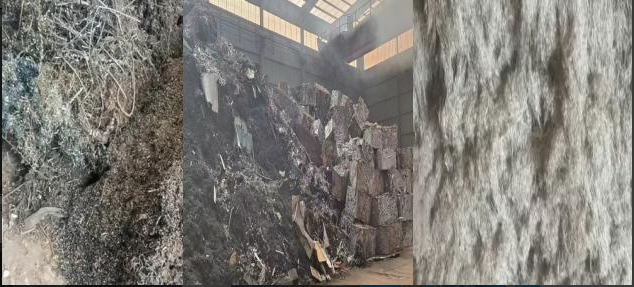 Raw material management
 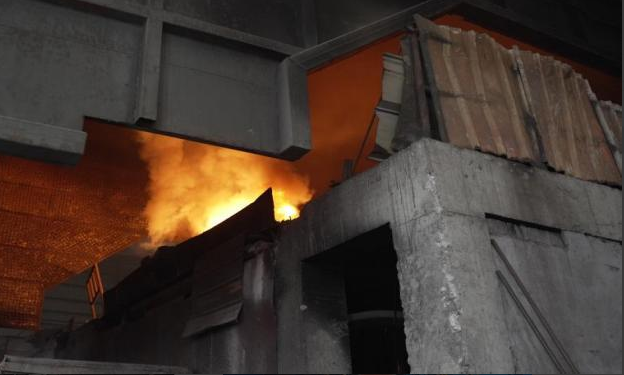 Induction furnace operation
 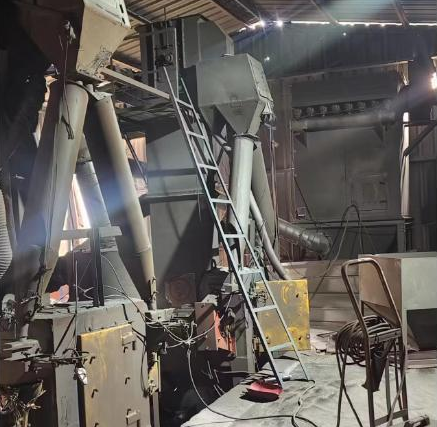 Quenching line
 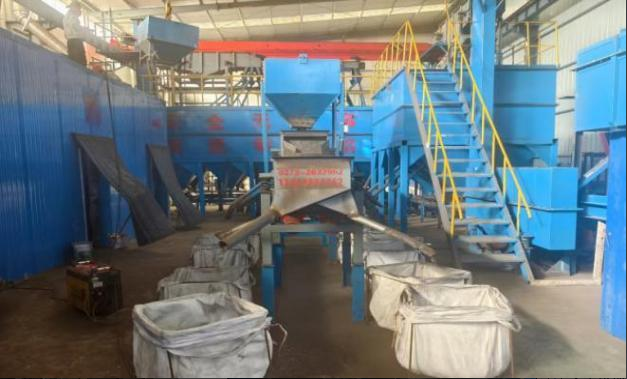 Screening & packaging line
▸ Intermediate stock is separated before final screening and packaging, helping keep different batches, sizes and processing stages traceable.
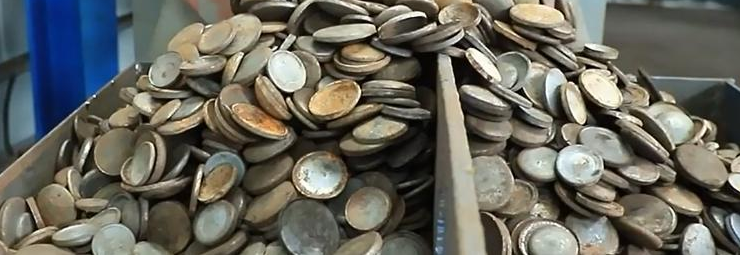
▸ For bearing steel grit, material source, chromium alloy content, hardness grade and retained sample traceability are important quality control points.
▸ COA, sieve analysis, hardness report, retained sample and loading photos can be arranged according to order requirements.
| Main Size | G16, G18, G25, G40, G50, G80 and customized grades |
| Chemical Composition | C: 0.8-1.2%; Si: 0.15-1.20%; Mn: 0.20-1.20%; S/P: <=0.05%; Cr: 0.60-1.60% |
| Hardness | GP: HRC 42-52; GL: HRC 53-60; GH: HRC 60-64 |
| Density | >=7.4 g/cm3 |
| Microstructure | Homogeneous tempered sorbite reference |
▸ Steel grit is listed in the SEPPE metal abrasives catalog under SAE J444 / GB/T 18838 reference systems, with GP, GL and GH hardness grades for different cutting strength and toughness requirements.
▸ Typical steel grit production route: scrap steel management - induction furnace melting - centrifugal atomization - drying - screening - quenching - spiral separation - grit crushing - tempering - final screening - packaging.
▸ Steel grit screen analysis includes common G series grades such as G10, G12, G14, G16, G18, G25, G40, G50, G80 and G120. Coarse grit is used for stronger rust removal and deeper profile; fine grit is used for smaller workpieces and finer surface control.
▸ In-house QC items include chemical composition, hardness, density, microstructure and durability. Testing equipment includes Ervin fatigue life tester, SPECTRO optical emission spectrometer, metallographic microscope, Vickers microhardness tester and carbon-sulfur analyzer.
▸ SGS pre-shipment inspection, MSDS, COA, sieve analysis and retained sample support can be arranged when required.
▸ Bearing Steel Grit is normally supplied in 25 kg PE/PP woven bags, 1000 kg FIBC jumbo bags, palletized bags, steel drums on request or customized export packaging. Bag marks can show the steel grit grade and size, such as GH / GP / GL / G40 / GL50, according to purchase requirements.
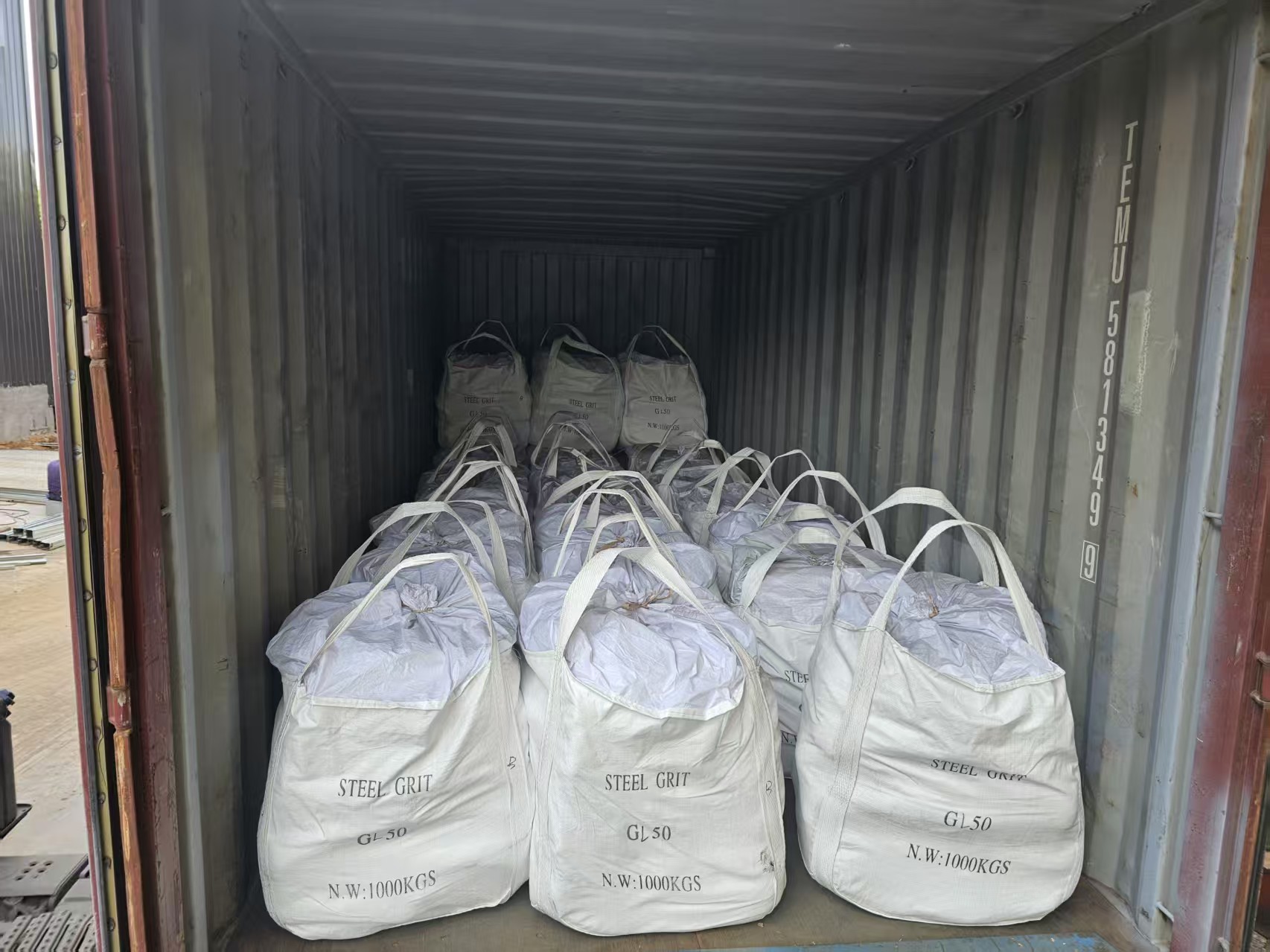
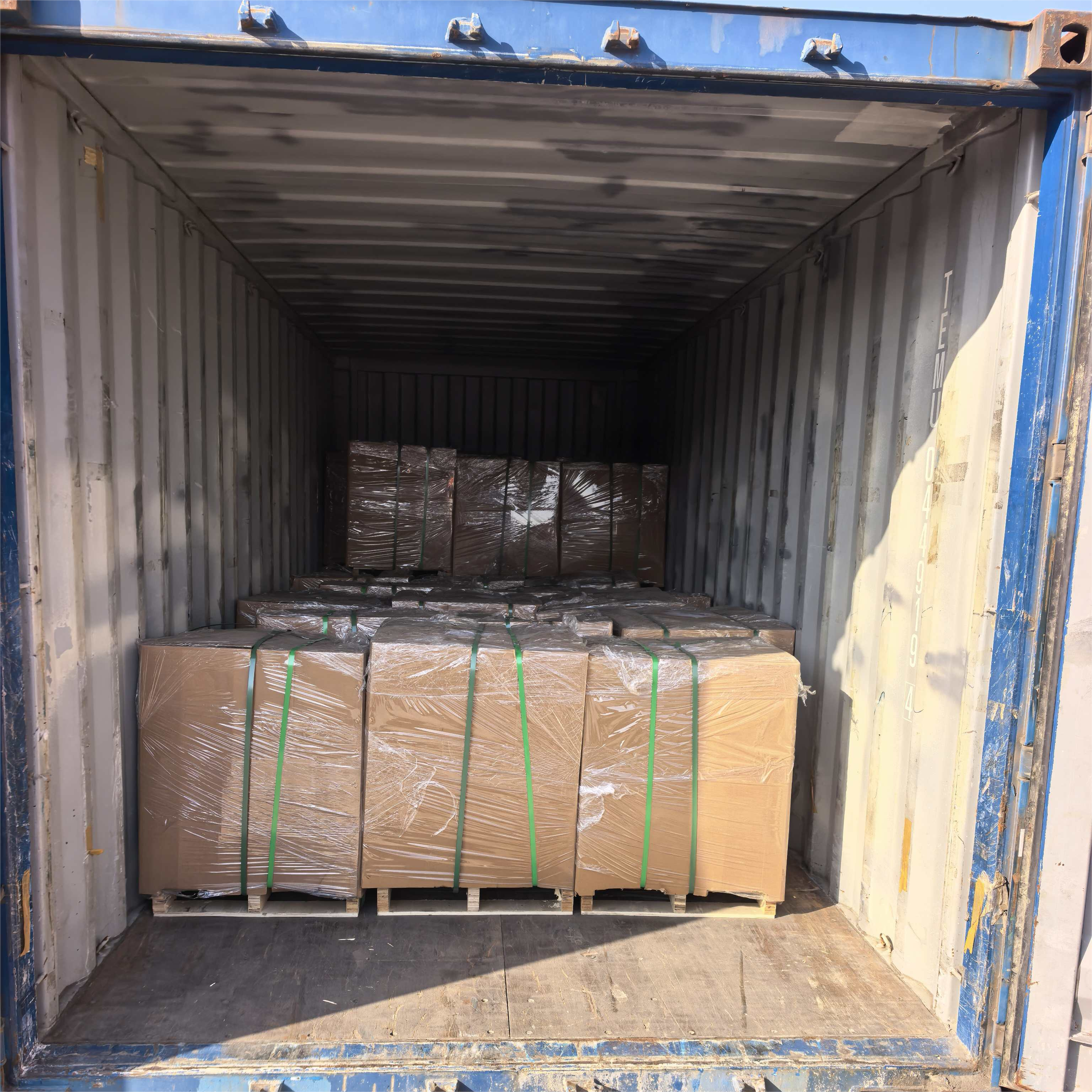
▸ Standard pallet packing is commonly 40 bags per pallet, about 1 MT per pallet. Typical 20'GP loading quantity is about 25-27 MT for steel shot or steel grit.
▸ Stock items are usually prepared within 7-15 days. Customized production or private-label packing may require about 20-30 days. Keep steel grit packages dry before use; batch labels and loading photos can be provided for traceability.
▸ Bearing steel grit uses bearing steel material with chromium alloy content and refined structure, so it is positioned for longer service life and lower breakage than regular cast steel grit.
▸ Yes. The hardness grade can be selected according to the required cleaning strength, surface profile and workpiece condition.
▸ No. It is mainly a material route difference. It can still be supplied in common G series sizes.
▸ It is suitable when abrasive consumption, long-term operating cost and stable recycling performance are important.
▸ Yes. Bearing steel grit is often considered for high-wear cutting or surface treatment work where durability matters.
Contact SEPPE for steel grit size selection, hardness grade, surface profile requirement, COA, samples, packaging and bulk order support.
Request a Quote