| Quantity: | |
|---|---|
S170 S280 S330 S390
72051000
SEPPE Double Quenched Steel Shot is a high-hardness cast steel shot designed for stronger impact cleaning, heavy rust removal and stubborn oxide scale removal. Compared with ordinary cast steel shot, the double quenching process refines the structure, increases surface hardness and improves resistance to breakage under severe blasting conditions.
| Product | Double quenched cast steel shot |
| Main Sizes | S170, S230, S280, S330, S390, S460 |
| Other Names | High hardness steel shot, double quenched shot, heavy-duty steel shot |
| Main Use | Heavy rust removal, oxide scale cleaning, steel plate pre-treatment and heavy casting cleaning |
| Manufacturer of Material | SEPPE TECHNOLOGIES |
• A stronger cleaning option than ordinary steel shot when rust, scale or aged coating is difficult to remove.
• Round particles still clean mainly by impact, but the higher hardness gives stronger cleaning energy and faster scale removal.
• Suitable for heavy steel workpieces where a more aggressive shot impact is acceptable.
• High cutting force: Higher hardness helps remove thick rust, oxide scale and heavy surface contamination faster.
• Wear resistance: Double quenching improves fatigue resistance and helps reduce abnormal breakage.
• Stable roughness: Hard spherical impact supports a uniform surface profile before coating.
• Low dust: Controlled heat treatment helps reduce fine powder and machine wear compared with unstable low-grade shot.
| Main Sizes | S170 / S230 / S280 / S330 / S390 / S460 |
| Chemical Composition | C 0.6-1.0%; Si >=0.4%; Mn 0.60-1.20%; P <=0.03%; S |
| Hardness | HRC 50-53 |
| Density | >=7.6 g/cm3 |
| Apparent Density | Approx. 4.5 g/cm3 |
| Ervin Life Cycle | Approx. 1800-2400 cycles, depending on working condition |
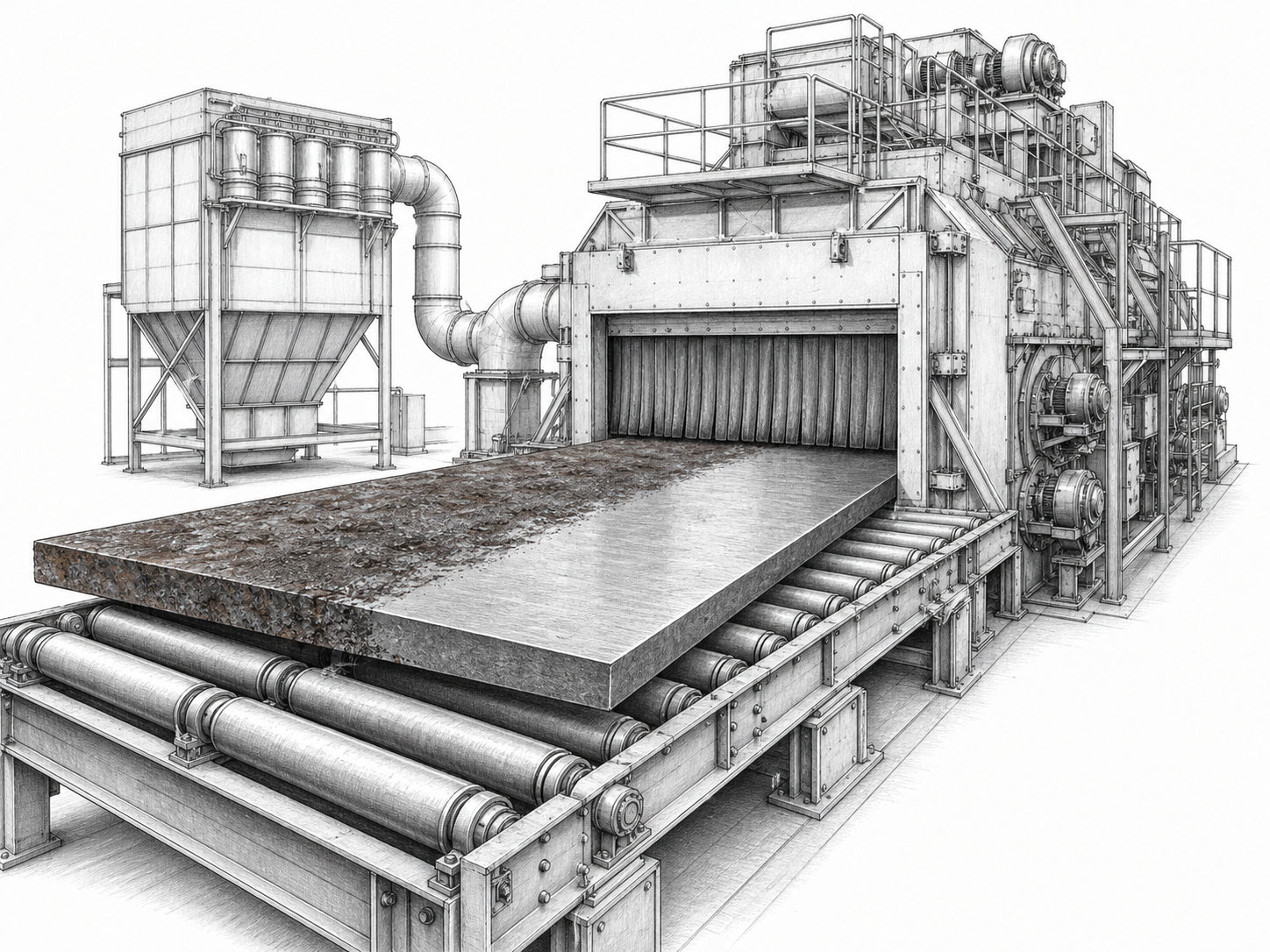 | Steel Plate Pre-treatment ▸ Used for heavy rust and oxide scale removal on thick steel plates before coating. ▸ Higher hardness gives stronger impact energy than ordinary cast steel shot. ▸ Suitable for plate pre-treatment lines where cleaning speed and surface profile are important. |
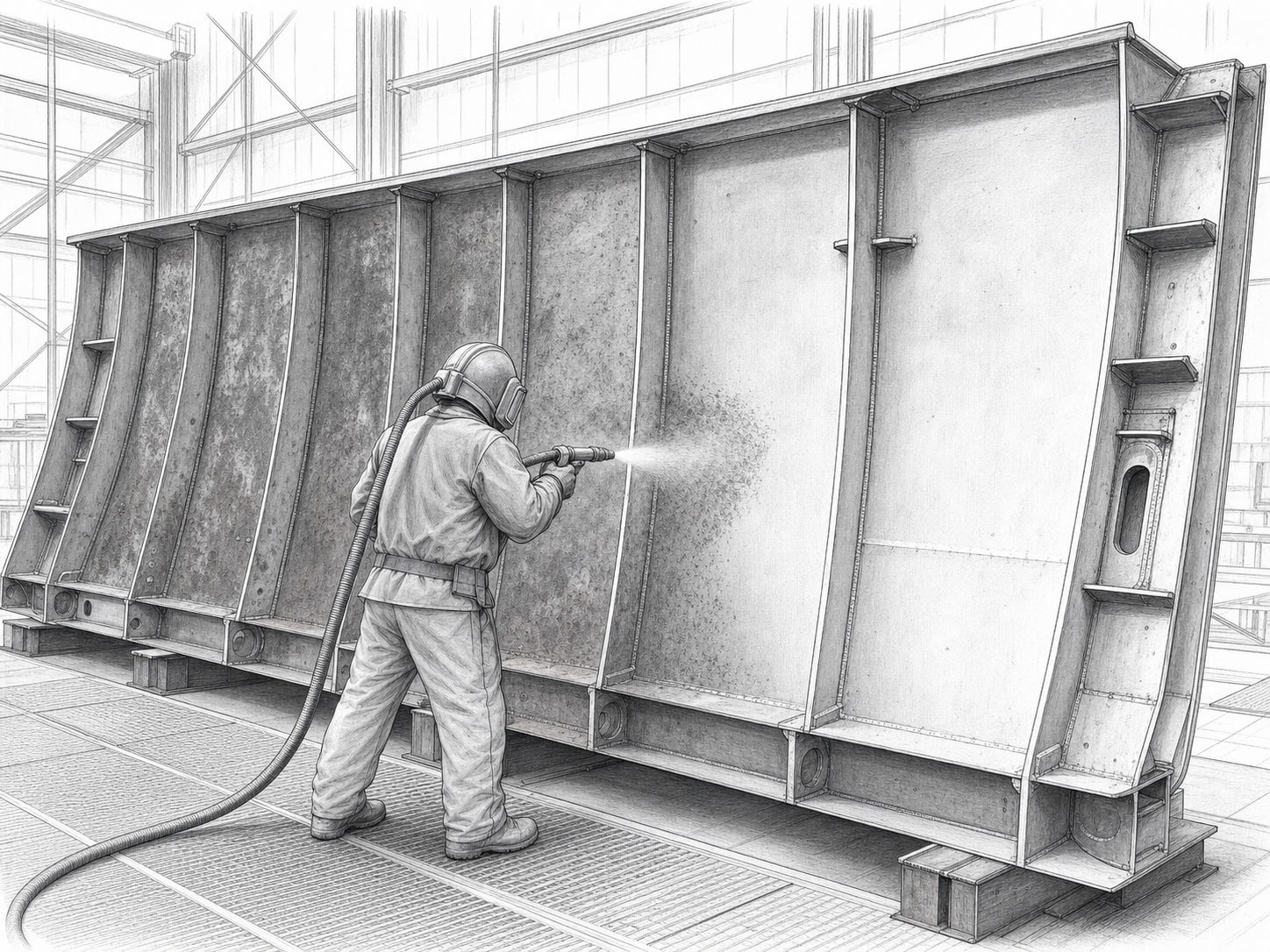 | Shipbuilding & Heavy Steel ▸ Used on ship plates, bridge parts, heavy frames and large fabricated steel structures. ▸ Stronger impact helps remove aged rust, mill scale and stubborn surface contamination. ▸ Recommended for heavier workpieces where a more aggressive shot impact is acceptable. |
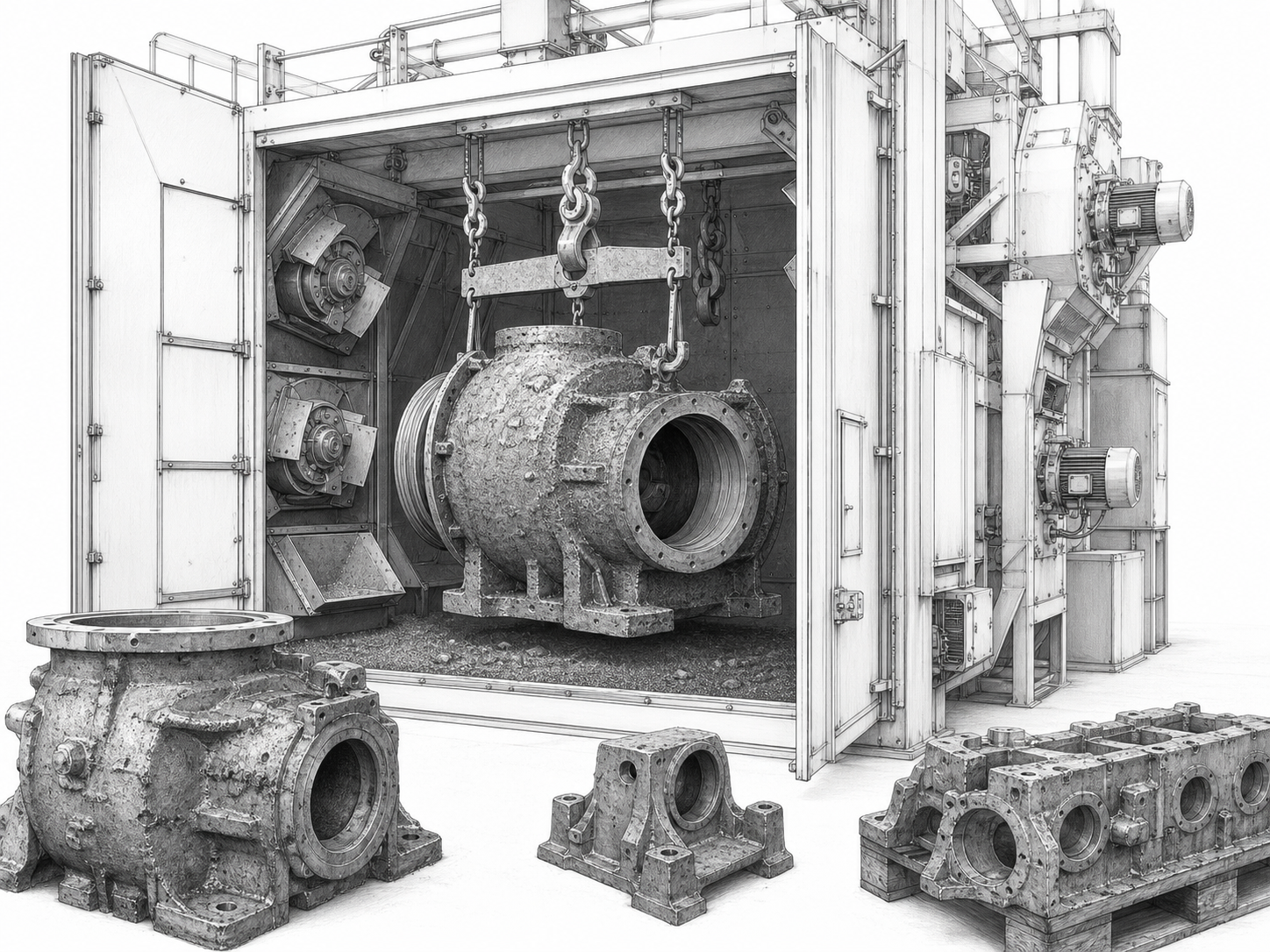 | Heavy Foundry Cleaning ▸ Suitable for sand removal and oxide cleaning on heavy steel and iron castings. ▸ Higher hardness helps clean rough casting surfaces and difficult corners more efficiently. ▸ Commonly used for large pump housings, machinery castings and heavy foundry components. |
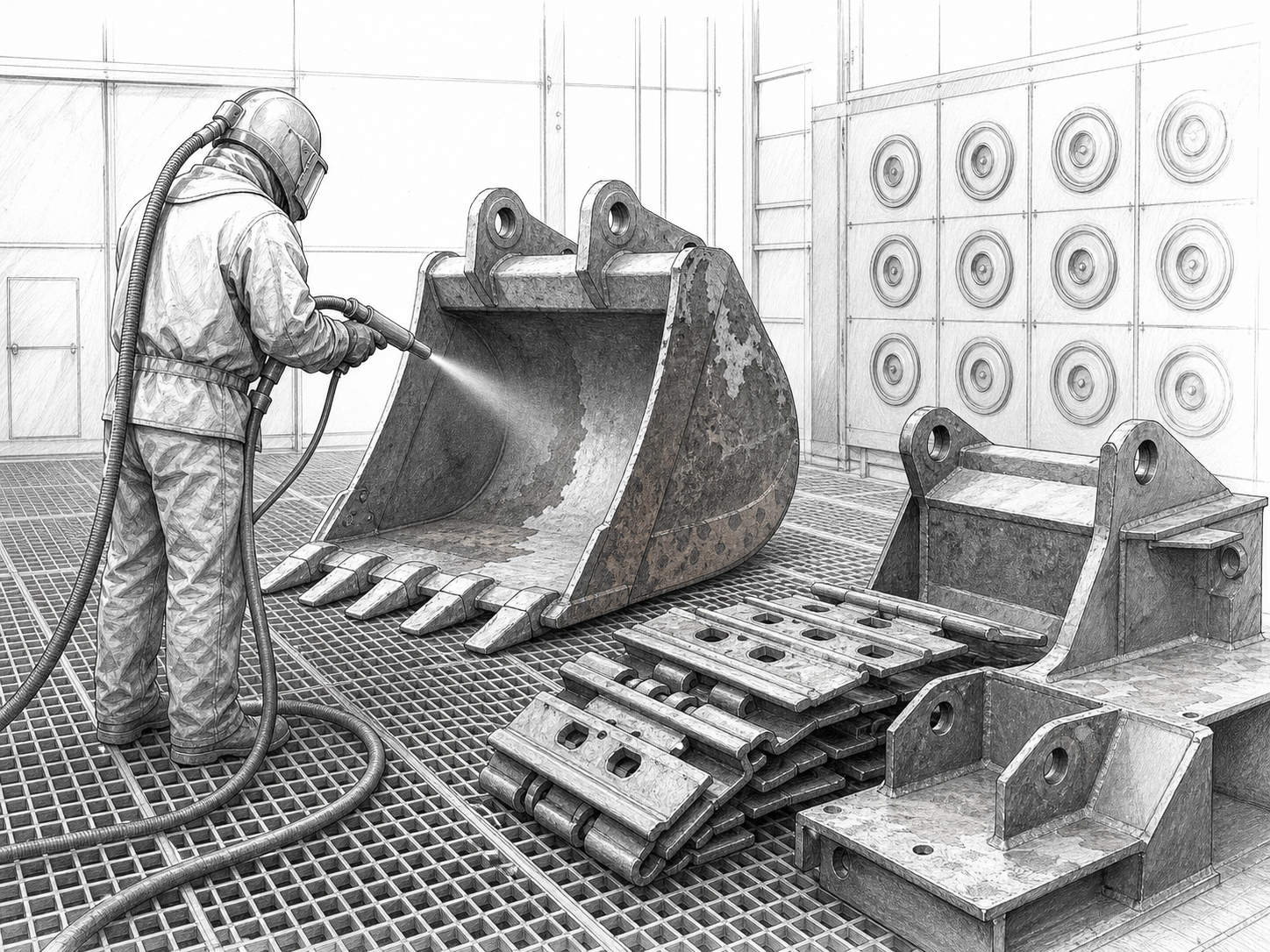 | Construction Machinery ▸ Used for excavator buckets, track shoes, welded frames and heavy machinery parts. ▸ Helps remove aged coating, rust and scale during refurbishment or before repainting. ▸ Best suited for thick steel workpieces that can accept stronger surface impact. |
• Choose smaller sizes for medium workpieces or when surface control is important.
• Choose S330-S460 for heavy rust, thick steel plates and large castings.
• Confirm machine type, workpiece thickness and target roughness before final selection.
• Selected steel raw material - induction furnace melting - atomization - drying - screening - heat treatment - final screening - packaging.
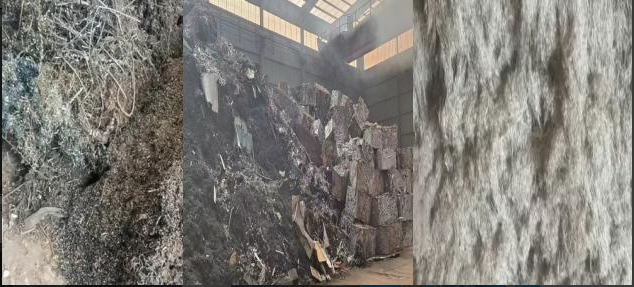 Raw material management
 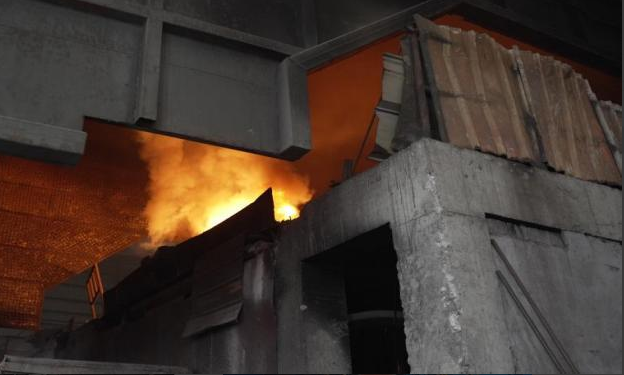 Induction furnace operation
 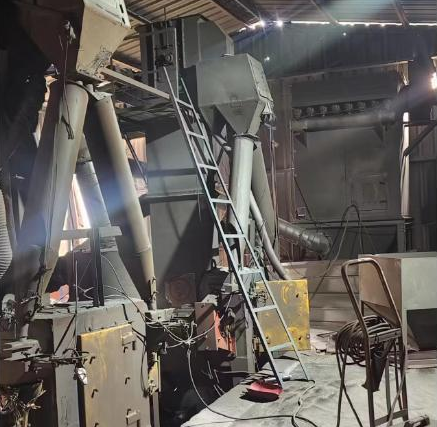 Heat treatment line
 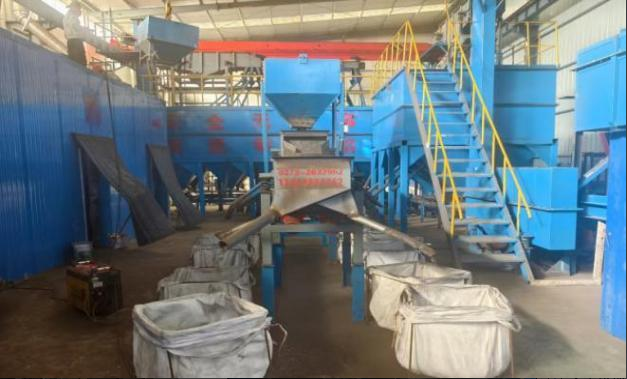 Screening & packaging line
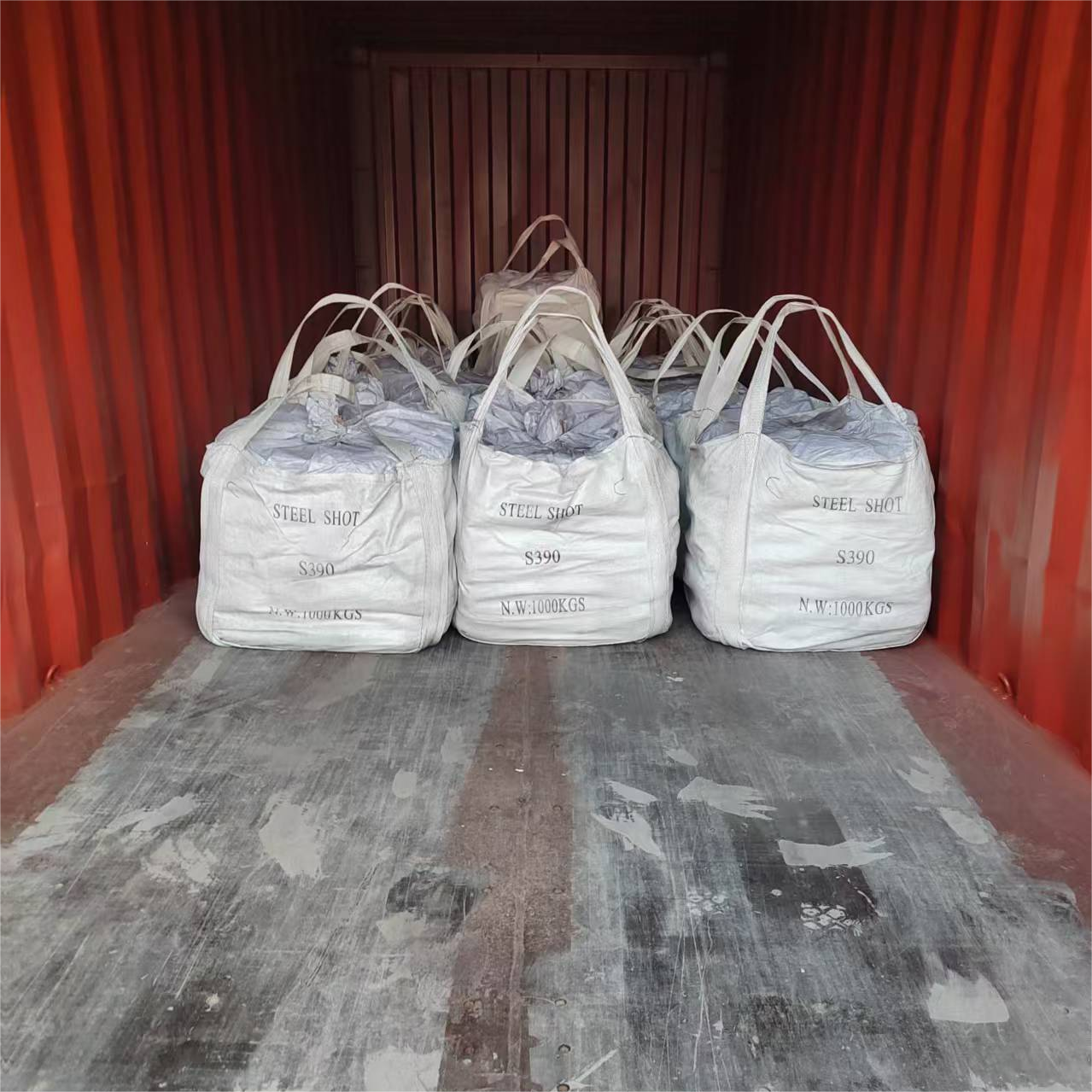
• Common packaging includes 25 kg bags, 1000 kg jumbo bags, palletized bags and customized export packaging. Bag marks and pallet protection can be arranged according to purchase requirements.
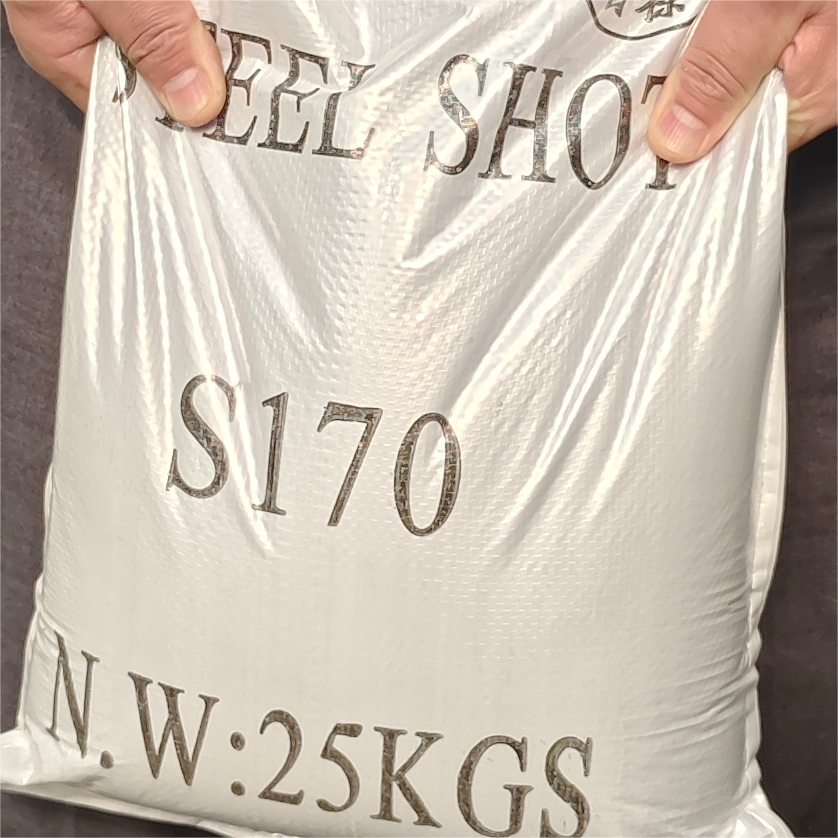
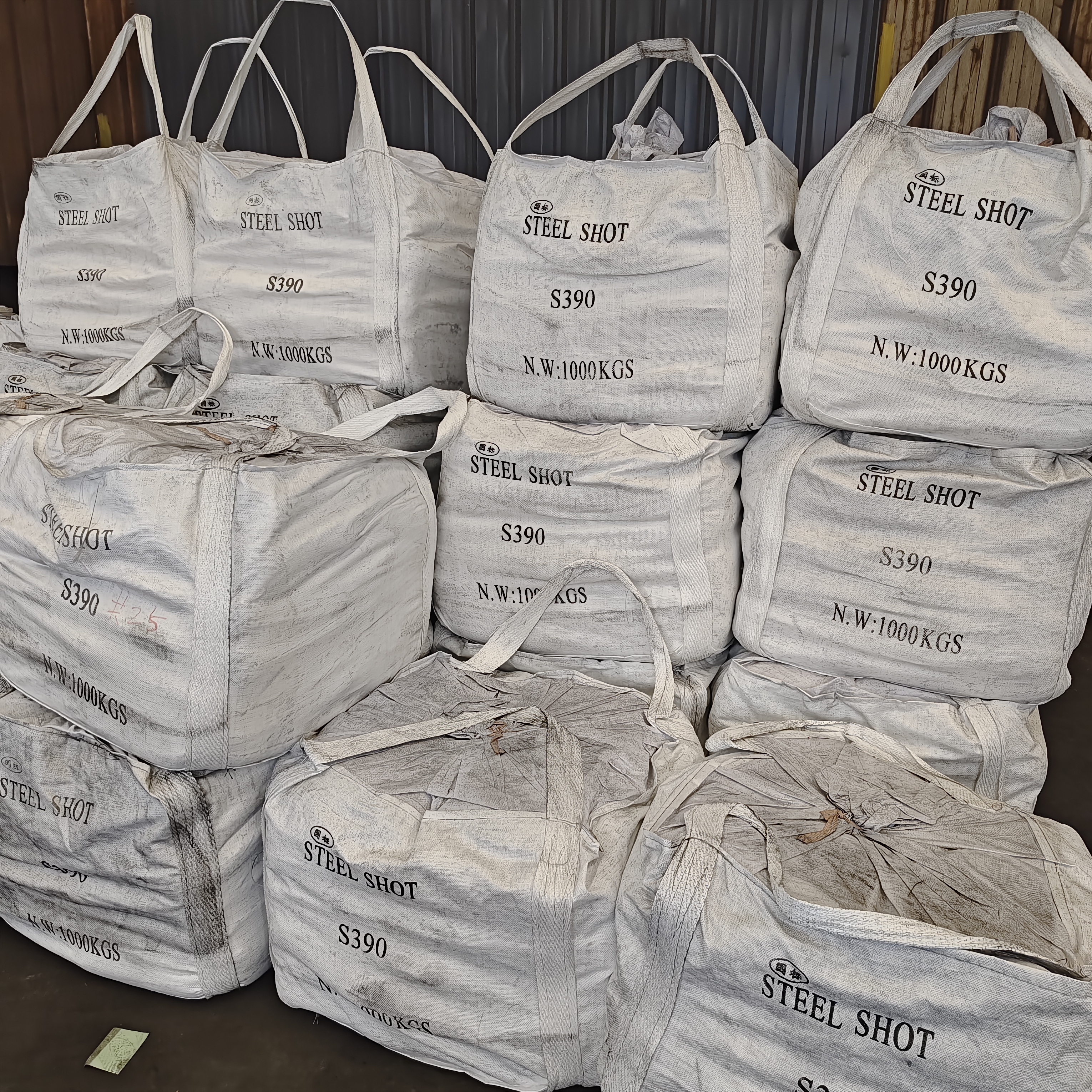
• Palletized small bags are available for easier forklift handling, warehouse stacking and container loading.
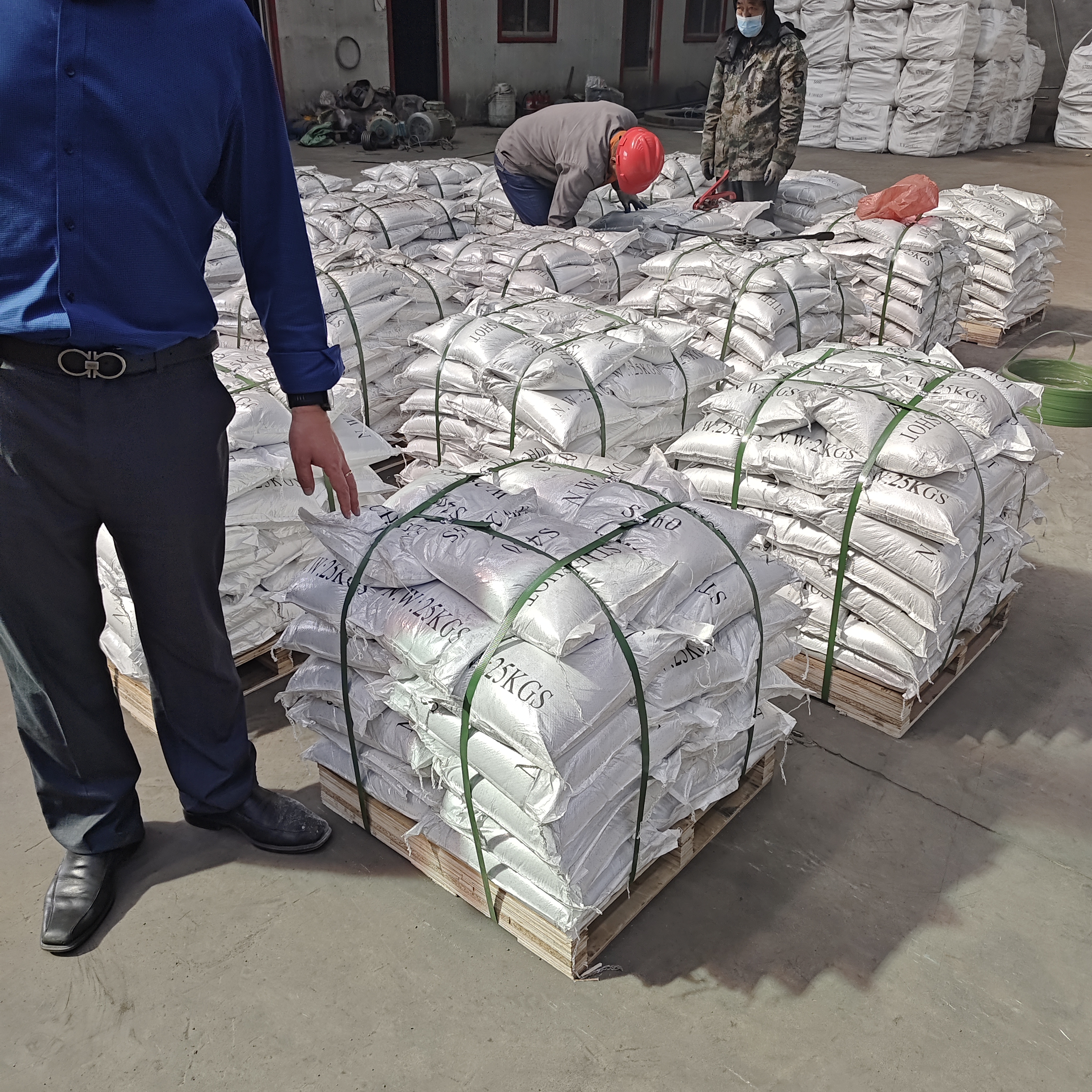
• Loading photos, batch labels and inspection records are available to support shipment traceability.
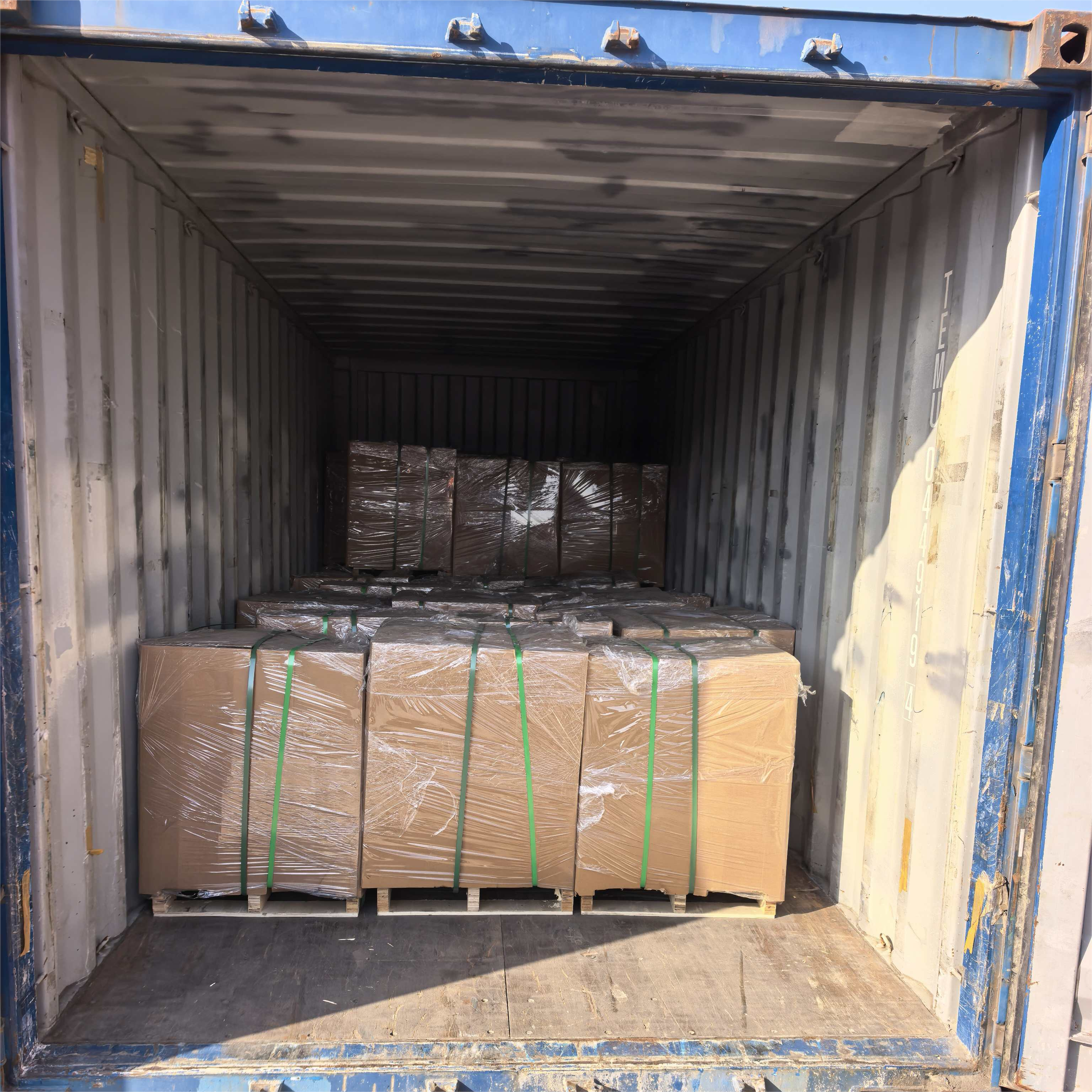
• Select it when ordinary steel shot is not strong enough for thick rust, heavy oxide scale or aged coating removal.
• Yes. Its higher hardness provides stronger impact cleaning and a higher surface profile.
• It is mainly recommended for heavier workpieces. Thin plates should be checked carefully to avoid excessive impact marks.
• S280-S390 are common for heavy steel structures, while S390-S460 are often selected for castings and thicker rust layers.
• COA, hardness record, sieve analysis and batch traceability information can be provided according to order requirements.
Contact SEPPE for size selection, hardness requirement, COA, samples, packaging and bulk order support.
Request a Quote