| Quantity: | |
|---|---|
1-3mm, 3-5mm
SEPPE BAUXITE
25083000
▸ Premium high‑alumina shaft‑kiln calcined bauxite aggregate, engineered for high‑duty fire bricks. Supplied in precisely sized 1‑3 mm and 3‑5 mm fractions for optimal particle packing and excellent hot strength.
★ High Alumina ★ Bulk Density ≥3.00 g/cm³ ★ Low Porosity
★ Optimised Grain Size: 0-1mm,1-3mm & 3-5mm
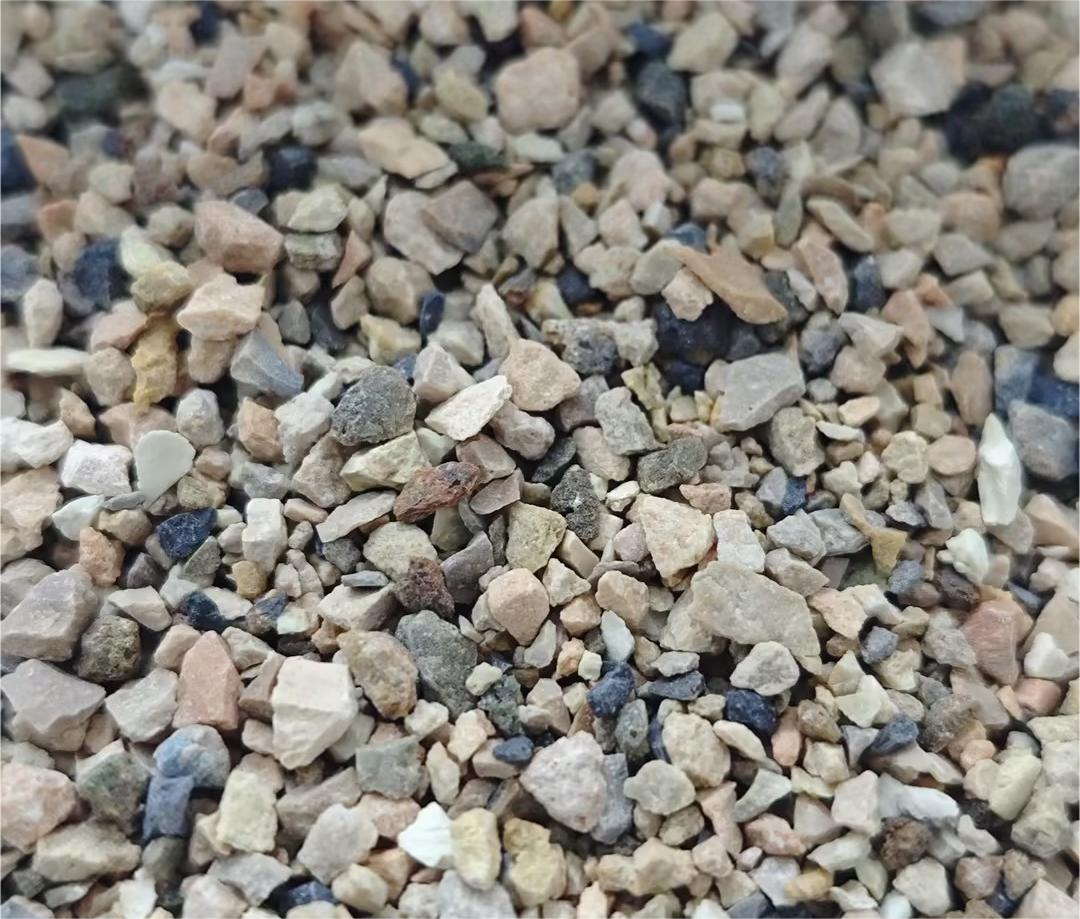
▸ SEPPE high alumina calcined bauxite is manufactured from select raw bauxite ores, calcined at high temperature in a vertical shaft kiln to achieve a dense, stable ceramic structure with Al₂O₃ content of 85% minimum. After calcination, the material is crushed and screened into clean, angular grains. The 1‑3 mm and 3‑5 mm fractions are designed specifically as coarse and medium aggregate for the production of high‑alumina fire bricks, roof bricks, ladle bricks, and shaped products that must withstand severe thermal, mechanical and chemical loads. The combination of high purity, low porosity and consistent sizing gives brickmakers the reliability needed for demanding furnace lining applications.

▸ The vertical shaft kiln process ensures thorough, uniform calcination that is essential for high‑alumina brick aggregate:
Complete Sintering — grains are heated evenly throughout, achieving bulk density ≥3.00 g/cm³ and apparent porosity below 5%, which directly translates to lower brick porosity and higher cold crushing strength.
High Purity Preservation — the stable calcining atmosphere maintains Al₂O₃ ≥85% and keeps alkali (K₂O+Na₂O) and alkaline‑earth (CaO+MgO) impurities at very low levels, preserving refractoriness under load.
Sharp, Angular Grain — crushing after calcination produces angular particles that improve green brick consolidation and mechanical interlock during pressing.
Consistent Sizing — rigorous screening with tight tolerances (0-1mm,1‑3 mm, 3‑5 mm) eliminates fines contamination and ensures predictable brick formulations, batch after batch.
▸ XRF Chemical Analysis — Al₂O₃, Fe₂O₃, TiO₂, SiO₂, CaO, MgO, K₂O, Na₂O verified per lot
▸ Sieve Analysis — each fraction is certified with a full gradation report to guarantee 1‑3 mm and 3‑5 mm compliance
▸ Bulk Density & Apparent Porosity — tested by Archimedes method; targets ≥3.00 g/cm³ and ≤5% porosity
▸ Moisture Content — dried to ≤0.3% to avoid caking and ensure free‑flowing hopper discharge
▸ Crushing & Thermal Shock Tests — selective checks on fired brick specimens to confirm aggregate performance
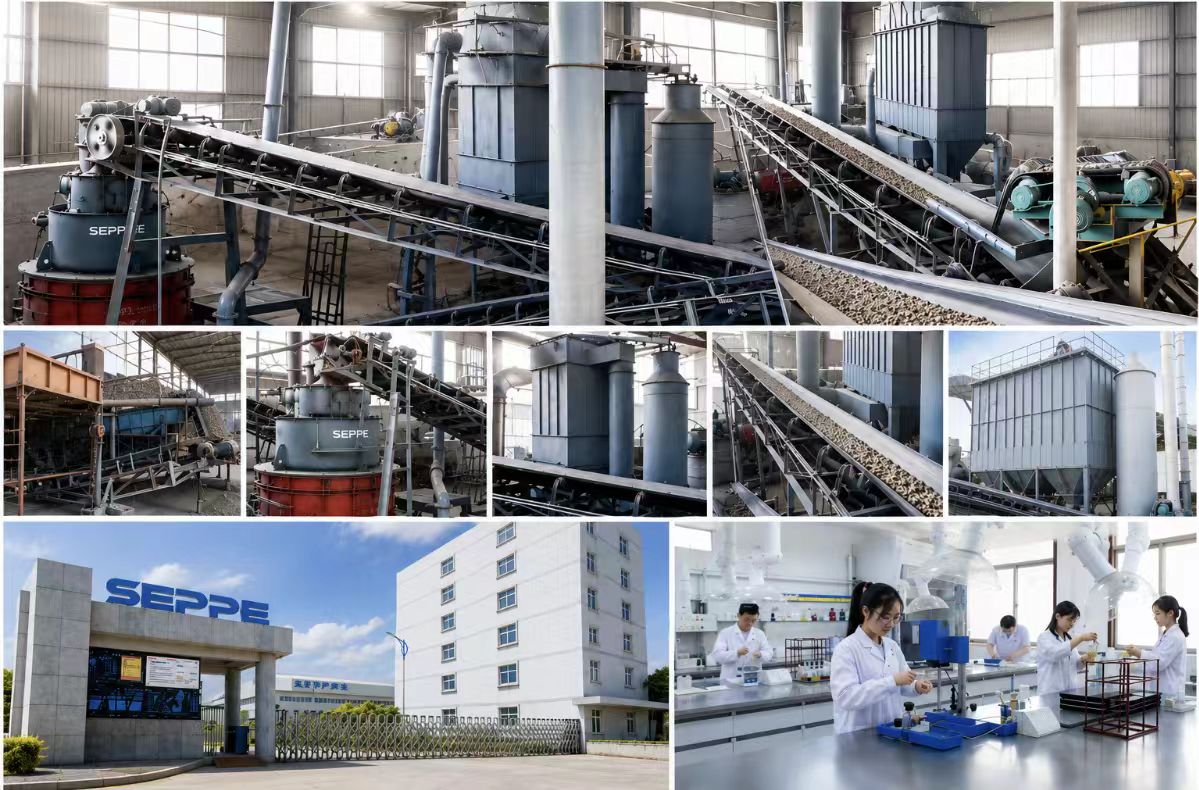
On-site laboratory at SEPPE processing facility
▸ Superior Refractoriness: With Al₂O₃ ≥85% and low flux content, the aggregate retains high pyrometric cone equivalent (≥1770℃) and resists deformation under load at elevated temperatures.
▸ High Bulk Density, Low Porosity: Dense grains (BD ≥3.00 g/cm³, AP ≤5%) reduce gas penetration and slag erosion in the brick matrix, significantly extending lining life.
▸ Excellent Size Consistency: The 1‑3 mm and 3‑5 mm fractions are manufactured with minimal oversize/undersize, allowing precise control of the Andreasen packing curve for maximum pressed density.
▸ High Hot Strength: The angular grain shape and sintered microstructure contribute to high hot modulus of rupture (HMOR) and thermal shock resistance in fired bricks.
▸ Cost-Effective Performance: Offers a compelling balance between the extreme purity of fused alumina and the lower cost of ordinary bauxite, making it a preferred choice for high‑duty fire brick producers.
▸ HIGH‑ALUMINA FIRE BRICKS (0-1mm,1‑3 mm & 3‑5 mm AGGREGATE)
Used as the intermediate and coarse fraction in pressed bricks for blast furnace stoves, electric arc furnace roofs, ladle linings, tundish backups, and cement rotary kiln transition zones. The 1‑3 mm particles act as medium aggregate; the 3‑5 mm fraction provides the skeletal framework.
▸ LADLE & TUNDISH LINING BRICKS
High‑density aggregate improves slag resistance and thermal spalling resistance in steelmaking vessels, where frequent temperature cycling is typical.
▸ CEMENT KILN ALUMINA BRICKS
Withstand alkali attack and abrasion in the clinker burning zone and cooler areas, delivering a long service life under harsh operating conditions.
▸ GLASS TANK CHECKER BRICKS
The low porosity and high purity reduce glassy phase formation and ensure stable regenerator performance.
▸ REFRACTORY CASTABLES & RAMMING MIXES
The same sized grains are also used in high‑alumina low‑cement castables and dry ramming mixes for induction furnace linings and other monolithic applications.
| Chemical Composition (Typical) | |
| Al₂O₃ | ≥ 85% (typical 85‑90%) |
| Fe₂O₃ | ≤ 2.0% |
| TiO₂ | 2.5 - 4.0% |
| SiO₂ | 4 - 8% |
| CaO + MgO | ≤ 0.5% |
| K₂O + Na₂O | ≤ 0.3% |
| Physical Properties (1‑3 mm & 3‑5 mm fractions) | |
| Grain Shape | Angular, sub‑angular |
| Available Fractions | 1‑3 mm, 3‑5 mm (other custom cuts on request) |
| Bulk Density | ≥ 3.00 g/cm³ |
| Apparent Porosity | ≤ 5% |
| Water Absorption | ≤ 1.5% |
| Moisture Content | ≤ 0.3% |
| Refractoriness | ≥ 1770℃ |
| Appearance | Grey to dark brown angular grit |
| Grade | Al₂O₃ Min | Bulk Density Min | Recommended Fire Brick Application |
| HA‑85 | 85% | 3.00 g/cm³ | General high‑alumina bricks, ladle linings, cement kiln bricks |
| HA‑88 | 88% | 3.05 g/cm³ | EAF roof bricks, hot‑blast stove checker bricks, glass tank blocks |
▸ SEPPE operates its own bauxite mines and shaft kilns, giving us full control over the entire production chain—from raw ore selection to final screening. This vertical integration guarantees that our high‑alumina aggregate consistently meets the strictest chemical and physical specifications. Every batch of 1‑3 mm and 3‑5 mm grit is analysed for Al₂O₃, density, porosity, and particle size, ensuring your fire brick formulation delivers the same pressed density, firing shrinkage, and hot properties shipment after shipment.
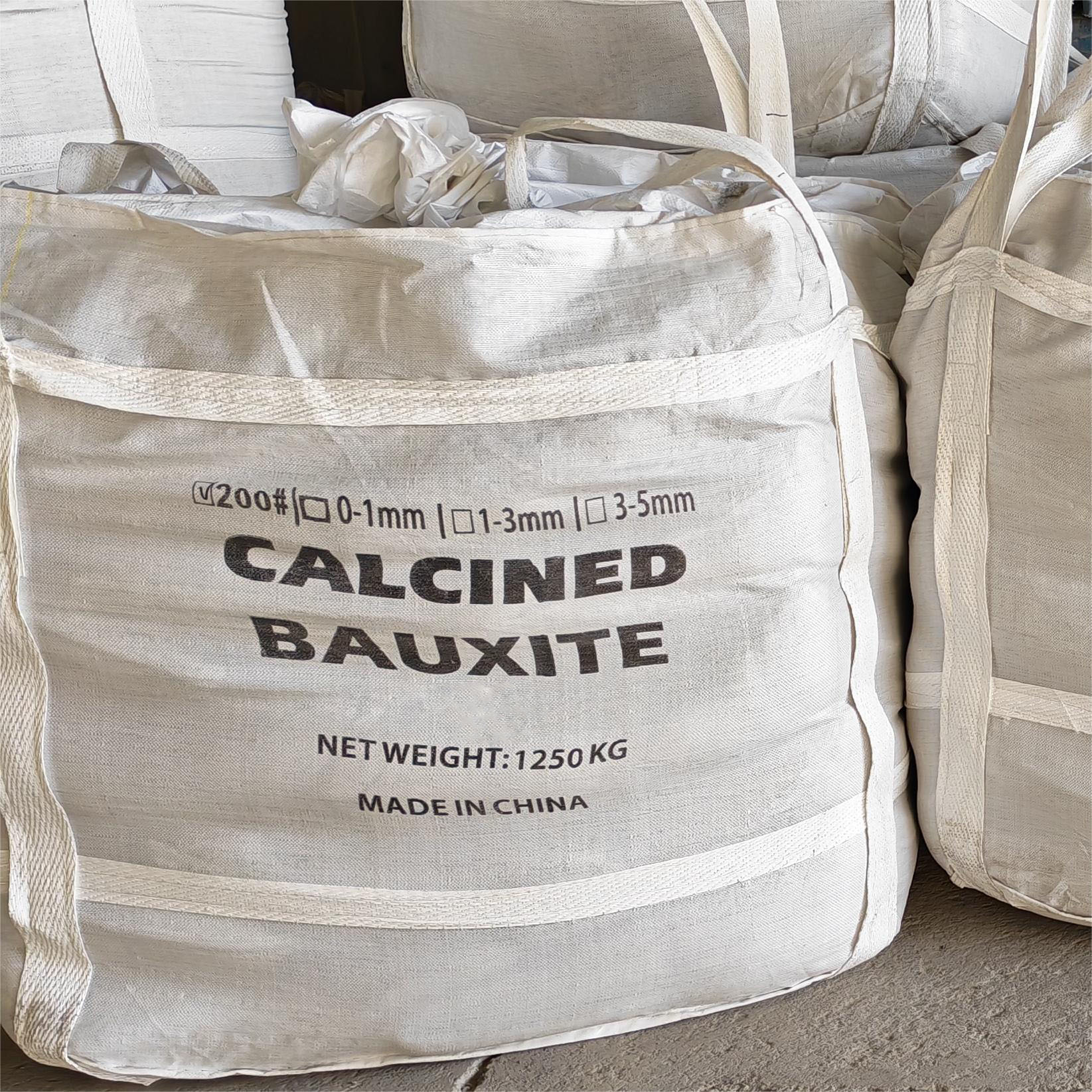
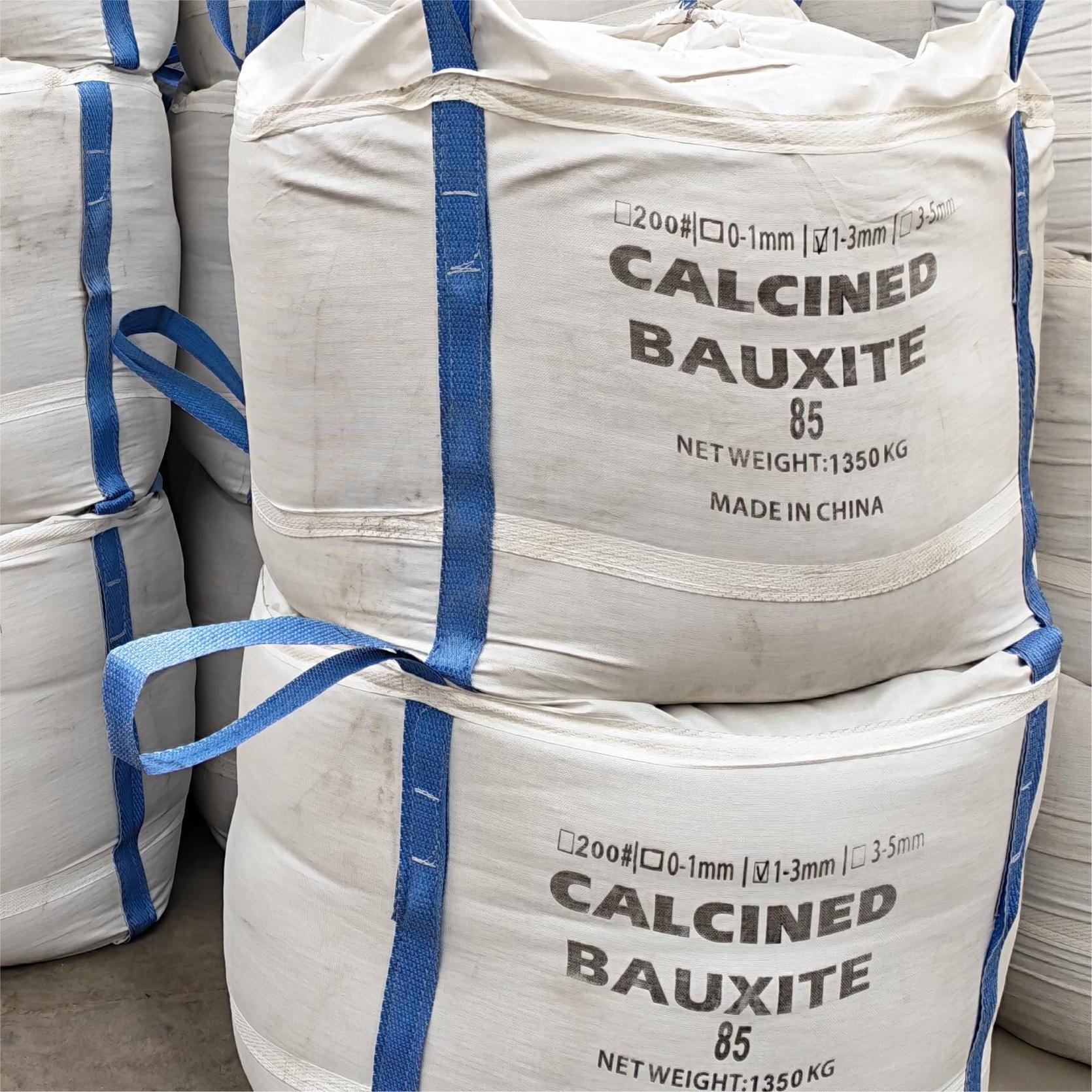
▸ With over 40 countries supplied, we provide dependable logistics, flexible packaging (25 kg bags to 1.5 MT bulk bags), and comprehensive technical support including TDS, SDS, sieve analysis certificates, and brick trial samples.
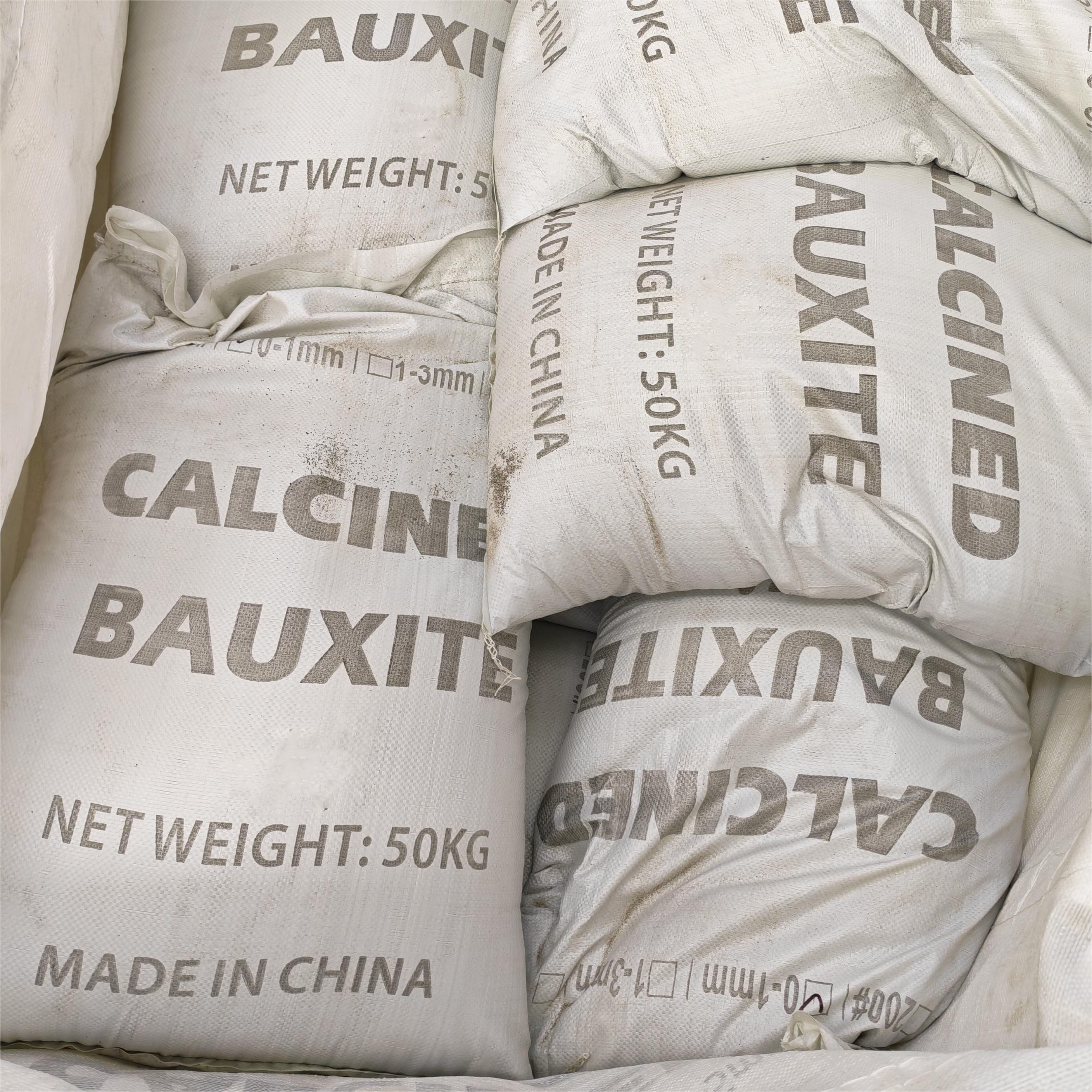
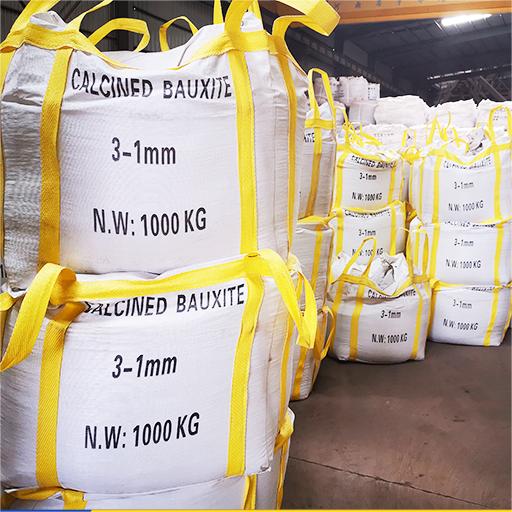
▸ 25 kg multi‑wall paper bags, 50 kg bags, 1 MT / 1.5 MT jumbo bags
▸ 20' FCL: approx 25‑27 MT (palletized or bulk bags)
▸ Private labeling and custom packaging available
▸ These two fractions form the coarse and medium aggregate skeleton in typical Andreasen or Dinger‑Funk packing models for refractory bricks. Combined with a fine fraction (such as 0‑0.5 mm powder), they produce maximum pressed density and optimum green strength. Other sizes (e.g., 0‑1 mm, 5‑8 mm) can be supplied on request.
▸ We guarantee a minimum Al₂O₃ content of 85%, with typical values between 85% and 90%. This is significantly above standard refractory bauxite (75‑80%) and provides substantially better refractoriness, slag resistance, and hot modulus of rupture.
▸ Through high‑temperature shaft kiln calcination and rigorous quality control. We measure apparent porosity by the Archimedes method on every batch; values are consistently ≤5%, often in the 3‑4% range for the HA‑88 grade.
▸ Absolutely. The 1‑3 mm and 3‑5 mm grains are ideal coarse aggregate for high‑alumina low‑cement and ultra‑low‑cement castables. Their angular shape and high density promote good flow and high fired strength.
▸ Each delivery includes a detailed test certificate covering chemical analysis (Al₂O₃, Fe₂O₃, etc.), particle size distribution, bulk density, apparent porosity, and moisture. TDS, SDS and SGS/Intertek reports are also available.
▸ Yes. We offer free laboratory samples of both 1‑3 mm and 3‑5 mm fractions for pressing and firing tests. Technical support for brick recipe optimisation is also available upon request.
▸ Contact SEPPE for: • Free brick‑trial samples • TDS / SDS / Sieve reports • OEM packaging • Container & bulk pricing
Request a Quote