| Quantity: | |
|---|---|
1-3mm
SEPPE BAUXITE
▸ Technically advanced, homogenized and calcined bauxite aggregate with superior consistency, ultra-low porosity, and high density for demanding refractory applications.
★ Homogenized Process ★ Ultra-Low Porosity
★ High Density & Consistency ★ Al₂O₃ 75-88%

▸ Homogenized bauxite aggregate is a technically advanced refractory raw material. Unlike traditional calcined bauxite which depends entirely on the natural consistency of raw ore, our homogenized aggregate is produced through a controlled wet process. Multiple bauxite sources are finely ground, thoroughly blended into a homogeneous slurry, dewatered, vacuum extruded into dense billets, and then calcined at high temperature. This "homogenization before calcination" approach delivers aggregate with exceptional chemical uniformity, ultra-low apparent porosity, higher bulk density, and superior hot strength — making it ideal for high-performance refractory castables and bricks where consistency and reliability are critical.
① Fine Wet Grinding
Raw bauxite ores ground into fine slurry for thorough mixing
② Deep Homogenization
Continuous stirring in large homogenization silos for chemical uniformity
③ Vacuum Extrusion
Dewatered and extruded into dense billets with minimal porosity
④ High-Temperature Calcination
Sintered in kiln to form dense, stable mullite-corundum phases
▸ The homogenization process delivers key advantages over standard calcined bauxite:
Exceptional Chemical Uniformity — the homogenized slurry ensures every billet, and every grain, has identical chemistry, eliminating batch-to-batch variability.
Ultra-Low Porosity — vacuum extrusion creates dense billets that, after calcination, result in aggregate with extremely low apparent porosity (typically ≤1%), minimizing slag penetration.
Superior Hot Strength — the dense, uniform microstructure provides higher hot modulus of rupture (HMOR) in finished refractory products.
Efficient Resource Utilization — allows use of medium and low-grade ores while delivering premium performance, supporting sustainable supply.
▸ XRF Chemical Analysis — every batch tested for Al₂O₃, Fe₂O₃, TiO₂, CaO, MgO, K₂O, Na₂O
▸ Bulk Density & Apparent Porosity — measured to confirm ultra-low porosity and high density
▸ Particle Size Distribution — laser diffraction and sieve analysis for precise grading
▸ Magnetic Separation Inspection — removal of iron contamination to maintain chemical purity
▸ Batch Traceability — full documentation from raw ore blending to shipment
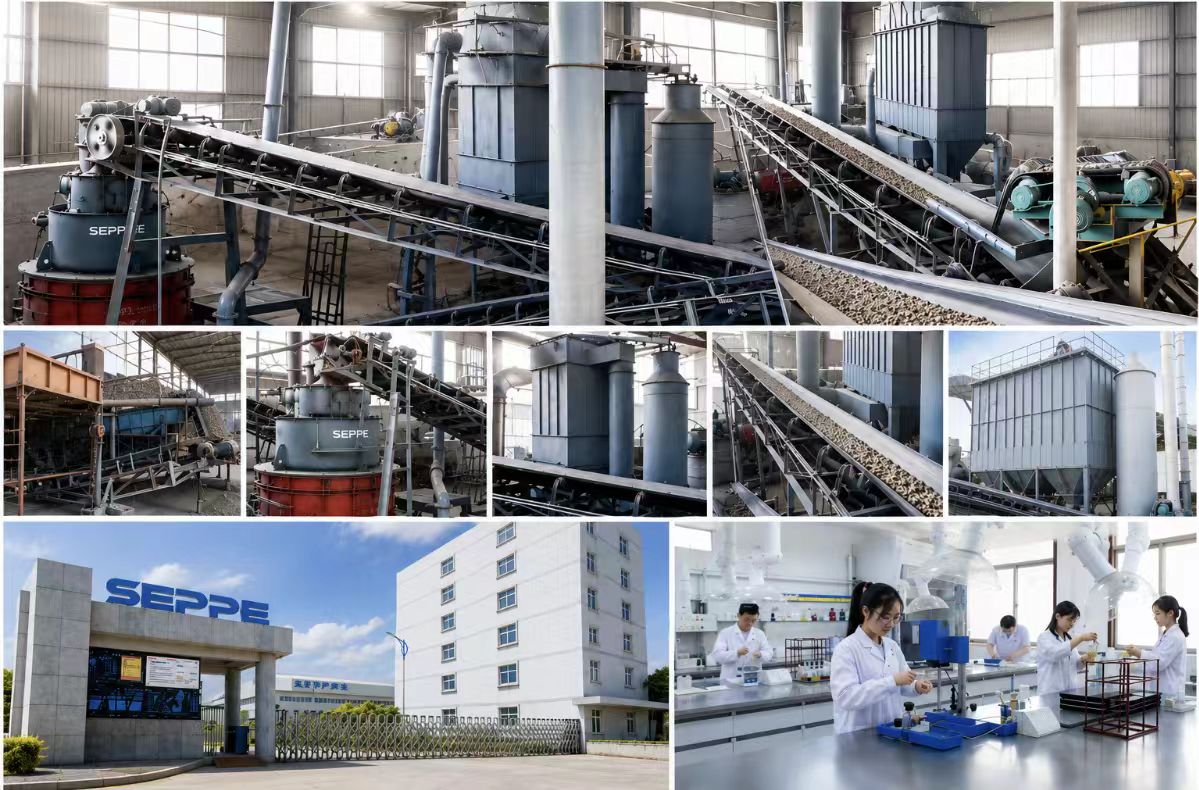
On-site laboratory at SEPPE processing facility
▸ Highly Consistent Chemistry — homogenized slurry ensures exceptional batch-to-batch and grain-to-grain uniformity for reliable refractory performance.
▸ Ultra-Low Apparent Porosity — dense microstructure with primarily closed pores minimizes slag and metal penetration, extending lining life.
▸ Superior Hot Strength — higher hot modulus of rupture (HMOR) makes it ideal for demanding high-temperature load-bearing applications.
▸ Sustainable Resource Use — ability to utilize a wider range of bauxite ores supports long-term supply stability and environmental goals.
▸ Uniform Appearance — consistent dark grey color for quality assurance and professional finished product presentation.
▸ High-performance refractory castables for blast furnace troughs and runners
▸ Steel ladle working linings requiring high hot strength and slag resistance
▸ Precision investment casting shell systems requiring consistent chemistry
▸ Kiln furniture and specialty ceramic shapes
| Chemical Composition | |
| Al₂O₃ | 75 - 88% |
| TiO₂ | 2 - 3% |
| SiO₂ | 8 - 20% |
| Fe₂O₃ | ≤ 2.0% |
| CaO | ≤ 0.4% |
| MgO | ≤ 0.3% |
| K₂O + Na₂O | ≤ 0.5% |
| Physical Properties | |
| Shape | Angular |
| Bulk Density | ≥ 3.15 g/cm³ |
| Apparent Porosity | ≤ 1.0% |
| Specific Gravity | ≥ 3.75 g/cm³ |
| Hardness | 7.5 - 9.0 Mohs |
| Refractoriness | ≥ 1770℃ |
| LOI | ≤ 0.3% |
| Grade | Al₂O₃ Content | Main Application |
| Standard Homogenized | 75-80% | General purpose castables, backup linings |
| High Alumina Homogenized | 85% | Blast furnace troughs, ladle linings, kiln furniture |
| Premium Homogenized | 87-88% | Critical high-temperature zones, specialty ceramics, superalloy casting |
▸ SEPPE's homogenized bauxite aggregate is manufactured through a fully integrated process — from controlled raw material blending and wet grinding to vacuum extrusion and high-temperature calcination. Our advanced laboratory monitors chemical uniformity and physical properties at every stage, ensuring that each shipment delivers the superior consistency, ultra-low porosity, and high hot strength that demanding refractory applications require.
▸ With established supply to over 40 countries and dedicated technical support, SEPPE helps refractory manufacturers and end-users achieve longer lining life, reduced downtime, and predictable performance. Flexible packaging, private labeling, and OEM services are available.
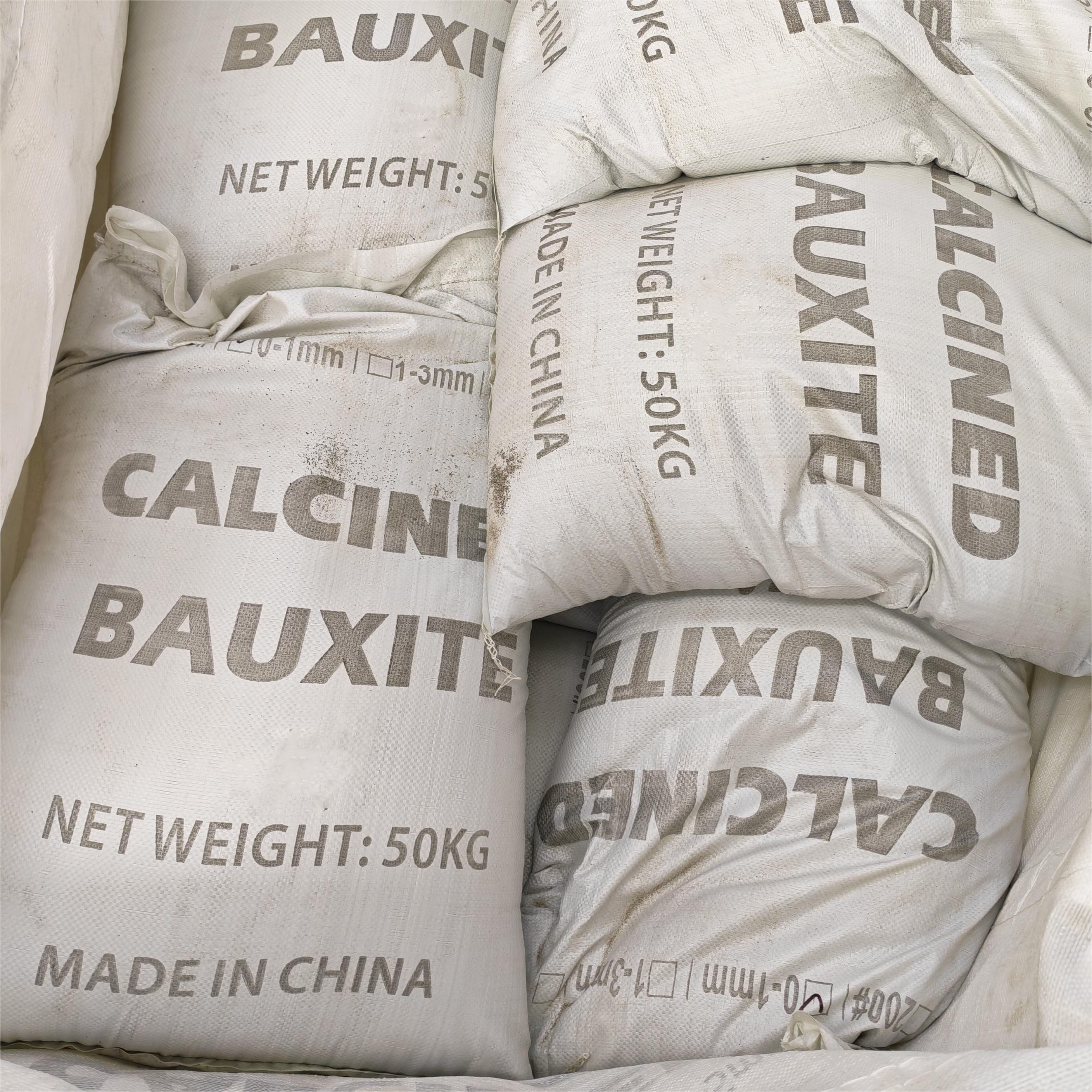
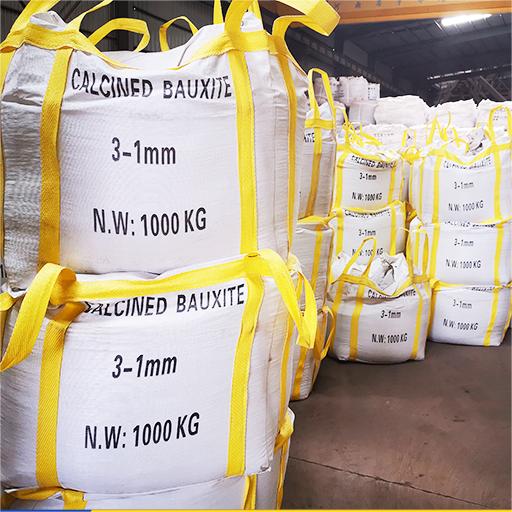
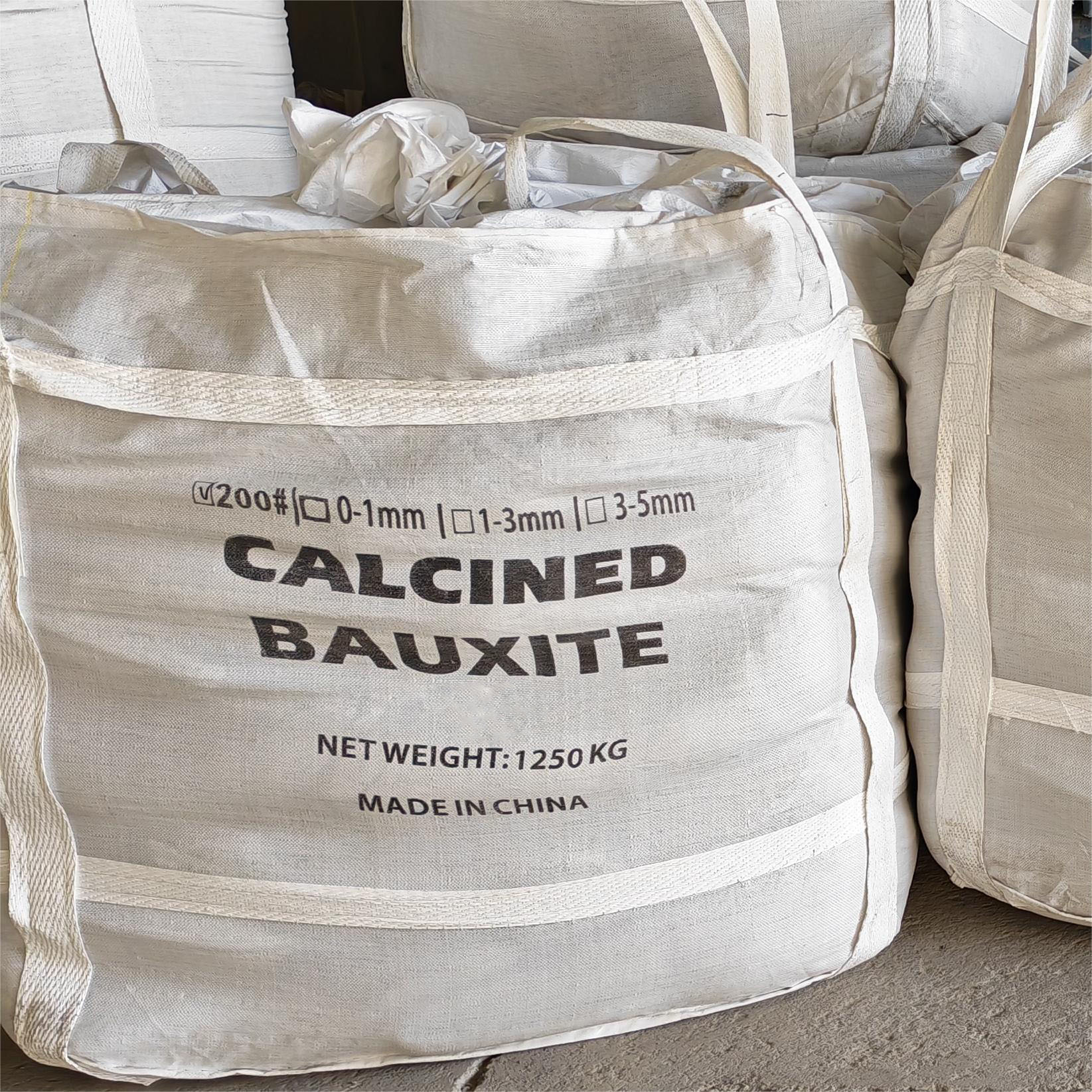
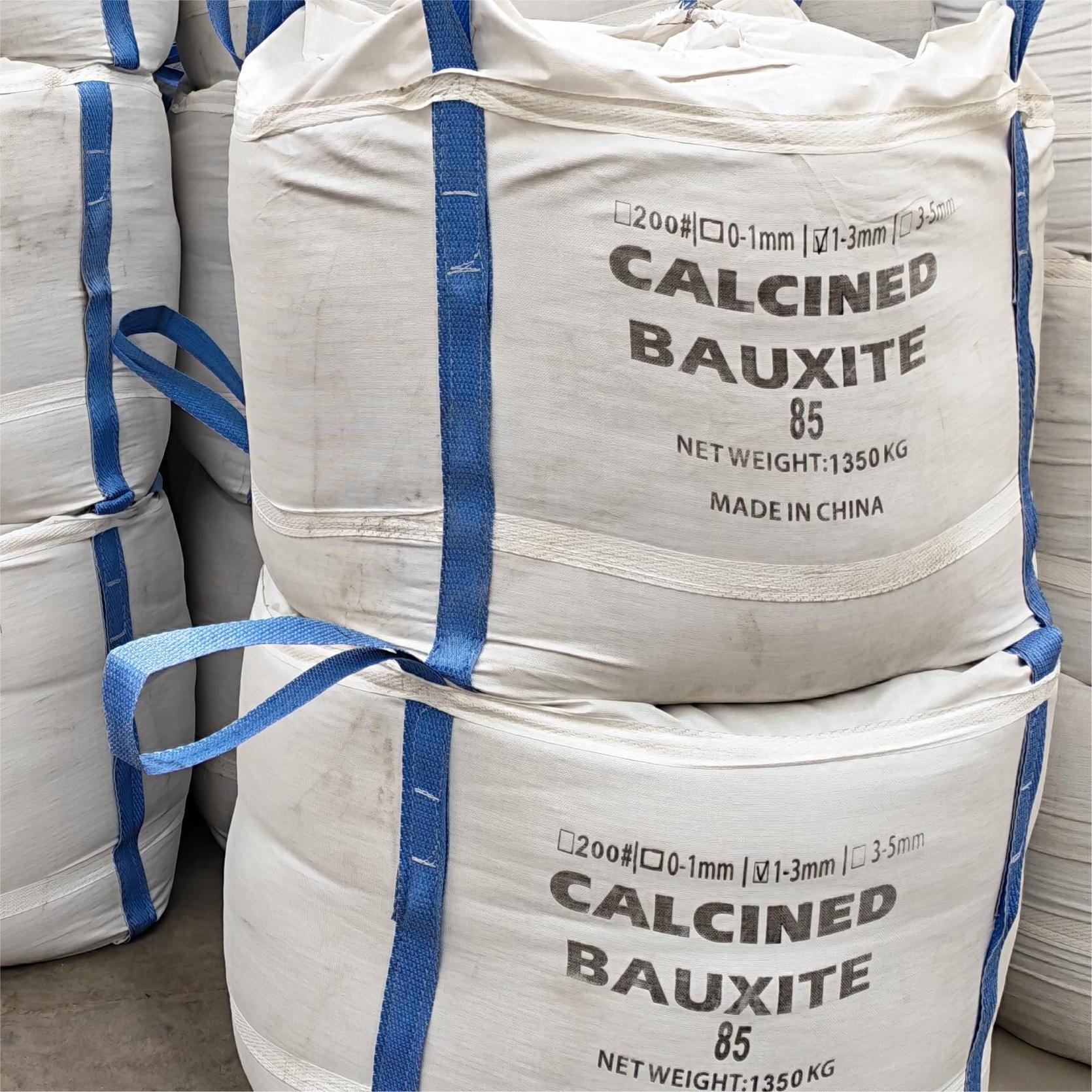
▸ 50 kg bags, 1 MT, 1.25 MT or 1.35 MT jumbo bags
▸ 20' FCL: approx 25-27 MT
▸ Private labeling and custom packaging available
▸ Standard calcined bauxite is made by directly calcining raw ore, so its properties depend on the natural consistency of the ore. Homogenized bauxite goes through an additional wet mixing, extrusion, and forming process before calcination, ensuring exceptional chemical uniformity and ultra-low porosity from batch to batch.
▸ Lower apparent porosity means less slag and metal penetration, resulting in longer lining life, better thermal insulation, and higher hot strength. Our homogenized aggregate typically achieves ≤1% apparent porosity versus approximately 4% for standard bauxite.
▸ Yes. Free samples for lab evaluation, along with TDS, SDS, and SGS test reports are available upon request.
▸ Contact SEPPE for: • Free Samples • TDS / SDS Documents • OEM Packaging Options • Bulk Container Pricing
Request a Quote