loading
| Availability: | |
|---|---|
| Quantity: | |
S170 S280 S330 S390
72051000
SEPPE Low Carbon Steel Shot is a cast steel abrasive formulated with lower carbon content for high toughness, low breakage and long recycling life. Its resistance to cracking helps reduce dust and abrasive consumption, making it a practical choice for modern wheel-blast lines, thin-plate cleaning, precision castings and shot peening operations focused on stable total operating cost.
| Product | Low carbon cast steel shot |
| Main Sizes | S170, S230, S280, S330, S390, S460 |
| Other Names | Low carbon steel shot, long-life shot peening steel shot |
| Main Use | Shot peening, thin plate cleaning, precision casting cleaning and low-dust blasting |
| Manufacturer of Material | SEPPE TECHNOLOGIES |
• A long-life steel shot for customers who want very low breakage, lower dust and gentler impact on workpieces.
• Low carbon structure supports gradual abrasion instead of sudden cracking.
• Suitable for fatigue-critical shot peening and precision parts where surface damage must be controlled.
• Long service life: Service life can reach approx. 3300-3800 cycles under suitable working conditions.
• Low breakage: Consumed mainly by gradual abrasion instead of cracking, helping reduce dust.
• Gentle impact: Helps avoid dents on thin sheets, aluminum parts and precision components.
• Machine protection: Lower breakage helps reduce wear on blast wheels and spare parts.
| Main Sizes | S170 / S230 / S280 / S330 / S390 / S460 |
| Chemical Composition | C approx. 0.18%; Si >=0.32%; Mn approx. 0.54%; P approx. 0.022%; S approx. 0.015%; Cr approx. 0.45% |
| Hardness | HRC 40-50 |
| Density | >=7.4 g/cm3 |
| Apparent Density | Approx. 4.4 g/cm3 |
| Ervin Life Cycle | Approx. 3300-3800 cycles |
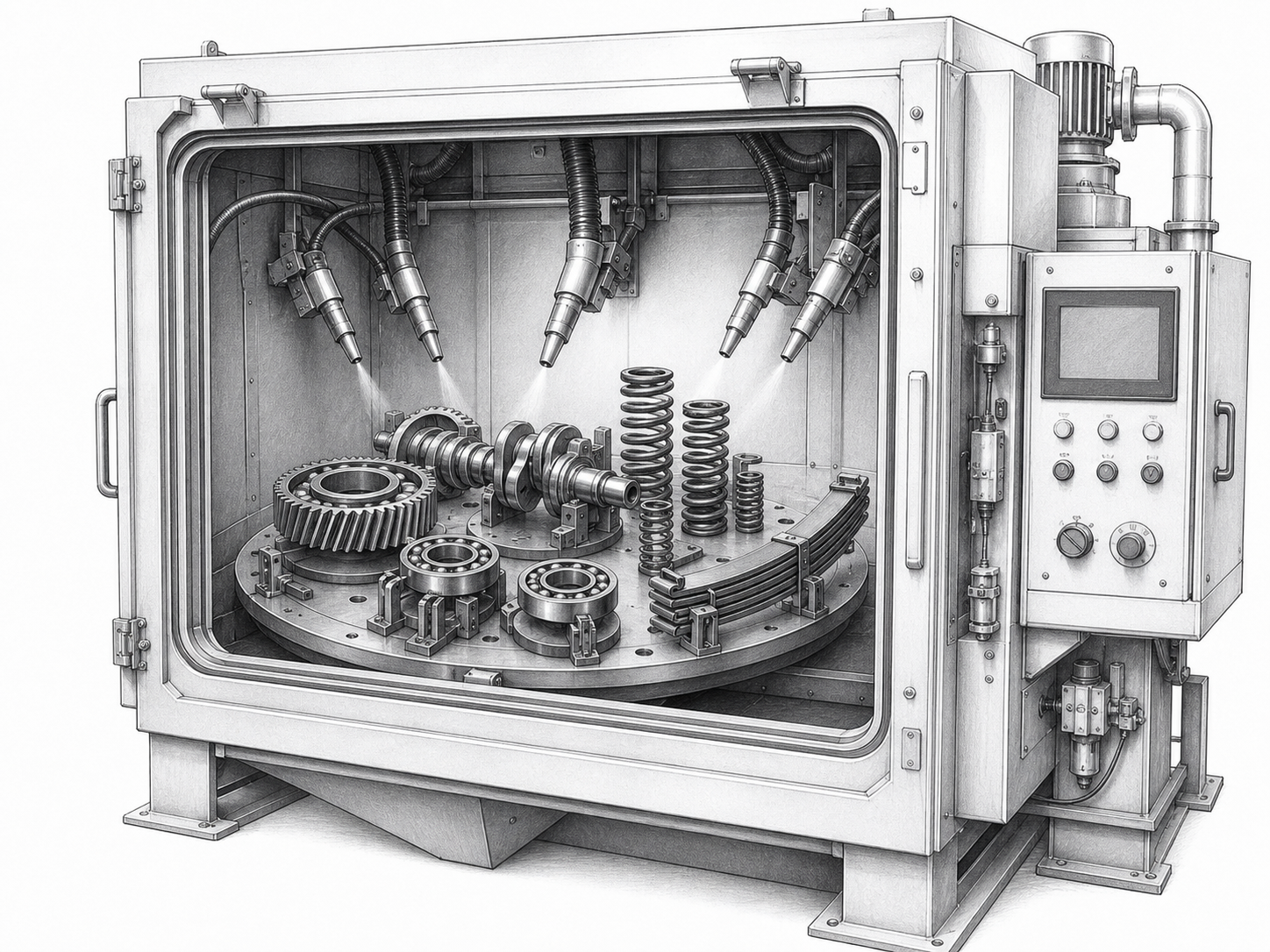
▸ Used for gears, springs, crankshafts, bearings and leaf springs requiring fatigue improvement.
▸ Low carbon structure supports gentle impact and stable peening intensity.
▸ Suitable for fatigue-critical parts where low breakage and process repeatability are important.
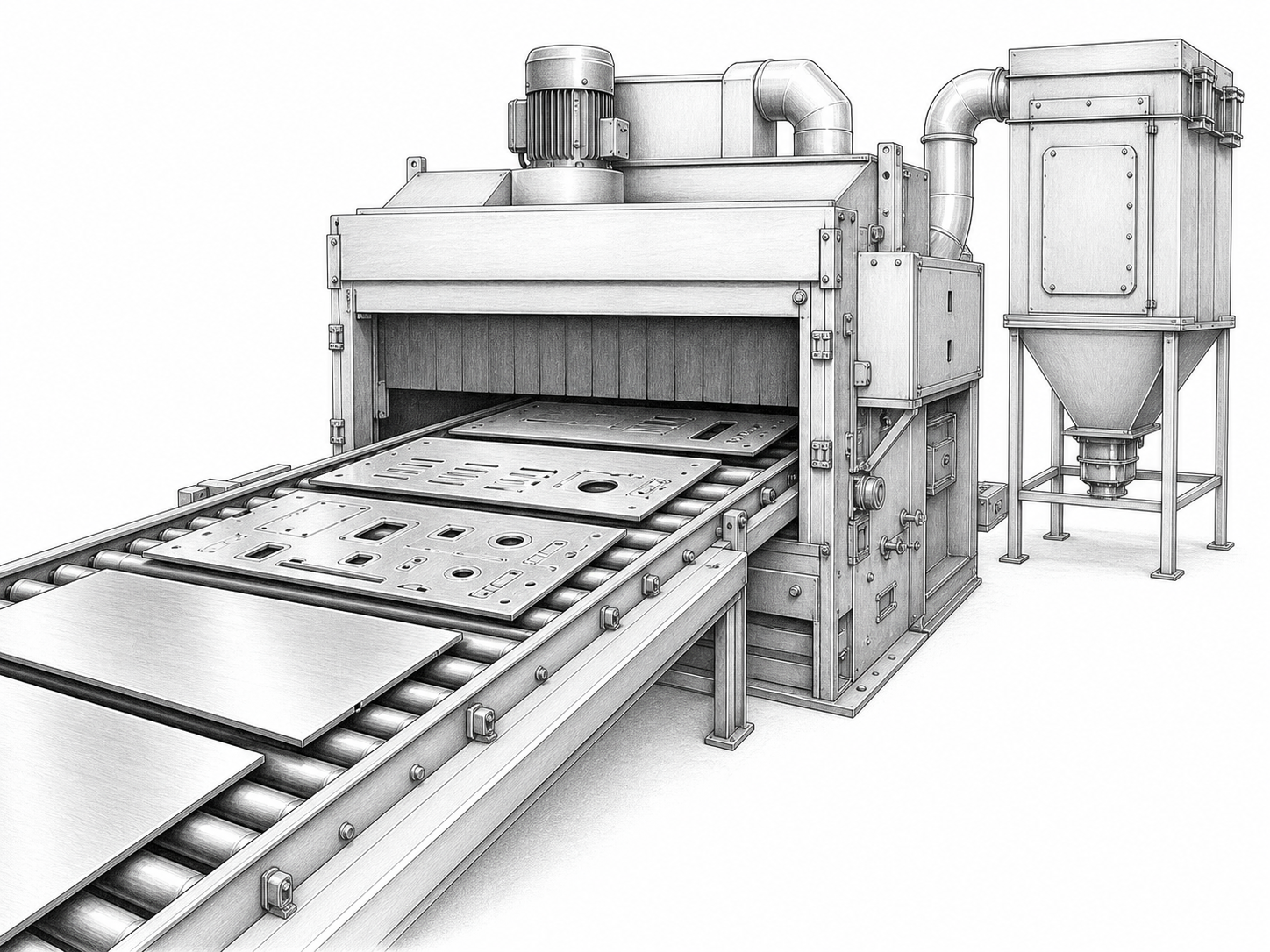
▸ Used for cold-rolled steel plates, galvanized sheets, aluminum stamping parts and container plates.
▸ Gentler impact helps reduce dents and surface damage on thinner workpieces.
▸ Suitable for low-dust blasting where workpiece protection is more important than maximum cutting force.
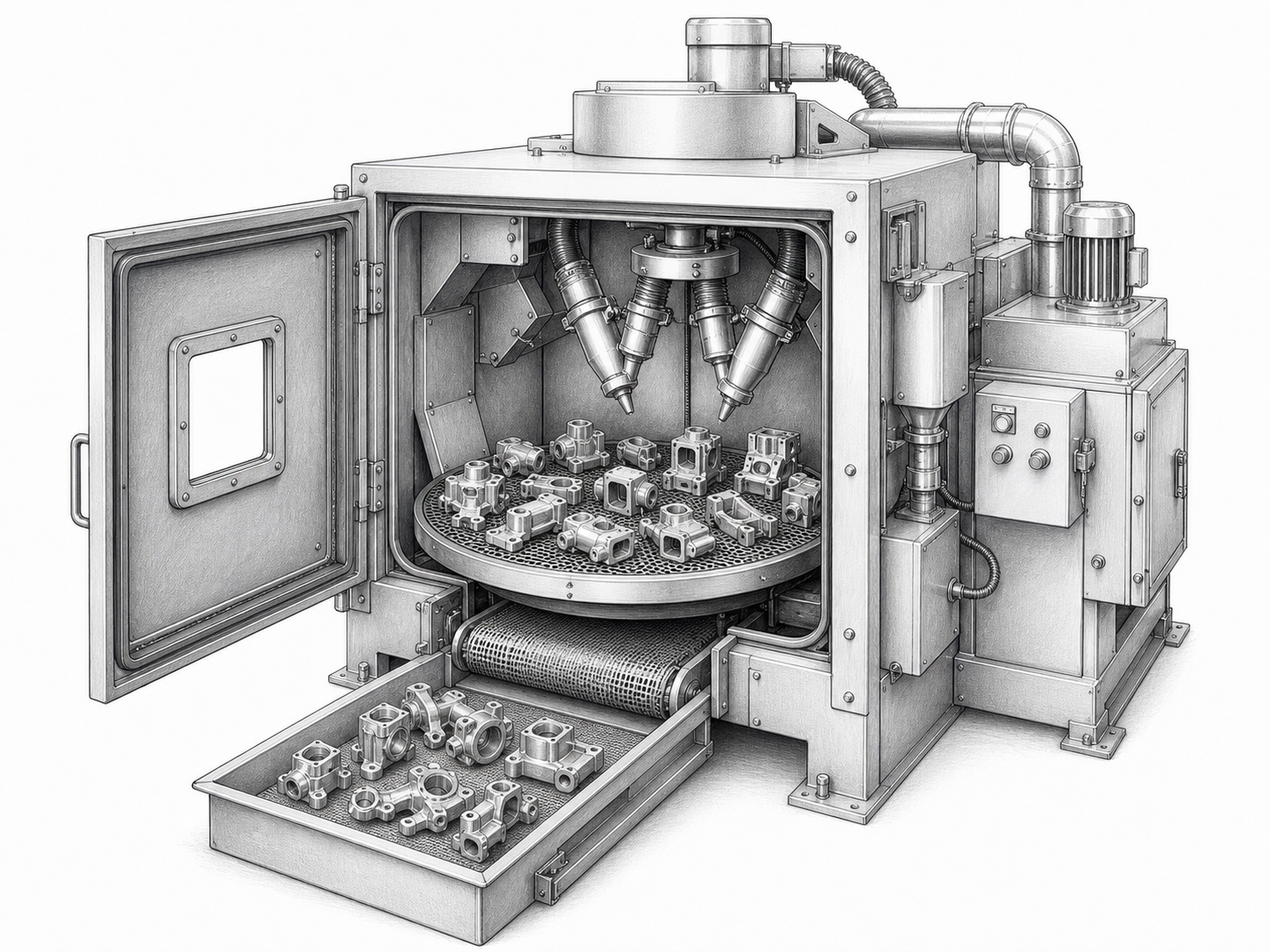
▸ Used for sand removal and deburring on aluminum castings and precision cast parts.
▸ Gradual abrasion and low breakage help protect fine casting details during cleaning.
▸ Suitable for customers who require lower dust, cleaner equipment and stable surface quality.
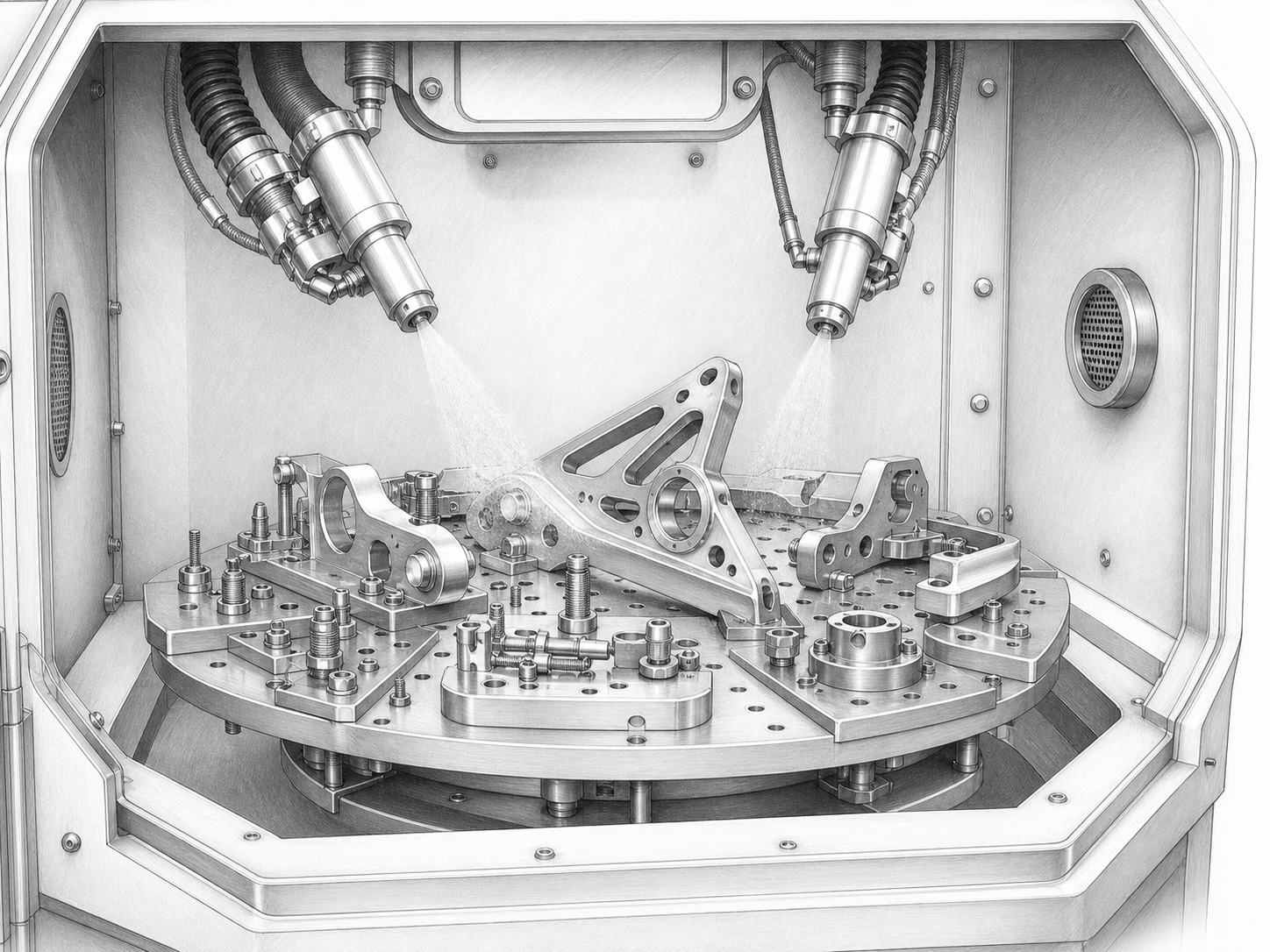
▸ Used for high-end hardware, machined parts and aerospace-related components.
▸ Controlled impact helps support clean finishing with less abrasive breakage.
▸ Suitable for applications where low dust, stable quality and workpiece protection are required.
• Choose low carbon steel shot when low dust, low breakage and long life are the main purchasing points.
• Use fine sizes for thin sheets and precision parts.
• Use medium sizes for shot peening and general cleaning where workpiece protection matters.
• Selected steel raw material - induction furnace melting - atomization - drying - screening - heat treatment - final screening - packaging.
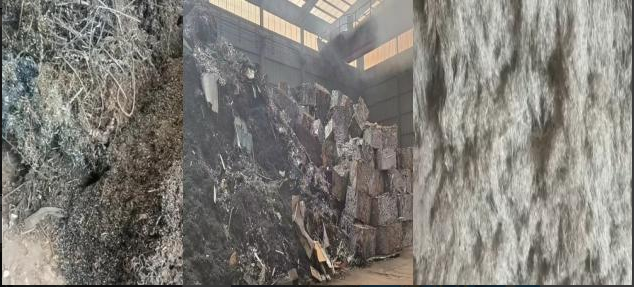 Raw material management
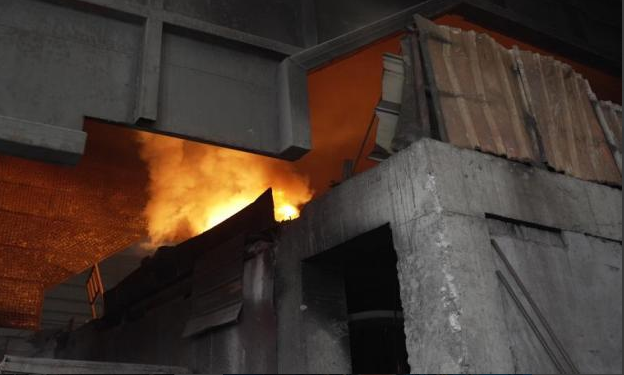 Induction furnace operation
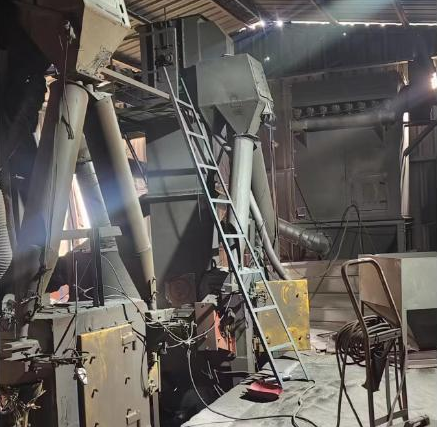 Heat treatment line
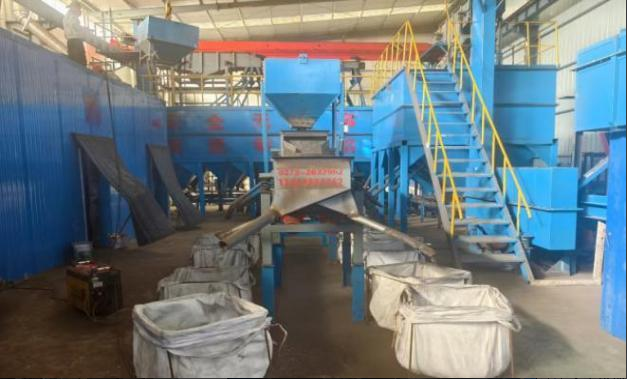 Screening & packaging line
▸ Each low carbon steel shot production lot can be tested for chemical composition, hardness, density, microstructure, particle size distribution and Ervin life cycle.
▸ Laboratory equipment includes an optical emission spectrometer, carbon-sulfur analyzer, metallographic sample preparation equipment, metallographic microscope, Vickers microhardness tester, sieve analysis equipment and Ervin fatigue life tester.
▸ COA, sieve analysis report, retained sample support and SGS pre-shipment inspection can be arranged according to order requirements.
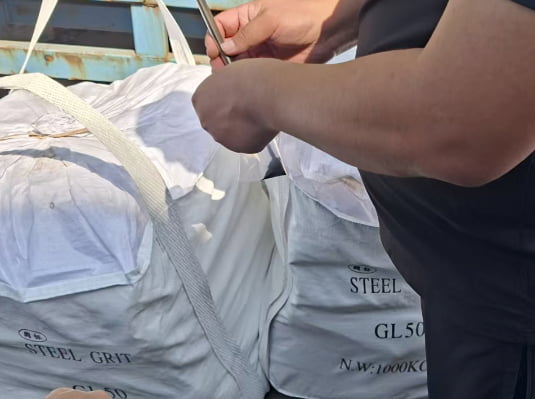
▸ Representative samples are collected from selected low carbon steel shot bags or jumbo bags before laboratory testing. Lot-based sampling supports batch traceability and avoids testing only material from the surface layer.
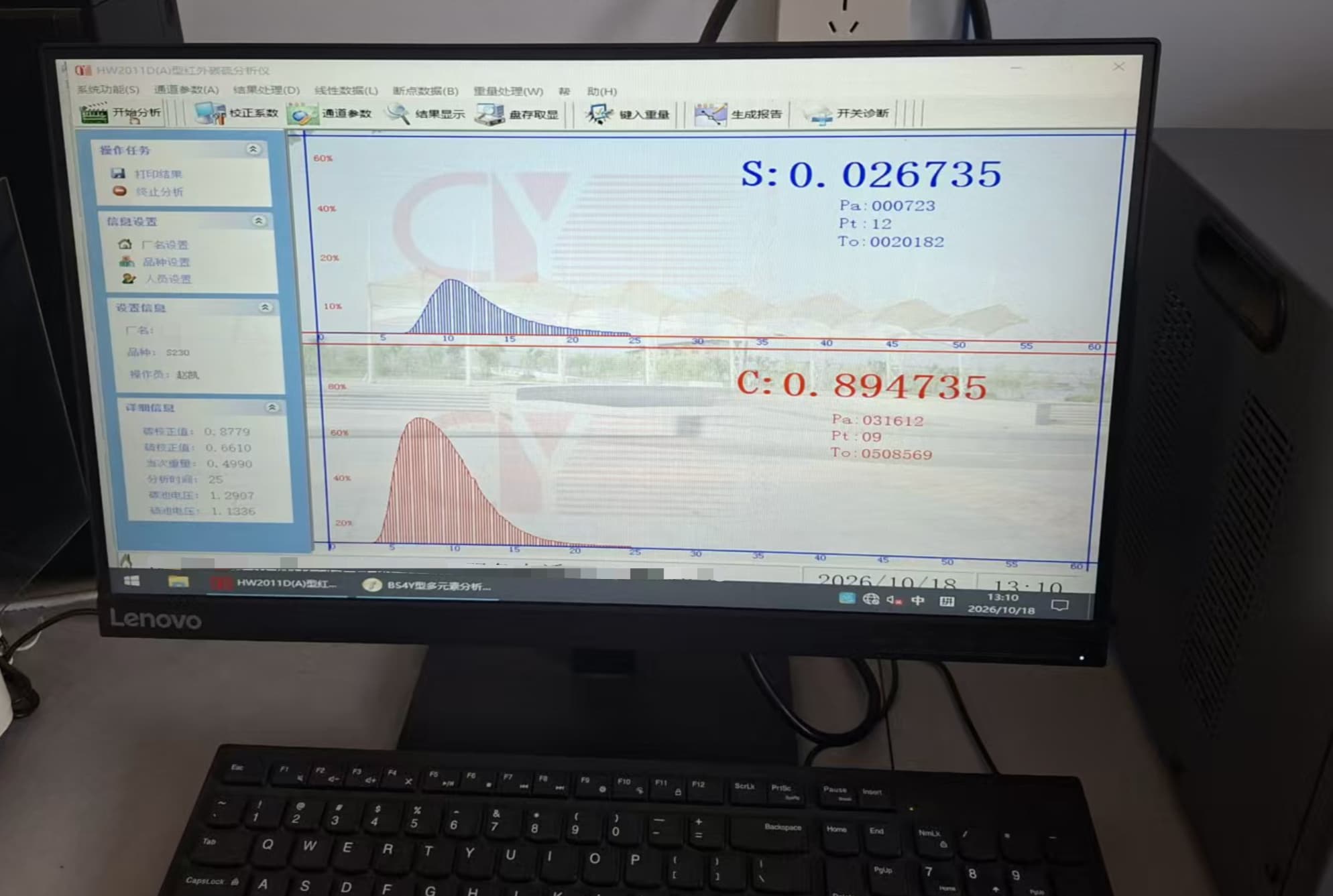
▸ Carbon and sulfur values are measured and recorded against the low carbon steel shot grade requirements. Carbon verification is especially important because the controlled lower-carbon composition distinguishes this product from conventional high-carbon cast steel shot.
▸ Abrasive particles are mounted and prepared as metallographic specimens. Microstructure observation and Vickers indentation testing are used to verify the tough low-carbon structure and batch-to-batch hardness consistency.


▸ Low carbon steel shot in jumbo bags and 25 kg bags is weighed before dispatch to verify nominal package weight, bag identification and loading records.


▸ Particle size distribution is verified separately by sieve analysis. Weight checks, sieve results and laboratory data can be linked to the batch COA and shipment inspection record.
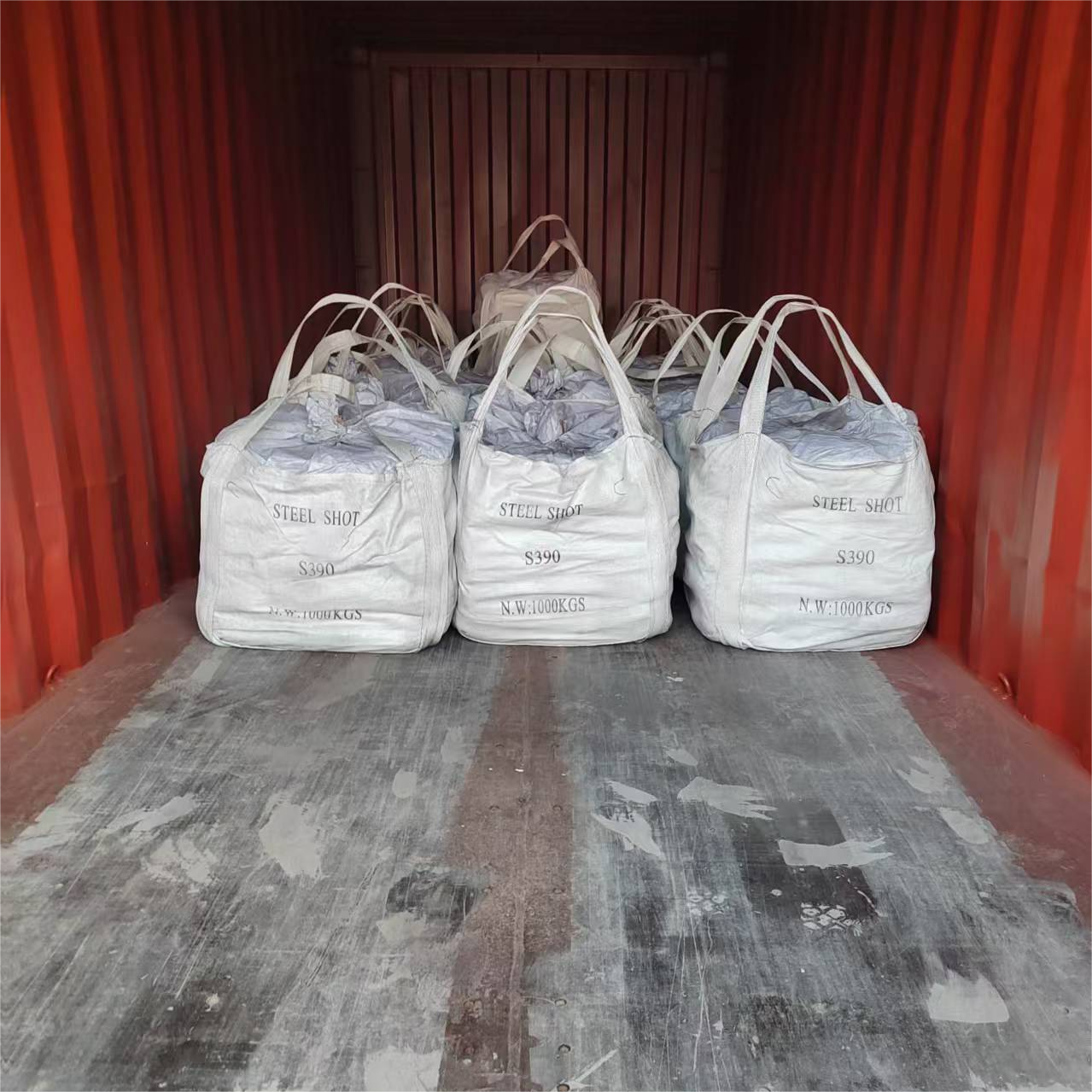
• Common packaging includes 25 kg bags, 1000 kg jumbo bags, palletized bags and customized export packaging. Bag marks and pallet protection can be arranged according to purchase requirements.
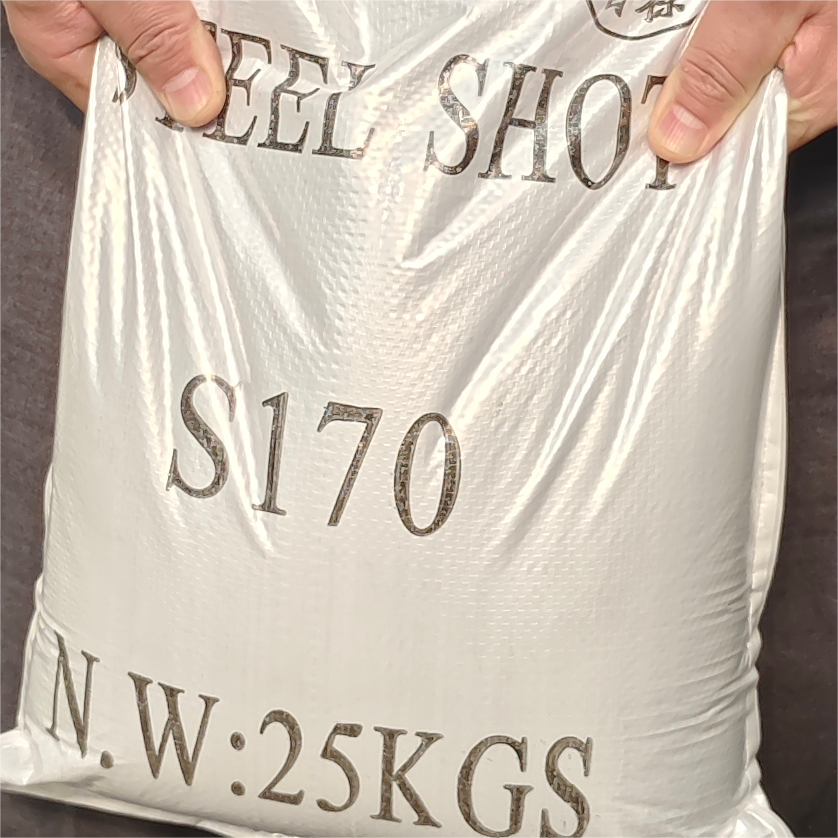
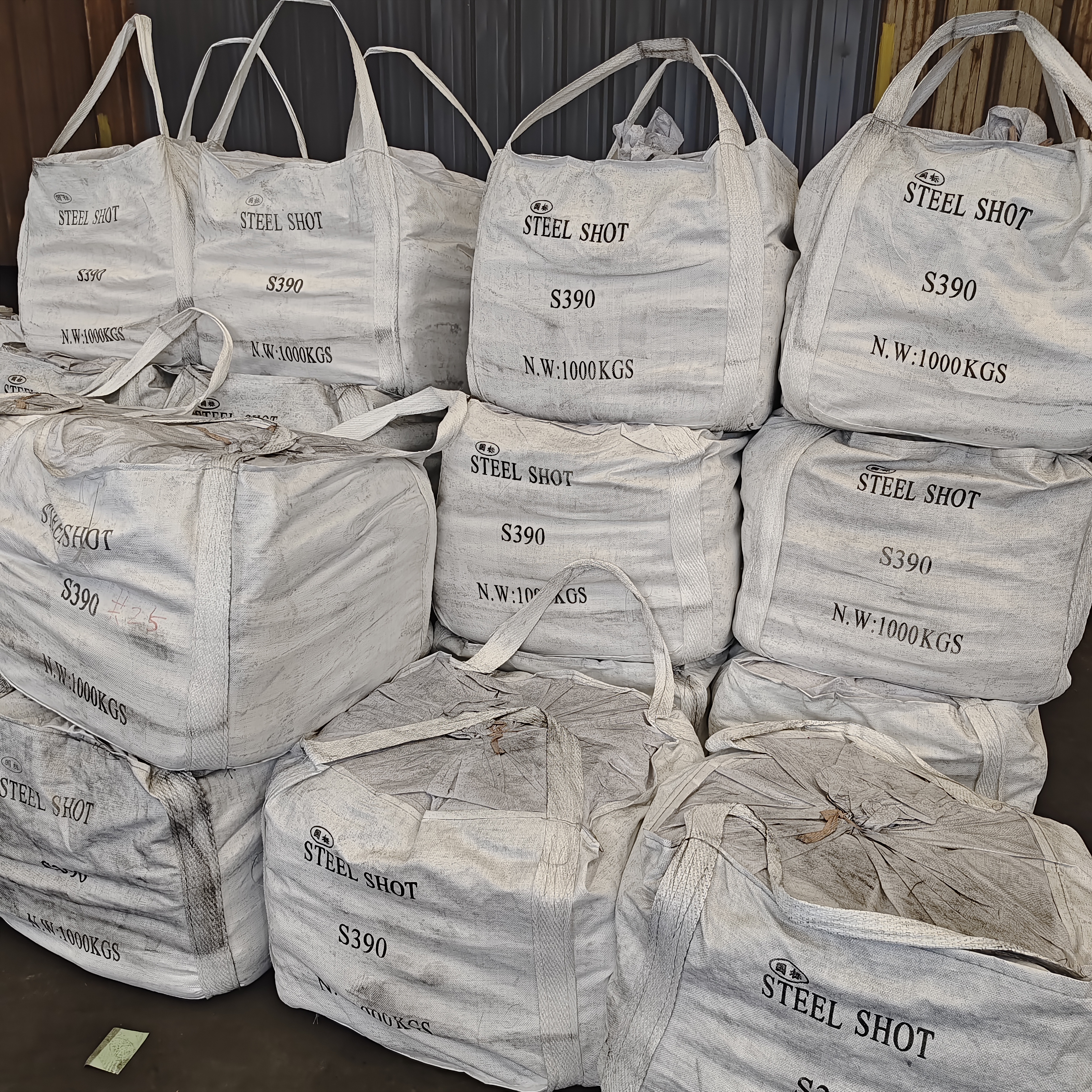
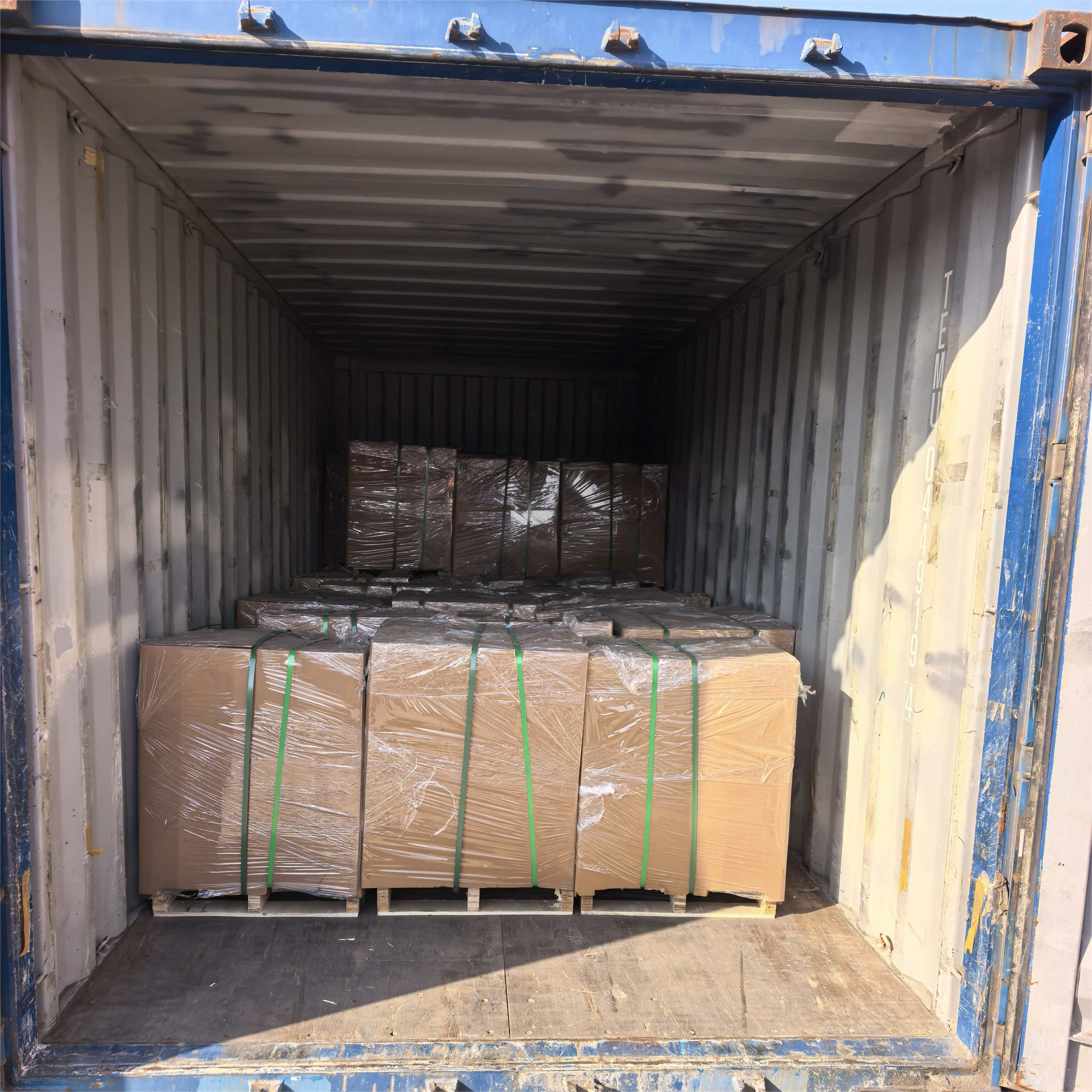
• Palletized small bags are available for easier forklift handling, warehouse stacking and container loading.
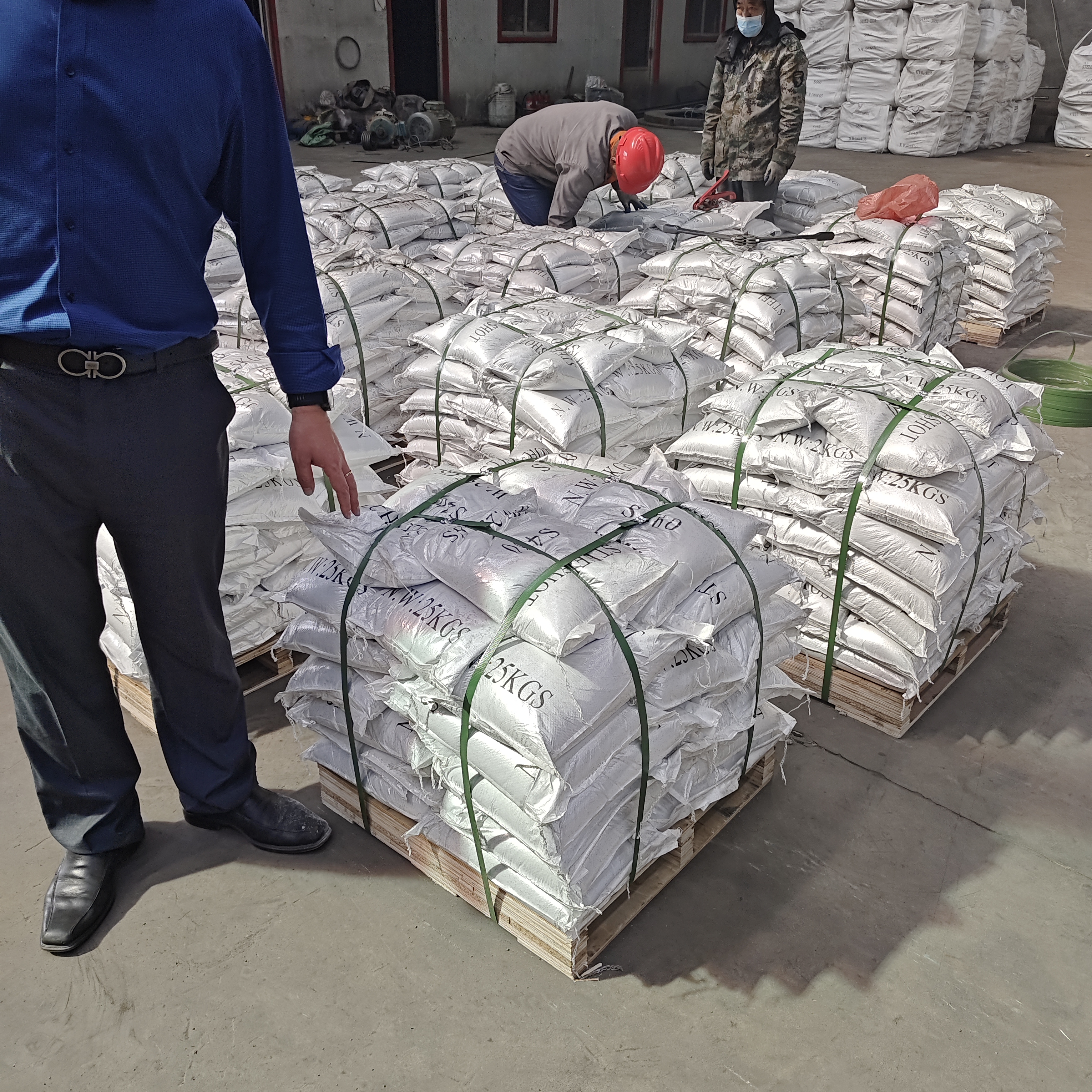
• Loading photos, batch labels and inspection records are available to support shipment traceability.
• It is selected for long life, low dust, low breakage and gentle impact on sensitive workpieces.
• It is better for long-life and low-dust applications, while high carbon grades may be preferred when stronger immediate cleaning force is needed.
• Yes. Low carbon steel shot is often used for fatigue-critical peening applications.
• Thin plates, aluminum parts, precision castings and automotive parts are common application areas.
• It tends to wear by gradual abrasion instead of sudden cracking, helping reduce dust and abrasive loss.
• Lower breakage and lower dust can help reduce wear on blast wheels and spare parts.
Contact SEPPE for size selection, hardness requirement, COA, samples, packaging and bulk order support.
Request a Quote