loading
| Availability: | |
|---|---|
| Quantity: | |
S170 S280 S330 S390
72051000
SEPPE Steel Shot S390 is a high-carbon cast steel abrasive for shot blasting, foundry cleaning, oxide scale removal and metal surface preparation. S390 is the primary grade on this page, while smaller and larger SAE steel shot sizes are available for customers who need a different impact level or surface finish.
Product: Steel Shot S390, high-carbon cast steel shot for shot blasting and metal surface treatment
Other Names: S390 Steel Shot, Cast Steel Shot, High-Carbon Steel Shot, Shot Blasting Steel Shot
Standard Reference: SAE J444 / SAE J827 / GB/T 18838
Primary Grade: SAE S390
Related Sizes Available: S70, S110, S170, S230, S280, S330, S460, S550, S660, S780
Manufacturer of Material: SEPPE TECHNOLOGIES
▸ Steel Shot S390 is a spherical high-carbon cast steel abrasive produced by melting selected steel raw material, centrifugal atomization, heat treatment, screening and classification.
▸ S390 provides stronger impact than smaller grades such as S230, S280 and S330, making it suitable for medium-to-heavy workpieces, castings and steel components that require efficient scale or sand removal.
▸ Related sizes remain available through this product page: smaller shot can be selected for thinner or more delicate workpieces, while larger shot can be selected when heavier impact is required.
▸ Uniform Round Shape: Helps create a consistent matte surface and stable shot peening effect.
▸ Controlled Hardness: Regular steel shot is typically 40-50 HRC, with special hardness grades available for stronger cleaning or peening needs.
▸ Long Recycling Life: Tempered martensite / troostite microstructure supports repeated recycling and lower abrasive consumption.
▸ Low Dust Generation: Compared with disposable mineral abrasives, steel shot can be recycled in enclosed blasting systems with lower dust output.
▸ S390-Centered Size Range: S390 is the main grade for stronger general cleaning; smaller and larger SAE sizes can be supplied when workpiece thickness, blasting intensity or surface-finish requirements differ.
▸ Used on H-beam shot blasting lines, steel frames, bridge components and container plates before painting or galvanizing.
▸ S390 is suited to medium-thick profiles and fabricated components that need stronger impact cleaning; S280 or S330 can be selected for a gentler finish.
▸ Removes adhered sand, sprues, oxide scale and surface contamination from cast steel and cast iron parts.
▸ S390 is a practical choice for medium-to-heavy castings. Smaller sizes are available for lighter castings and closer control of the cleaned surface.
▸ Used for gears, springs, chassis parts, forgings and stamping parts to improve fatigue resistance and release surface stress.
▸ Stable hardness and controlled roundness support repeatable peening results. The final size, including grades smaller than S390, should be matched to the required intensity and component geometry.
▸ Suitable for ship profiles, tanks, wind towers, heavy machinery frames and large fabricated steel structures.
▸ S390 provides useful impact energy for heavier fabricated components, while related sizes can be selected for thinner sections or different surface-finish targets.
| Size Range | Typical Application | Selection Logic |
|---|---|---|
| S70 / S110 / S170 | Small parts, thin plates, precision castings, light surface finishing | Fine surface, lower impact mark, better for delicate workpieces |
| S230 / S280 / S330 | General steel structures, common shot blasting lines, regular rust removal | Most universal range for balanced cleaning speed and surface finish |
| S390 - Main Grade | Foundry castings, medium-thick plates, machinery parts and fabricated steel components | Primary page grade for stronger impact cleaning with a uniform blasted finish |
| S460 / S550 / S660 / S780 | Large castings, heavy plates, strong shot peening or heavy cleaning | High impact cleaning where workpiece thickness allows |
| Primary Size Grade | SAE S390; related SAE steel shot sizes available on request |
| Chemical Composition | C: 0.80-1.20%; Mn: 0.35-1.20%; Si: >=0.40%; S: <=0.05%; P: <=0.05% |
| Average Hardness | Regular: 40-50 HRC; Special: 52-56 HRC / 56-60 HRC |
| Hardness Tolerance | +/- 3.0 HRC max |
| Ervin Life Cycle | Approx. 2000-2800 cycles, depending on grade and working condition |
| Microstructure | Uniform tempered martensite / troostite |
| Density | 7.4 g/cm3 |
| Apparent Density | 4.4 g/cm3 |
▸ Scrap steel management - induction furnace melting - centrifugal atomization - drying - screening - quenching - shot screening - tempering - final screening - packaging.
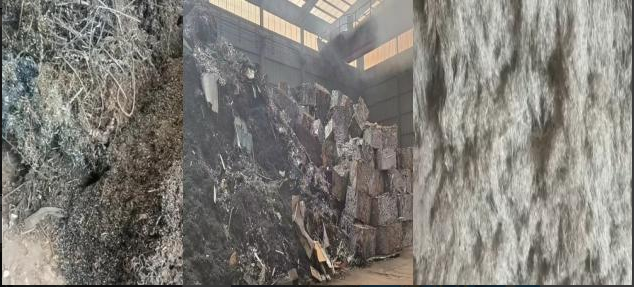 Raw material management
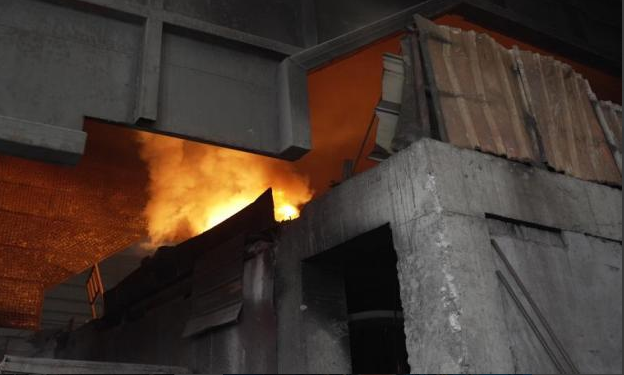 Induction furnace operation
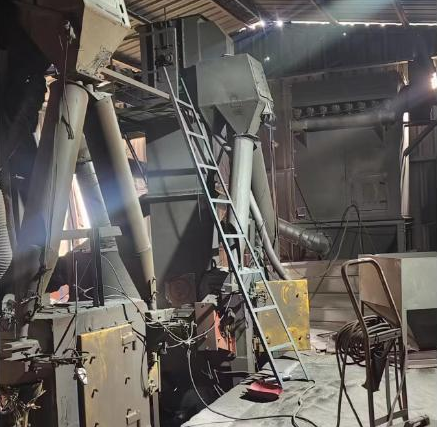 Quenching line
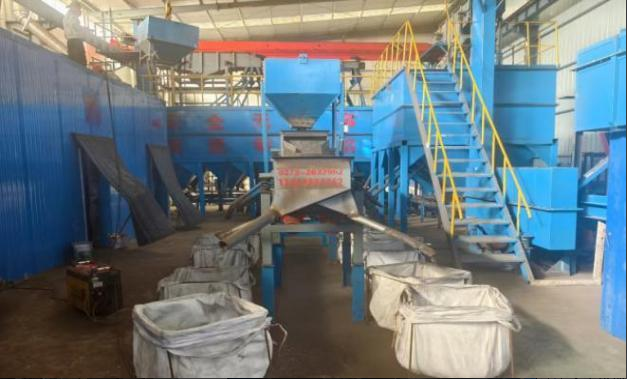 Screening & packaging line
▸ Intermediate stock is separated before final screening and packaging, helping keep different batches, sizes and processing stages traceable.
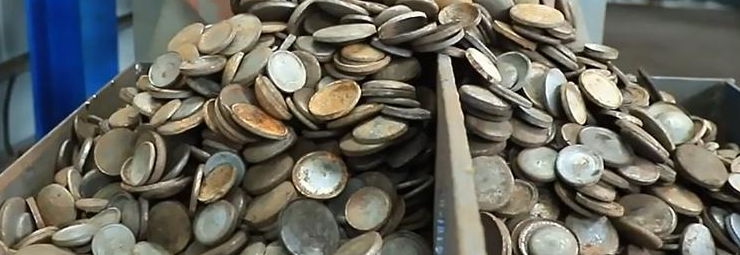
▸ Each production lot can be tested for chemical composition, hardness, density, microstructure, particle size distribution and Ervin life cycle.
▸ Testing equipment includes Ervin fatigue life testing machine, SPECTRO optical emission spectrometer, metallographic microscope, Vickers microhardness tester and carbon-sulfur analyzer.
▸ COA, sieve analysis report, retained sample support and SGS pre-shipment inspection can be arranged according to order requirements.
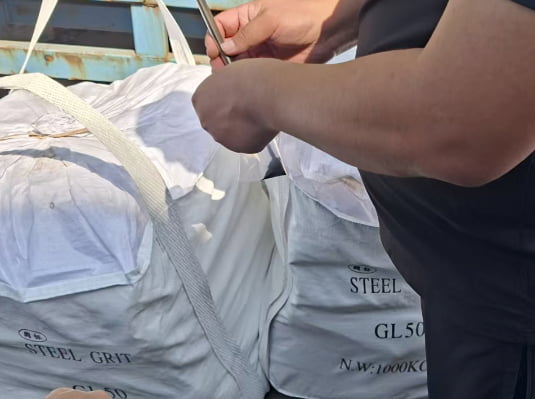
▸ Representative samples are collected from selected bags or jumbo bags before laboratory testing. The same lot-based sampling procedure is used for steel shot and steel grit to support batch traceability and reduce the risk of testing only the surface layer.
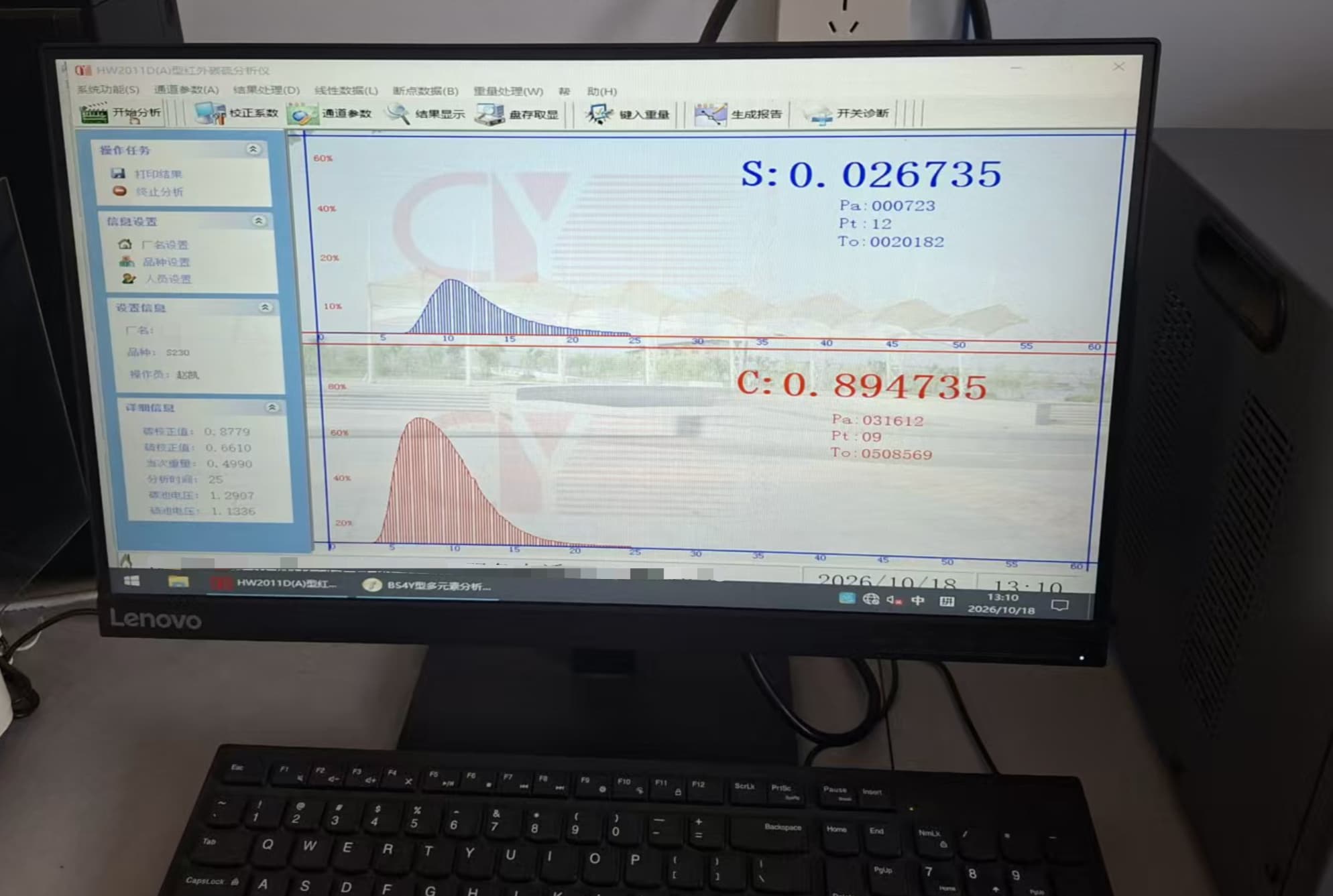
▸ Carbon and sulfur values are measured and recorded against the applicable grade requirements.
▸ The analyzer screen provides a direct laboratory record for chemical-composition verification and supports batch COA preparation.
▸ Steel abrasive particles are mounted and prepared as metallographic specimens, tested with a Vickers microhardness tester, and reviewed through the resulting indentation image to verify hardness consistency.


▸ Jumbo bags and 25 kg bags are weighed before dispatch to verify nominal package weight, labeling and loading records.


▸ Particle size distribution is verified separately by sieve analysis. A sieve analysis report can be supplied with the COA when required.
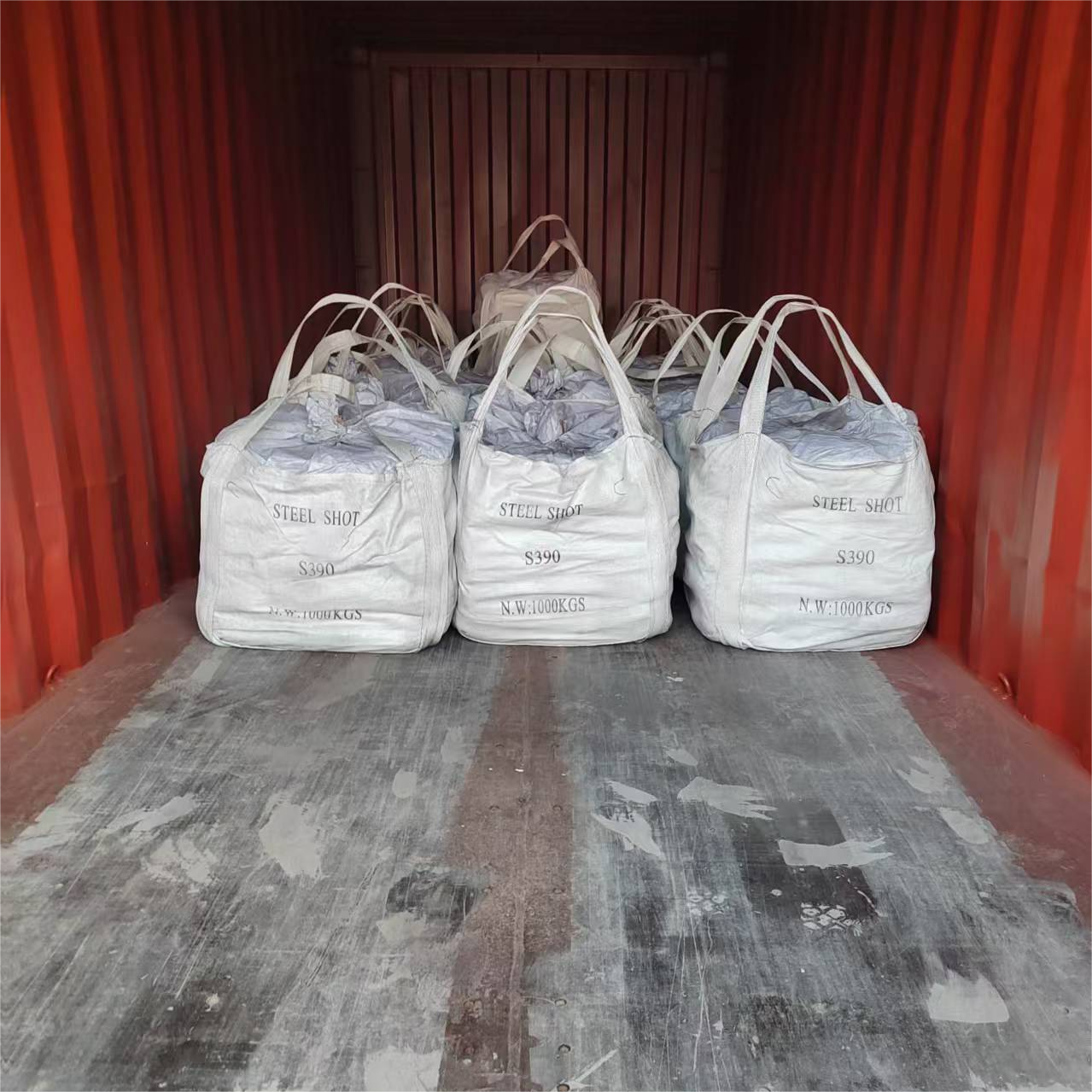
▸ Standard package: 25 kg PE/PP woven bags, jumbo bags and palletized export package can be selected according to order quantity.
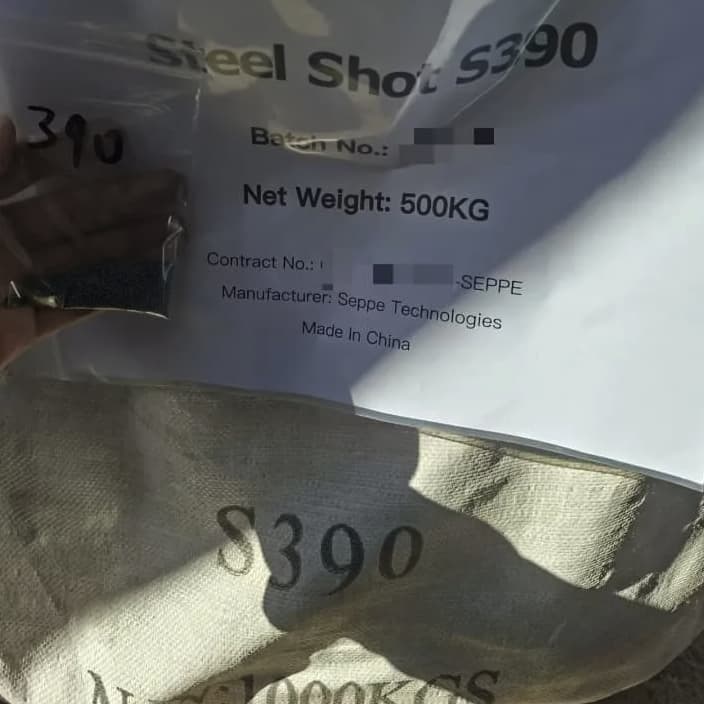
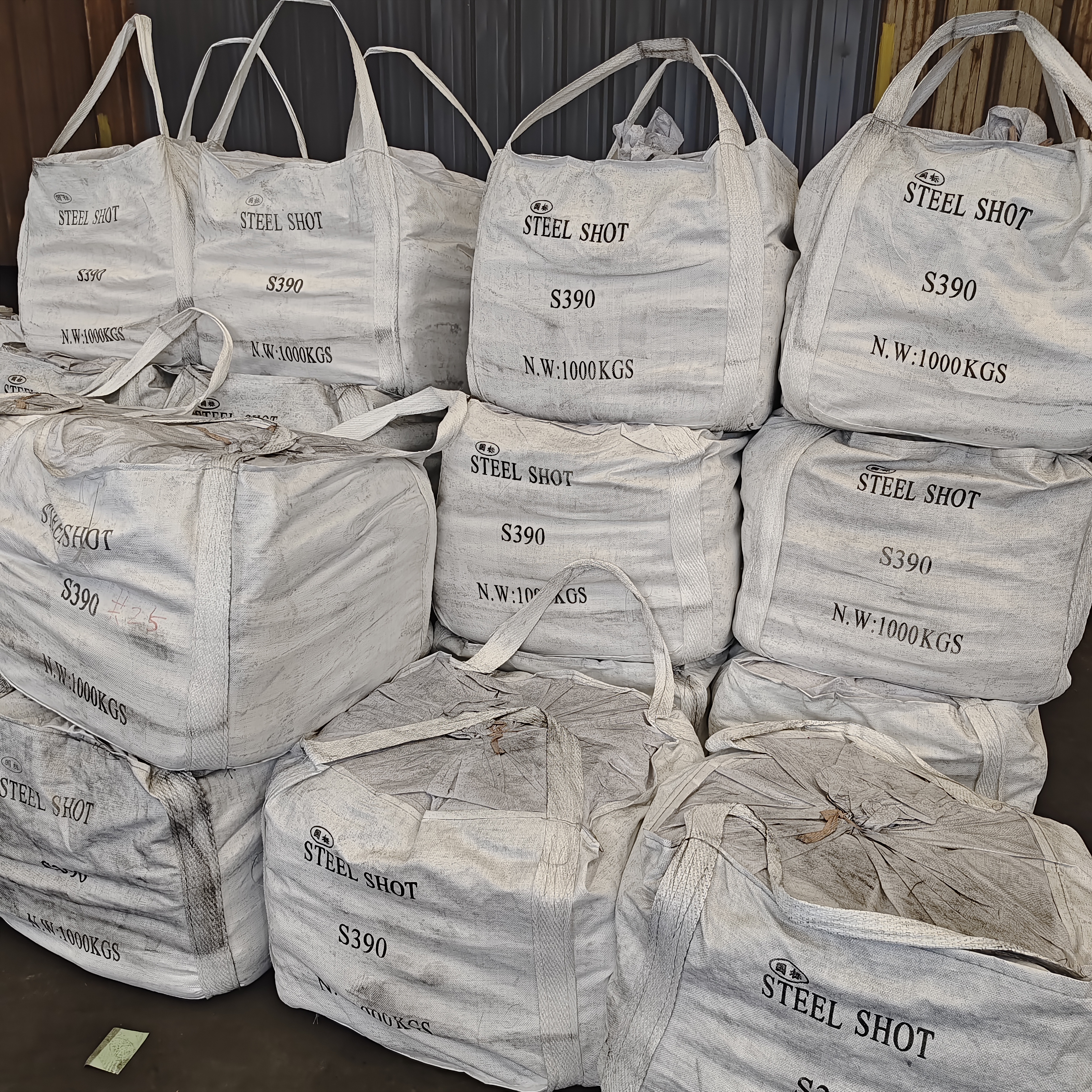

▸ Loading inspection: bag condition, label information, loading protection and shipment marks can be checked before delivery.
▸ Warehouse and handling: finished goods are staged by batch, and jumbo bags can be handled for full-container loading.
 Finished Goods Staging
 Jumbo Bag Handling
▸ Typical 20'GP loading quantity is about 25-27 MT for steel shot or steel grit. Stock items are usually prepared within 7-15 days; customized production may require 20-30 days.
▸ Steel Shot S390 is commonly used for foundry casting cleaning, oxide scale removal, medium-thick steel components, machinery parts and general shot blasting where stronger impact cleaning is required.
▸ Steel shot is round and cleans mainly by impact. Steel grit is angular and cleans mainly by cutting, so it is more suitable for aggressive rust removal and deeper anchor profile.
▸ Select S390 for medium-to-heavy workpieces that need stronger impact cleaning. Select S280 or S330 for thinner steel and a gentler finish, or a larger grade for heavy castings and more intensive cleaning. Final selection should consider workpiece thickness, contamination level and the required surface finish.
Contact SEPPE for S390 specifications, related size selection, hardness requirements, COA, samples, packaging and bulk order support.
Request a Quote