You are here: Home » Products » CALCINED BAUXITE » Rotary Calcined Bauxite » Calcined Bauxite Powder

Product Details

Calcined Bauxite Powder

Calcined bauxite is considered as one of the major ore of aluminum. Offered calcined bauxite powder is formed by calcining (heating) top grade bauxite at excessive temperature which ranges between 85OC to 1600C.As moisture gets eliminated therefore, it increases the alumina content. Further, calcined bauxite consists of 84% to 88% of alumina, as equated to 57% to 58% in raw bauxite. The entire operation is executed with help of rotary kilns.
Availability:
Quantity:
  • 200/325mesh

  • SEPPE BAUXITE

  • 25083000

REFRACTORY FINE POWDER / 200 & 325 MESH

Calcined Bauxite Powder

High-alumina fine powder for refractory castables, mortars and brick formulations. Available in 200 mesh and 325 mesh, SEPPE calcined bauxite powder provides the fine mineral fraction used alongside coarser aggregates, binders and other matrix ingredients.
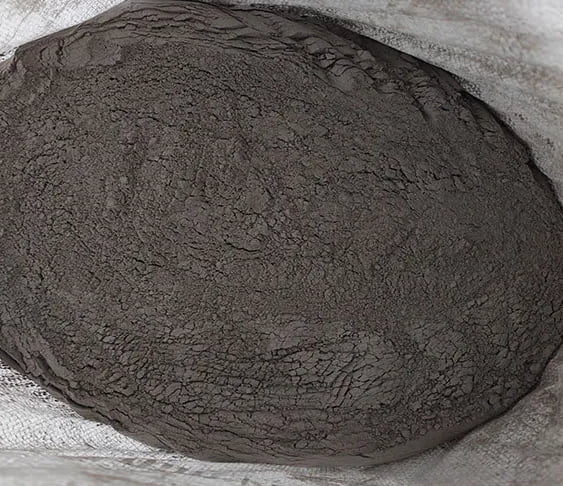
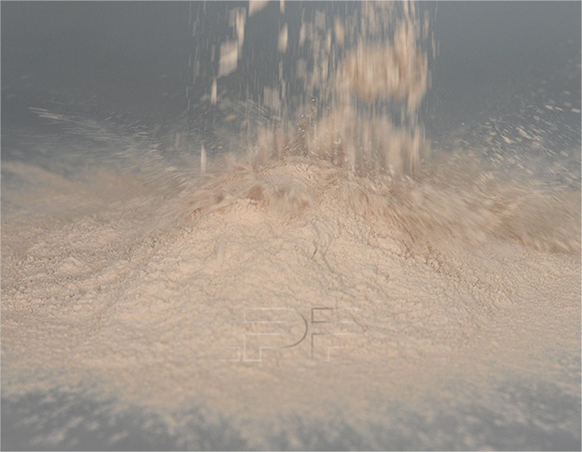
Calcined Bauxite Powder — Sample 01

Calcined Bauxite Powder — Sample 02


What Is Calcined Bauxite Powder?

Calcined bauxite powder is produced by milling and classifying calcined bauxite into fine fractions. It is distinct from coarse bauxite sand or aggregate: the powder contributes to the fine-particle matrix of a refractory formulation.

High-Alumina Mineral Component

Al₂O₃ grades can be selected to suit the formulation. Silica, iron oxide, titania and other constituents should be considered together with alumina content.

Fine-Particle Formulation Options

200 mesh and 325 mesh provide two common fineness options. Particle-size distribution affects packing and mixing behaviour and should match the complete recipe.

Grades & Powder Specifications

Select the chemical grade and fineness separately. The chemical ranges below describe the product family and are not the guaranteed analysis of one powder grade.

Chemical Composition · Reference Ranges
Al₂O₃ 75–90% · grade-dependent
SiO₂ 6–18%
Fe₂O₃ 0.5–2.5%
TiO₂ 2–3%
P₂O₅ 0–0.3%
MgO 0–0.2%
CaO 0–0.4%
K₂O + Na₂O 0–0.4%
Powder Supply Specification
Product form Calcined mineral powder
Standard fineness 200 mesh / 325 mesh
Alumina grade Specified separately from fineness
Sieve requirement Agreed passing percentage or maximum residue
Appearance May vary with material grade and feedstock
Loss on ignition 0.1–0.5% · reference range
Moisture Limit agreed for the ordered grade
Additional data Particle-size distribution and density basis, if required

Final acceptance values must be stated in the powder-specific quotation or specification. Mesh designation alone does not define a complete particle-size distribution or a 100% passing requirement.

200 Mesh & 325 Mesh Options

200 Mesh

A fine fraction for refractory recipes that specify 200 mesh material. Confirm the required sieve residue and how the powder combines with the other particle sizes.

325 Mesh

A finer option for recipes requiring a finer mineral fraction, including selected mortar, slurry and coating formulations. Confirm mixing behaviour and binder compatibility through trials.

Typical Applications

Used as a fine mineral ingredient in the following refractory systems. The photographs illustrate application settings, not finished products supplied as this powder.
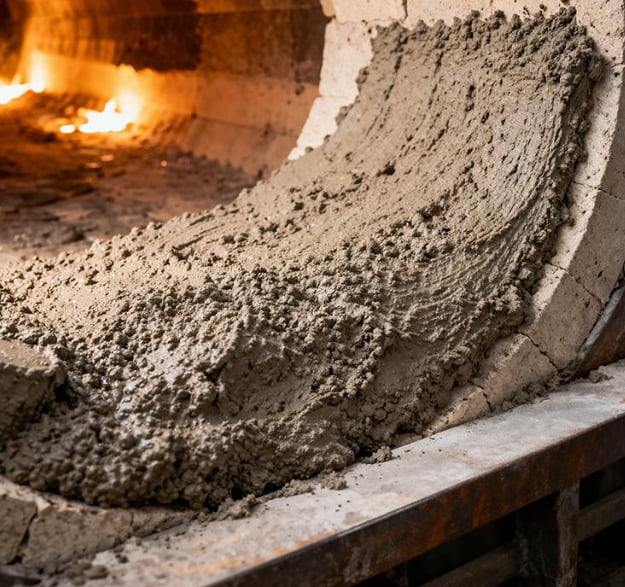
Refractory Castables

Refractory Castables

Fine bauxite forms part of the matrix between larger aggregate particles. It is combined with binders and other fines to build the required castable recipe.
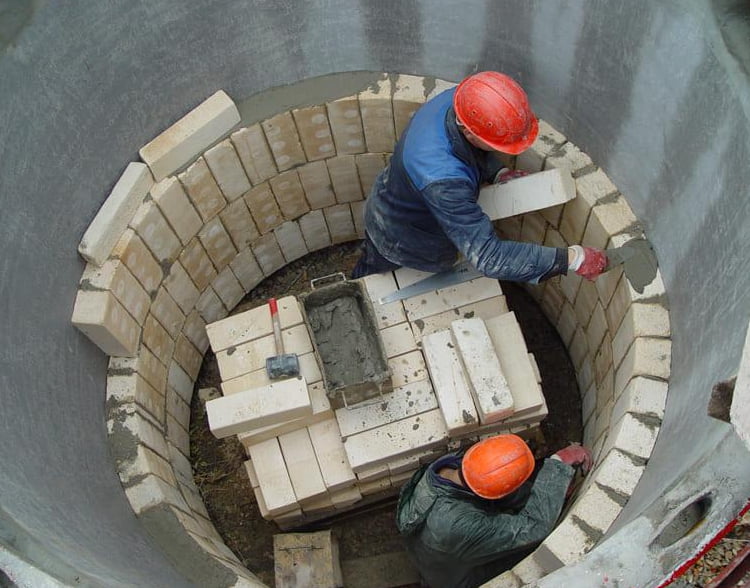
Refractory Mortars & Slurries

Refractory Mortars & Slurries

A refractory fine fraction for compatible jointing mortars and slurry formulations. Binder selection, water addition and working consistency are determined by the complete formulation.
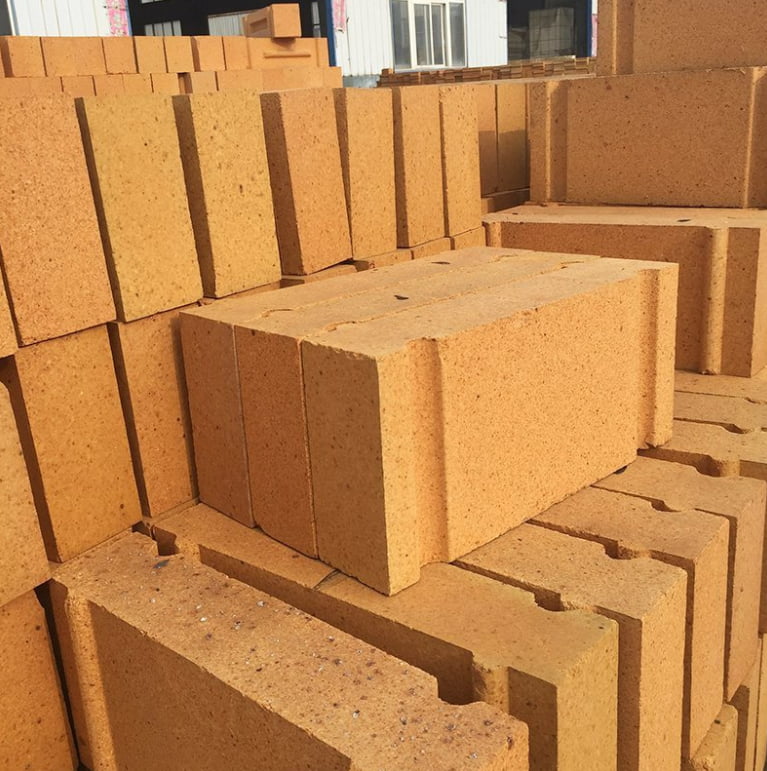
Refractory Brick Formulations

Refractory Brick Formulations

Used in the fine-particle portion of selected high-alumina brick mixes, alongside coarser fractions and binders before forming and firing.
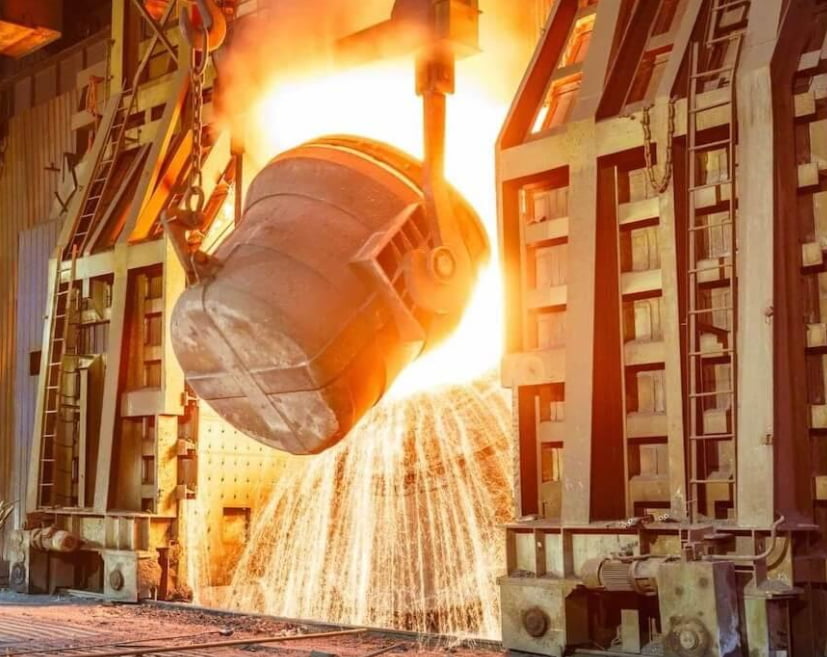
Lining Coatings & Repair Formulations

Lining Coatings & Repair Formulations

A possible mineral component in selected ladle and furnace lining coating or repair mixes. The grade must match the lining chemistry, slag exposure and service conditions.

Bauxite powder is not a ready-mixed castable, mortar or coating. For steel-contact or severe slag service, suitability must be established for the finished refractory system.

From Calcined Bauxite to Fine Powder

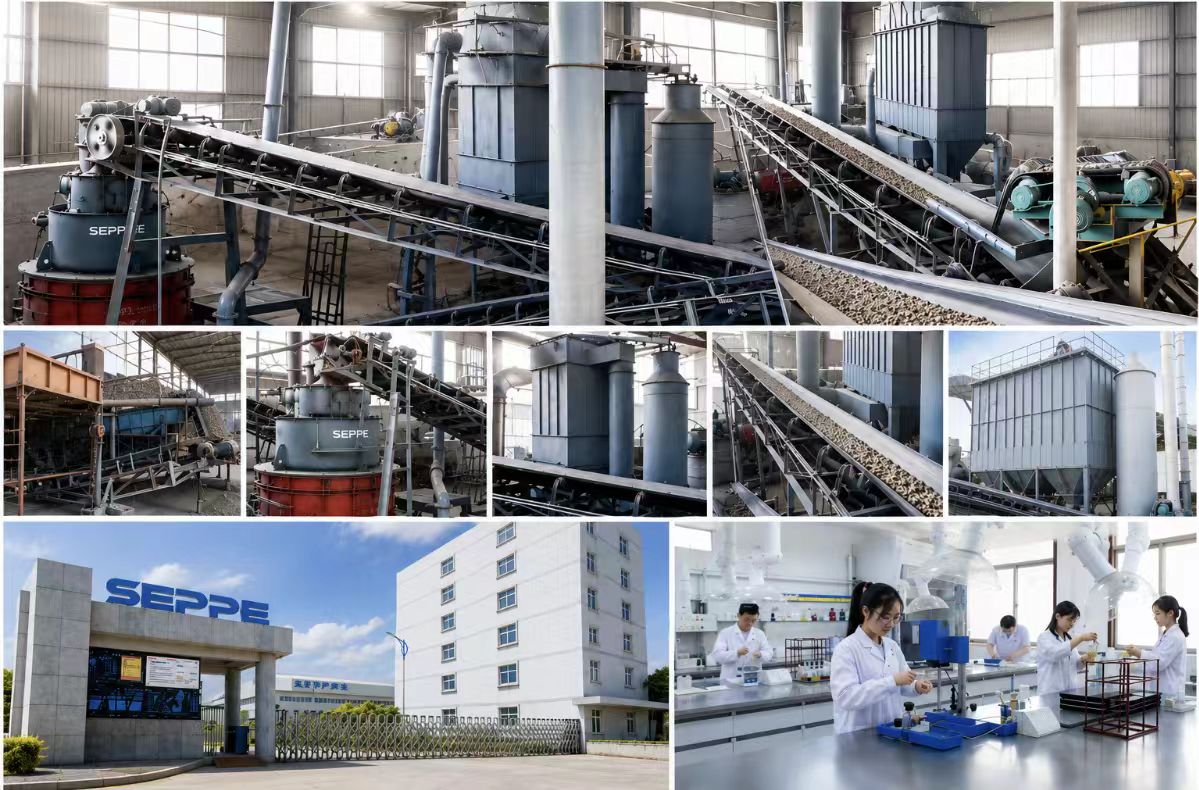
Selected bauxite is calcined, then milled and classified into the required powder fineness. The rotary-kiln and production-site photographs below show the manufacturing context; fine grinding is a separate processing stage.
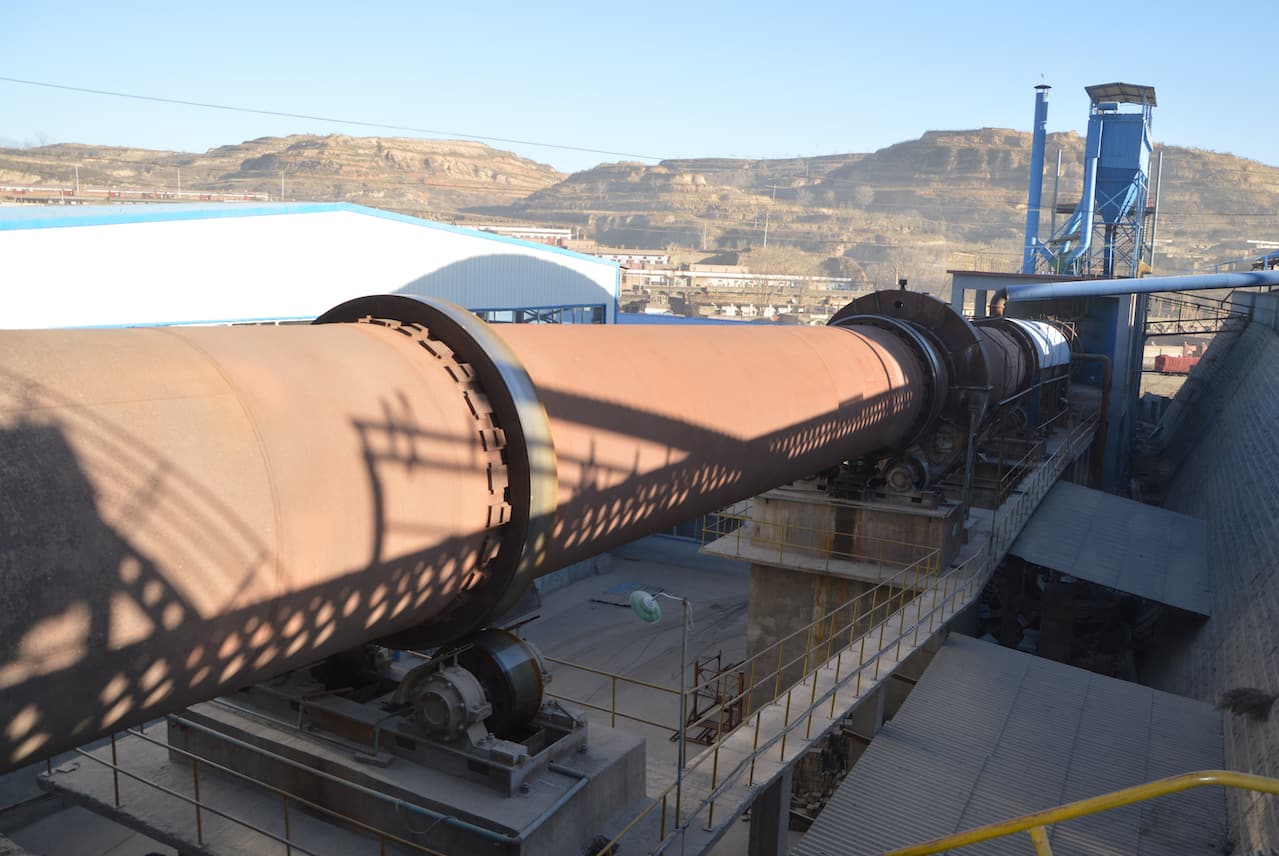
Rotary-Kiln Calcination

Rotary-Kiln Calcination

Calcination of the selected bauxite feedstock.
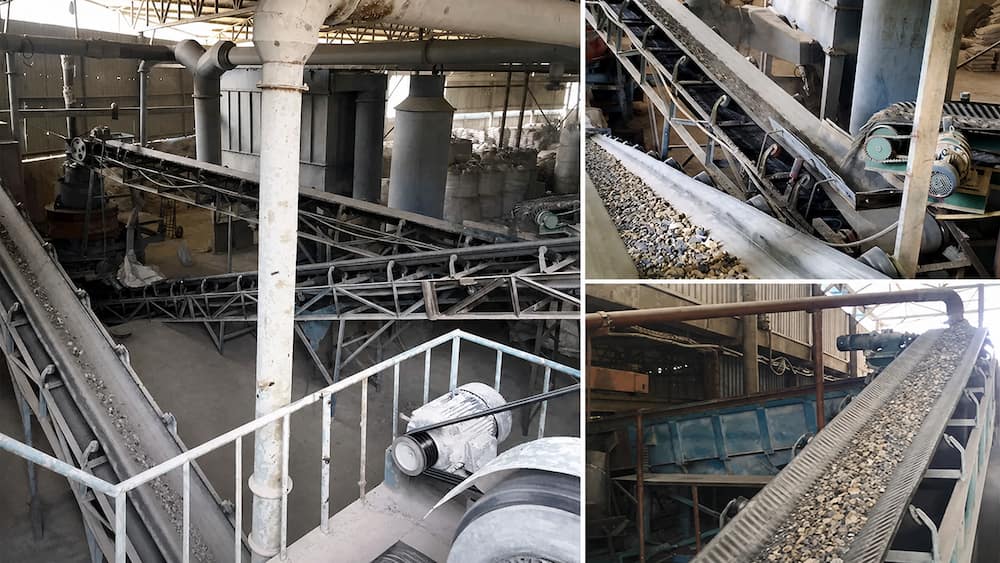
Bauxite Production Site

Bauxite Production Site

Material processing and handling facilities.

01 — Calcined Feedstock

Select the calcined bauxite grade for the target refractory chemistry.

02 — Fine Grinding

Reduce the calcined material to powder for the specified fineness.

03 — Classification

Separate the milled material to obtain the agreed powder size profile.

04 — Packing

Pack by product grade, mesh specification and lot identification.

Packaging & Storage

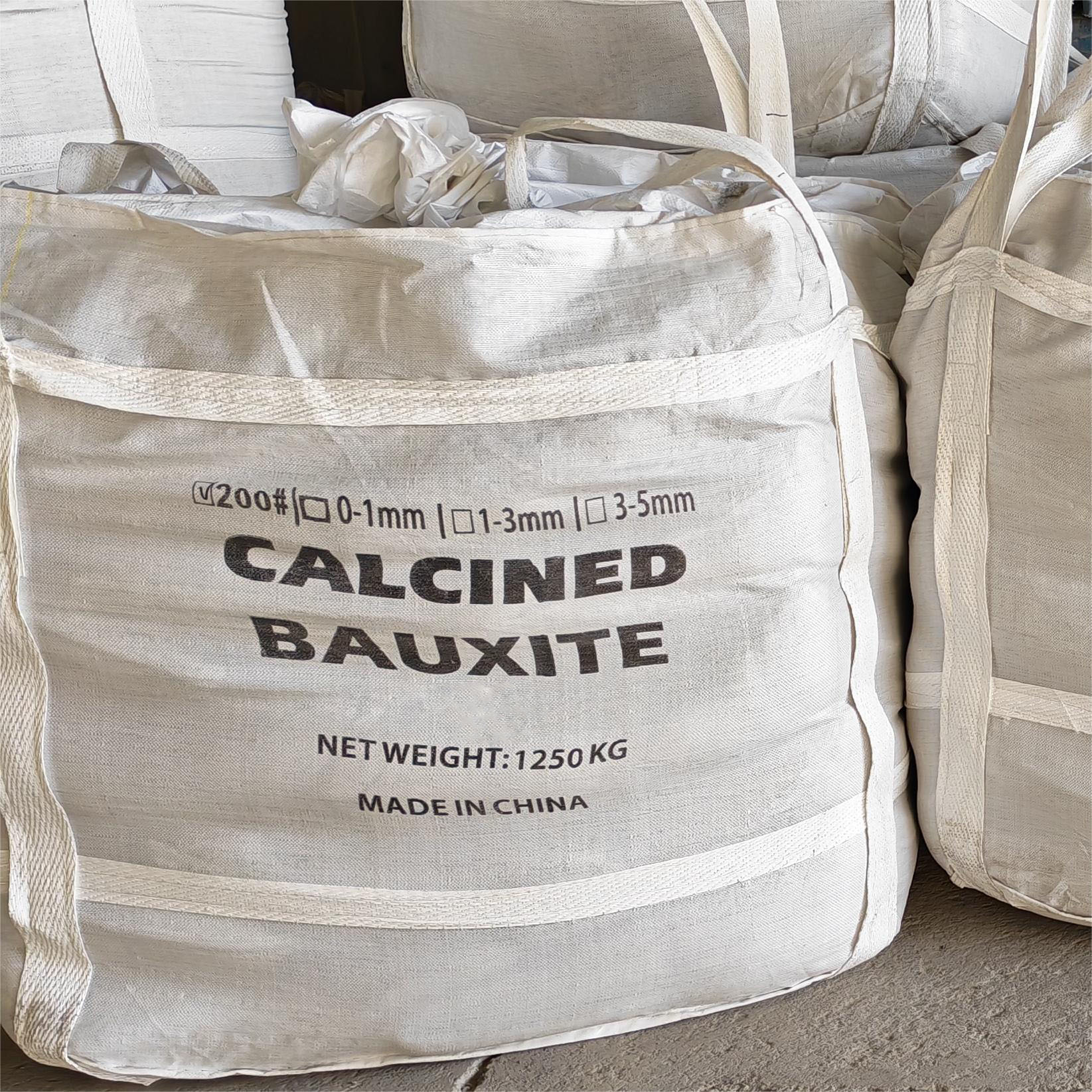
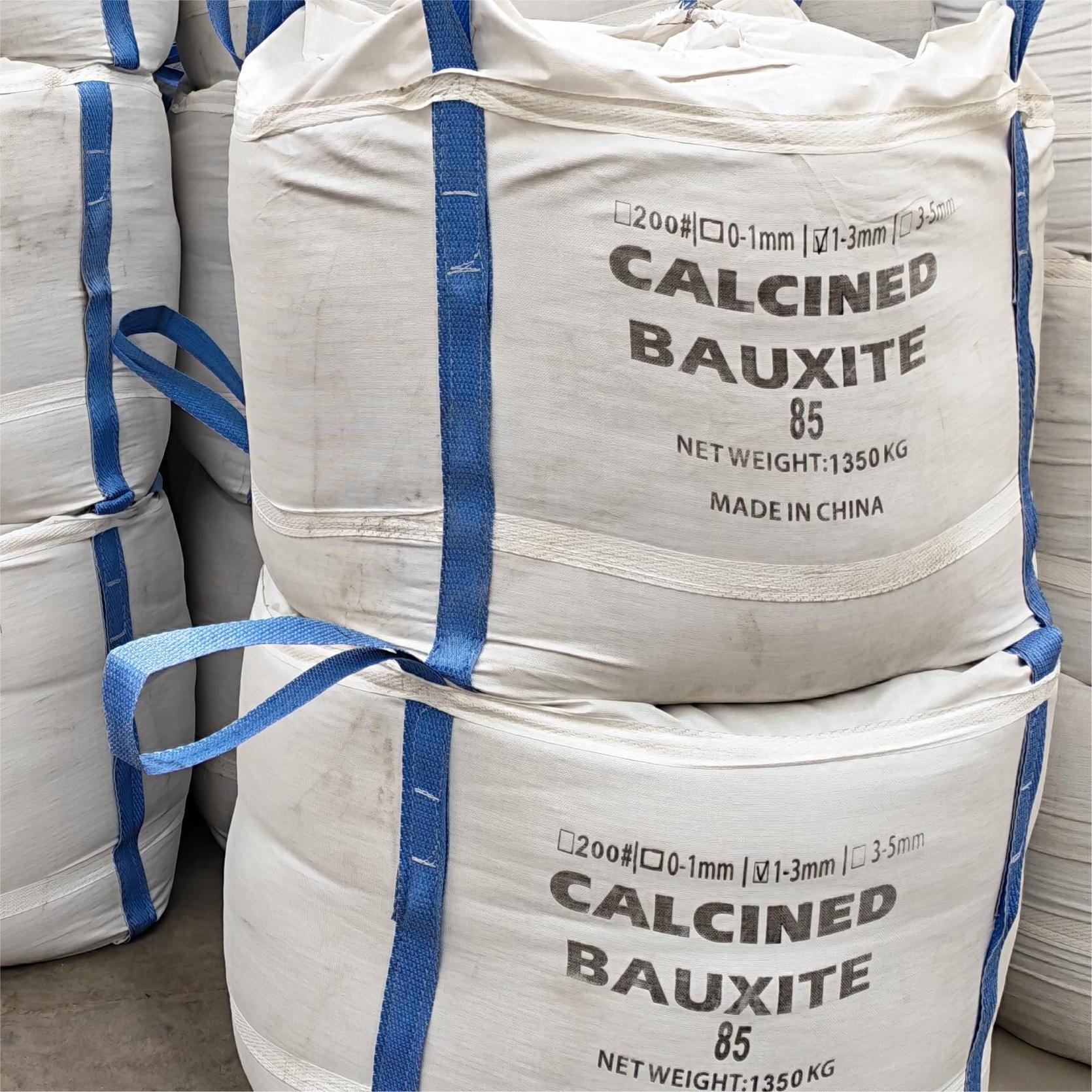
Standard packing options include 25 kg or 50 kg bags and 1 MT bulk bags. Other bag weights, liners, pallet arrangements and labels can be agreed with the order. The photographs show packaging examples; confirm suitability for fine powder.
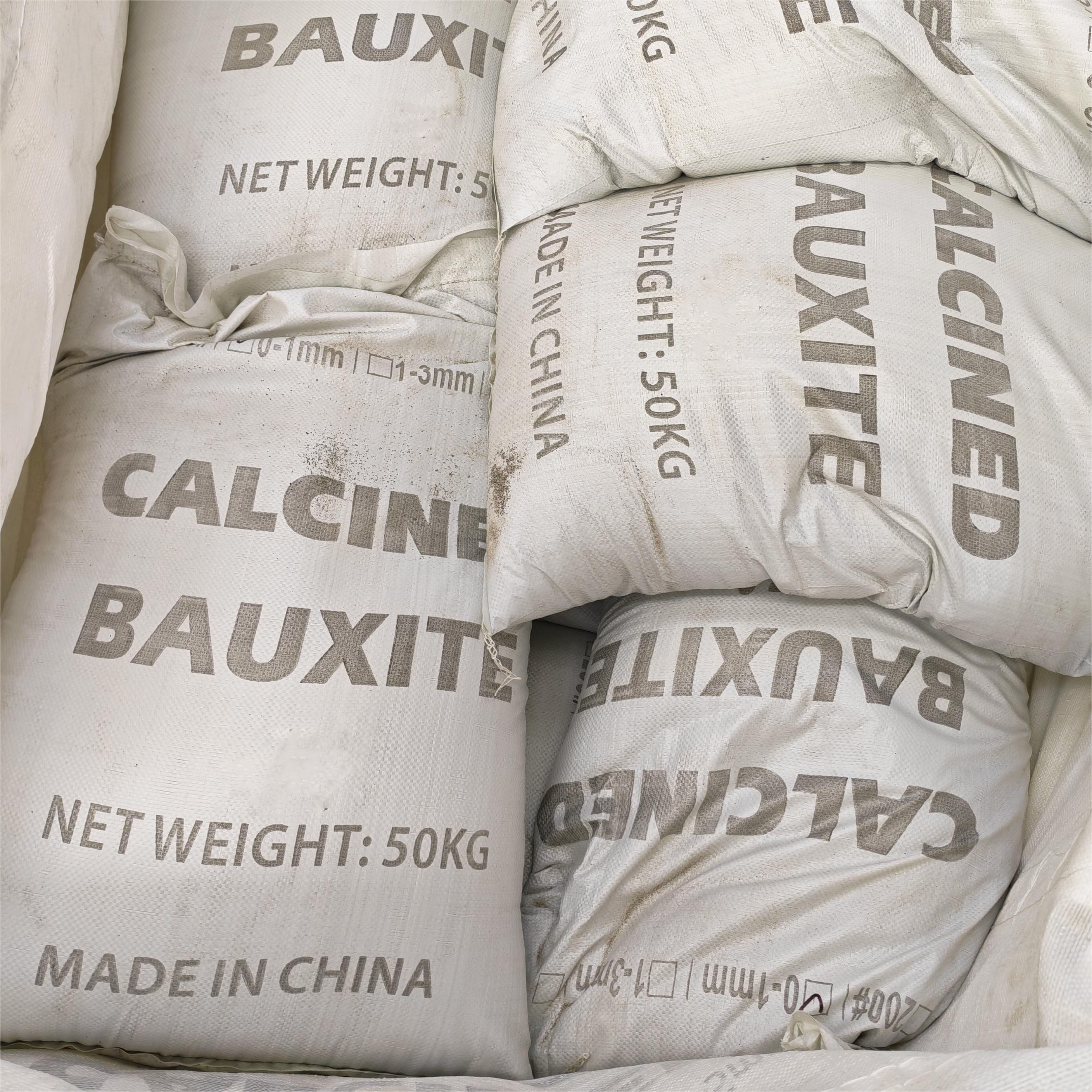
50 kg bags
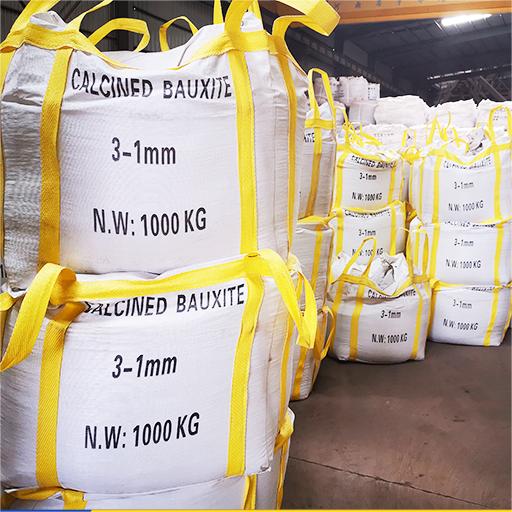
50 kg bags

1 MT bulk bags

1 MT bulk bags

1.25 MT · by agreement

1.25 MT

1.35 MT · by agreement

1.35 MT

Keep bags sealed, dry and protected from contamination. Follow the applicable safety data sheet for powder handling and dust-control requirements.

FAQ

❓ What is calcined bauxite powder used for?

It supplies a high-alumina fine fraction in refractory castables, mortars and brick mixes, and in selected lining coating or repair formulations. It is an ingredient for formulation, not a ready-to-use refractory mix.

❓ Should I choose 200 mesh or 325 mesh?

325 mesh is the finer option within the same sieve system. Choose by the required particle packing, mixing behaviour and application method. Finer powder is not automatically the better choice; confirm the grade in your formulation.

❓ Can it replace refractory cement or reactive alumina?

Not directly. Calcined bauxite powder is a mineral raw material, not a hydraulic binder. Its chemistry and particle-size distribution differ from refractory cement and reactive alumina. Any substitution requires formulation testing.

❓ Do the two powder colours indicate different mesh sizes?

No. Colour alone does not identify mesh size, alumina content or performance. The photographs show appearance examples; select the material using the grade specification and the relevant sample.

❓ Is the alumina content fixed at 85%?

No. This page covers a powder product family with an Al₂O₃ reference range of 75–90%, depending on grade. The ordered grade has its own chemistry limits; 200 mesh and 325 mesh describe fineness, not alumina content.

❓ Can I request a sample and powder-specific technical data?

Yes. Send the required alumina grade, mesh size, application and quantity. Request the matching powder TDS, available test results and a sample for evaluation before confirming the supply specification.

Specify the Powder Your Formulation Needs

Send your target alumina content, 200 or 325 mesh requirement, application, order quantity and packing preference. SEPPE can help confirm the matching grade and available sample.

CALCINED BAUXITE POWDER / QUALITY CONTROL

Quality Control & Laboratory Testing

Powder quality is defined by the selected chemical grade, fineness and condition at delivery. Inspection should follow the specification agreed for the order, rather than a single alumina or density limit applied to every grade.

The control points below separate feedstock and production checks from finished-powder measurements. Confirm the required test scope, frequency and documentation with SEPPE before ordering.

SEPPE laboratory and testing facilities

Laboratory and testing facilities

Powder Quality Control Points

01 — Grade & Feedstock

Match the calcined feedstock to the ordered powder grade. Keep the chemistry specification separate from the 200 mesh or 325 mesh designation.

02 — Calcination Records

Review the relevant rotary-kiln production records for the feedstock. The calcination route does not by itself establish the acceptance limits of the finished powder.

03 — Milling & Classification

Control the grinding and classification stages against the agreed fineness. Check for oversize particles, agglomerates and contamination introduced during processing.

04 — Chemical Composition

Review Al₂O₃, SiO₂, Fe₂O₃, TiO₂ and other agreed constituents against the selected grade. Report analytical results with the sample identity and test method.

05 — Powder Fineness

Use the agreed sieve method to assess passing percentage or residue. Where a fuller size profile is required, arrange laser diffraction and report the measurement conditions separately.

06 — Moisture & Condition

Check the agreed moisture requirement and the condition of the powder. Keep moisture and loss on ignition as distinct measurements, with their respective methods and limits.

07 — Lot Release & Packing

Review the agreed inspection results, product identity, quantity and bag condition before release. Connect the supplied lot to the corresponding order and available records.

Reference Test Methods

The following links lead directly to the standards publishers. These are method references, not claims that this powder is certified to every listed standard. The applicable method must be identified on the test report.

Chemical Analysis

ISO 12677:2011 — XRF analysis using fused beads for applicable oxide refractory materials. Confirm the method and sample preparation used on the report.

Sieve Analysis & Water Content

ASTM C92-95(2022)e1 — Methods for refractory sieve analysis and water content. Agree the appropriate procedure and the powder acceptance limits before testing.

Laser Particle-Size Distribution

ISO 13320:2020 — Guidance for laser-diffraction particle-size measurements. Use the agreed dispersion conditions and report the required size-distribution results.

Reading Powder Test Results

Mesh Size Is Not D50

200 mesh and 325 mesh refer to sieve-based designations. State the sieve standard and the required percentage passing or retained. Do not treat a mesh label as a mean or median particle diameter.

Sieve Results & Laser Results

Sieve residue and laser-derived D10, D50 or D90 describe different aspects of the powder. Laser diffraction does not automatically replace a sieve acceptance requirement.

Use the Correct Density Basis

Particle density, loose bulk density and tapped bulk density are different measurements. Specify the required property, method and units; do not transfer a coarse-grain density value to fine powder.

Separate Powder from Finished Refractory

Flow, setting, strength and service performance belong to the formulated refractory system. They cannot be guaranteed from the powder mesh size or alumina content alone.

Quality Documents & Order Requirements

Request documents for the selected powder grade and supplied lot, including the applicable technical data sheet, safety data sheet and available chemical and fineness results. Agree additional moisture, size-distribution or other testing where the application requires it.

Information to Include

Alumina grade; 200 or 325 mesh; sieve passing or residue requirement; application; any moisture or particle-size limits; quantity and packaging.

Documents to Confirm

Powder-specific TDS; relevant SDS; agreed certificate of analysis or inspection report; sample and lot identification; test methods and report dates.

If independent testing or quality-management certification records are required, confirm availability, scope and validity before ordering. A management-system certificate does not replace product test results.

Request Powder-Specific Quality Documents

Share the grade, fineness and acceptance requirements so the relevant data and any additional testing can be confirmed.

Get a Quote & Free Samples
Links:  SGA GARNET
Copyright © 2017-2026 SEPPE TECHNOLOGIES  All rights reserved. 豫ICP备16021749号-1