| Quantity: | |
|---|---|
910 (100 Mesh Through)
CENOLITE
2621900090
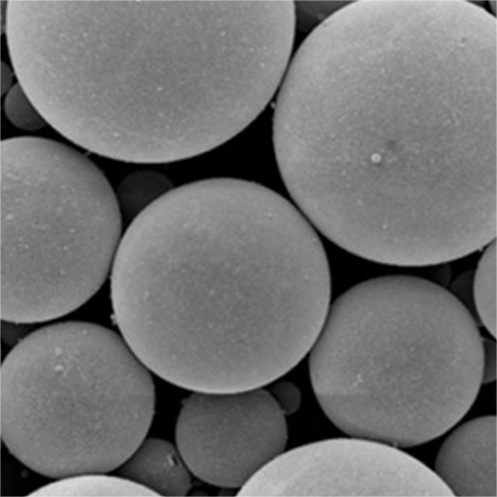
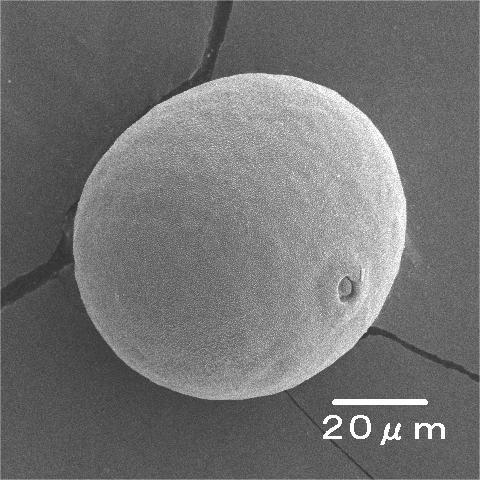
SEPPE CenoLite 910 cenospheres are hollow aluminosilicate microspheres supplied as a dry powder for evaluation in polyester resin formulations. The current TDS specifies particle density of 0.70–0.95 g/cm³ and particle size of D50 45–60 μm and D98 105–140 μm. Suitability for artificial stone, cast resin products and molded parts depends on the resin formulation and production process.
▸ CenoLite 910 is specified as a coating extender in its TDS and can also be evaluated as a lightweight filler in polyester resin formulations.
▸ The hollow particles may help reduce formulation density when they replace denser fillers at a suitable loading. Dispersion and surface finish must be checked in the selected resin.
▸ The current CenoLite 910 TDS specifies particle density of 0.70–0.95 g/cm³. The density and mechanical properties of a finished part depend on the complete formulation.
▸ Polyester Resin Filler: Candidate for unsaturated polyester resin systems, artificial stone, cast resin products, and molded parts.
▸ Particle Size: D50 45–60 μm and D98 105–140 μm by laser diffraction, according to the current TDS.
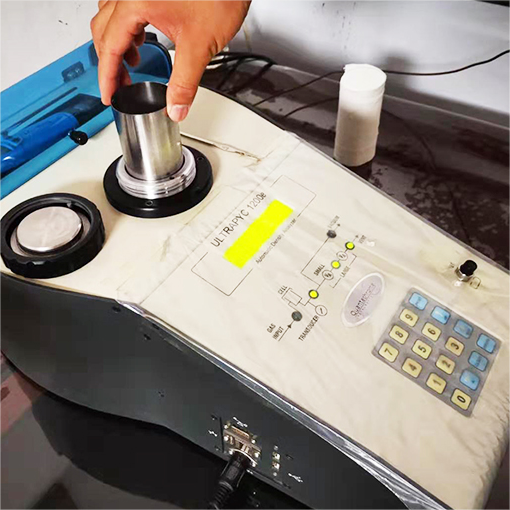
▸ Particle Density: 0.70–0.95 g/cm³ by gas displacement pycnometry, according to the current TDS.
▸ Artificial Stone Evaluation: Can be trialed in cast and filled resin systems for weight and processing targets.
▸ Formulation Checks: Verify dispersion, viscosity, appearance, and mechanical properties at the intended filler loading.
▸ Unsaturated polyester resin systems
▸ Artificial stone filler and cast resin products
▸ Lightweight resin filler and casting filler applications
▸ Decorative resin panels and molded resin products
▸ Weight reduction trials in resin-rich formulations
▸ Automotive body filler and putty formulation trials

Automotive body filler application — illustrative polyester resin formulation context.
The image illustrates a possible end-use process, not a documented SEPPE-supplied formulation. Final suitability requires formulation testing.
| Parameter | Current TDS Specification |
|---|---|
| Product grade | CenoLite 910, coating grade; evaluated here for polyester resin formulations |
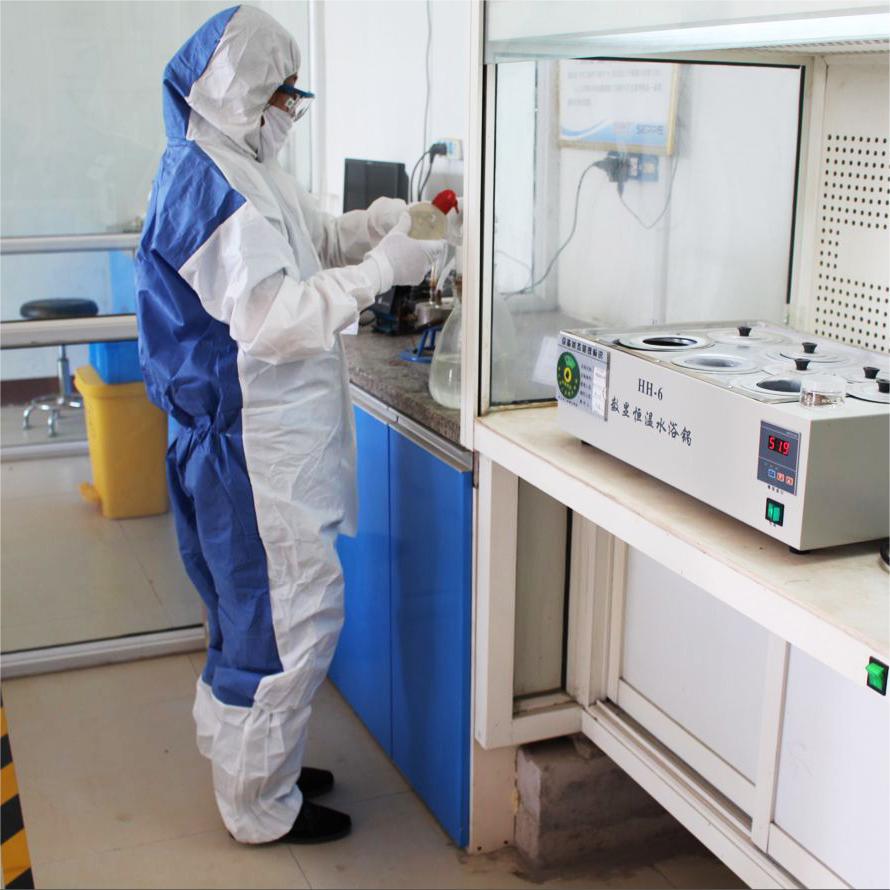
| Particle size distribution | D50: 45–60 μm; D98: 105–140 μm (ISO 13320:2020) |
| True density (particle density) | 0.70–0.95 g/cm³ (ISO 12154:2014, gas displacement pycnometry) |
| pH, 10% aqueous suspension | 7.0 ± 1.0 |
| Iron content (as Fe₂O₃) | <6% |
| Moisture content (matter volatile at 105°C) | ≤0.3% |
| Shell composition (XRF) | SiO₂: 55–65%; Al₂O₃: 27–33% |
Values above describe the CenoLite 910 powder. Polyester resin mixing behavior and finished-part performance must be verified in the intended formulation.
▸ CenoLite 910 Coating Grade TDS — current powder specifications and particle size distribution; polyester resin suitability is evaluated separately.
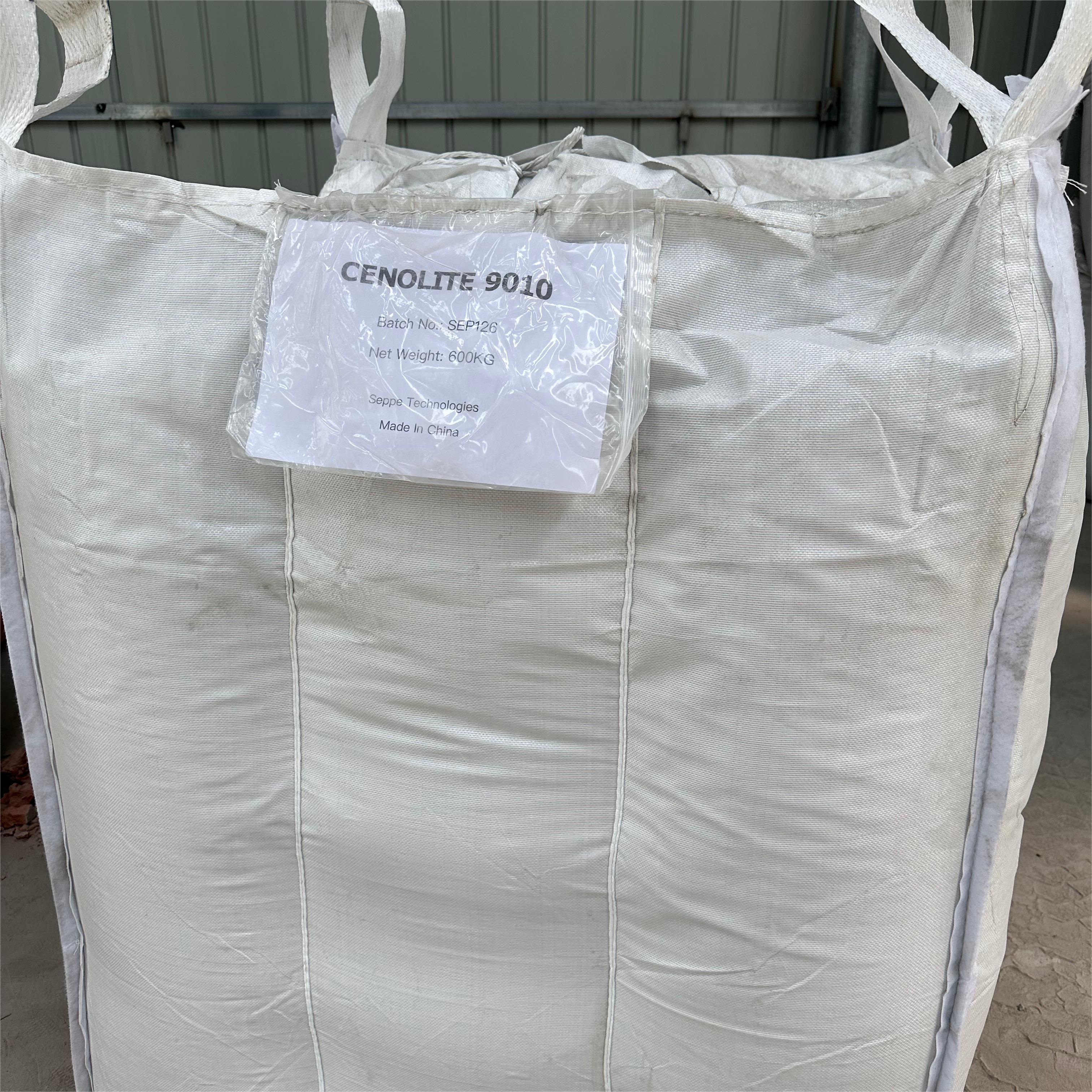
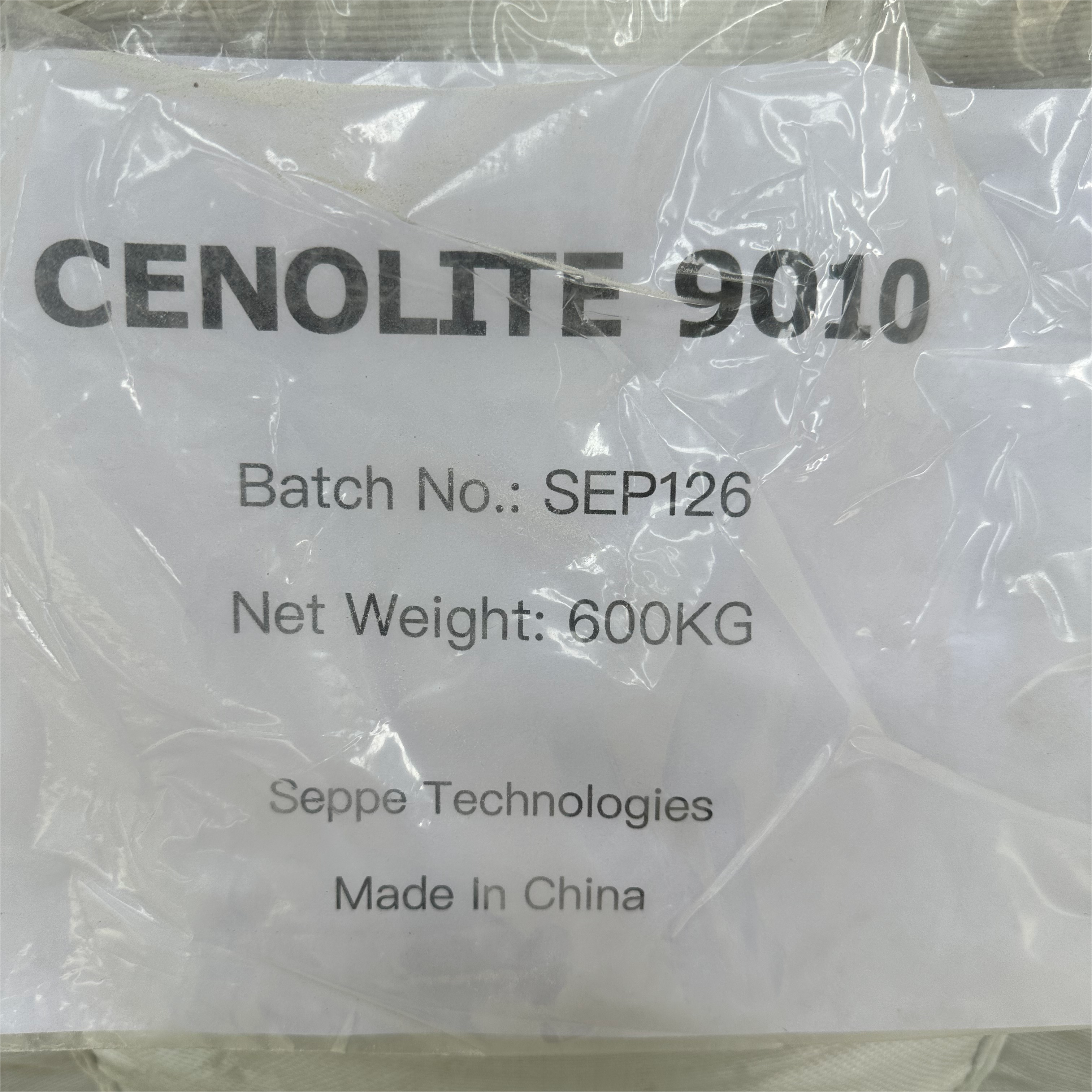
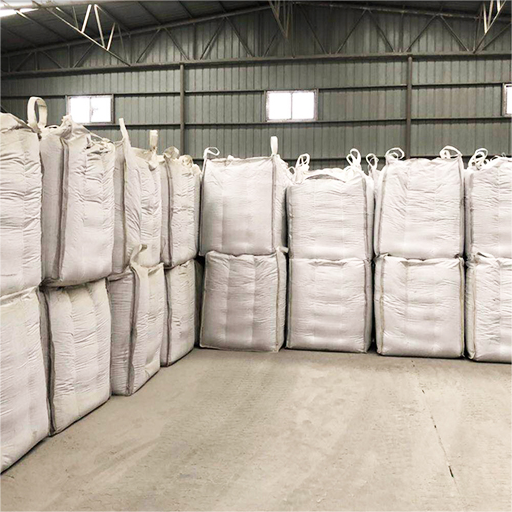
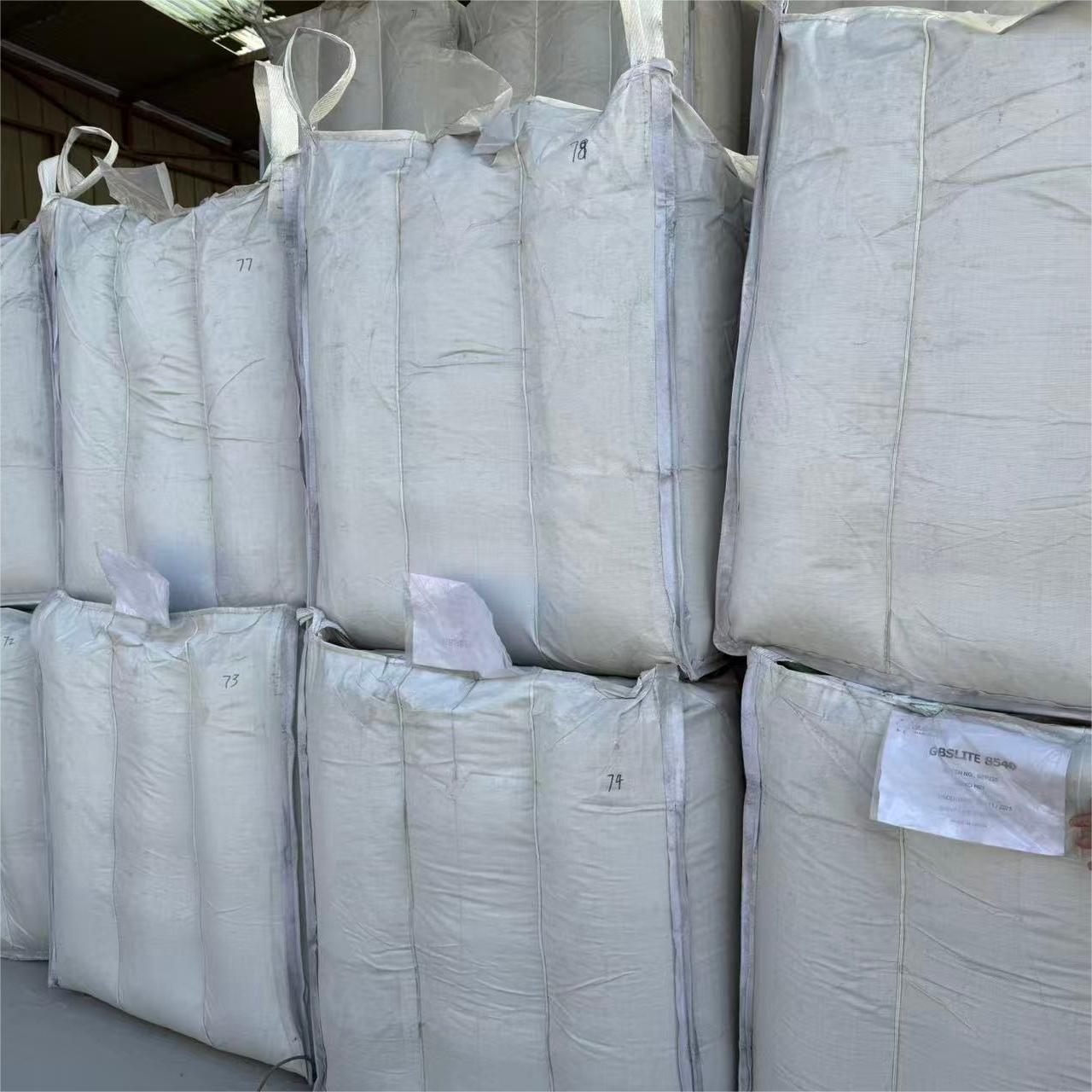
▸ 600 kg jumbo bags — approximately 40 bags per 40' High Cube FCL, depending on grade and loading plan.
▸ Custom packaging, palletizing, and private labeling are available upon request.
▸ Store sealed in dry conditions. Reliable container shipment is available to major ports worldwide.
▸ Hollow cenospheres may lower compound density when they replace denser fillers; the result depends on resin and filler loading.
▸ The current TDS specifies D50 of 45–60 μm and D98 of 105–140 μm by laser diffraction. It does not state 100% passing a 100-mesh sieve.
▸ Filling volume can change, but resin demand must be measured in the actual formulation; the powder TDS does not specify a resin-saving percentage.
▸ Resin compatibility and surface treatment requirements depend on the formulation and should be discussed during sample trials.
▸ Yes. Samples, TDS, and batch COA can be provided for resin formulation trials.
Contact SEPPE for product specifications, samples, formulation trials, OEM packaging, and bulk pricing.
Request a Quote