Views: 326 Author: CENOLITE Publish Time: 2026-08-10 Origin: SEPPE TECH
Cenospheres are tiny hollow particles recovered from coal fly ash. Under a microscope, they look like ceramic bubbles. Most have a thin aluminosilicate shell with air or another gas sealed inside.
That cavity is the reason buyers are interested. It adds volume without the weight of a conventional mineral filler. A round particle also behaves differently from an angular powder during mixing.
 SEPPE CENOLITE cenosphere powder.
When pulverised coal burns inside a boiler, its mineral matter passes through a sequence of heating, melting and cooling:
Decomposition. Components with lower volatilisation temperatures escape first as the coal particle is heated.
Burnout and glass formation. Porous carbon particles form during combustion. After the carbon burns out, part of the remaining mineral matter becomes a porous glassy body.
Melting and rounding. At temperatures around 1400°C, the softened material shrinks and its sharp edges become rounded as surface tension acts on the molten droplets.
Cooling. Some droplets solidify as dense glass microspheres. Others trap gas and cool as thin-walled hollow particles—the material known as cenospheres.

A microscopic view shows the round shells and several broken hollow particles.
| Performance Feature | Key Metrics | Mechanism | Core Benefit |
|---|---|---|---|
| High Refractoriness | 1600–1700°C | An aluminosilicate shell contains high-melting inorganic oxides. Actual softening behaviour also depends on the glassy phase and minor oxides. | Useful high-temperature performance in an appropriately tested refractory formulation. |
| Lightweight & Thermal Insulation | 250–450 kg/m³ 0.05–0.1 W/(m·K) | The thin-walled hollow cavity interrupts part of the solid path through which heat is conducted. | Lower weight with useful thermal-insulation capability. |
| High Hardness & Strength | Mohs 6–7 70–140 MPa 2.10–2.20 g/cm³ | A dense glassy shell and quartz–mullite mineral assemblage provide rigidity. | More mechanical strength than many conventional lightweight mineral fillers. |
| Fine Particle & Large Surface Area | 1–250 μm 300–360 cm²/g | The naturally formed microspheres are available in fine particle-size ranges. | Selected grades can be incorporated without an additional grinding step. |
| Electrical Insulation | Non-conductive insulator | The inorganic aluminosilicate shell provides electrically insulating behaviour. | Suitable for evaluation in insulating compounds, coatings and composite systems. |
Strength. Perlite, zeolite, diatomite, pumice and expanded vermiculite are useful low-density materials, but their mechanical strength can be limiting. The harder shell of a suitable cenosphere grade can provide better structural performance in refractory and insulation products.
Processing. Many lightweight mineral fillers need grinding before use. Grinding changes particle shape and can increase bulk density. Screened cenospheres can be introduced directly when their supplied particle-size range already fits the formulation.
Insulation. The sealed cavity adds an insulating mechanism that solid mineral fillers do not provide. Performance at elevated temperature still needs to be confirmed in the finished compound.
Paints and coatings. A fine grade can lower film weight and add volume. It may also help an insulating formula. The resin and film thickness still decide the result.
Cementitious and refractory products. Cenospheres can replace part of a heavier component in mortar or castable. This may lower density and heat transfer. Too much material can weaken the body, so trial mixes are necessary.
Oil-well cementing. This use is more demanding. The spheres must move through the pumping system without excessive breakage. The finished slurry should be tested at the pressure and temperature expected in the well.
Polymers and composites. Cenospheres are used as lightweight inorganic fillers and in syntactic foams. A good result depends on wet-out and mixing shear. Surface treatment may help when stronger bonding is required.
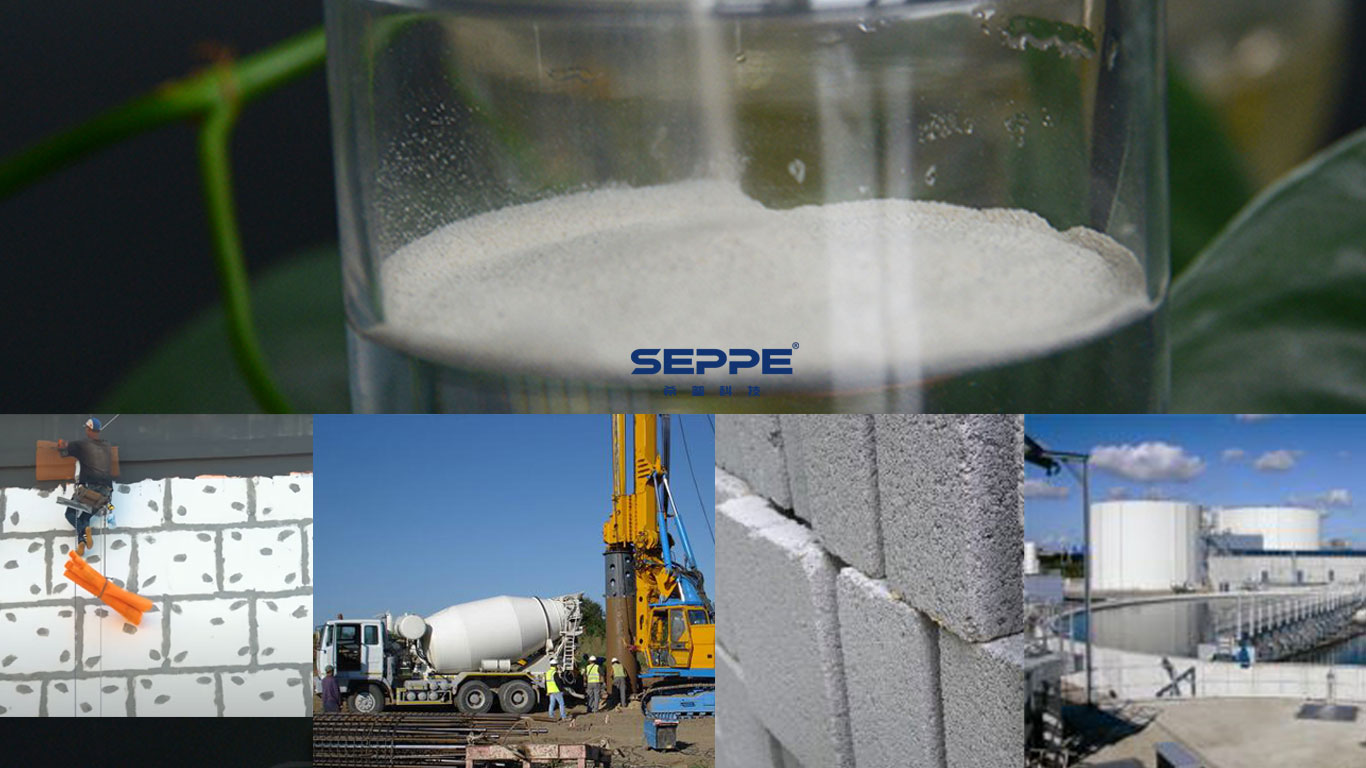 Typical cenosphere uses. The required grade changes with the formulation and production process.
 Fine cenospheres can be evaluated in wall putties and lightweight coating systems.
 Oil-and-gas applications need a grade tested for the actual cementing or field process.
Do not choose from mesh alone. For a coating, ask for a particle-size curve and check whether coarse grains affect the finish. In a cement slurry, the more useful question may be how well the spheres survive pumping.
Density also needs a label. Bulk density helps with storage and freight planning. Particle or true density says more about the expected weight reduction.
A light-colored coating may need tighter control of iron content. Moisture is a separate handling issue. Broken particles reduce the lightweight fraction. Ask for a current TDS and a batch COA before approving production material.
An equal-mass swap for a dense filler can add far more volume than expected. Begin with a small batch and adjust by volume where appropriate. Use the same mixer and curing conditions planned for production. The finished material should then be checked under its real service conditions.
Share the end use and target density with SEPPE. If you already use a similar material, attach its TDS or COA so the comparison starts from real data.
Request Technical Data & SamplesTechnical Documents
Views: 326 Author: CENOLITE Publish Time: 2026-08-10 Origin: SEPPE TECH
Cenospheres are tiny hollow particles recovered from coal fly ash. Under a microscope, they look like ceramic bubbles. Most have a thin aluminosilicate shell with air or another gas sealed inside.
That cavity is the reason buyers are interested. It adds volume without the weight of a conventional mineral filler. A round particle also behaves differently from an angular powder during mixing.
SEPPE CENOLITE cenosphere powder.
When pulverised coal burns inside a boiler, its mineral matter passes through a sequence of heating, melting and cooling:
Decomposition. Components with lower volatilisation temperatures escape first as the coal particle is heated.
Burnout and glass formation. Porous carbon particles form during combustion. After the carbon burns out, part of the remaining mineral matter becomes a porous glassy body.
Melting and rounding. At temperatures around 1400°C, the softened material shrinks and its sharp edges become rounded as surface tension acts on the molten droplets.
Cooling. Some droplets solidify as dense glass microspheres. Others trap gas and cool as thin-walled hollow particles—the material known as cenospheres.
A microscopic view shows the round shells and several broken hollow particles.
| Performance Feature | Key Metrics | Mechanism | Core Benefit |
|---|---|---|---|
| High Refractoriness | 1600–1700°C | An aluminosilicate shell contains high-melting inorganic oxides. Actual softening behaviour also depends on the glassy phase and minor oxides. | Useful high-temperature performance in an appropriately tested refractory formulation. |
| Lightweight & Thermal Insulation | 250–450 kg/m³ 0.05–0.1 W/(m·K) | The thin-walled hollow cavity interrupts part of the solid path through which heat is conducted. | Lower weight with useful thermal-insulation capability. |
| High Hardness & Strength | Mohs 6–7 70–140 MPa 2.10–2.20 g/cm³ | A dense glassy shell and quartz–mullite mineral assemblage provide rigidity. | More mechanical strength than many conventional lightweight mineral fillers. |
| Fine Particle & Large Surface Area | 1–250 μm 300–360 cm²/g | The naturally formed microspheres are available in fine particle-size ranges. | Selected grades can be incorporated without an additional grinding step. |
| Electrical Insulation | Non-conductive insulator | The inorganic aluminosilicate shell provides electrically insulating behaviour. | Suitable for evaluation in insulating compounds, coatings and composite systems. |
Strength. Perlite, zeolite, diatomite, pumice and expanded vermiculite are useful low-density materials, but their mechanical strength can be limiting. The harder shell of a suitable cenosphere grade can provide better structural performance in refractory and insulation products.
Processing. Many lightweight mineral fillers need grinding before use. Grinding changes particle shape and can increase bulk density. Screened cenospheres can be introduced directly when their supplied particle-size range already fits the formulation.
Insulation. The sealed cavity adds an insulating mechanism that solid mineral fillers do not provide. Performance at elevated temperature still needs to be confirmed in the finished compound.
Paints and coatings. A fine grade can lower film weight and add volume. It may also help an insulating formula. The resin and film thickness still decide the result.
Cementitious and refractory products. Cenospheres can replace part of a heavier component in mortar or castable. This may lower density and heat transfer. Too much material can weaken the body, so trial mixes are necessary.
Oil-well cementing. This use is more demanding. The spheres must move through the pumping system without excessive breakage. The finished slurry should be tested at the pressure and temperature expected in the well.
Polymers and composites. Cenospheres are used as lightweight inorganic fillers and in syntactic foams. A good result depends on wet-out and mixing shear. Surface treatment may help when stronger bonding is required.
Typical cenosphere uses. The required grade changes with the formulation and production process.
Fine cenospheres can be evaluated in wall putties and lightweight coating systems.
Oil-and-gas applications need a grade tested for the actual cementing or field process.
Do not choose from mesh alone. For a coating, ask for a particle-size curve and check whether coarse grains affect the finish. In a cement slurry, the more useful question may be how well the spheres survive pumping.
Density also needs a label. Bulk density helps with storage and freight planning. Particle or true density says more about the expected weight reduction.
A light-colored coating may need tighter control of iron content. Moisture is a separate handling issue. Broken particles reduce the lightweight fraction. Ask for a current TDS and a batch COA before approving production material.
An equal-mass swap for a dense filler can add far more volume than expected. Begin with a small batch and adjust by volume where appropriate. Use the same mixer and curing conditions planned for production. The finished material should then be checked under its real service conditions.
Share the end use and target density with SEPPE. If you already use a similar material, attach its TDS or COA so the comparison starts from real data.
Request Technical Data & SamplesTechnical Documents