Views: 14 Author: SEPROP Publish Time: 2026-08-21 Origin: SEPPE TECH
Before each shipment, we carry out a final batch verification. Random samples are taken directly from selected bulk bags and checked against the approved specification.
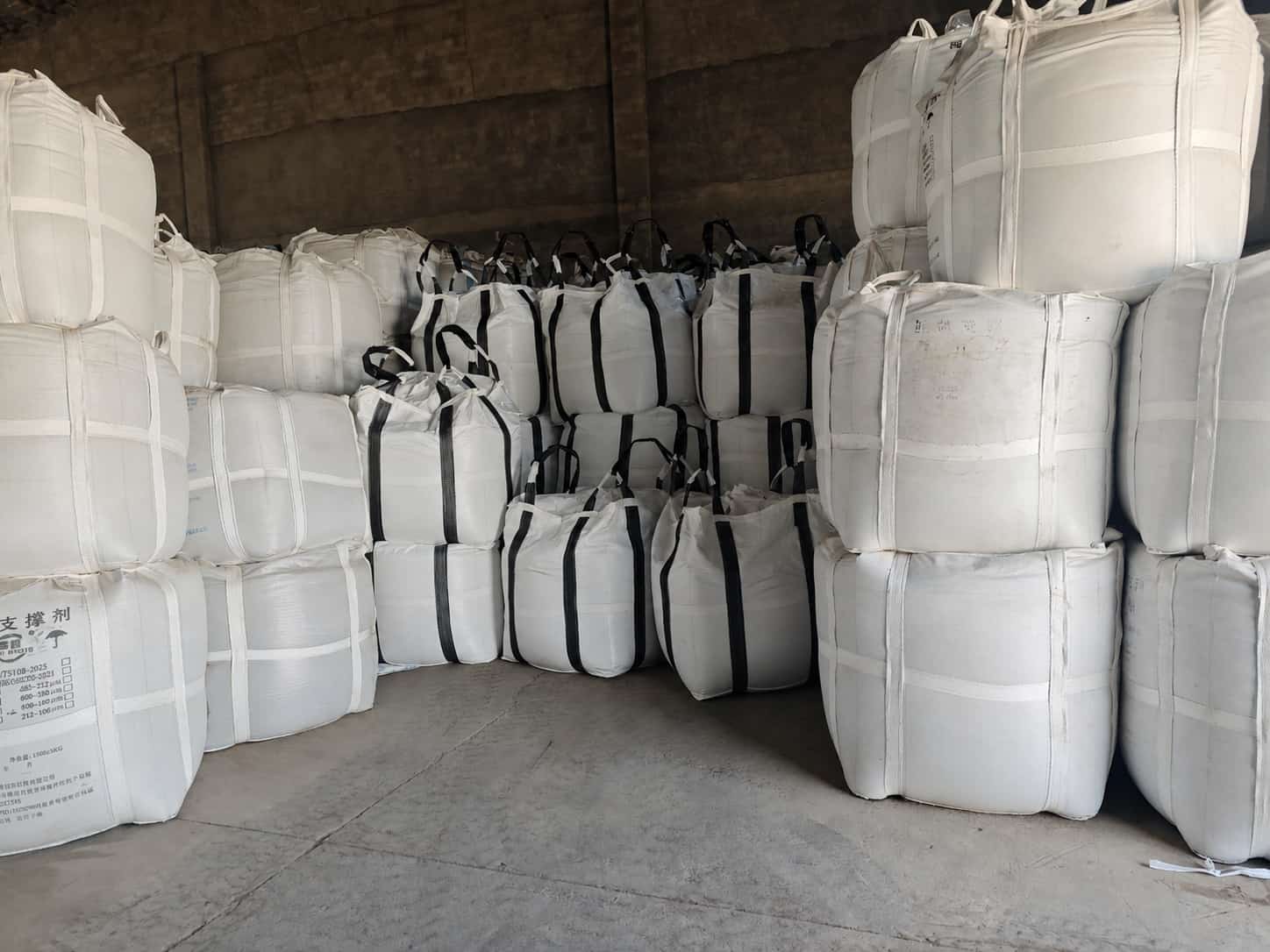
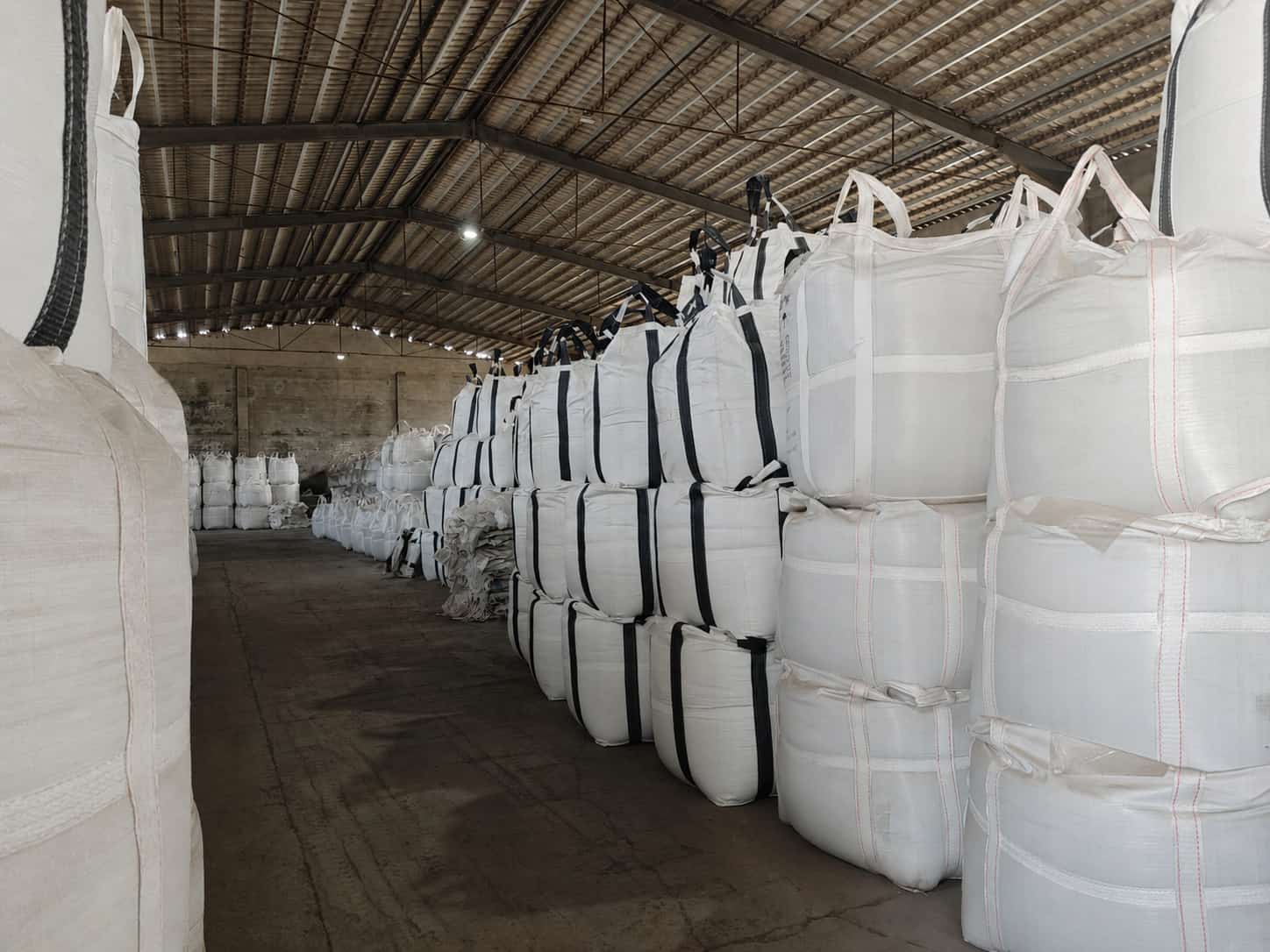
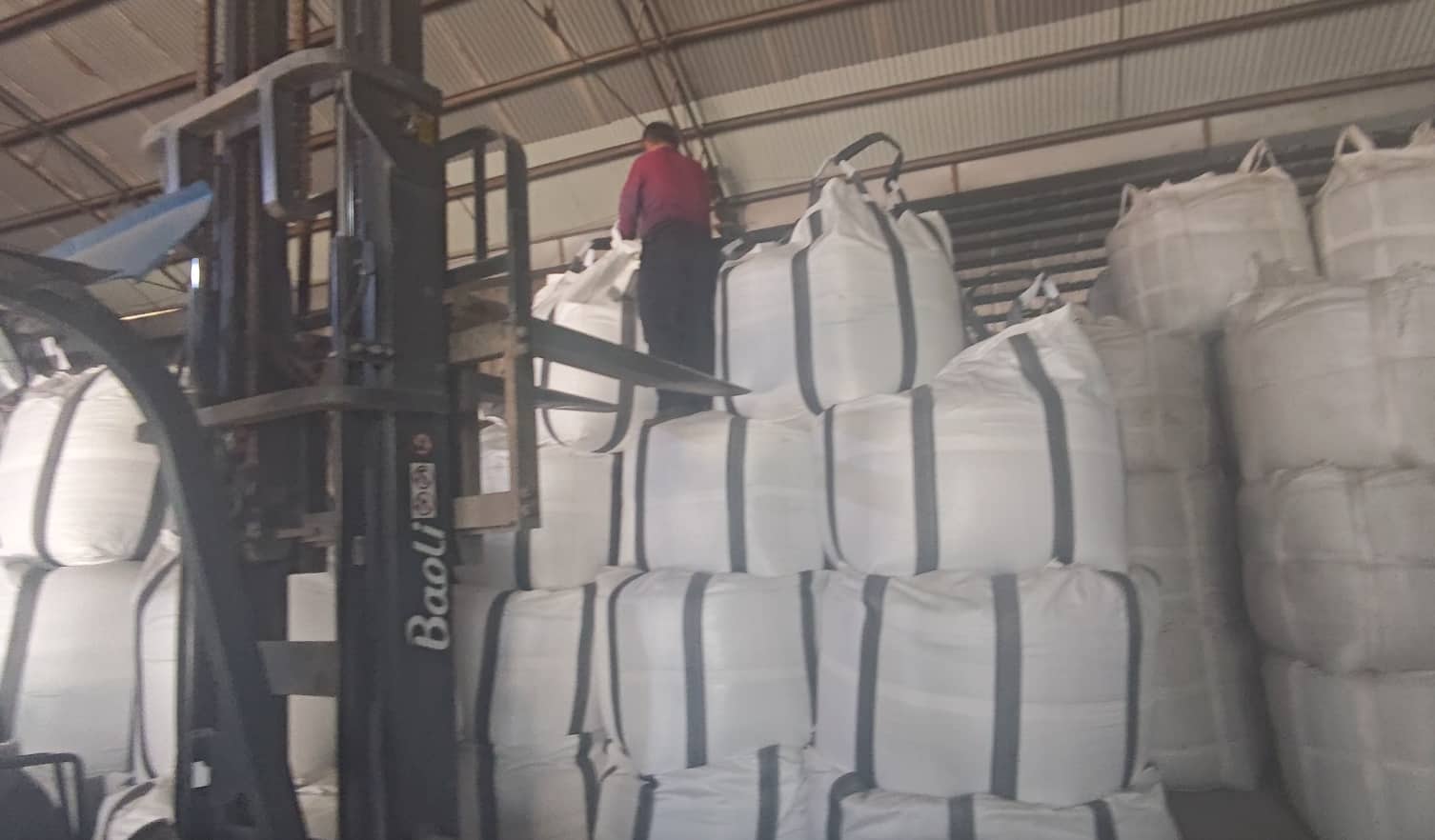
We checked the stacking of the 1.5 MT bulk bags and matched the quantity against the material set aside for inspection. They mattered: the fabric, lifting loops, stitching, and any trace of tearing or moisture.
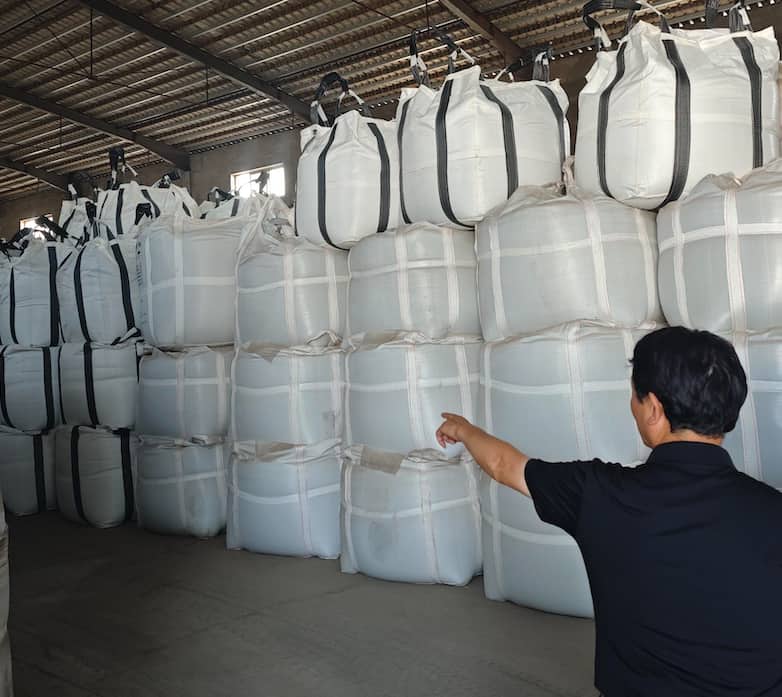
A clean bag says little about the proppant inside it, but damaged or damp packaging can create a shipment problem before a laboratory result even enters the discussion. The identification has to survive handling too. Grade, mesh size and production lot should all remain readable.
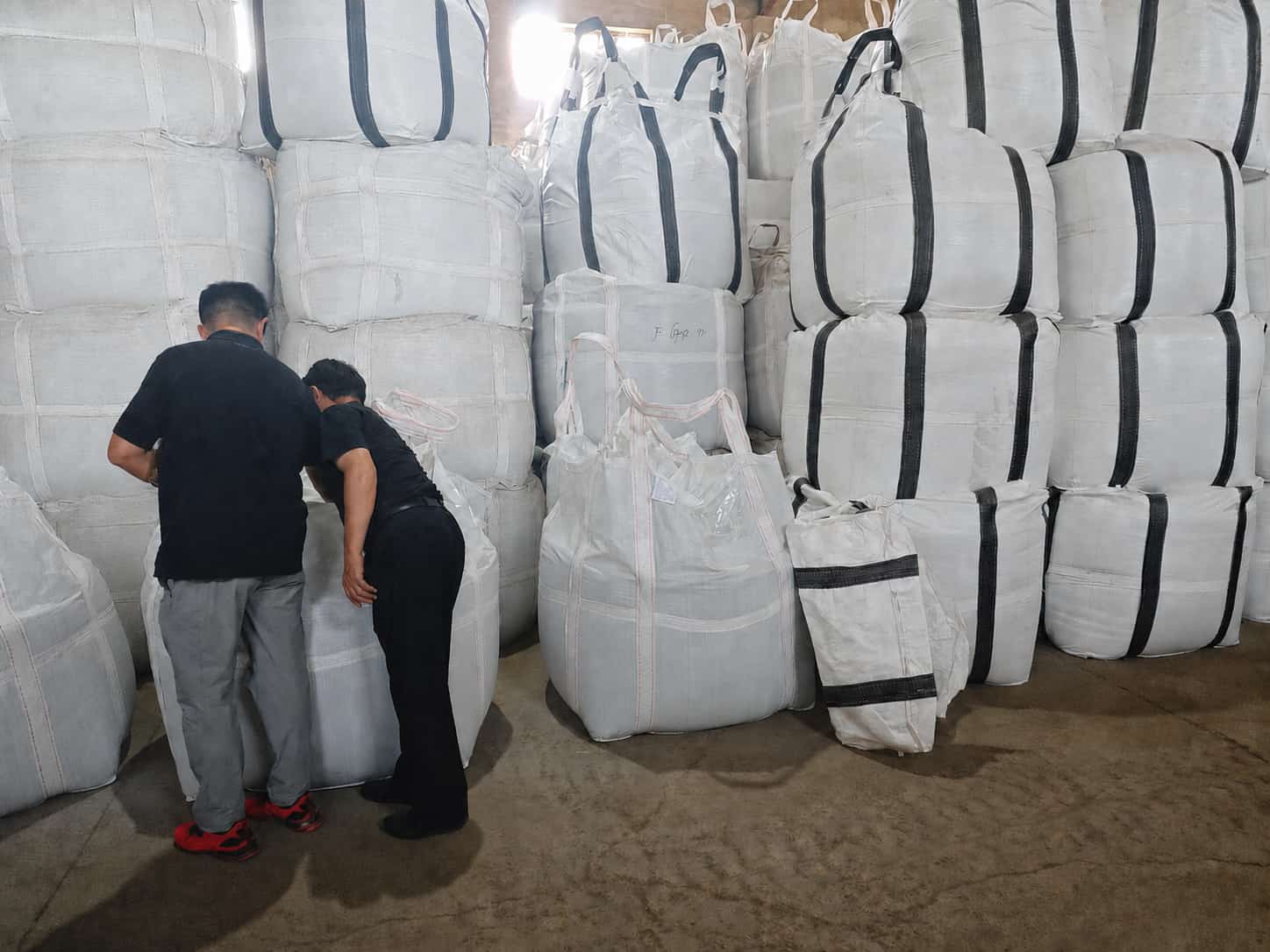
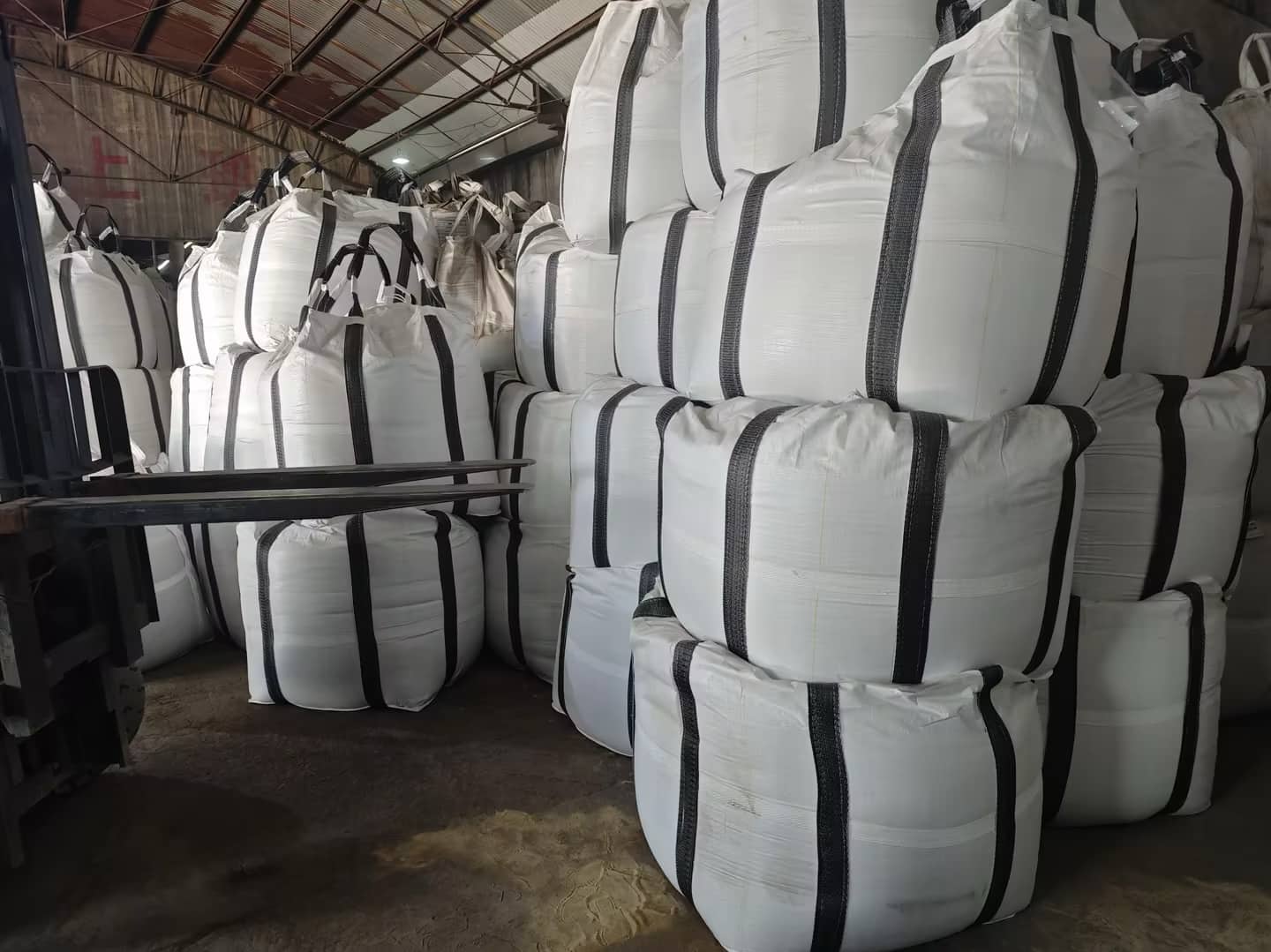
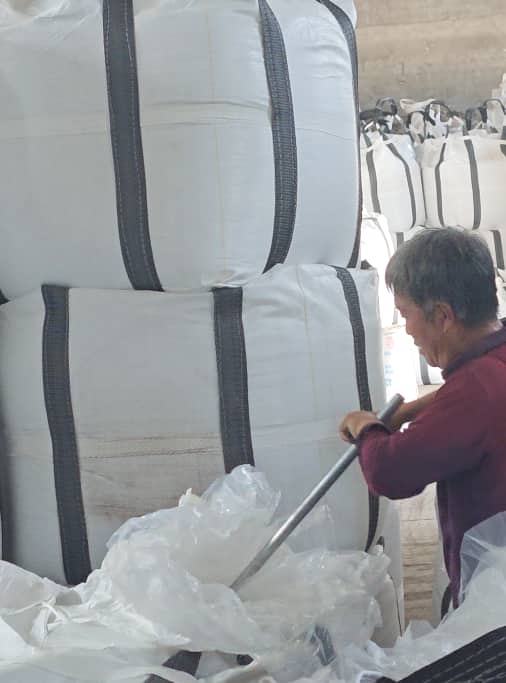
The warehouse inspection became more convincing when the forklift moved the upper bags. Rather than draw every portion from the easiest row, the operator opened bags lower in the stack as well. That made the sample less dependent on one convenient corner of the lot.
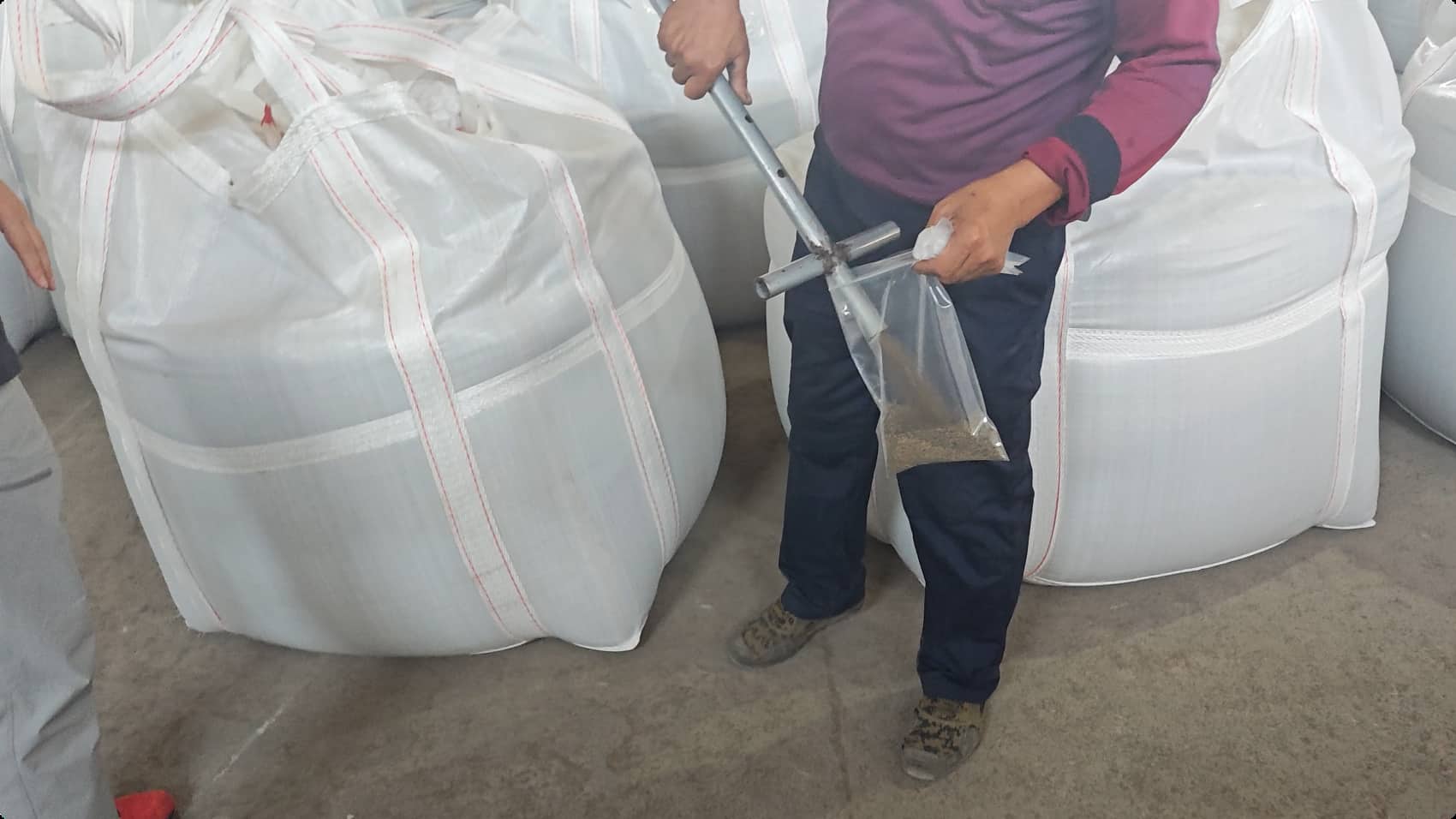
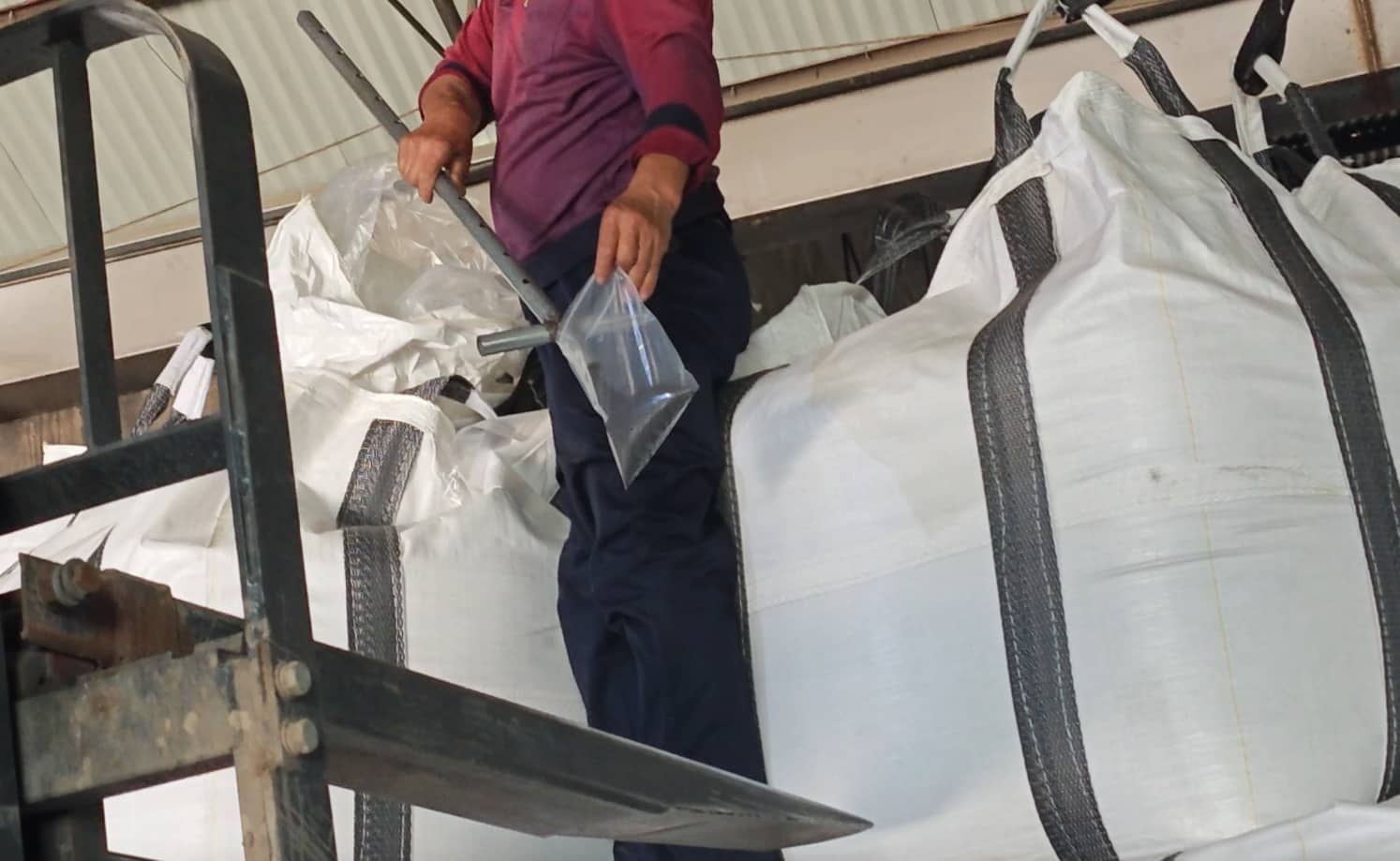
For each mesh size, the operator pushed a long sampling tube into a bulk bag and emptied the material into a separate sack. The process was repeated on other bags of the same size, combining each portion in that sack until it was about half full. The 16/30, 20/40 and 30/50 materials were handled separately.
The laboratory first checked particle-size distribution and bulk density. Next came the crush test. Apparent density, turbidity, acid solubility and grain shape were also checked.
While photography was restricted inside the lab, I was able to observe the entire workflow and verify all equipment displays firsthand.
After testing, part of each composite sample is sealed, labelled and stored for 1–2 years. The label links the sample to its product grade, mesh size, production lot, sampling date and inspection record.
This retained material closes the traceability chain. If a receiving test, repeat delivery or field result later raises a question, SEPPE can return to the sample from the original lot and compare it with the laboratory record. Keeping that physical reference makes a later investigation possible and gives buyers a clear basis for trust.
For ceramic proppant specifications, lot-specific test information or sample requests, contact SEPPE at info@seppe.cn.
Views: 14 Author: SEPROP Publish Time: 2026-08-21 Origin: SEPPE TECH
Before each shipment, we carry out a final batch verification. Random samples are taken directly from selected bulk bags and checked against the approved specification.
We checked the stacking of the 1.5 MT bulk bags and matched the quantity against the material set aside for inspection. They mattered: the fabric, lifting loops, stitching, and any trace of tearing or moisture.
A clean bag says little about the proppant inside it, but damaged or damp packaging can create a shipment problem before a laboratory result even enters the discussion. The identification has to survive handling too. Grade, mesh size and production lot should all remain readable.
The warehouse inspection became more convincing when the forklift moved the upper bags. Rather than draw every portion from the easiest row, the operator opened bags lower in the stack as well. That made the sample less dependent on one convenient corner of the lot.
For each mesh size, the operator pushed a long sampling tube into a bulk bag and emptied the material into a separate sack. The process was repeated on other bags of the same size, combining each portion in that sack until it was about half full. The 16/30, 20/40 and 30/50 materials were handled separately.
The laboratory first checked particle-size distribution and bulk density. Next came the crush test. Apparent density, turbidity, acid solubility and grain shape were also checked.
While photography was restricted inside the lab, I was able to observe the entire workflow and verify all equipment displays firsthand.
After testing, part of each composite sample is sealed, labelled and stored for 1–2 years. The label links the sample to its product grade, mesh size, production lot, sampling date and inspection record.
This retained material closes the traceability chain. If a receiving test, repeat delivery or field result later raises a question, SEPPE can return to the sample from the original lot and compare it with the laboratory record. Keeping that physical reference makes a later investigation possible and gives buyers a clear basis for trust.
For ceramic proppant specifications, lot-specific test information or sample requests, contact SEPPE at info@seppe.cn.