Views: 41 Author: CenoLite Publish Time: 2026-10-27 Origin: ABRASTECH REFRACTORIES FACTORY
Are you familiar with coal-fired thermal power plants? Much of the electricity that powers building lighting and everyday household appliances in our cities comes from the steady supply generated by these plants.
Coal-fired thermal power generation produces large quantities of fly ash.
Coal-fired thermal power plants use coal as their primary fuel. The intense combustion of coal produces large quantities of fly ash. If not managed properly, this ash can become airborne as dust or place a significant burden on soil and water resources.
Improper ash handling can create airborne dust and environmental pressure.
Consequently, finding ways to repurpose fly ash has become a key focus in the field of industrial environmental protection.
Fly ash is not merely worthless waste; it contains a unique type of hollow, spherical particle known as a cenosphere, which has a wide range of industrial applications.
Cenospheres are not simply scooped out of fly ash at random. In wet ash-handling systems, power plants discharge large volumes of fly ash into ash-settling ponds. Because these ultra-lightweight cenospheres have a lower density than water, they naturally float to the surface and can be recovered by density-based separation.
Low-density cenospheres floating on the surface of an ash-settling pond.
Floating cenospheres can be collected for further cleaning and classification.
Cenospheres possess a distinct hollow, spherical structure, whereas fly ash is a heterogeneous mixture of various coal-combustion particles with diverse internal structures. Because of this, cenospheres have a much lower density, allowing them to be separated from the rest of the fly ash through water-based or other density-separation methods.
Microscopic view showing the characteristic spherical morphology of cenospheres.
Selected hollow, spherical aluminosilicate particles with low density and more consistent lightweight-filler characteristics after classification.
A heterogeneous mixture of coal-combustion particles with different densities, shapes, particle sizes, and internal structures.
Typical cenosphere concentration by weight in fly ash
According to the review article Cenospheres: A Review, cenospheres typically account for 0.3%–1.5% of the total mass of fly ash. This means that 100 kg of fly ash may typically contain approximately 0.3–1.5 kg of cenospheres, although the actual yield depends on the coal source and combustion conditions.
As a result, unsorted fly ash cannot consistently provide the specific lightweight, hollow, and spherical characteristics offered by classified cenospheres. Raw fly ash therefore cannot be used directly in applications that specifically require cenospheres, such as lightweight fillers, thermal insulation materials, lightweight cement, or oil-well cementing systems.
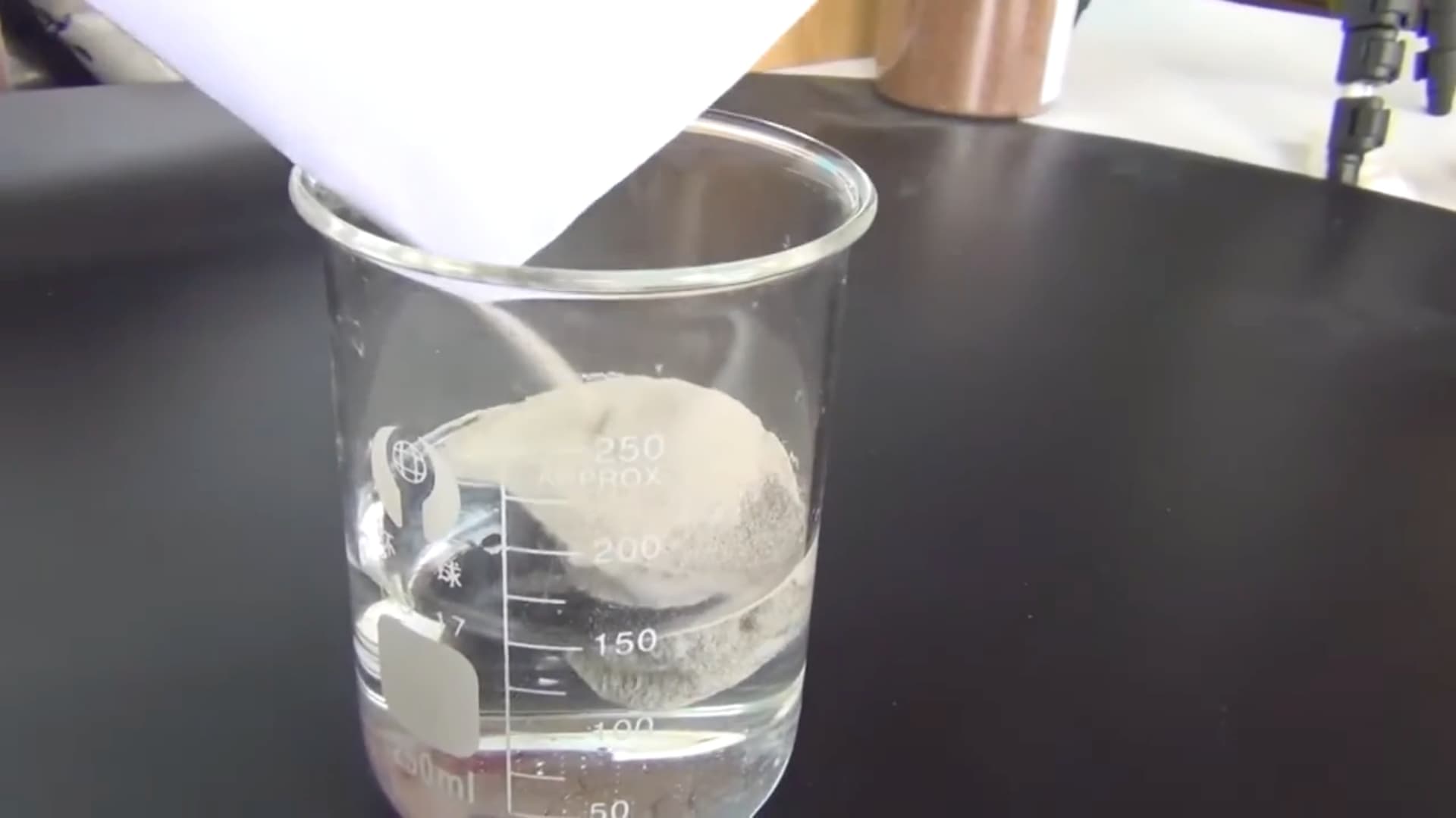
A cenosphere sample floating after being poured into water.
Since coal fly ash is more than just cenospheres, what else can it actually be used for? According to the U.S. Federal Highway Administration (FHWA) and the U.S. Environmental Protection Agency (EPA), the beneficial use of coal fly ash is primarily focused on construction.
Not necessarily. The fine ash carried in the flue gas of coal-fired power plants consists primarily of oxides of silicon, aluminum, iron, and calcium. In contrast, ash produced by burning plant matter, wood, or charcoal has a different composition and commonly contains potassium and calcium compounds, including potassium carbonate.
Primarily contains oxides of silicon, aluminum, iron, and calcium. Suitable uses depend on chemical composition, physical properties, technical specifications, and environmental requirements.
Contains potassium and calcium compounds and has traditionally been used as a source of potash in agriculture or in traditional chemical processes. It is not interchangeable with coal fly ash.
Coal fly ash can be utilized in cement, concrete, and road construction projects, provided it meets the relevant technical and environmental requirements. Meanwhile, cenospheres—hollow, spherical particles separated from coal fly ash—leverage their lightweight structure in applications such as lightweight fillers, coatings, and oil-well cementing systems.
For industrial applications, choosing the right cenosphere grade is essential.
SEPPE CenoLite is available in grades specifically designed for oil-well cementing and coatings. Both consist of classified, low-moisture hollow aluminosilicate microspheres.
Each grade features a distinct particle size distribution and set of material specifications to meet the requirements of different applications. If you are interested in our cenosphere products, please contact the SEPPE team.
Processed cenosphere powder ready for classification by application requirements.
To better understand how cenospheres are recovered from coal fly ash and why their hollow structure makes them useful in industrial applications, watch our short video.
Views: 41 Author: CenoLite Publish Time: 2026-10-27 Origin: ABRASTECH REFRACTORIES FACTORY
Are you familiar with coal-fired thermal power plants? Much of the electricity that powers building lighting and everyday household appliances in our cities comes from the steady supply generated by these plants.
Coal-fired thermal power generation produces large quantities of fly ash.
Coal-fired thermal power plants use coal as their primary fuel. The intense combustion of coal produces large quantities of fly ash. If not managed properly, this ash can become airborne as dust or place a significant burden on soil and water resources.
Improper ash handling can create airborne dust and environmental pressure.
Consequently, finding ways to repurpose fly ash has become a key focus in the field of industrial environmental protection.
Fly ash is not merely worthless waste; it contains a unique type of hollow, spherical particle known as a cenosphere, which has a wide range of industrial applications.
Cenospheres are not simply scooped out of fly ash at random. In wet ash-handling systems, power plants discharge large volumes of fly ash into ash-settling ponds. Because these ultra-lightweight cenospheres have a lower density than water, they naturally float to the surface and can be recovered by density-based separation.
Low-density cenospheres floating on the surface of an ash-settling pond.
Floating cenospheres can be collected for further cleaning and classification.
Cenospheres possess a distinct hollow, spherical structure, whereas fly ash is a heterogeneous mixture of various coal-combustion particles with diverse internal structures. Because of this, cenospheres have a much lower density, allowing them to be separated from the rest of the fly ash through water-based or other density-separation methods.
Microscopic view showing the characteristic spherical morphology of cenospheres.
Selected hollow, spherical aluminosilicate particles with low density and more consistent lightweight-filler characteristics after classification.
A heterogeneous mixture of coal-combustion particles with different densities, shapes, particle sizes, and internal structures.
Typical cenosphere concentration by weight in fly ash
According to the review article Cenospheres: A Review, cenospheres typically account for 0.3%–1.5% of the total mass of fly ash. This means that 100 kg of fly ash may typically contain approximately 0.3–1.5 kg of cenospheres, although the actual yield depends on the coal source and combustion conditions.
As a result, unsorted fly ash cannot consistently provide the specific lightweight, hollow, and spherical characteristics offered by classified cenospheres. Raw fly ash therefore cannot be used directly in applications that specifically require cenospheres, such as lightweight fillers, thermal insulation materials, lightweight cement, or oil-well cementing systems.
A cenosphere sample floating after being poured into water.
Since coal fly ash is more than just cenospheres, what else can it actually be used for? According to the U.S. Federal Highway Administration (FHWA) and the U.S. Environmental Protection Agency (EPA), the beneficial use of coal fly ash is primarily focused on construction.
Not necessarily. The fine ash carried in the flue gas of coal-fired power plants consists primarily of oxides of silicon, aluminum, iron, and calcium. In contrast, ash produced by burning plant matter, wood, or charcoal has a different composition and commonly contains potassium and calcium compounds, including potassium carbonate.
Primarily contains oxides of silicon, aluminum, iron, and calcium. Suitable uses depend on chemical composition, physical properties, technical specifications, and environmental requirements.
Contains potassium and calcium compounds and has traditionally been used as a source of potash in agriculture or in traditional chemical processes. It is not interchangeable with coal fly ash.
Coal fly ash can be utilized in cement, concrete, and road construction projects, provided it meets the relevant technical and environmental requirements. Meanwhile, cenospheres—hollow, spherical particles separated from coal fly ash—leverage their lightweight structure in applications such as lightweight fillers, coatings, and oil-well cementing systems.
For industrial applications, choosing the right cenosphere grade is essential.
SEPPE CenoLite is available in grades specifically designed for oil-well cementing and coatings. Both consist of classified, low-moisture hollow aluminosilicate microspheres.
Each grade features a distinct particle size distribution and set of material specifications to meet the requirements of different applications. If you are interested in our cenosphere products, please contact the SEPPE team.
Processed cenosphere powder ready for classification by application requirements.
To better understand how cenospheres are recovered from coal fly ash and why their hollow structure makes them useful in industrial applications, watch our short video.