| Quantity: | |
|---|---|
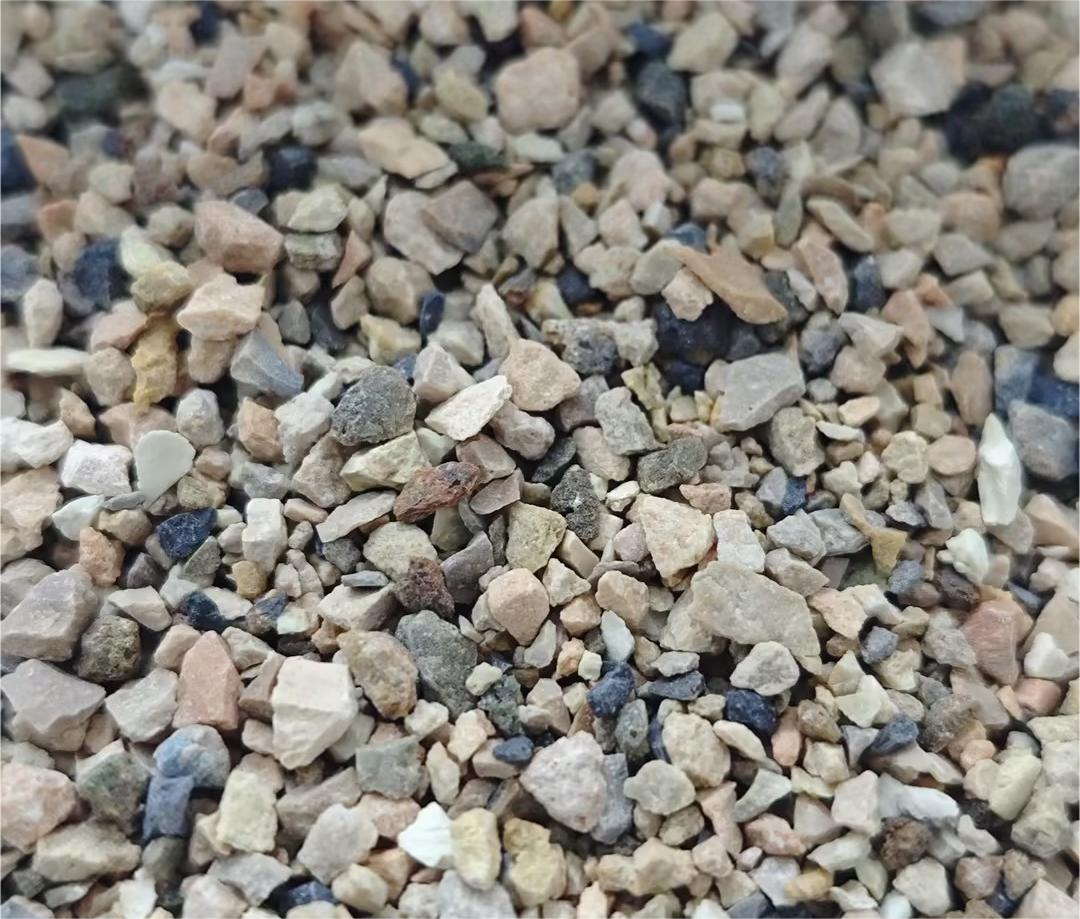
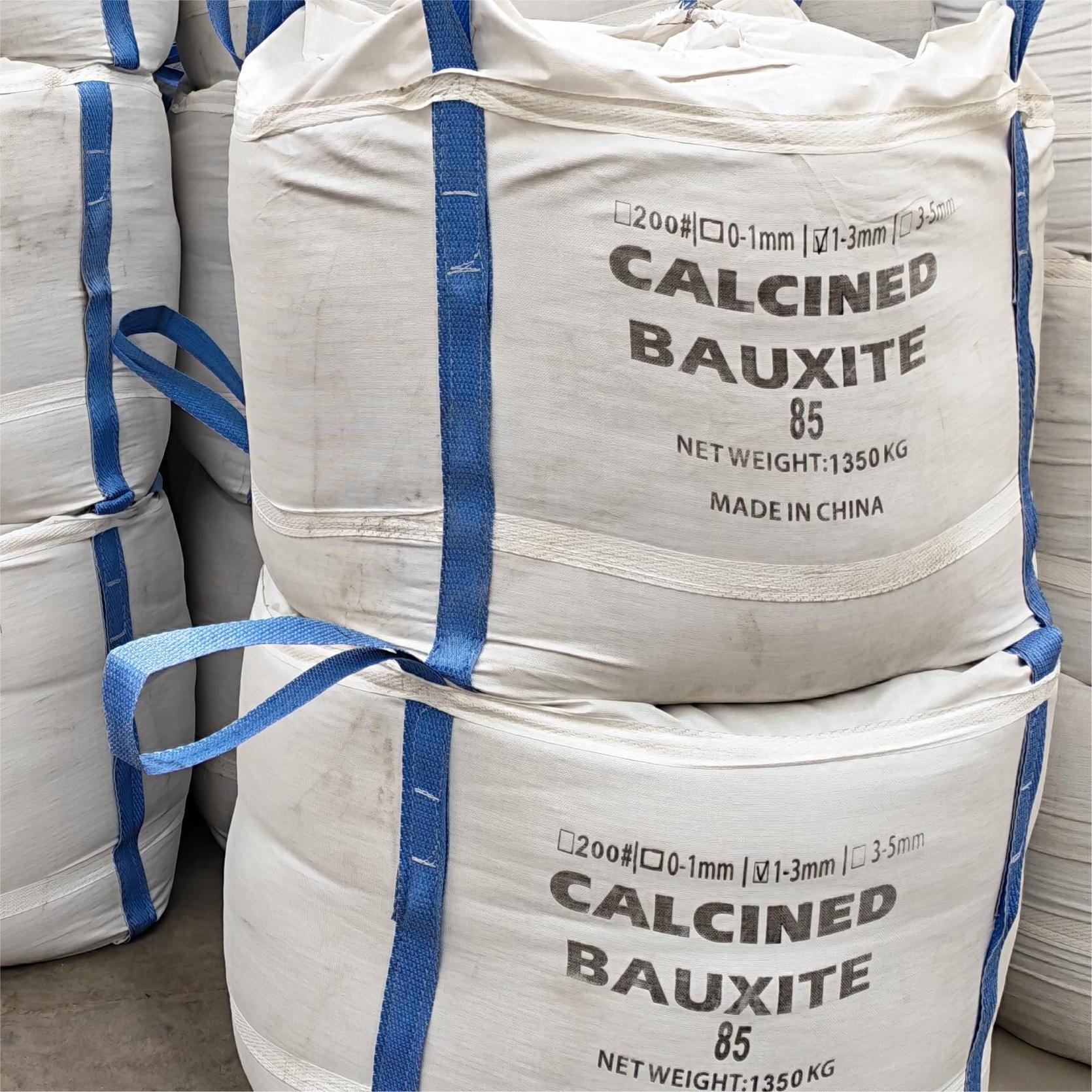
1-3mm
SEPPE BAUXITE
SEPPE low crystalline silica calcined bauxite is developed for high-friction and anti-slip surfacing systems where aggregate durability, surface grip and transparent silica documentation are important. The designated 1–3 mm shaft-kiln grade—with Al₂O₃ ≥80% (typically 82–85%) and PSV ≥70—recorded less than 1% crystalline silica in laboratory testing while retaining the hard, angular structure required for demanding resin-bonded and traffic-bearing surfaces.
Result applies to the specified laboratory-tested material. Request the current report and batch documentation before specification or purchase.
Low crystalline silica calcined bauxite is a selected and calcined bauxite aggregate with a documented crystalline silica content below the stated threshold. SEPPE's designated low-silica grade is produced from selected bauxite, calcined in a shaft kiln, and screened to a controlled 1–3 mm particle size for high-friction and anti-slip applications.
Unlike a general “low silica” statement based only on total SiO₂ chemistry, the <1% value refers specifically to crystalline silica measured in the tested material. The applicable laboratory report, test method and sample identification should be reviewed together when evaluating the product.
Crystalline silica information is increasingly requested during material selection, workplace risk review and supplier qualification. A clearly tested low crystalline silica grade gives contractors, coating formulators and procurement teams more precise information about the raw aggregate they are handling.
Low crystalline silica content does not mean silica-free or dust-free. Appropriate handling procedures, dust controls, personal protective equipment and project-specific risk assessment remain necessary.
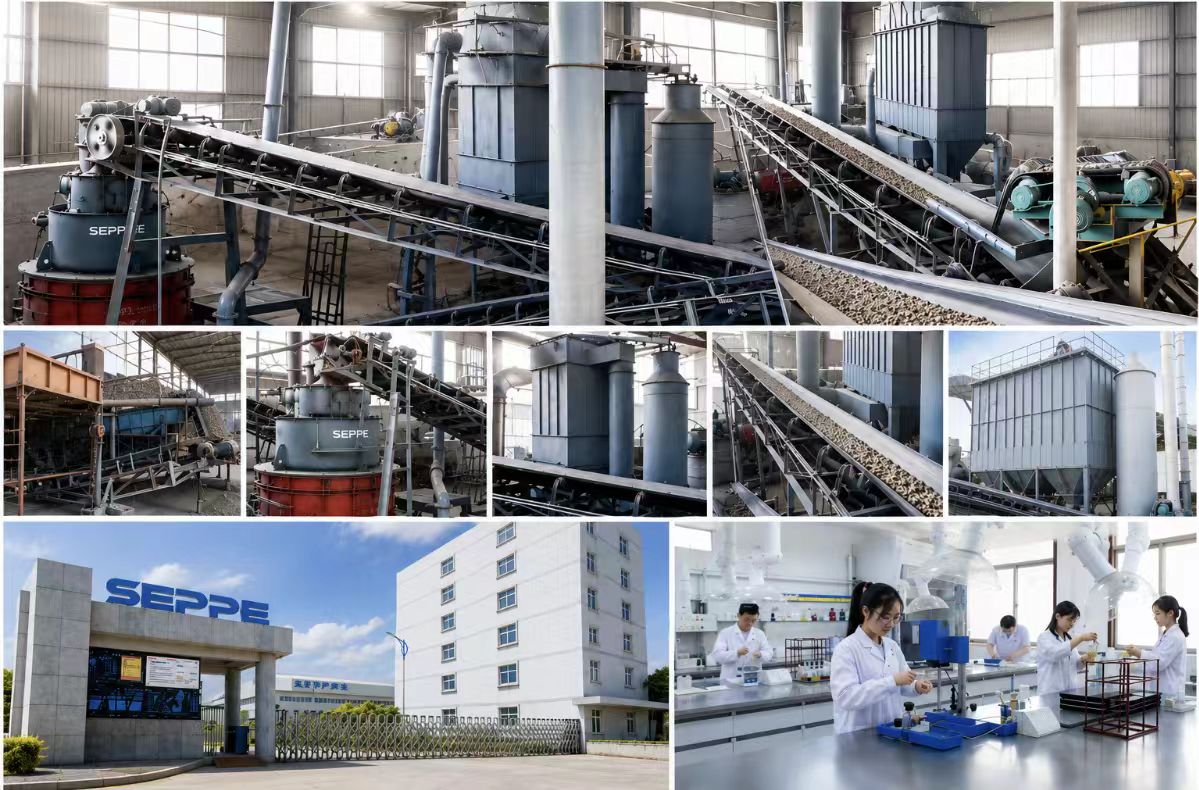
From raw material selection to finished aggregate, the process is controlled to support consistent chemistry, particle size and product documentation.
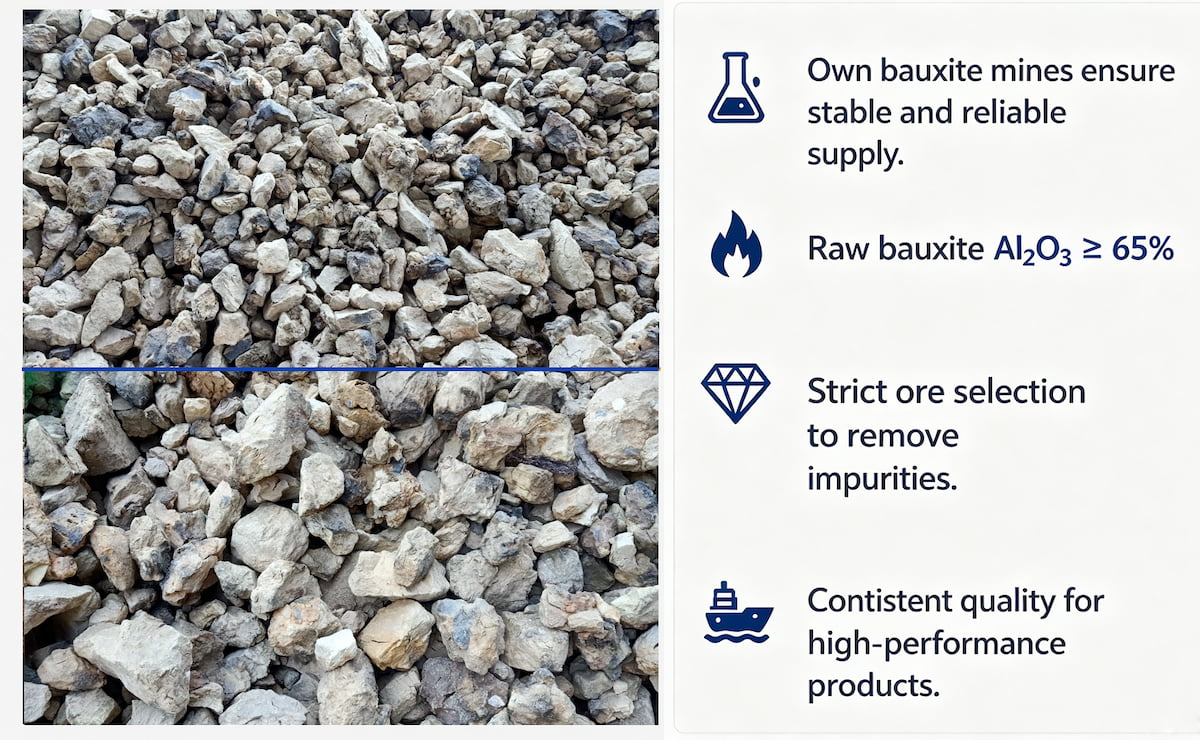
01 — Raw Material · Selected bauxite for the 80-grade product
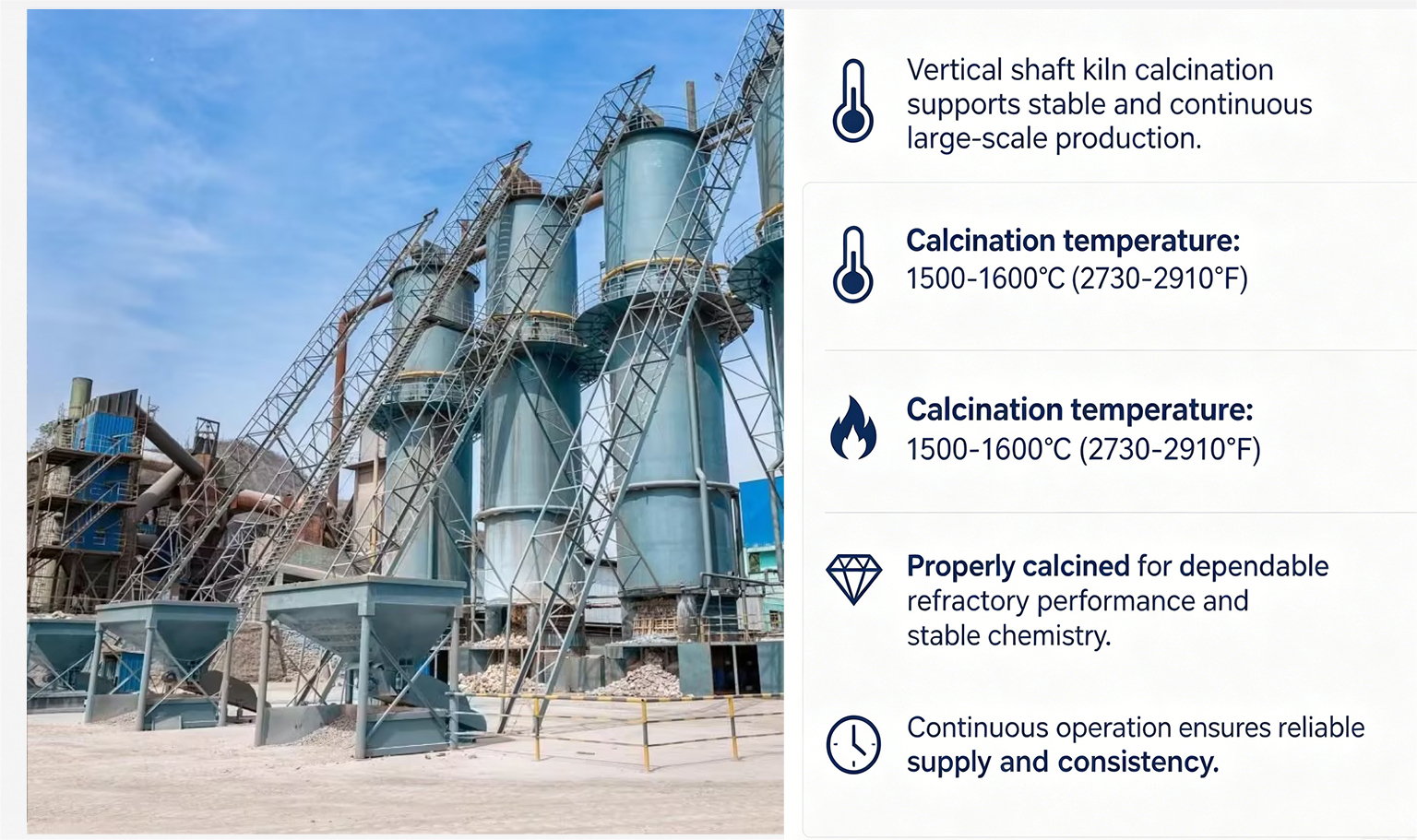
02 — Shaft-Kiln Calcination · Controlled high-temperature calcination
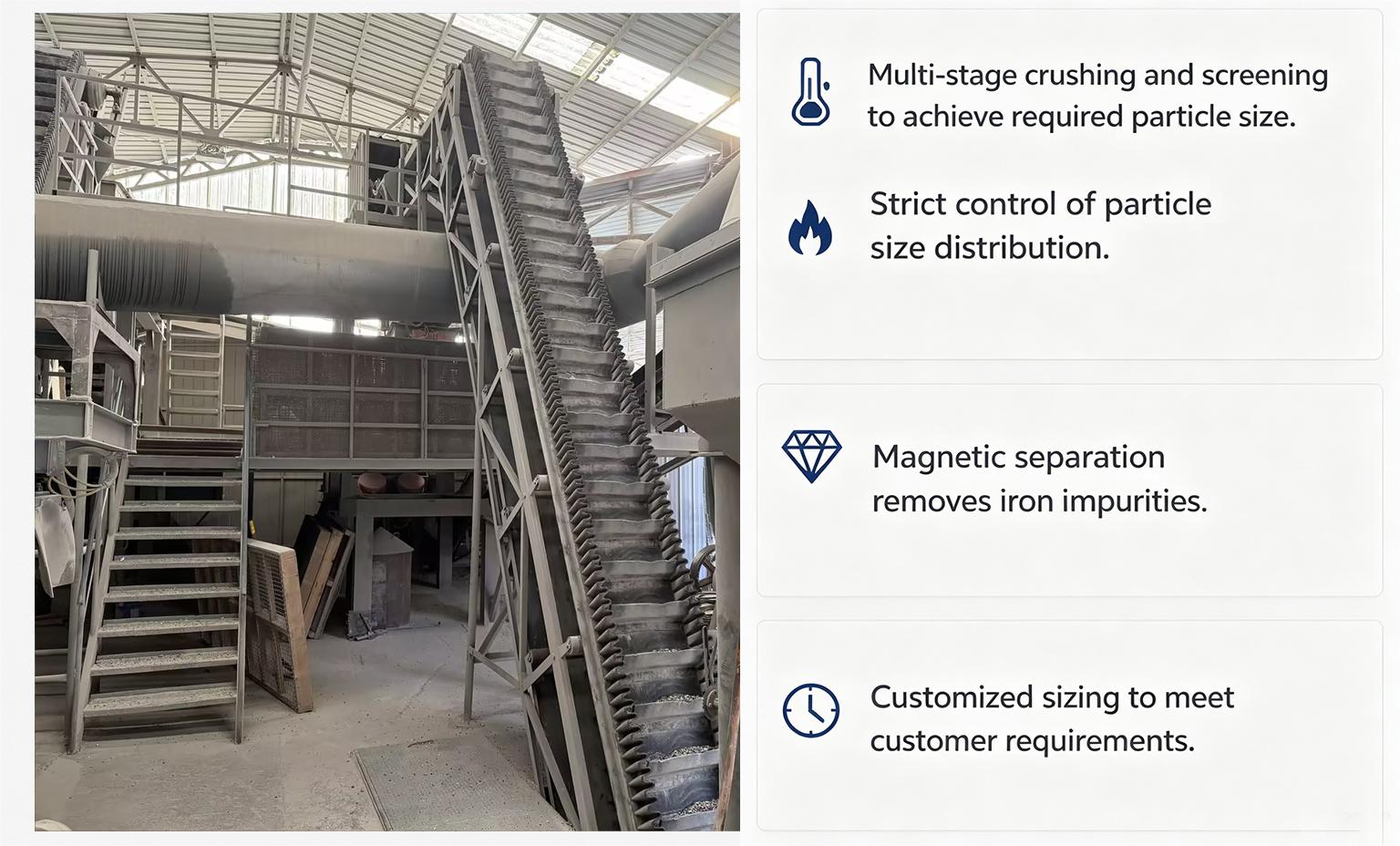
03 — Crushing & Grading · Controlled particle-size distribution
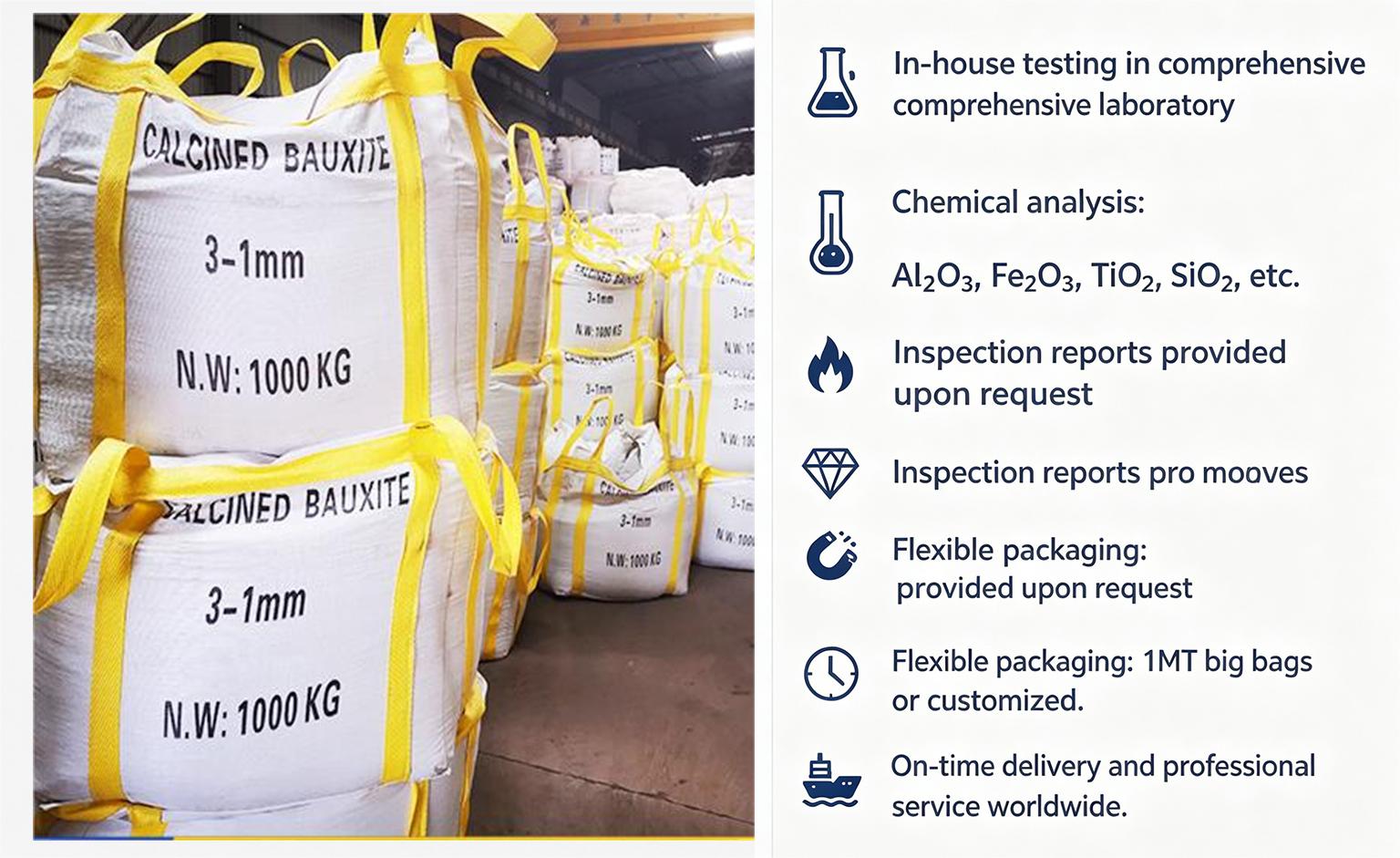
04 — Testing & Delivery · Final inspection and global packaging
▸ Crystalline Silica Analysis — laboratory analysis of the specified material recorded a result below 1%.
▸ Chemical Analysis — Al₂O₃ is controlled at ≥80% (typically 82–85%), with other major oxides also monitored.
▸ Particle Size Control — screening and grading are checked against the specified 1–3 mm size range.
▸ Physical Testing — the specified product requirement is PSV ≥70; supporting physical test data are available on request.
▸ Batch Documentation — request current reports, sample identification and commercial batch documents before final approval.
• Low Crystalline Silica — the specified laboratory-tested grade recorded crystalline silica below 1%.
• Hard, Angular Aggregate — processed particles help create a textured surface for high-friction and anti-slip systems.
• Wear and Polishing Resistance — selected grades are available for surfaces exposed to pedestrian movement, braking, turning and repeated traffic.
• Resin-System Compatibility — suitable for use with compatible epoxy, polyurethane and other resin-bonded coating systems.
• Controlled Particle Size — the 1–3 mm grading is screened for consistent application and resin coverage.
• Supporting Documentation — laboratory reports, technical data, samples and batch information are available upon request.
| Property | Specified Low Crystalline Silica Grade |
| Crystalline Silica | <1%* |
| Al₂O₃ | ≥80% (typically 82–85%) |
| Calcination Type | Shaft kiln |
| Particle Size | 1–3 mm |
| PSV (Polished Stone Value) | ≥70 |
| Documentation | Laboratory report, technical data and samples on request |
The crystalline silica value is based on the tested sample of the specified material. Product acceptance should be based on the current laboratory report and agreed commercial specification.
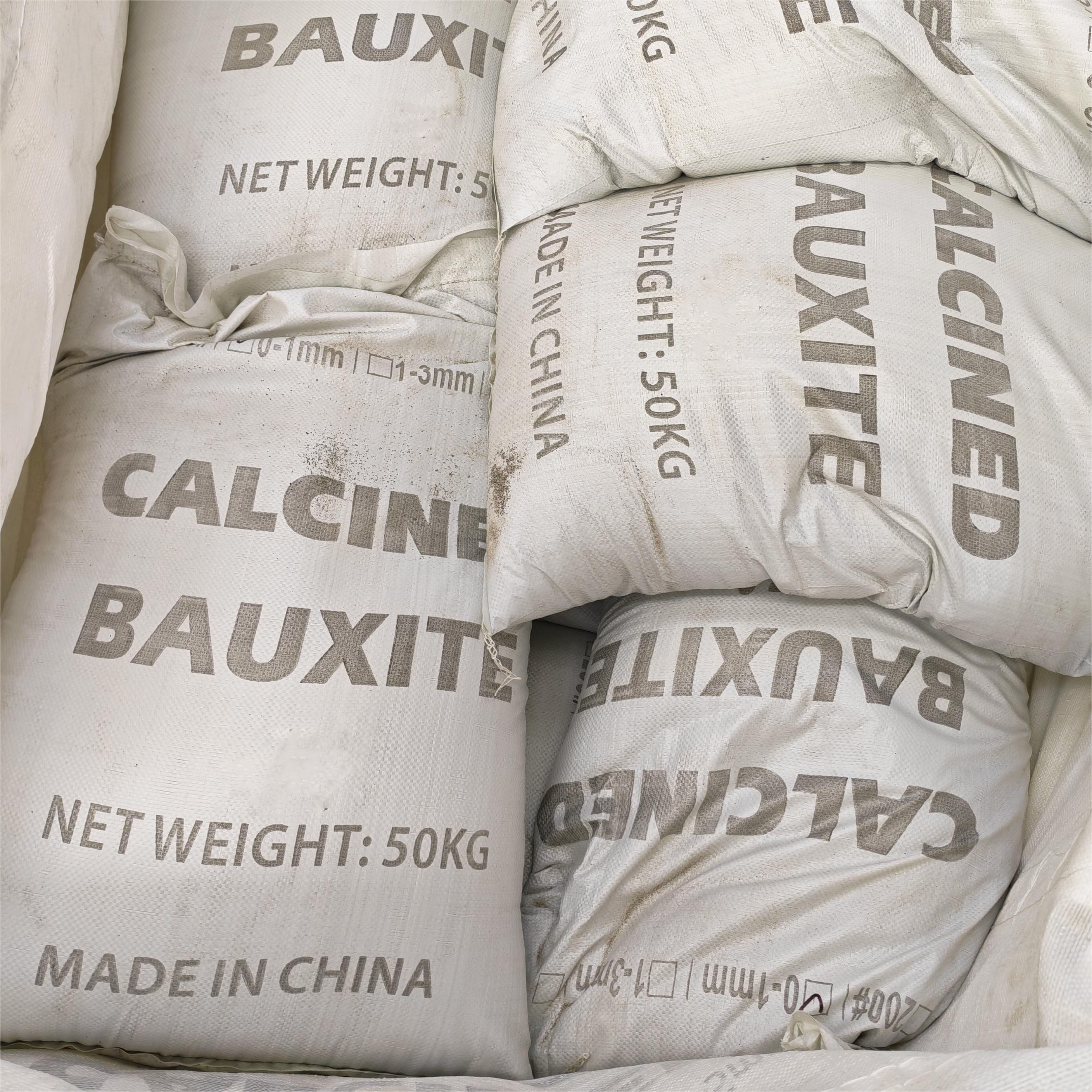
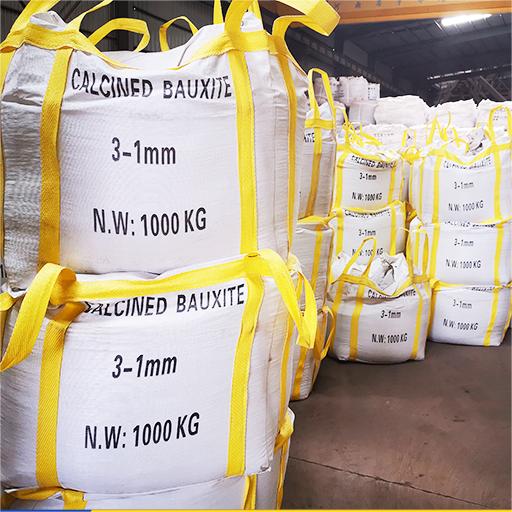
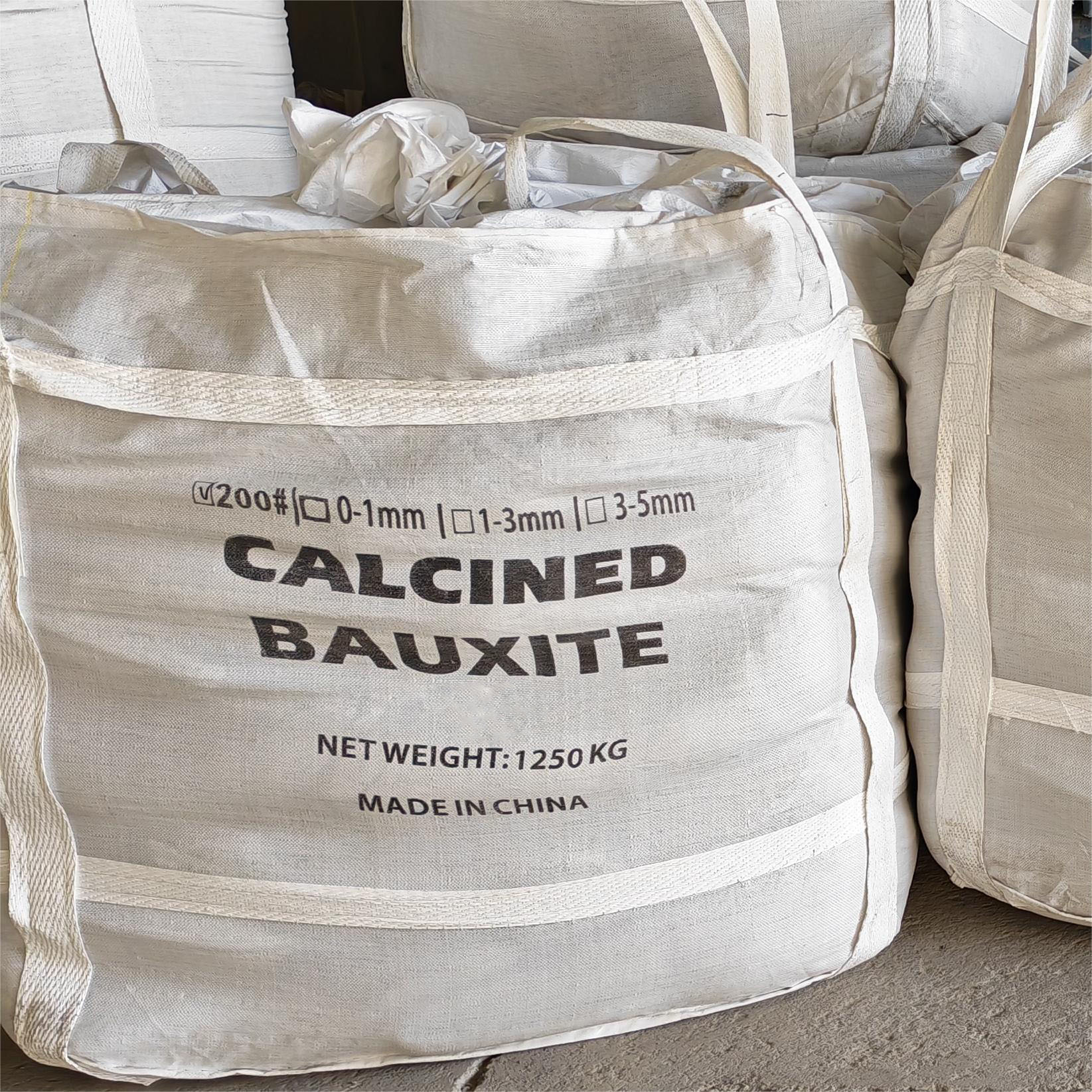
▸ 50 kg bags, 1 MT jumbo bags or packaging according to confirmed order requirements
▸ Custom bag printing and private labelling available for commercial orders
▸ Samples and supporting technical documents can be arranged before bulk shipment
It means the tested sample of the specified calcined bauxite grade recorded less than 1% crystalline silica under the laboratory method stated in the report. It is a bulk-material composition result, not an airborne dust exposure measurement.
No. A result below 1% must not be described as silica-free. Normal dust-control and safe-handling measures remain necessary during transport, pouring, mixing and application.
The claim applies only to the designated grade and tested material identified in the relevant laboratory documentation. Other grades should be assessed using their own reports.
Yes. The specified product is supplied in a controlled 1–3 mm grading for compatible epoxy, polyurethane and other resin-bonded systems. Final application suitability should be confirmed with the surfacing-system designer or binder supplier.
Yes. Samples, technical data and available laboratory documentation can be requested for product evaluation before a commercial order.
Contact SEPPE for product samples, crystalline silica documentation, technical data, available physical test reports and bulk pricing.