| Quantity: | |
|---|---|
GH
72051000
SEPPE Steel Grit GH is a high-carbon, high-hardness angular cast steel grit designed for heavy-duty cutting, deep anchor profiling, thick rust removal and aggressive coating pre-treatment. As the highest hardness grade among GP, GL and GH steel grit, GH keeps sharp cutting edges longer and is suitable for demanding blasting work on hard steel workpieces, ship structures, bridges, wind towers, tanks, pipelines and heavy machinery.
Product: GH grade high-hardness cast steel grit for heavy-duty surface preparation
Other Names: GH Steel Grit, High Hardness Steel Grit, Angular Steel Abrasive
Standard Reference: SAE J199 / common G series steel grit size grades
Manufacturer of Material: SEPPE TECHNOLOGIES
▸ GH steel grit is the highest hardness grade among cast steel grit GP, GL and GH.
▸ It is designed to cut more aggressively than GP and GL, making it useful for severe rust, heavy oxide scale, old coating removal and deep surface roughness requirements.
▸ GH is mainly selected when high cleaning speed and strong anchor pattern are more important than maximum abrasive toughness.
▸ Outstanding Cutting Capacity: High hardness and angular shape support faster heavy rust and scale removal.
▸ Deep Anchor Pattern: Helps create roughness for heavy anti-corrosion coatings, high-build epoxy and glass flake coating systems.
▸ Dual Blasting Compatibility: Suitable for high-pressure air blasting, blast rooms and automatic steel plate pre-treatment lines.
▸ Low Mineral Dust Alternative: Produces less dust than many natural mineral abrasives under suitable recycling conditions.
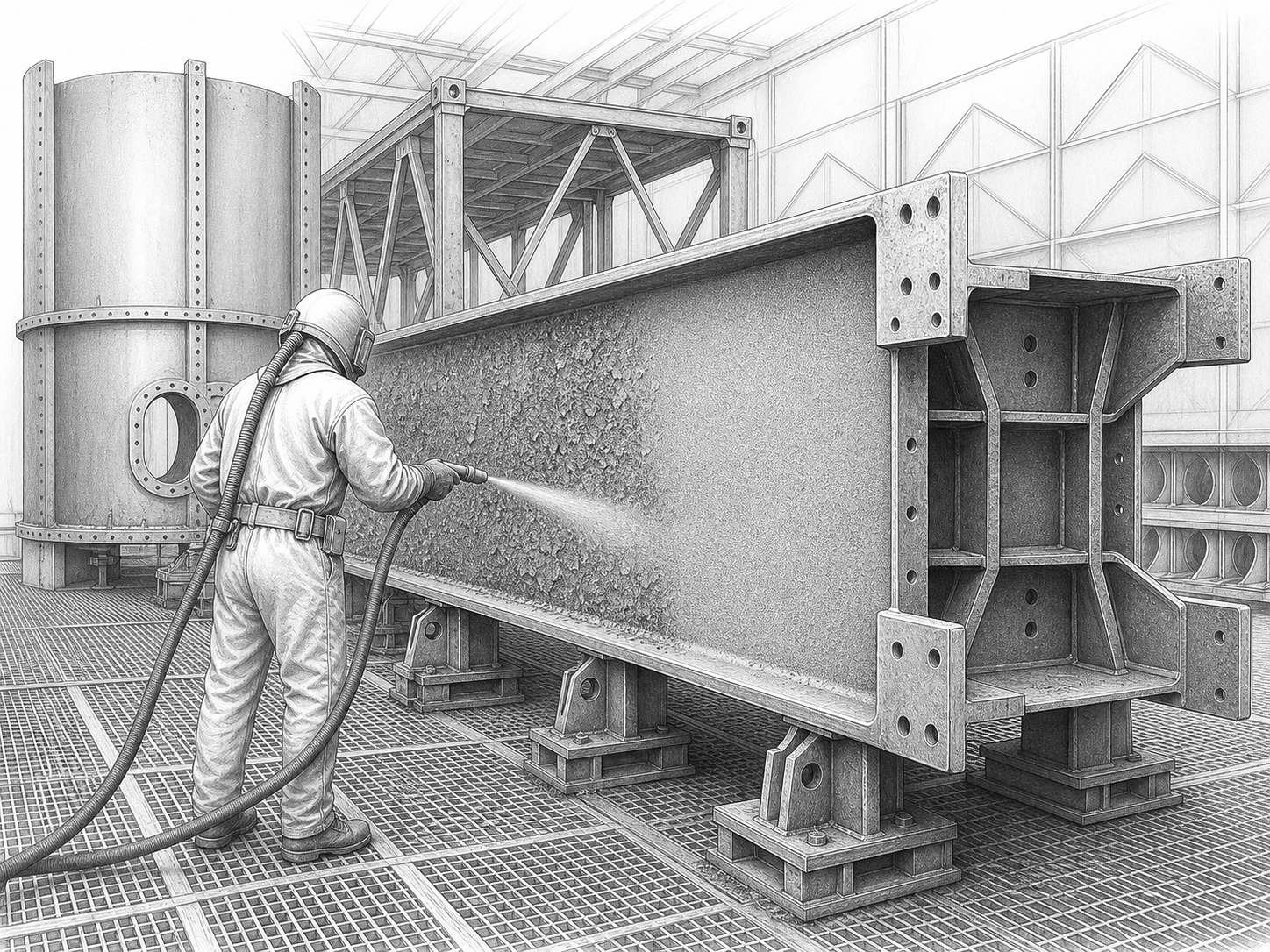 | Heavy Steel Structures ▸ Used for wind towers, bridge steel, containers, hull structures and heavy fabricated steel sections. ▸ GH high-hardness grit provides strong cutting power for severe rust and thick oxide scale. ▸ Suitable when a deeper anchor profile is required before heavy anti-corrosion coating. |
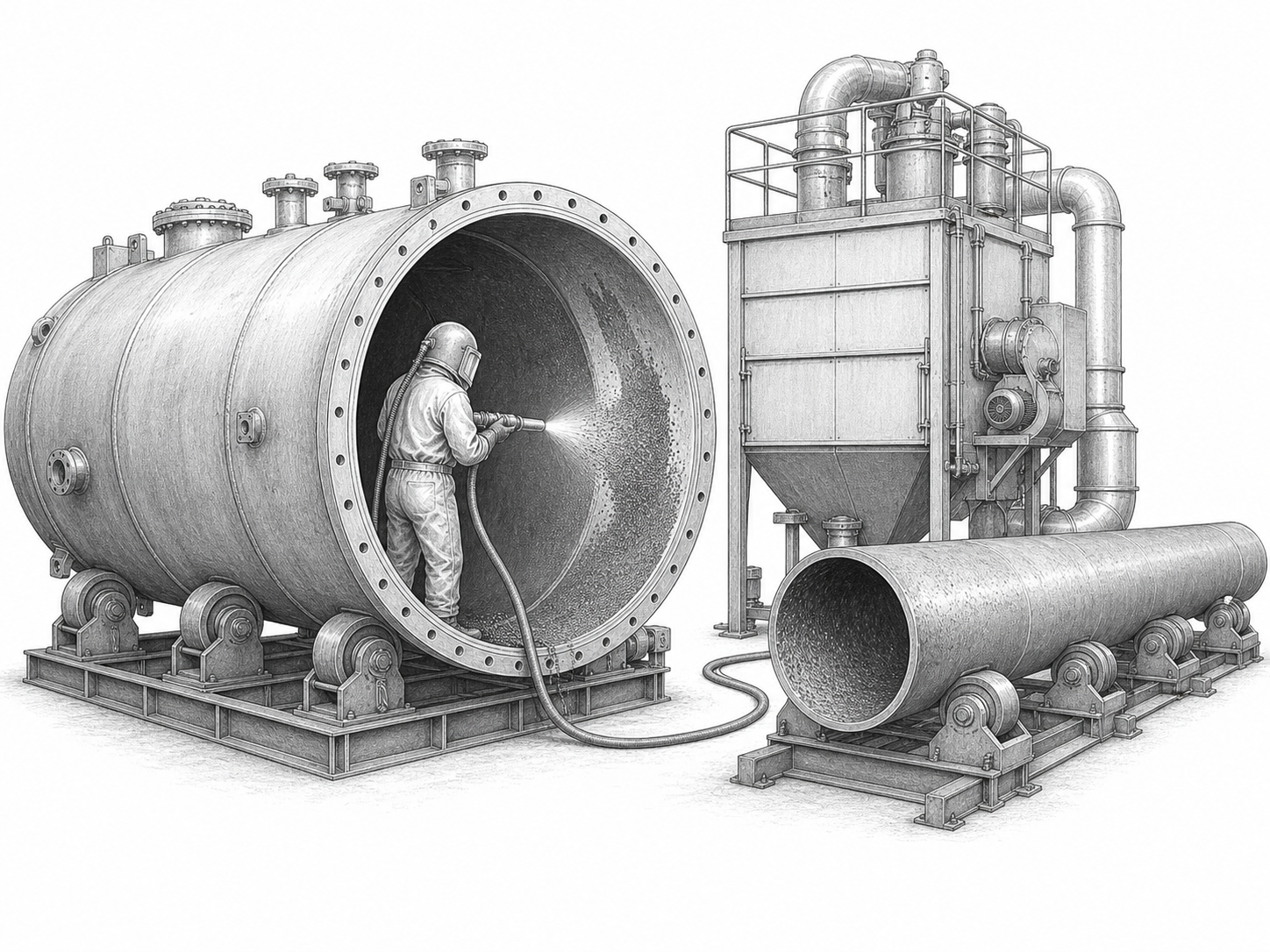 | Pressure Vessels & Pipelines ▸ Used for storage tanks, pressure vessel shells and oil or gas pipeline surfaces. ▸ Aggressive angular cutting removes heavy scale and prepares the surface for protective coating. ▸ Best suited for thick steel parts where stronger cutting and deeper roughness are acceptable. |
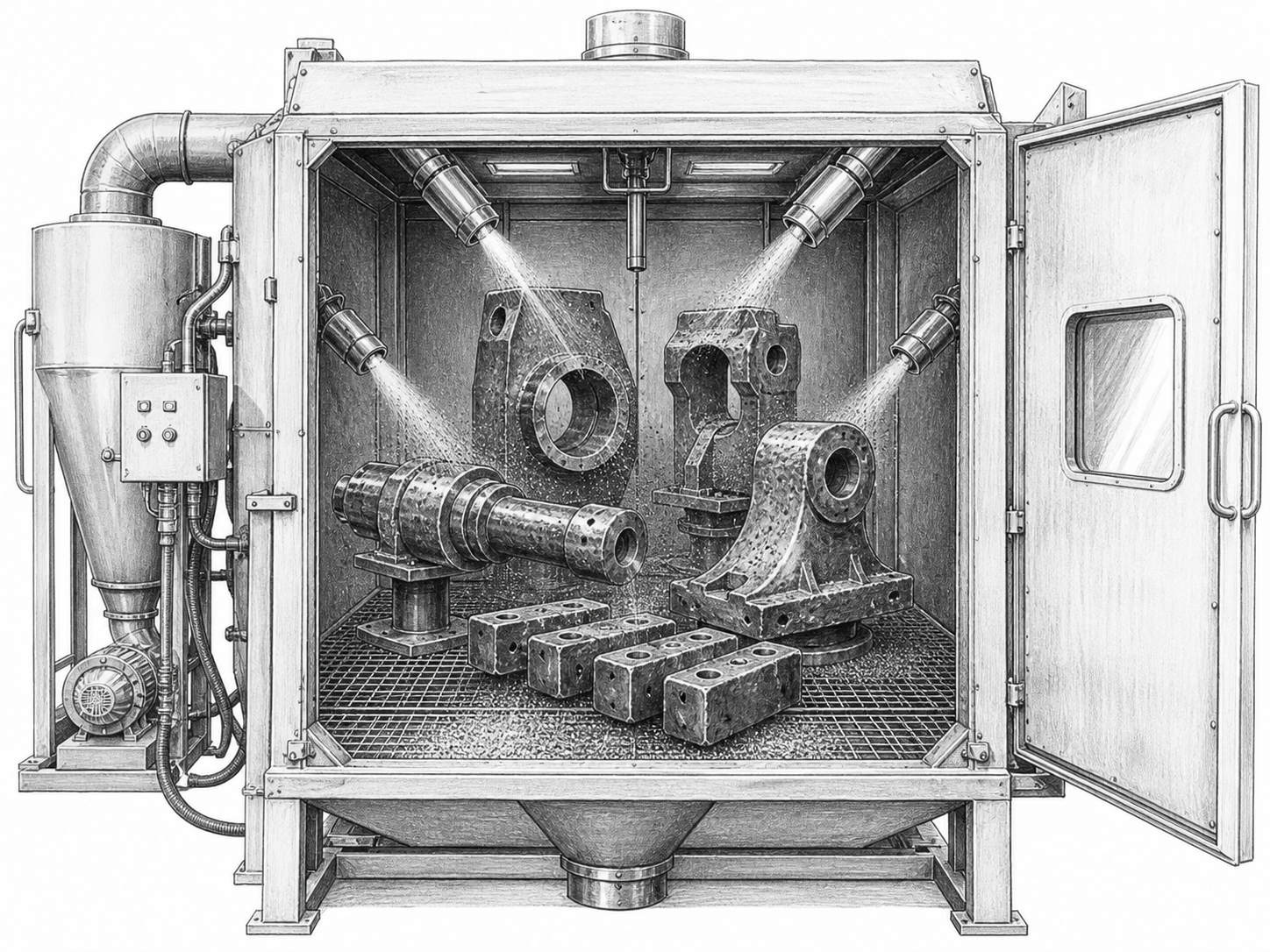 | Hard Workpieces ▸ Used for heat-treated parts, heavy castings, forged blocks and hard steel surfaces. ▸ GH keeps sharp cutting edges longer than lower-hardness grit under demanding blasting conditions. ▸ Recommended for aggressive cleaning where workpiece hardness and thickness can tolerate strong cutting. |
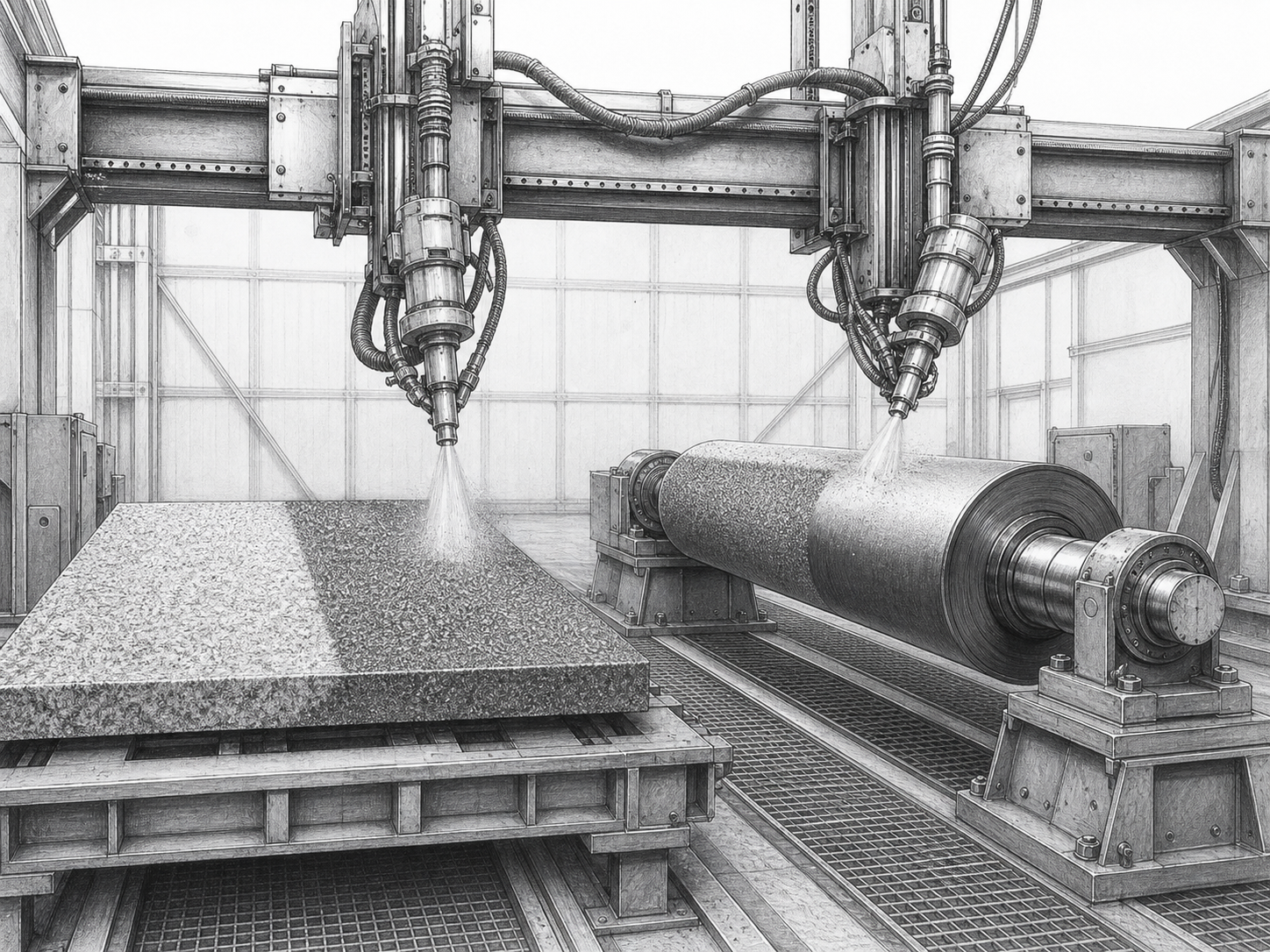 | Stone & Roller Processing ▸ Used for granite surface dressing, roller surface treatment and mold texturing work. ▸ High hardness and angular shape support deeper texturing and stronger cutting performance. ▸ Suitable for special processing applications where sharpness and surface bite are required. |
▸ Choose GH when strong cutting, deep roughness and heavy coating pre-treatment are required.
▸ If the workpiece is thin, easily deformed or only needs regular cleaning, GP or GL may be more economical.
▸ GH is the high-hardness cutting grade for severe rust, thick oxide scale, hard steel surfaces and deep anchor profile requirements.
▸ Steel grit works mainly by angular cutting. Compared with steel shot, it creates a clearer anchor profile and removes rust or coating more aggressively.
▸ Final selection should consider workpiece thickness, rust level, coating requirement, blasting machine type and target surface roughness.
▸ Scrap steel management - induction furnace melting - centrifugal atomization - drying - screening - quenching - spiral separation - grit crushing - tempering - final screening - packaging.
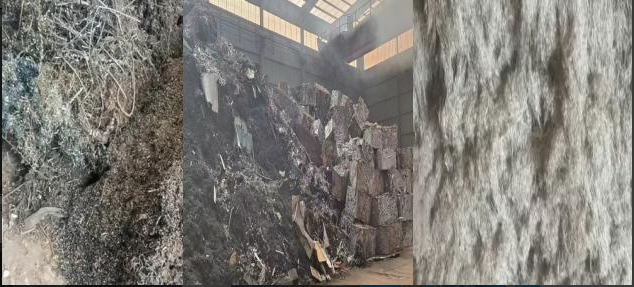 Raw material management
 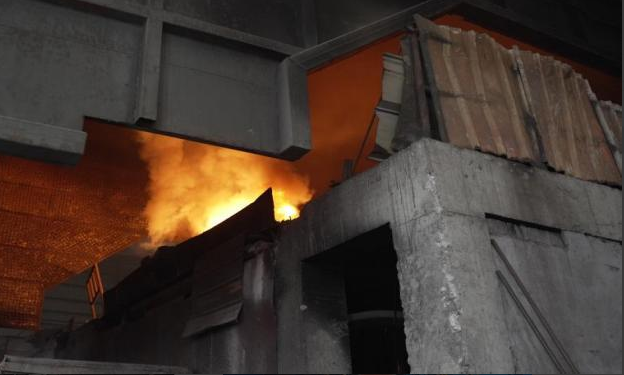 Induction furnace operation
 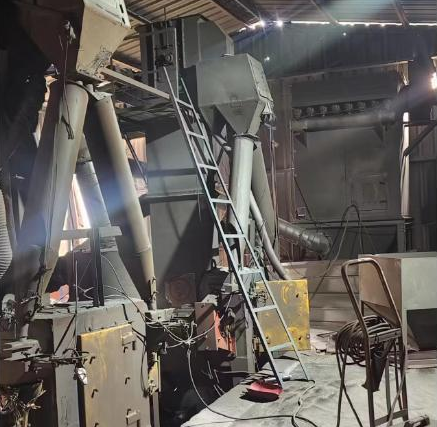 Quenching line
 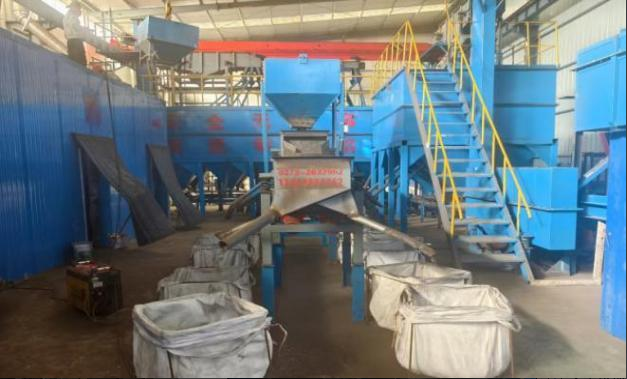 Screening & packaging line
▸ Intermediate stock is separated before final screening and packaging, helping keep different batches, sizes and processing stages traceable.
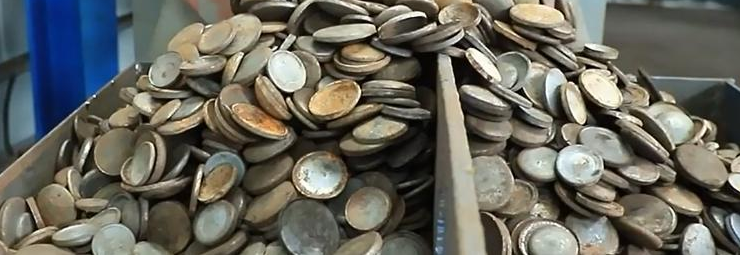
▸ For GH steel grit, hardness stability and particle edge retention are important because the abrasive is normally selected for aggressive cutting and coating profile control.
▸ COA, sieve analysis, hardness report, retained sample and loading photos can be arranged according to order requirements.
| Main Size | G16, G18, G25, G40, G50, G80 and customized grades |
| Chemical Composition | C: 0.7-1.2%; Si: >=0.4%; Mn: 0.35-1.2%; S/P: <=0.05% |
| Hardness | HRC 60-64 typical |
| Density | >=7.6 g/cm3 |
| Package | 25 kg bags, 1000 kg jumbo bags, pallet package or customized export packing |
▸ Steel grit is listed in the SEPPE metal abrasives catalog under SAE J444 / GB/T 18838 reference systems, with GP, GL and GH hardness grades for different cutting strength and toughness requirements.
▸ Typical steel grit production route: scrap steel management - induction furnace melting - centrifugal atomization - drying - screening - quenching - spiral separation - grit crushing - tempering - final screening - packaging.
▸ Steel grit screen analysis includes common G series grades such as G10, G12, G14, G16, G18, G25, G40, G50, G80 and G120. Coarse grit is used for stronger rust removal and deeper profile; fine grit is used for smaller workpieces and finer surface control.
▸ In-house QC items include chemical composition, hardness, density, microstructure and durability. Testing equipment includes Ervin fatigue life tester, SPECTRO optical emission spectrometer, metallographic microscope, Vickers microhardness tester and carbon-sulfur analyzer.
▸ SGS pre-shipment inspection, MSDS, COA, sieve analysis and retained sample support can be arranged when required.
▸ GH Steel Grit is normally supplied in 25 kg PE/PP woven bags, 1000 kg FIBC jumbo bags, palletized bags, steel drums on request or customized export packaging. Bag marks can show the steel grit grade and size, such as GH / G40 / GL50, according to purchase requirements.
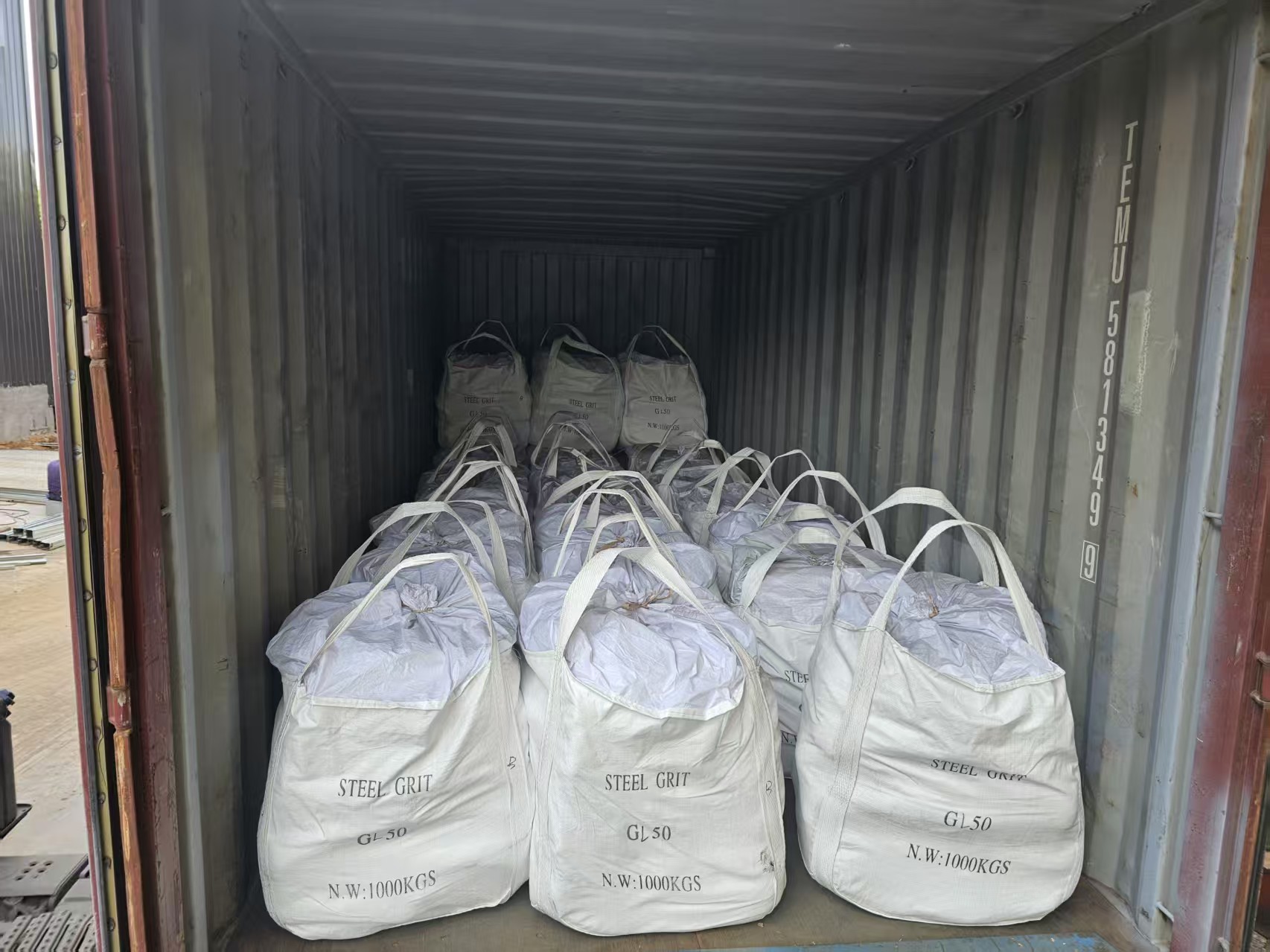
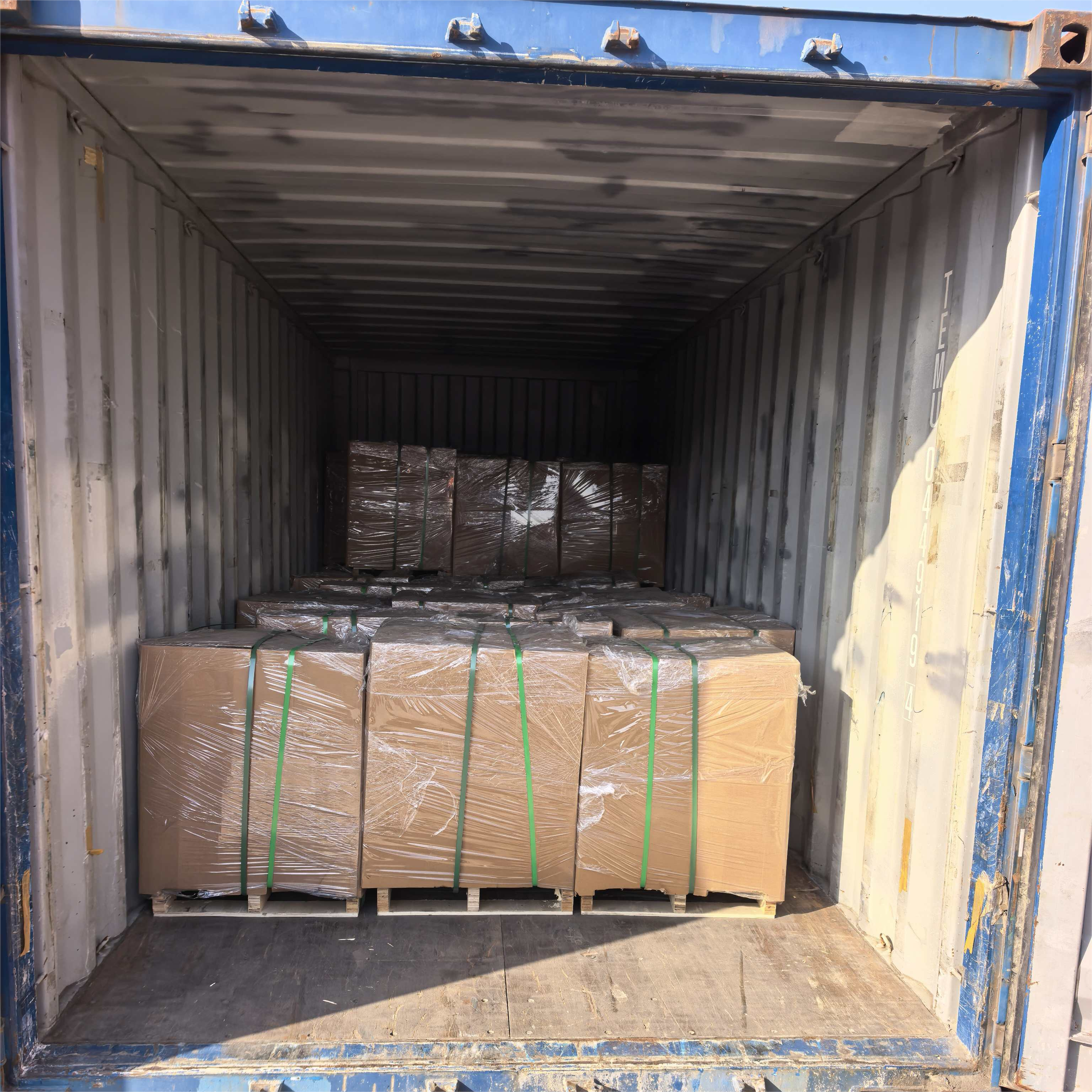
▸ Standard pallet packing is commonly 40 bags per pallet, about 1 MT per pallet. Typical 20'GP loading quantity is about 25-27 MT for steel shot or steel grit.
▸ Stock items are usually prepared within 7-15 days. Customized production or private-label packing may require about 20-30 days. Keep steel grit packages dry before use; batch labels and loading photos can be provided for traceability.
▸ GH is used for heavy-duty rust removal, thick scale removal, old coating stripping and deep anchor profile before anti-corrosion coating.
▸ Not always. GH cuts faster, but GP and GL may be more suitable when the workpiece needs lower breakage, lower cost or less aggressive surface treatment.
▸ Select GH when the coating system requires a rougher anchor profile or when the surface has severe corrosion, thick scale or aged coating.
▸ Yes, but machine condition, separator efficiency and workpiece thickness should be checked because GH is harder and more aggressive.
▸ G16-G40 are common for heavy cleaning and profile creation, while finer sizes are used when surface control is more important.
Contact SEPPE for steel grit size selection, hardness grade, surface profile requirement, COA, samples, packaging and bulk order support.
Request a Quote