You are here: Home » Products » CALCINED BAUXITE » Rotary Calcined Bauxite » Calcined Bauxite

Product Details

Calcined Bauxite

Bauxite aggregate is made of excellent bauxite ores, it is homogenized and calcined under advanced technology. This products are in stable index, homogeneous structure and excellent high-temperature performance.
Availability:
Quantity:
  • 0-1mm,1-3mm,3-5mm,5-8mm

  • SEPPE BAUXITE

  • 25083000

REFRACTORY & ANTI-SLIP GRADES / ROTARY & SHAFT KILNS

Calcined Bauxite

High-alumina grains and fines for refractory formulations and anti-slip surfaces. Available from rotary-kiln and shaft-kiln production, with alumina content, grain properties and sizes selected for each application.
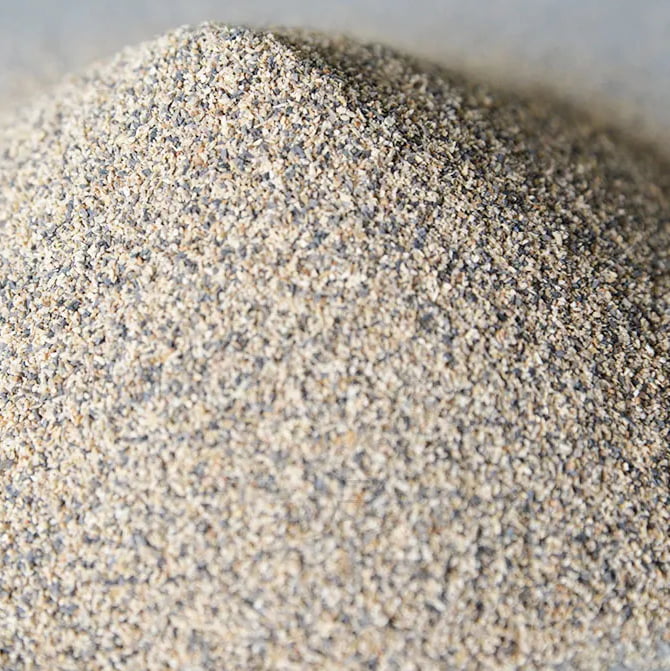
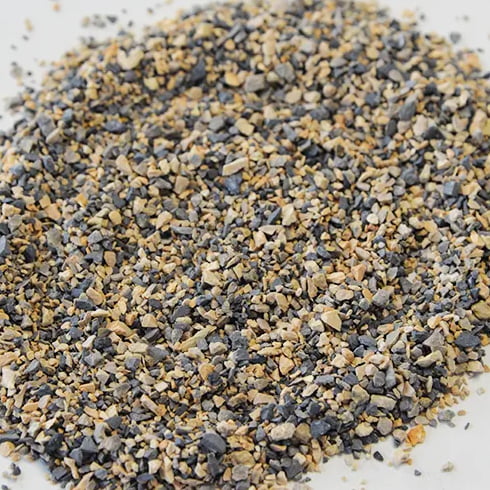
Calcined Bauxite 0–1 mm

0–1 mm

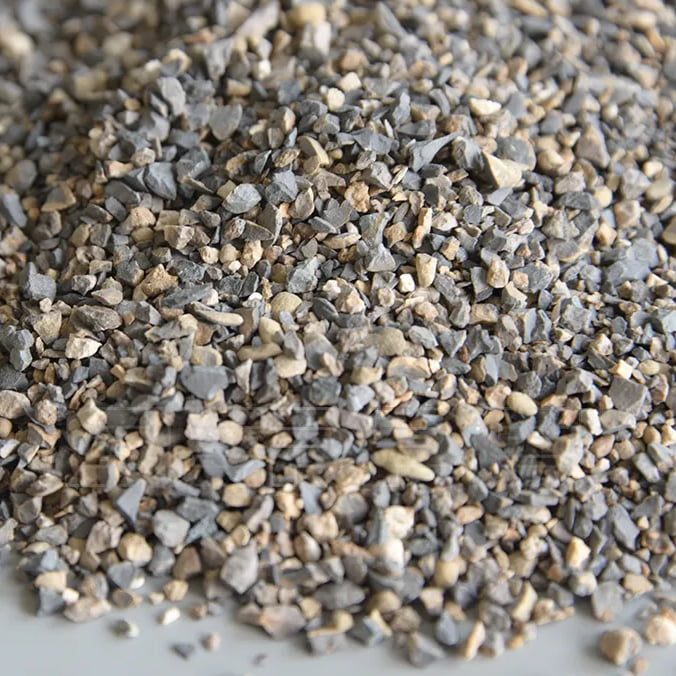
Calcined Bauxite 1–3 mm

1–3 mm

Calcined Bauxite 3–5 mm

3–5 mm

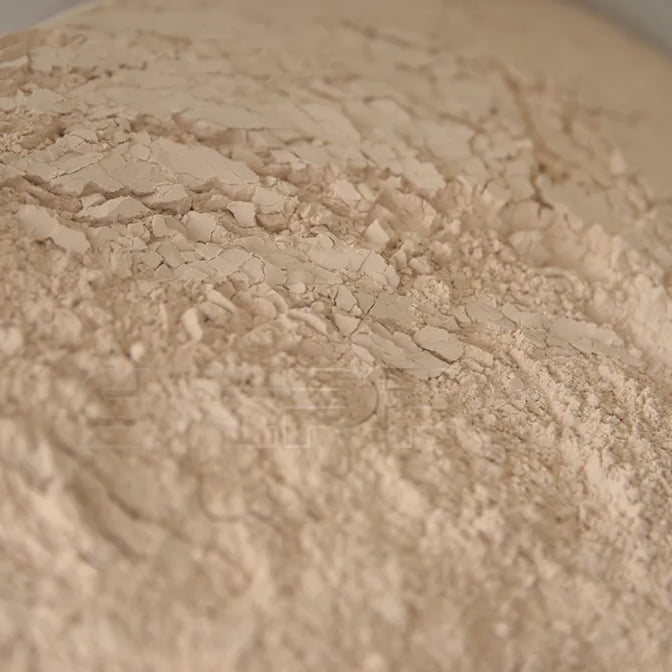
Calcined Bauxite 200 Mesh Powder

200 mesh

Calcined Bauxite · Grades and Sizes to Suit Your Application

The linked TDS covers rotary-kiln material. Request the corresponding technical data for your selected grade and production route.

What Is Calcined Bauxite?

Calcined bauxite is made by heating selected bauxite ore to develop a hard, dense ceramic structure. The calcined material is then crushed, screened or milled into aggregate and fine fractions.

The product family includes grades for refractory formulations and selected grades for anti-slip surfacing. Alumina content ranges from 75–90%, depending on the grade; the material should be selected by its full specification, not alumina content alone.

Key Product Features

Application-Specific Grades

Choose the alumina and impurity profile needed for your refractory formulation or anti-slip aggregate specification.

Grains & Fine Fractions

Ordered fractions support aggregate packing, fine-particle formulation or the required surface texture.

Two Calcination Routes

Rotary-kiln and shaft-kiln supply options are available. The appropriate route depends on the material and ordered grade.

Grade Selection & Size Options

Select the application first, then confirm the chemical profile, physical properties and particle-size distribution.

Refractory Grades

Al₂O₃: 75–90%, depending on grade. Common grade designations include 75, 80, 85, 87 and 88. Specify the corresponding oxide limits and grain properties for the formulation.

Selected Anti-Slip Grade

The designated SEPPE road-surfacing grade is specified at Al₂O₃ ≥80% (typically 82–85%), PSV ≥70 and 1–3 mm. These values apply to that grade, not the entire calcined bauxite range.

Refractory Grains & Fines

Common aggregate fractions include 0–1 mm, 1–3 mm, 3–5 mm and 5–8 mm. Fine powders and other fractions can be specified to suit the recipe.

Anti-Slip Aggregate Sizing

1–3 mm is the main size for the dedicated road-surfacing product. A 3–5 mm option can be discussed where the binder system and project specification permit it.

Grade designations are selection references. Confirm the actual specification and sieve distribution for the material being ordered.

Typical Applications

From shaped bricks and cast-in-place refractories to high-temperature linings and anti-slip surfaces, each application calls for a matching material grade and particle size.

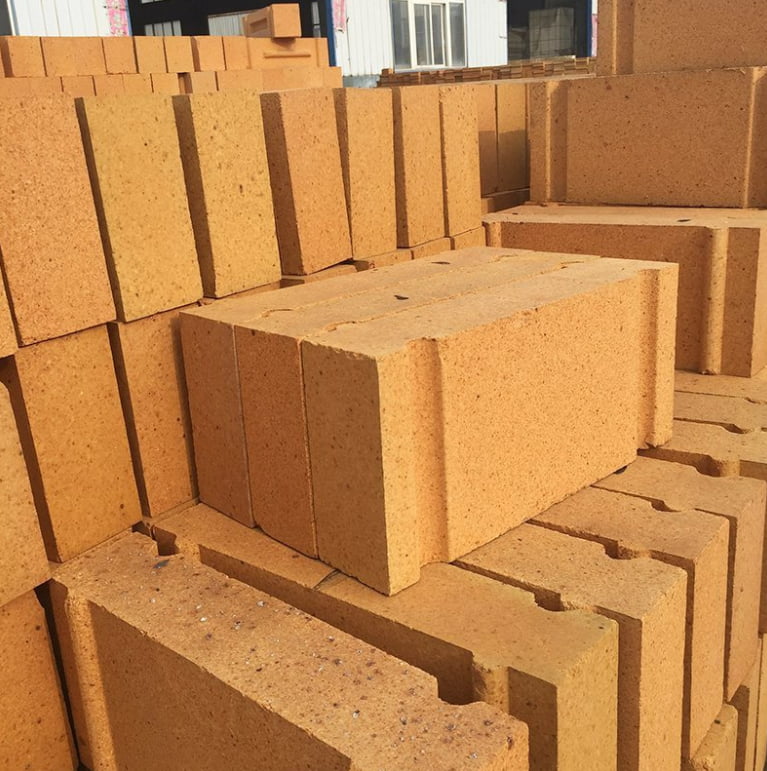
High-alumina refractory bricks illustrating calcined bauxite applications

01 / SHAPED REFRACTORIES

Refractory Bricks

Graded grains and fines for high-alumina bricks and other shaped refractory products.

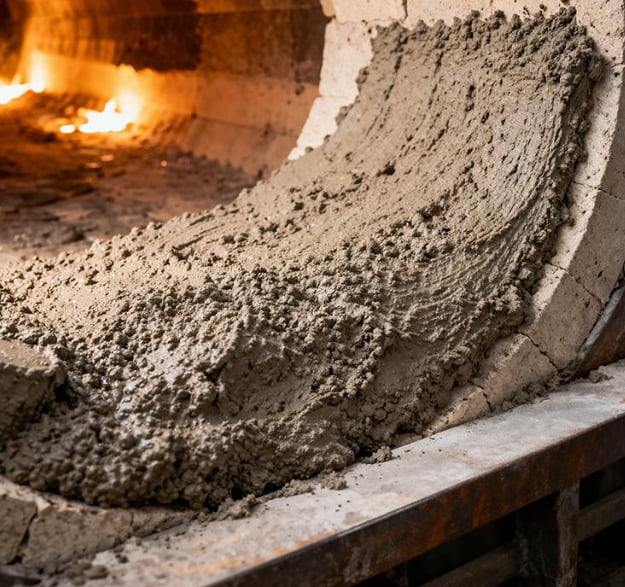
Refractory castable placement illustrating monolithic refractory applications

02 / MONOLITHIC REFRACTORIES

Castables & Precast Shapes

Aggregate and fines for dense castables, precast shapes, repair mixes and other monolithic refractory formulations.

Steelmaking scene illustrating refractory lining applications

03 / STEEL & HIGH-TEMPERATURE LININGS

Steelmaking & Furnace Linings

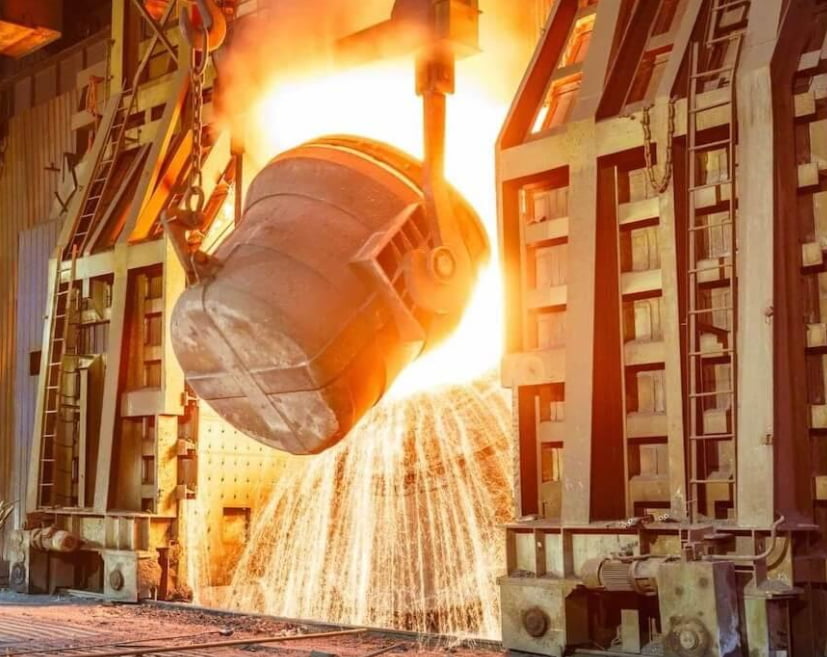
High-alumina ingredients for selected furnace and ladle lining formulations. The material grade follows the lining design and service conditions.

Illustration of coloured road surfacing and cycle paths

04 / ANTI-SLIP SURFACING

Roads & Anti-Slip Surfaces

Hard, angular aggregate for roads, pedestrian areas and industrial anti-slip floors. Select the grade and size to suit the binder system.

Application images are illustrative. Suitability depends on the complete refractory formulation or surfacing system.

Chemical Composition & Physical Properties

The following reference profile summarises the product-family data. It is not a single specification shared by all grades; use the technical data for the selected material to define purchase requirements.

Chemical Composition — Reference
Alumina (Al₂O₃) 75–90% — depending on grade
Silica (SiO₂) 6–18%
Iron oxide (Fe₂O₃) 0.5–2.5%
Titanium dioxide (TiO₂) 2–3%
Calcium oxide (CaO) 0–0.4%
Magnesium oxide (MgO) 0–0.2%
K₂O + Na₂O 0–0.4%
Physical Properties — Reference
Bulk Density 2.80–3.25 g/cm³ — reference
Loss on ignition 0.1–0.5%
Moisture content 0.1–0.3%
Grain shape Angular
Hardness 7.5–9.0 Mohs — grade-dependent
Refractoriness Specify by refractory grade
PSV / abrasion properties Specify by anti-slip grade

Ranges describe different material grades and should not be combined into one assumed composition. For the selected anti-slip grade, use its dedicated data rather than applying every family reference range.

Density must be compared using the same measurement basis. Refractoriness is a material-test property, not a universal operating-temperature rating for a finished lining.

Production Facilities & Calcination Routes

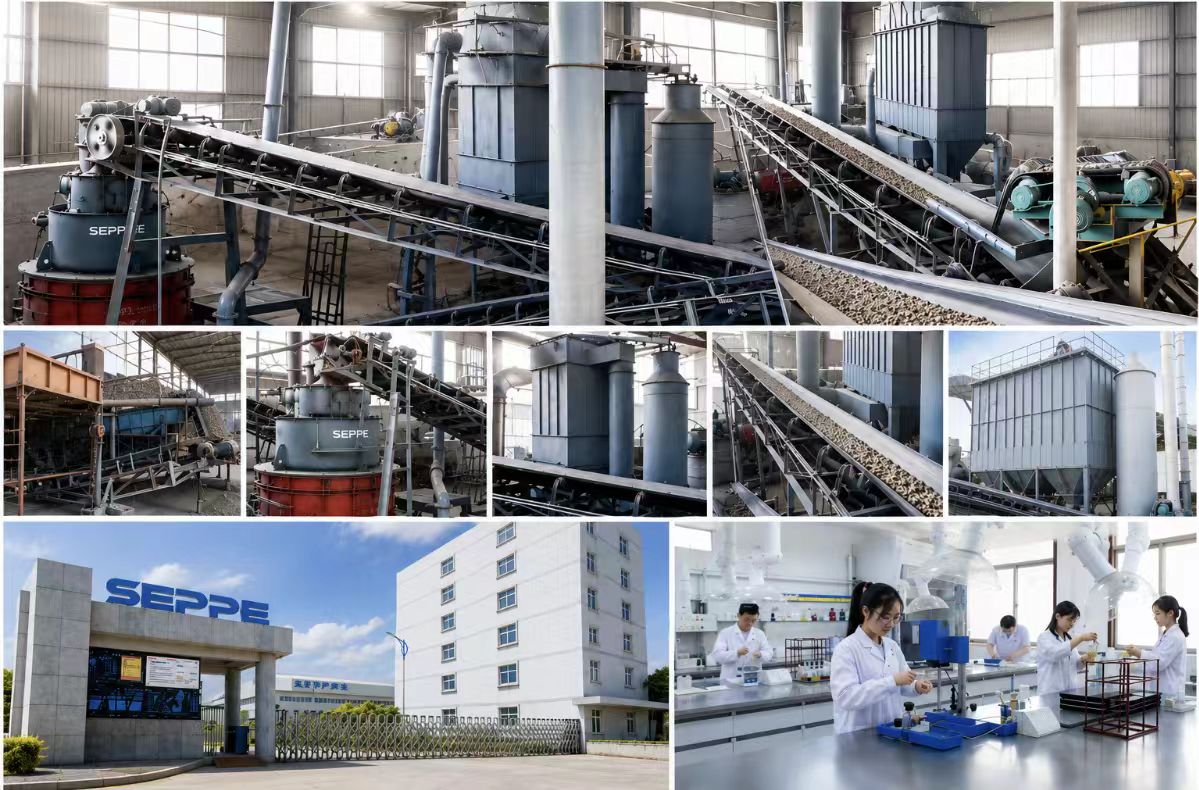
SEPPE supplies calcined bauxite produced through rotary-kiln and shaft-kiln routes. Selected ore is calcined, then crushed, screened and, where required, milled into the ordered fractions.
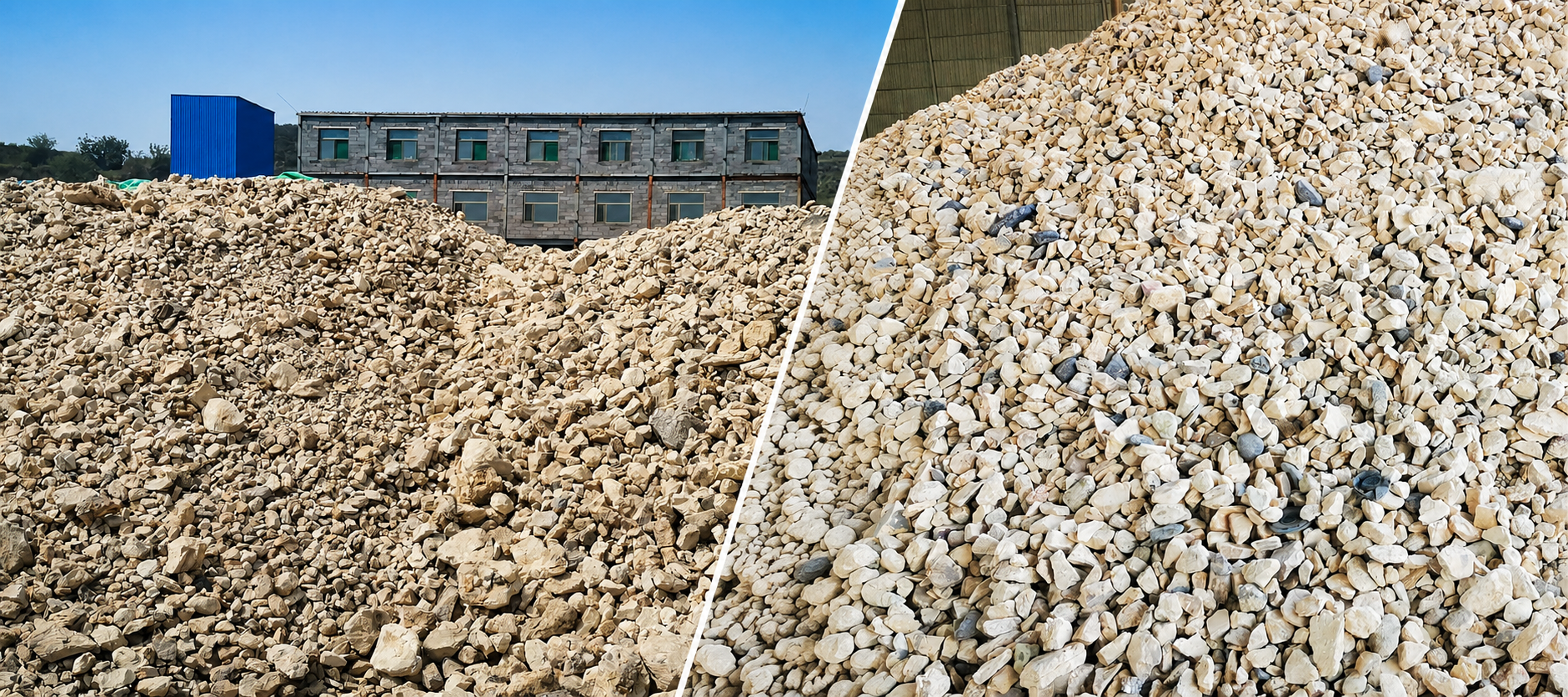
Raw bauxite stockpile before calcination

Raw Bauxite

Feedstock selected for the target calcined grade.
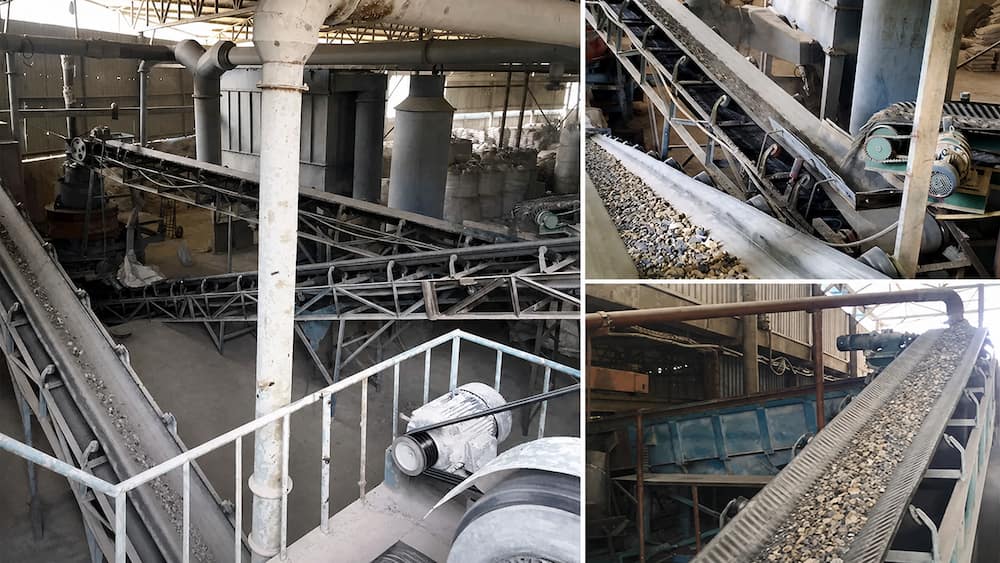
SEPPE bauxite production site

Bauxite Production Site

Facilities for material processing and supply.
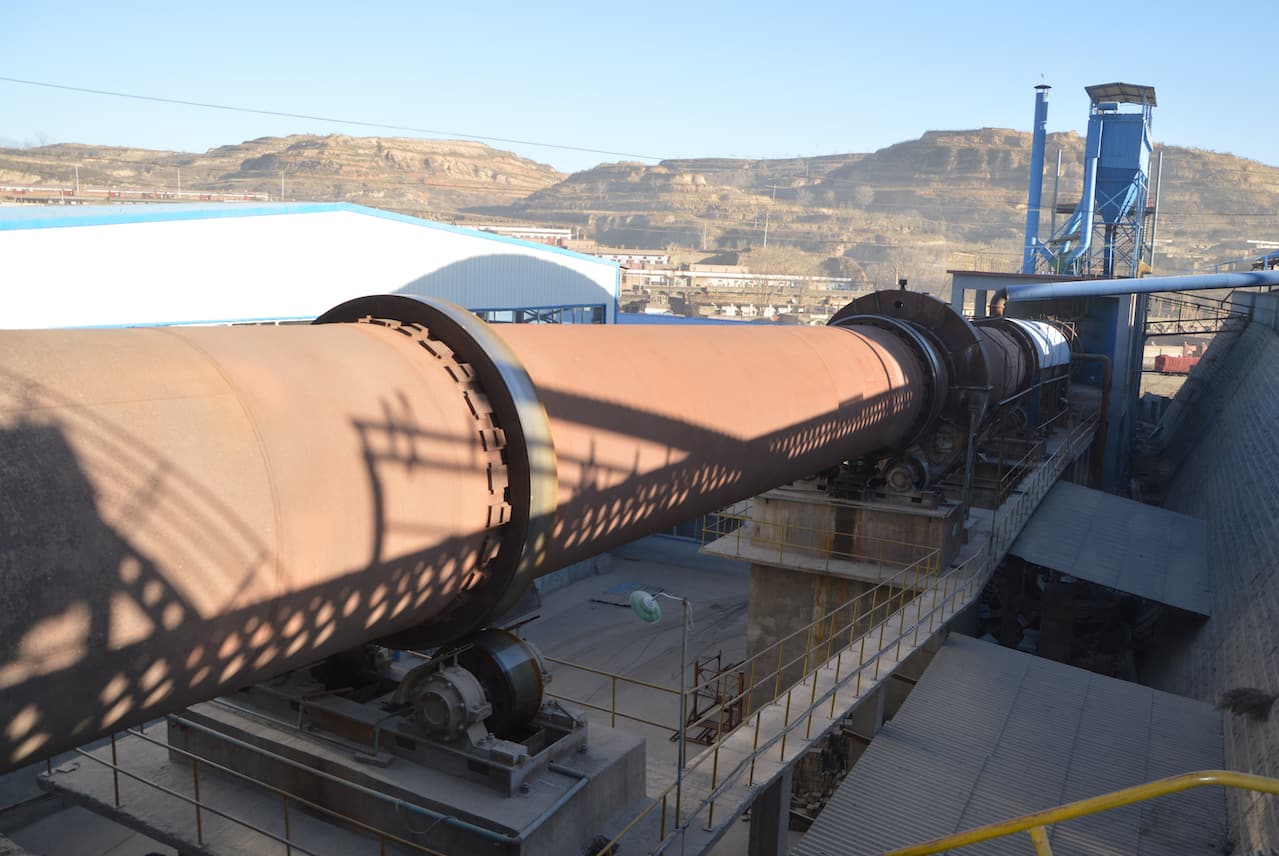
Rotary kiln for calcined bauxite production

Rotary-Kiln Production

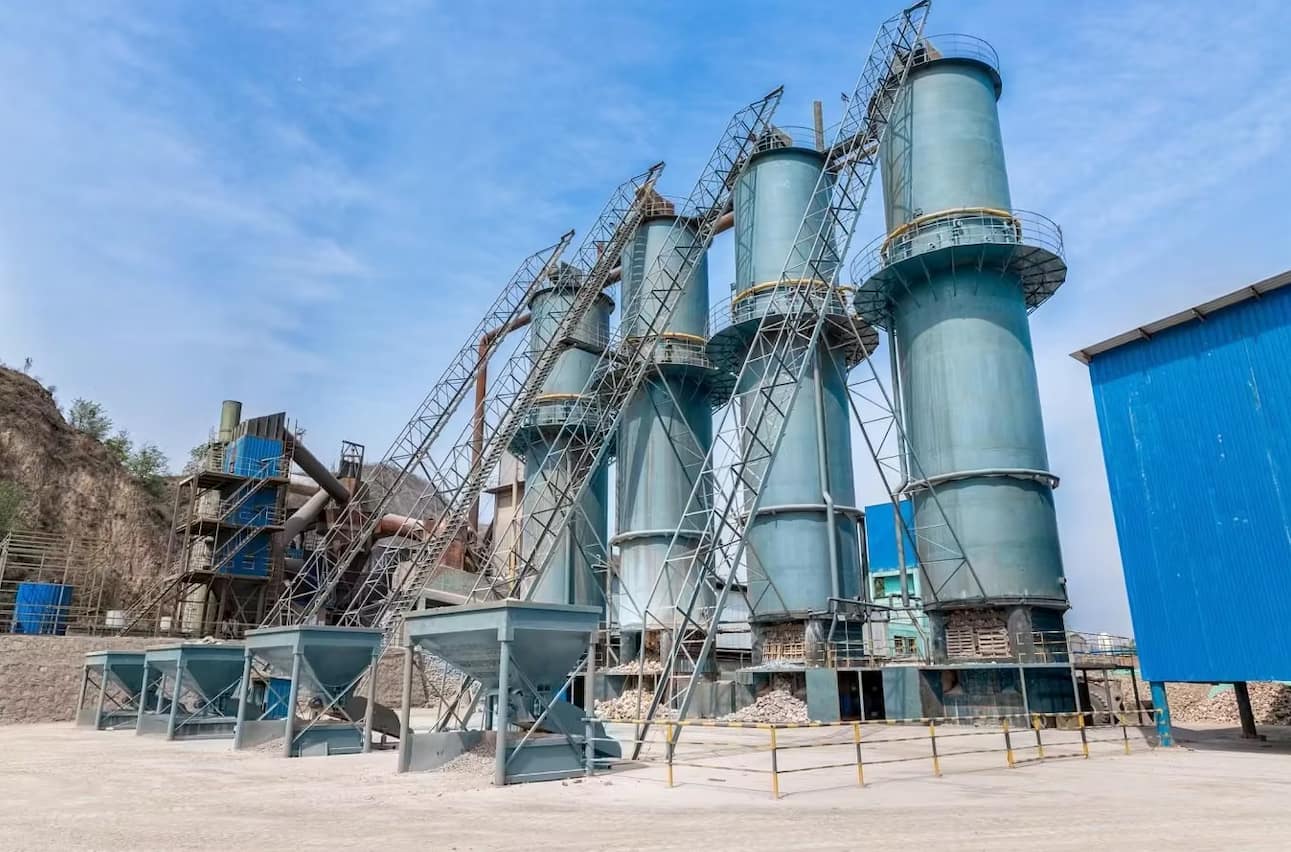
Vertical shaft kilns for calcined bauxite production

Shaft-Kiln Production

The two kiln types are alternative calcination routes, not consecutive production stages or fixed labels for the two application groups. Final suitability follows the grade specification.

Packaging & Delivery

Supply options include 50 kg bags and jumbo bags in agreed formats. Packing weight, labelling and shipment arrangements are confirmed with the order.
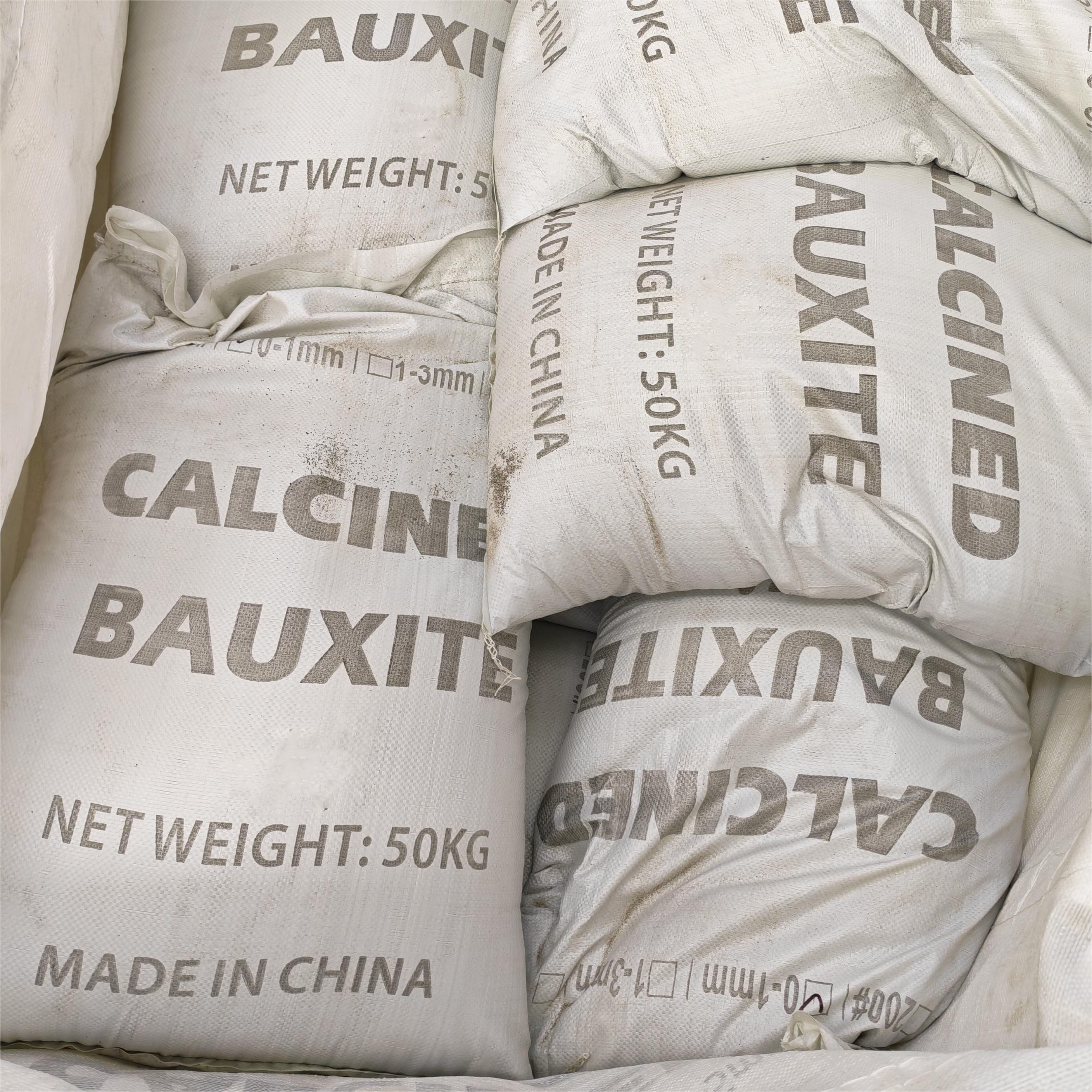
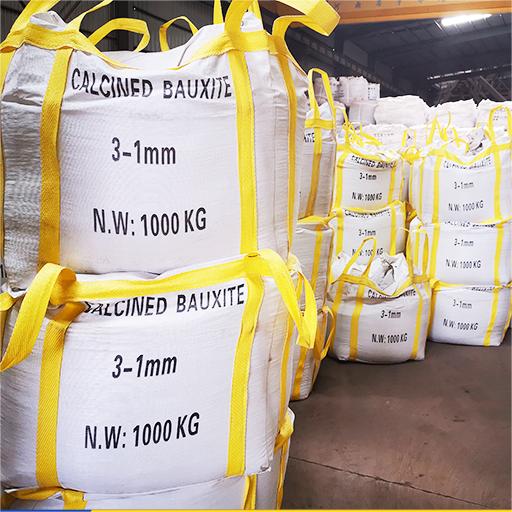
50 kg bags of calcined bauxite

50 kg Bags

One tonne jumbo bags of calcined bauxite

1 MT Jumbo Bags

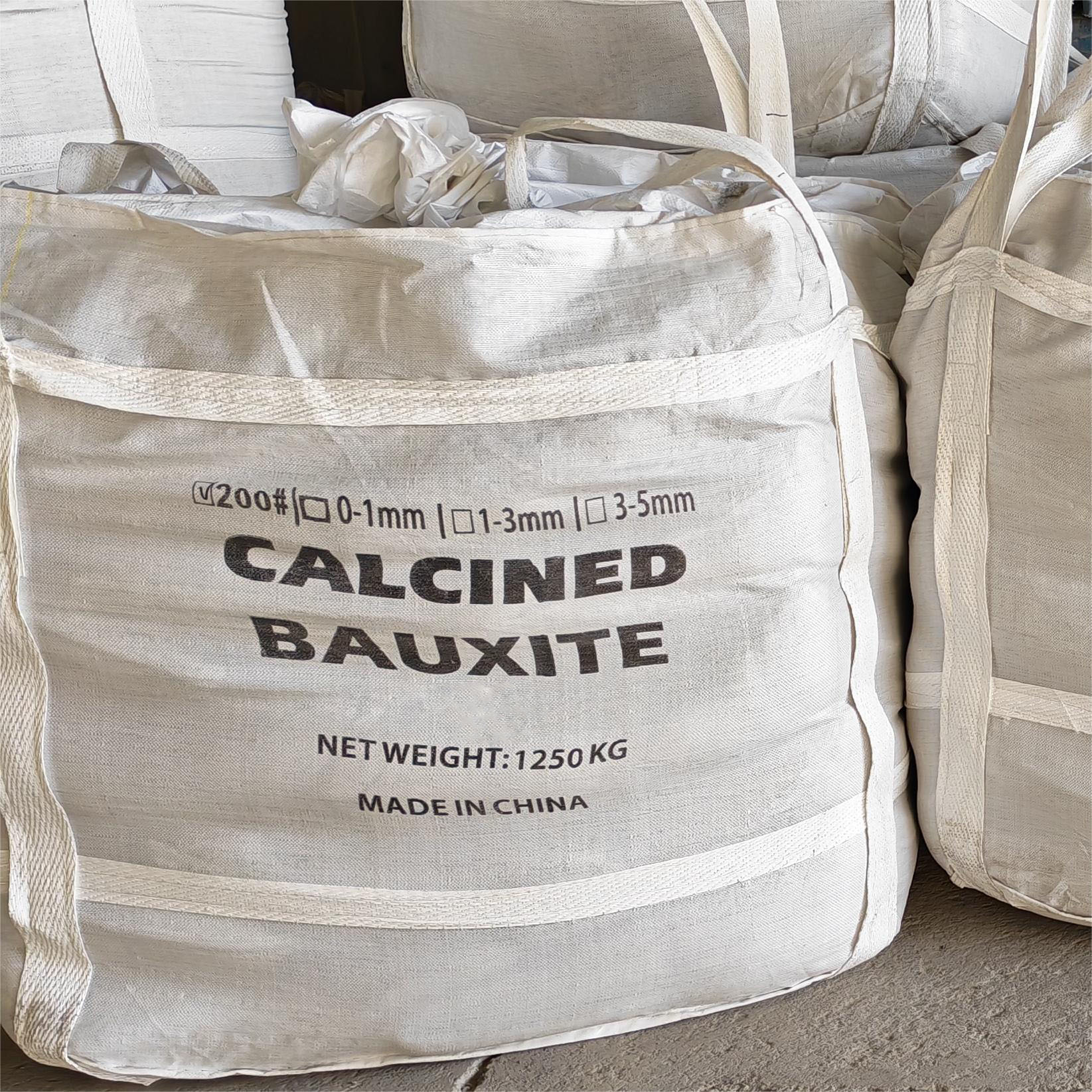
1.25 tonne jumbo bag packaging

1.25 MT Jumbo Bags

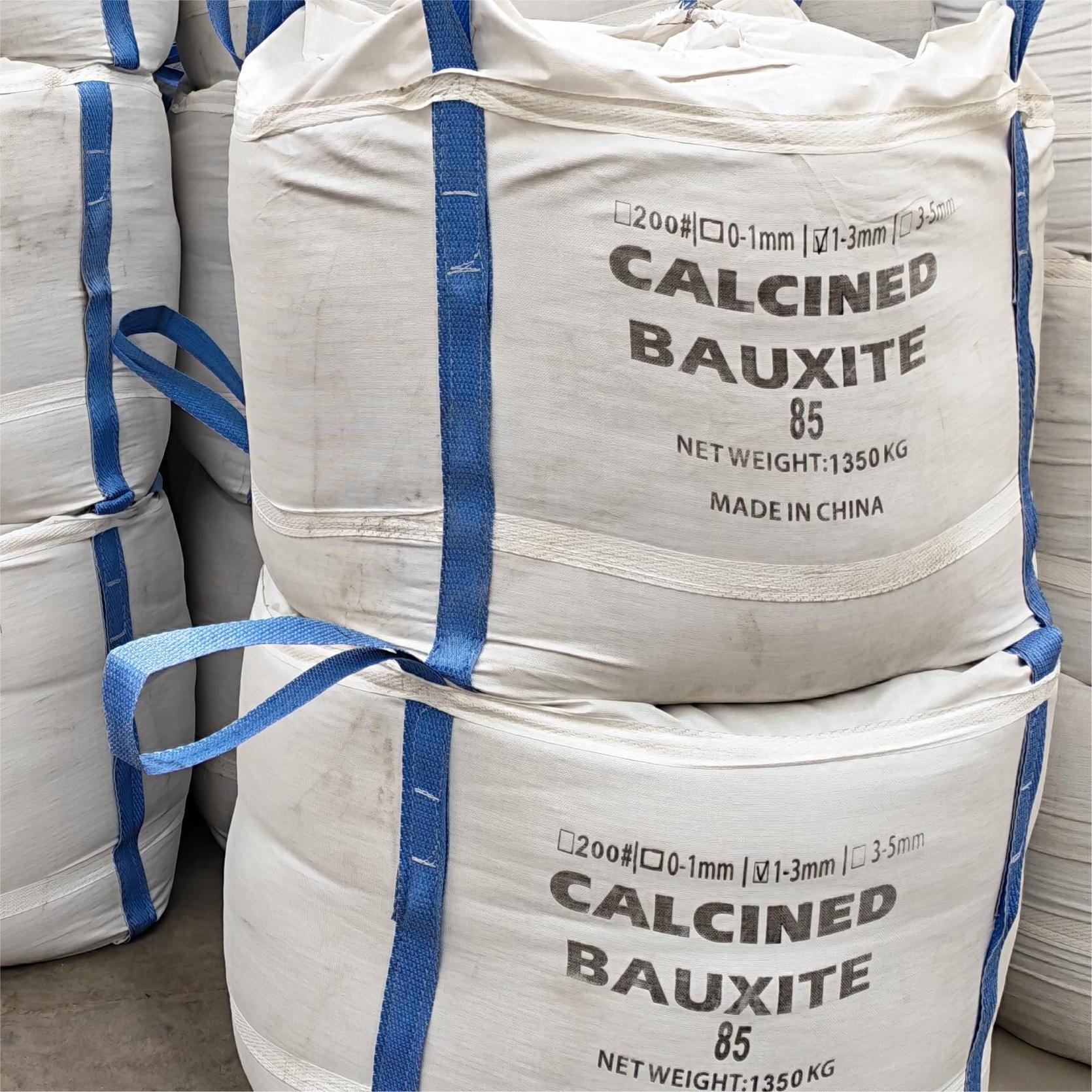
1.35 tonne jumbo bag packaging

1.35 MT Jumbo Bags

Container loading depends on the bag format, shipping route and transport limits. Custom marking and other packing requirements can be discussed before dispatch.

FAQ

❓ What is calcined bauxite used for?

The main applications are refractory formulations and anti-slip surfacing. The required chemistry, grain properties and sizes differ between applications.

❓ What alumina content is available?

The product-family range is Al₂O₃ 75–90%, depending on grade. Confirm the minimum alumina content and accompanying oxide limits for the specific material; there is no single 85% minimum across the whole range.

❓ Do you supply both rotary-kiln and shaft-kiln material?

Yes. Both production routes are included in the supply range. Select the grade by its specification and intended use rather than kiln name alone.

❓ Is every grade suitable for anti-slip road surfacing?

No. Choose an anti-slip grade with the required polishing resistance, abrasion properties and grading. A refractory-grade designation alone does not establish road-surfacing performance.

❓ Which particle sizes can I order?

Common aggregate fractions include 0–1 mm, 1–3 mm, 3–5 mm and 5–8 mm, with fines and other sizes by agreement. The dedicated anti-slip road grade focuses on 1–3 mm.

❓ Can I request samples and technical documents?

Yes. Provide your application, required grade, size and quantity so the corresponding sample, technical data and available quality documents can be discussed.

Find the Right Calcined Bauxite Grade

Tell us your application, alumina requirement, particle size, quantity and destination. We can discuss the matching grade, production route and packing options.

ROTARY & SHAFT KILNS / GRADE-SPECIFIC INSPECTION

Quality Control System

SEPPE’s quality-control workflow covers both rotary-kiln and shaft-kiln calcined bauxite, from feedstock selection to dispatch. Inspection requirements follow the ordered grade and application.

The product family spans Al₂O₃ 75–90%, depending on grade. Chemical and physical acceptance limits are agreed for the selected material; no single alumina minimum, density value or absorption limit is applied to every product.

Seven-Stage Quality Control

01 — Raw Material Assessment

Review source identification and ore chemistry against the intended calcined grade. Raw-ore composition is kept separate from the finished-product specification.

02 — Lot Selection & Blending

Select suitable feedstock lots and blend where required by the production plan to manage chemical variation.

03 — Rotary- & Shaft-Kiln Control

Monitor feed and firing conditions for the selected kiln route. Operating settings follow the ore characteristics and target grade, rather than one fixed temperature for every product.

04 — Crushing, Grading & Separation

Crush and screen the material into the ordered fractions. Use separation and inspection to manage removable metallic contamination; mill fines where required.

05 — Chemical Analysis

Review alumina and relevant oxides against the selected grade and order limits. The family range of Al₂O₃ 75–90% is not used as a single batch acceptance specification.

06 — Physical & Application-Specific Checks

Review grading and the relevant density, moisture and other physical results. Include refractory or anti-slip performance evidence according to the ordered grade and agreed inspection plan.

07 — Shipment Release & Traceability

Check material identity, available inspection records, quantity, labels and packing against the order before dispatch. Keep the supplied lot linked to the relevant production and release records.

Quality Control & Laboratory Testing

Chemical composition, particle-size distribution and relevant physical properties are reviewed with the sample identity, test method and agreed limits. Testing is selected to suit the material and its application.

Routine inspection records and periodic performance reports serve different purposes. Where independent testing is required, agree the laboratory, specimen preparation and reporting requirements before supply.

SEPPE factory and laboratory inspection facilities

SEPPE Factory & Laboratory Facilities

Checks Matched to the Application

Refractory Grades

Review the agreed oxide composition, grain-density basis, particle-size distribution and relevant moisture, absorption or refractoriness requirements. Finished bricks, castables and linings need evaluation of their own formulations.

Anti-Slip Grades

Review the required grading, PSV and abrasion evidence, with moisture and other properties where specified. Record the fraction tested and its relationship to the supplied aggregate; finished surfacing is assessed as a complete system.

Product values belong in the grade specification. This quality-control section describes the checks without creating a second, conflicting set of numerical limits.

Test Methods & Reference Standards

These links open official method pages. Confirm the applicable method, edition and specimen size in the report or inspection plan; a reference link is not a product certification.

Oxide Chemistry

ISO 12677
Fused-bead XRF analysis of oxide raw materials and products within the method’s scope.

Refractory Grading & Water Content

ASTM C92
Sieve analysis and water-content determination for refractory materials.

Granular Refractory Density

ASTM C357
Bulk density of granular refractory material within its specimen-size scope, usually material retained on a 6.7 mm or coarser sieve. Do not apply it indiscriminately to fine fractions.

Aggregate Sieve Grading

BS EN 933-1
Particle-size distribution of aggregates by sieving, with results reported against the required grading envelope.

Polishing & Aggregate Abrasion

BS EN 1097-8
PSV and the associated AAV procedure for applicable aggregates. Report the prescribed test fraction and sample identity.

Los Angeles Abrasion

ASTM C131/C131M
Degradation of coarse aggregate by abrasion and impact, using the applicable specimen grading.

Particle Density & Absorption

BS EN 1097-6
Particle density and water absorption for applicable aggregate fractions. This does not automatically define the basis of another document’s Bulk Density value.

The referenced methods do not set one universal alumina, density or PSV limit for the entire product family. Do not assume that all listed tests are performed in-house or repeated on every shipment.

Interpreting Test Results

Compare Like with Like

Keep grade, sample preparation, test fraction, measurement method and units consistent when comparing supplier and receiving-laboratory results.

Use the Correct Density Basis

Grain or particle density and loose bulk density are different measurements. Retain the exact report designation and verify the method before comparing figures.

Separate Material from System

Refractoriness does not by itself set the service temperature of a finished lining. Aggregate PSV does not replace testing or approval of a completed anti-slip surface.

Quality Documents & Shipment Records

Agree the document package with the order and request records applicable to the selected grade and supplied lot.

Technical & Handling Data

Grade-specific technical data, the relevant safety data sheet and the agreed composition, size and packing specification.

Inspection & Performance Reports

Available chemical, sieve and physical results, together with relevant application-specific reports, sample identifiers, test methods and report dates.

Traceability & Dispatch

Lot identification, packing details, quantity and agreed release records that connect the supplied material to the order.

Current ISO 9001 certification documentation can be requested separately. Verify the certified entity, scope and validity; quality-management certification is not a substitute for the product’s test results.

Request Grade-Specific Quality Documents

Tell us whether the material is for refractory or anti-slip use, together with the grade, size and project requirements. We can confirm available documentation and any additional testing to arrange.

Get a Quote & Free Samples
Links:  SGA GARNET
Copyright © 2017-2026 SEPPE TECHNOLOGIES  All rights reserved. 豫ICP备16021749号-1