| Quantity: | |
|---|---|
0-1mm,1-3mm,3-5mm,5-8mm
SEPPE BAUXITE
25083000
▸ High-purity calcined bauxite for precision investment casting shell systems.
★ High Alumina (75-90% ) ★ Low Iron (Fe₂O₃ 0.5-2.5%)
★ Stable Chemistry ★ Consistent Grain Shape
▸ Calcined bauxite is a high-alumina refractory aggregate produced by sintering raw bauxite in a rotary kiln at over 1600°C. Its high density, low porosity, and excellent thermal stability make it an ideal material for investment casting shell systems. It is used as a primary stucco or backup layer to build strong, precise ceramic molds capable of withstanding molten metal temperatures without deformation.

▸ The rotary kiln process ensures the superior properties needed for reliable mold performance:
Uniform Density — uniform calcination provides consistent grain strength, reducing shell cracking during dewaxing and pouring.
Low Porosity — high bulk density (≥3.10 g/cm³) minimizes metal penetration and improves surface finish of castings.
Chemical Stability — low impurity levels prevent reactions with molten alloys, ensuring clean cast surfaces.
Batch-to-Batch Consistency — tight control over particle size distribution and chemistry guarantees repeatable mold performance.
▸ XRF Chemical Analysis — every batch tested for Al₂O₃, Fe₂O₃, TiO₂, CaO, MgO content
▸ Bulk Density Measurement — pycnometer method to verify ≥ 3.10 g/cm³
▸ Particle Size Distribution — laser diffraction and sieve analysis for accurate grading
▸ Magnetic Separation Inspection — removal of iron contamination to meet premium specifications
▸ Batch Traceability — full documentation from raw ore source to shipping container
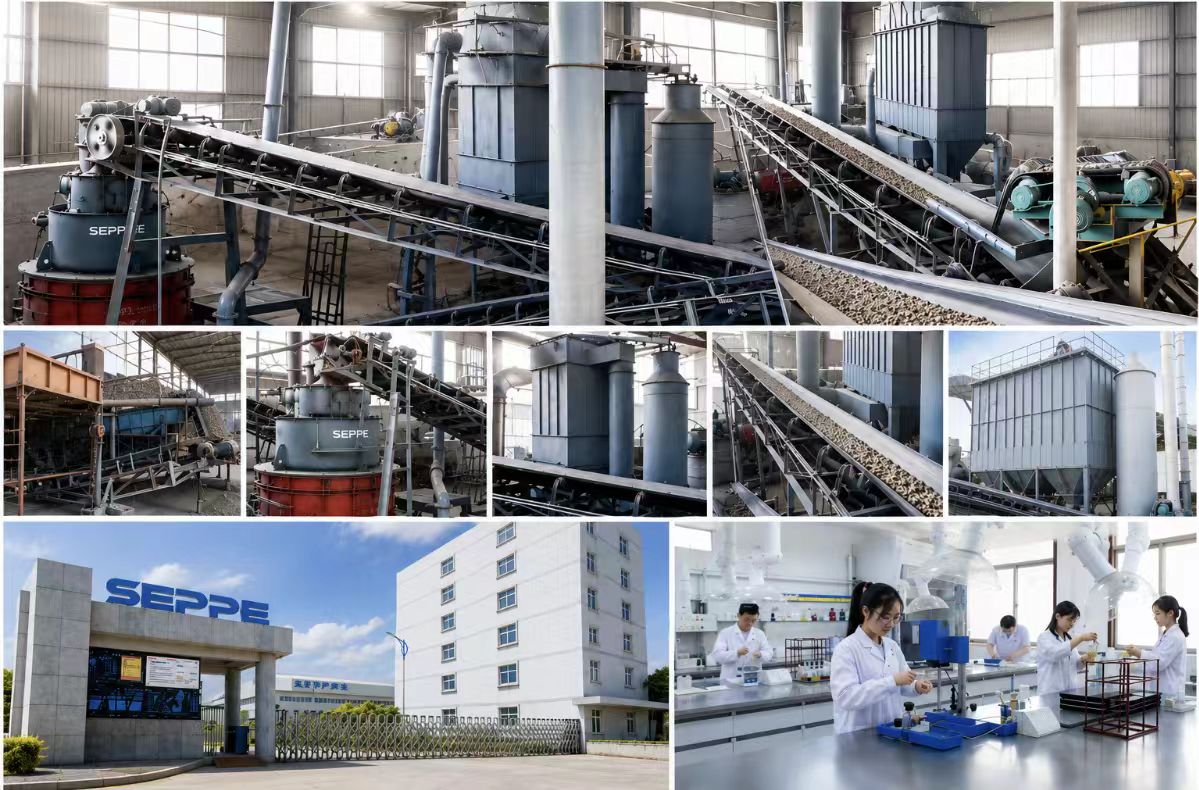
On-site laboratory at SEPPE processing facility
▸ High Refractoriness — withstands pouring temperatures of common alloys without shell breakdown.
▸ Excellent Thermal Shock Resistance — rapid heating/cooling cycles do not cause spalling.
▸ Low Chemical Reactivity — minimal reaction with active metals like titanium or aluminum.
▸ Optimized Grain Shapes — angular particles create a strong mechanical bond with binders.
▸ Flexible Sizing — available in standard and custom particle sizes for various slurry systems.
▸ Primary stucco and backup stucco for shell molds
▸ Refractory filler in slurries for enhanced strength
▸ Mold coatings for improved surface finish
▸ Compatible with colloidal silica and ethyl silicate binders
| Chemical Composition | |
| Al₂O₃ | 75 - 90% |
| TiO₂ | 2 - 3% |
| SiO₂ | 6 - 18% |
| Fe₂O₃ | 0.5 - 2.5% |
| P₂O₅ | 0 - 0.3% |
| MgO | 0 - 0.2% |
| CaO | 0 - 0.4% |
| K₂O + Na₂O | 0 - 0.4% |
| Physical Properties | |
| Shape | Angular |
| LOI | 0.1 - 0.5% |
| Specific Gravity | ≥ 3.70 g/cm³ |
| Bulk Density | 2.80 - 3.25 g/cm³ |
| Hardness | 7.5 - 9.0 Mohs |
| Moisture Content | 0.1 - 0.3% |
| Polished Stone Value | 70 Min |
| Aggregate Abrasion Value | 10 Max |
| Regular Sizes | 0-1mm, 1-3mm, 3-5mm, 5-8mm, … |
| Grade | Al₂O₃ Content | Main Application |
| Economy Refractory | 75% Min | General purpose castables and backup linings |
| General Refractory | 80% Min | Rotary kiln linings, cement plant refractories |
| Premium Refractory | 85% Min | Steel ladles, blast furnaces, tundish linings |
| Specialty / High-End | 87-88% Min | High-temperature ceramics, specialty kiln furniture |
▸ SEPPE controls the entire production chain — from high-grade bauxite ore selection to fully integrated rotary calcination, crushing, screening, and global logistics. Our advanced laboratory monitors every batch for chemical consistency and physical properties, ensuring material that delivers reliable mold performance.
▸ With established supply to over 40 countries and dedicated technical support, SEPPE helps investment casting foundries reduce shell cracking, improve surface finish, and maintain stable production. We offer flexible packaging and OEM services to match your operational needs.
▸50 kg bags, 1 MT, 1.25 MT or 1.35 MT jumbo bags ▸20' FCL: approx 25-27 MT
▸Private labeling and custom packaging available
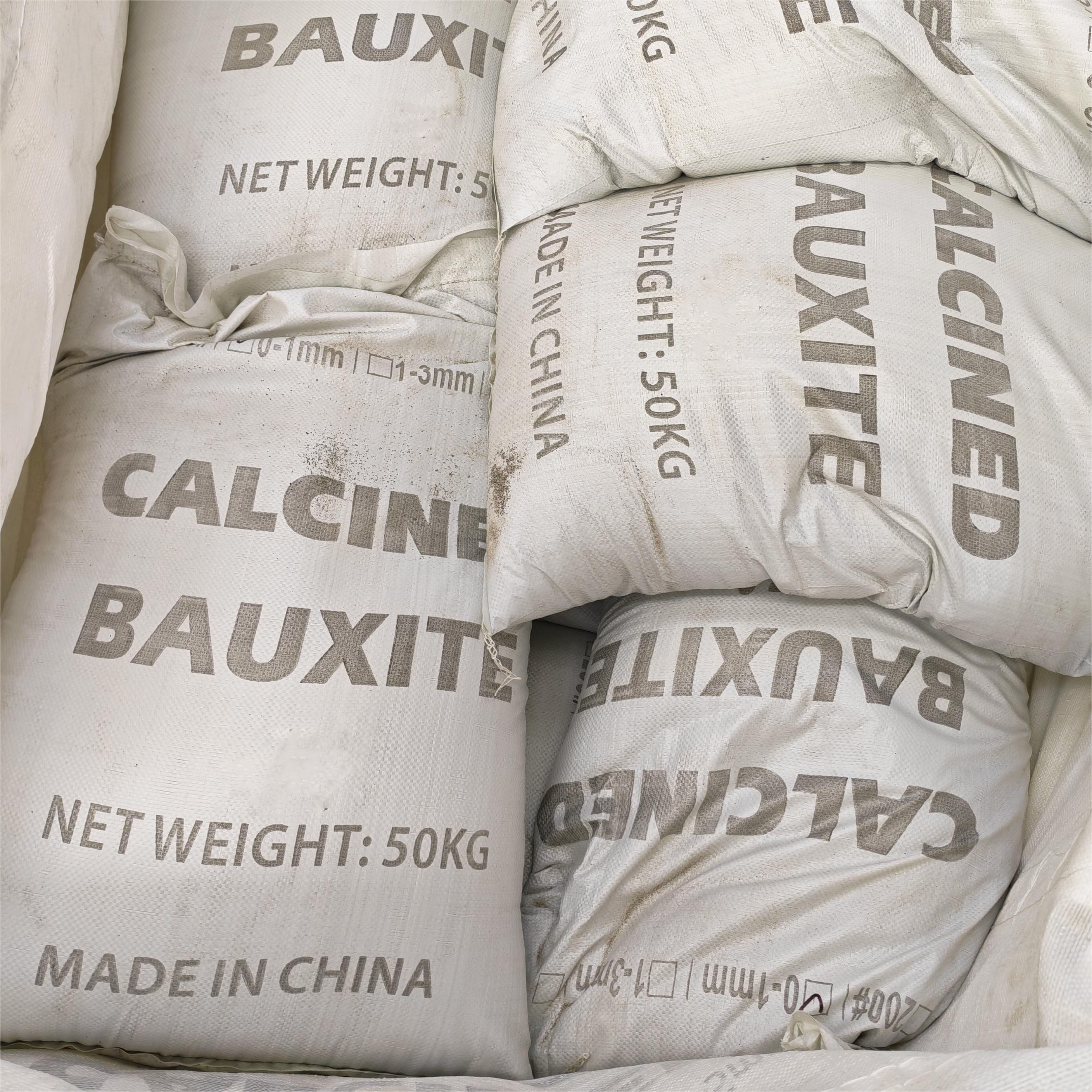
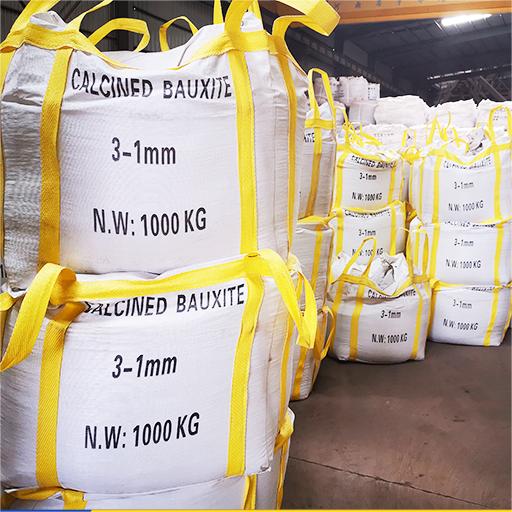
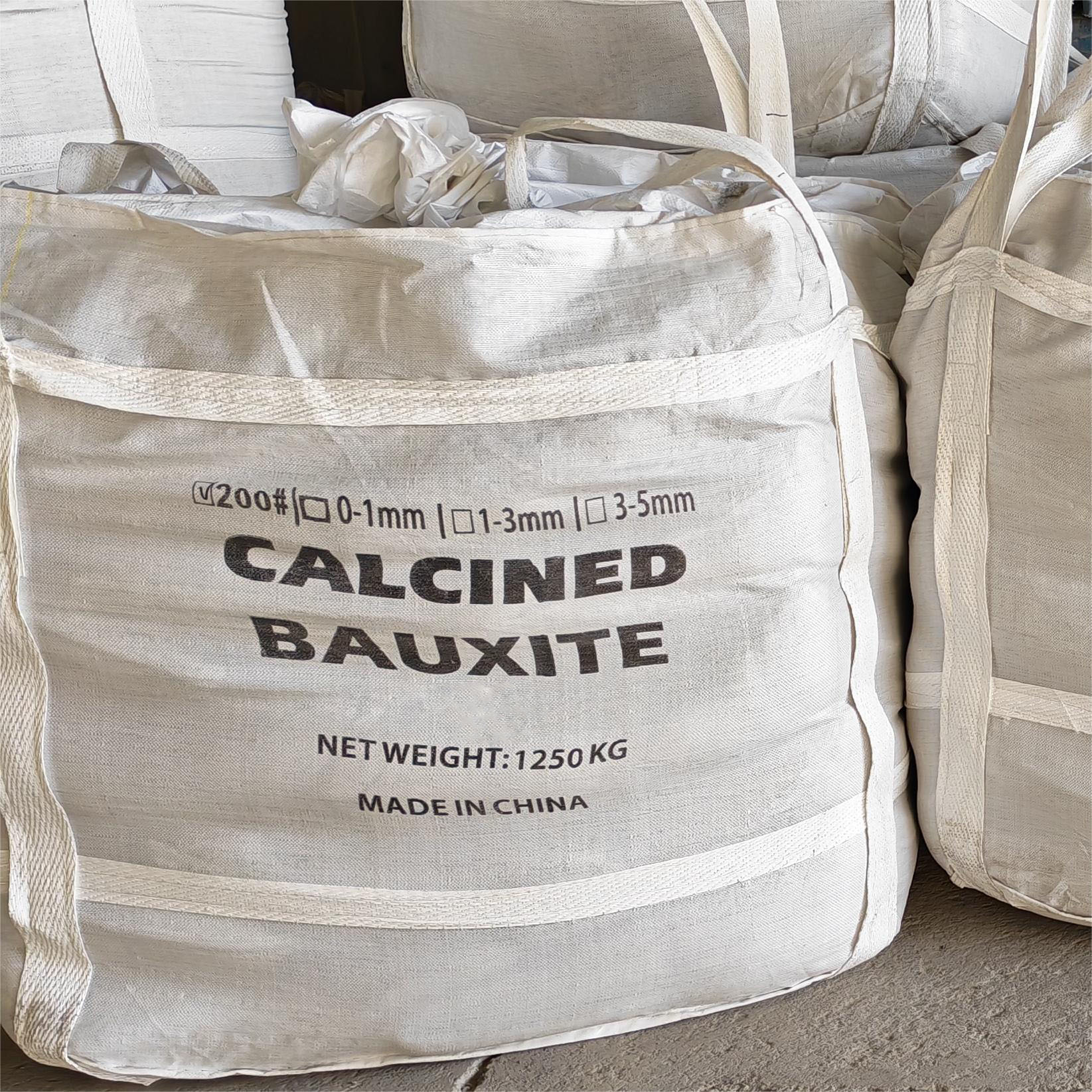
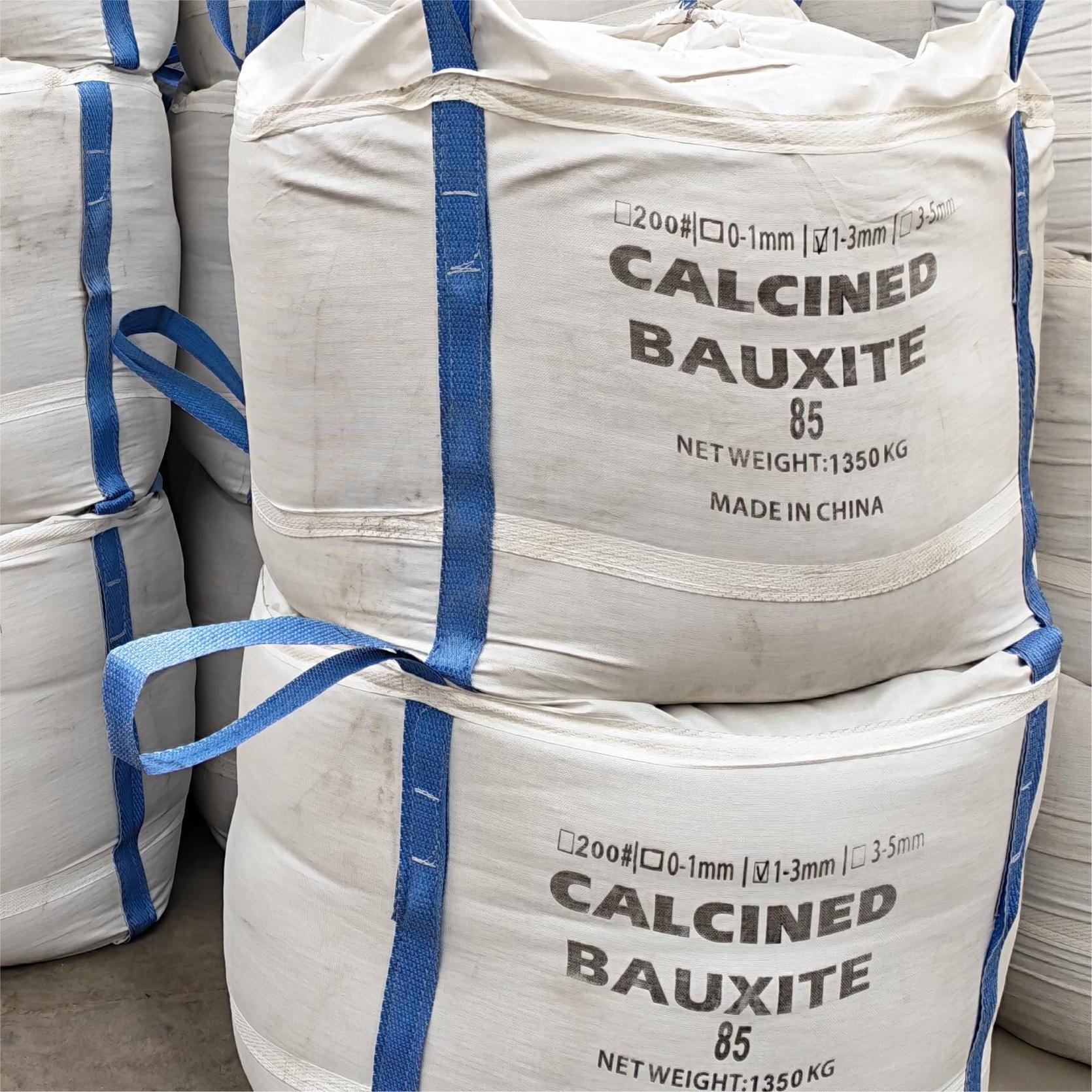
▸ Calcined bauxite offers high refractoriness, low thermal expansion, and excellent chemical stability, making it ideal for building strong, precise ceramic shells that withstand high pouring temperatures.
▸ Common sizes are 0-1mm, 1-3mm, 3-5mm, and 5-8mm. Fine sizes are used for primary coatings, while coarser sizes are ideal for backup layers to build shell thickness.
▸ Our low-iron, high-purity grades minimize metal-mold reactions, ensuring clean cast surfaces even with stainless steel or nickel-based alloys.
▸ Yes. We can produce custom cuts to match your specific slurry or stucco process requirements.
▸ Contact SEPPE for: • Free Samples • TDS / SDS Documents • OEM Packaging Options • Bulk Container Pricing
Request a Quote