Views: 270 Author: RKB Publish Time: 2026-08-13 Origin: SEPPE TECH
If the bauxite grade has not been chosen yet, start with How to Select Refractory Grade Calcined Bauxite. This article begins after the grade has been selected.
“Both deliveries were sold as 1–3 mm. Why does the new batch need more water?”
This is a useful question. It is also common when a castable plant changes its aggregate lot. The answer may be in the bauxite. It may also be in the mixing process. A simple comparison can separate the two.
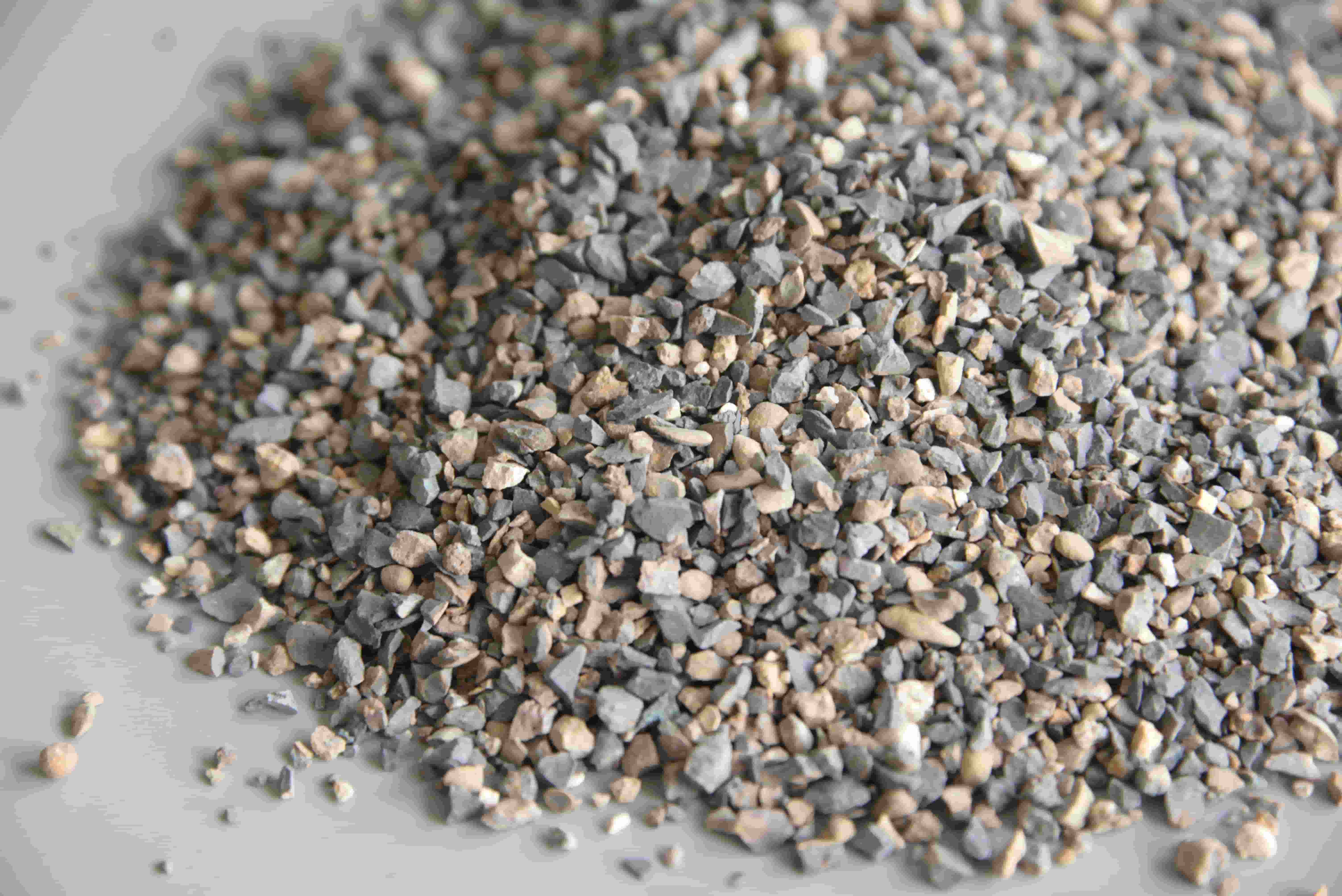
Calcined Bauxite is crushed and screened into different sizes. A bag marked 1–3 mm should contain material inside that range. However, one batch may have more grains close to 3 mm. Another may have more grains close to 1 mm.
Both batches can carry the same size name. They may not feel the same in a castable. Smaller grains give the wet mix more surface to cover. Extra fine dust can make the difference larger.
The nominal size is the same.
One lot may contain more near-1 mm grains or extra fine dust.
Confirm the cause with sieve data and a controlled trial.
The mix reaches the normal consistency at the usual water level. Coarse grains stay evenly spread during placement.
The mix feels dry at first. After extra water is added, coarse grains begin to settle and a thin layer appears at the top.
This observation does not prove that the new bauxite is poor. It shows that something changed. Start with the sieve report, the added water and the mixing record.
Too much water is one possible cause. A change in the middle sizes can also matter. The same problem may appear when the mix is vibrated for too long.
Do not change three things at once. If the operator adds more water, changes the mixing time and uses a new aggregate lot, the result will be difficult to explain.
| What you see | Check first | What to ask or record |
|---|---|---|
| The normal water level is not enough. | Fine dust in the new lot and the actual mixing time. | Ask for the sieve result. Record every water addition. |
| Coarse grains collect at the bottom. | Total water and vibration time. | Repeat the trial with the approved procedure. |
| Thin slurry appears at the surface. | Extra water and the balance between coarse and fine material. | Compare the new lot with a sealed sample of the approved lot. |
| The mix leaves empty corners. | Maximum grain size and wet consistency. | Check whether the aggregate suits the section being cast. |
| The mix loses flow sooner than normal. | Material temperature and time after water was added. | Record the clock time. Check the binder and additive lots too. |
Use a scale, even for a small plant trial. Suppose a 100 kg dry batch normally uses 5.5 kg of water. If the operator adds one more kilogram, the water level changes from 5.5% to 6.5%.
Scale: 0–7 kg. Both bars start at zero.
One kilogram looks small beside a 100 kg dry batch. It is not a small change to the water already in the mixer. Write every addition on the trial sheet. More water may make placement easier for a few minutes, but it can also promote separation.
Keep a sealed sample from a batch that worked well.
Prepare one control batch and one batch with the new aggregate.
Use the same dry recipe and the same mixer.
Start with the same measured water.
Use the same mixing time and placement method.
Record what changes before adding more water.
Prepare the test pieces in the same way.
The first result may be very simple. The new lot may need a small recipe adjustment. It may need a tighter dust limit. Or the cause may be unrelated to the aggregate. The trial gives the buyer and supplier something clear to discuss.
“High-alumina bauxite, 1–3 mm” leaves too much open to interpretation. A useful order gives both sides a clear acceptance point.
The supplier controls the bauxite grade and the delivered size distribution. The castable producer controls the complete recipe. Good results depend on both sides using the same numbers.
A general request for “1–3 mm bauxite” usually creates another round of questions. A short comparison brief is more useful.
Required grade and nominal size
Approved sieve limits or a recent COA
Dry batch weight and measured water addition
What changed during mixing or placement
Available particle-size cuts
Test method and batch documentation
Whether a sample can be supplied for comparison
Any limits that need agreement before ordering
Views: 270 Author: RKB Publish Time: 2026-08-13 Origin: SEPPE TECH
If the bauxite grade has not been chosen yet, start with How to Select Refractory Grade Calcined Bauxite. This article begins after the grade has been selected.
“Both deliveries were sold as 1–3 mm. Why does the new batch need more water?”
This is a useful question. It is also common when a castable plant changes its aggregate lot. The answer may be in the bauxite. It may also be in the mixing process. A simple comparison can separate the two.
Calcined Bauxite is crushed and screened into different sizes. A bag marked 1–3 mm should contain material inside that range. However, one batch may have more grains close to 3 mm. Another may have more grains close to 1 mm.
Both batches can carry the same size name. They may not feel the same in a castable. Smaller grains give the wet mix more surface to cover. Extra fine dust can make the difference larger.
The nominal size is the same.
One lot may contain more near-1 mm grains or extra fine dust.
Confirm the cause with sieve data and a controlled trial.
The mix reaches the normal consistency at the usual water level. Coarse grains stay evenly spread during placement.
The mix feels dry at first. After extra water is added, coarse grains begin to settle and a thin layer appears at the top.
This observation does not prove that the new bauxite is poor. It shows that something changed. Start with the sieve report, the added water and the mixing record.
Too much water is one possible cause. A change in the middle sizes can also matter. The same problem may appear when the mix is vibrated for too long.
Do not change three things at once. If the operator adds more water, changes the mixing time and uses a new aggregate lot, the result will be difficult to explain.
| What you see | Check first | What to ask or record |
|---|---|---|
| The normal water level is not enough. | Fine dust in the new lot and the actual mixing time. | Ask for the sieve result. Record every water addition. |
| Coarse grains collect at the bottom. | Total water and vibration time. | Repeat the trial with the approved procedure. |
| Thin slurry appears at the surface. | Extra water and the balance between coarse and fine material. | Compare the new lot with a sealed sample of the approved lot. |
| The mix leaves empty corners. | Maximum grain size and wet consistency. | Check whether the aggregate suits the section being cast. |
| The mix loses flow sooner than normal. | Material temperature and time after water was added. | Record the clock time. Check the binder and additive lots too. |
Use a scale, even for a small plant trial. Suppose a 100 kg dry batch normally uses 5.5 kg of water. If the operator adds one more kilogram, the water level changes from 5.5% to 6.5%.
Scale: 0–7 kg. Both bars start at zero.
One kilogram looks small beside a 100 kg dry batch. It is not a small change to the water already in the mixer. Write every addition on the trial sheet. More water may make placement easier for a few minutes, but it can also promote separation.
Keep a sealed sample from a batch that worked well.
Prepare one control batch and one batch with the new aggregate.
Use the same dry recipe and the same mixer.
Start with the same measured water.
Use the same mixing time and placement method.
Record what changes before adding more water.
Prepare the test pieces in the same way.
The first result may be very simple. The new lot may need a small recipe adjustment. It may need a tighter dust limit. Or the cause may be unrelated to the aggregate. The trial gives the buyer and supplier something clear to discuss.
“High-alumina bauxite, 1–3 mm” leaves too much open to interpretation. A useful order gives both sides a clear acceptance point.
The supplier controls the bauxite grade and the delivered size distribution. The castable producer controls the complete recipe. Good results depend on both sides using the same numbers.
A general request for “1–3 mm bauxite” usually creates another round of questions. A short comparison brief is more useful.
Required grade and nominal size
Approved sieve limits or a recent COA
Dry batch weight and measured water addition
What changed during mixing or placement
Available particle-size cuts
Test method and batch documentation
Whether a sample can be supplied for comparison
Any limits that need agreement before ordering