Views: 326 Author: RKB Publish Time: 2026-08-12 Origin: SEPPETECH
A grade name is a useful starting point, but it is not a complete refractory-bauxite specification. Two products sold as “85 grade” can differ in silica, iron, alkalis, grain density and size distribution.
Selection should begin with the customer's formulation. The supplier's job is to show that the offered batch fits those limits and can be produced consistently.
Need the application background first? Read Calcined Bauxite for Refractory Applications. It covers where the raw material is used in bricks, castables and repair mixes. This guide deals with the next question: which grade should you buy, and what should the batch documents show?
Step 01
Identify the refractory product, the bauxite fraction being replaced and the most important failure mode.
Step 02
Set chemistry, grain density, moisture and particle-size requirements. Add the test methods.
Step 03
Review the COA, inspect a representative sample and run it through the normal production route.
The number usually follows the nominal alumina level. It is not an ISO grade designation. Supplier specifications differ, so the same code should never replace the actual chemical limits.
The SEPPE calcined bauxite product page provides an overview of the material and available forms. Final acceptance should still follow the specification agreed for the order.
Often selected when the formulation can accept more silica and does not require the highest-density clinker.
A common basis for high-alumina bricks and monolithic products. Impurity limits still need separate review.
The tighter chemistry can support demanding formulations, provided the mineralogy and firing quality are suitable.
Availability and specification depend strongly on the ore source and process. Verify all limits before treating it as a substitute for synthetic alumina.
Focused density scale: 2.5–3.5 g/cm³. Grade numbers indicate the nominal Al2O3 level.
Typical commercial reference values only. Confirm the limit and test method on the supplier TDS and batch COA.
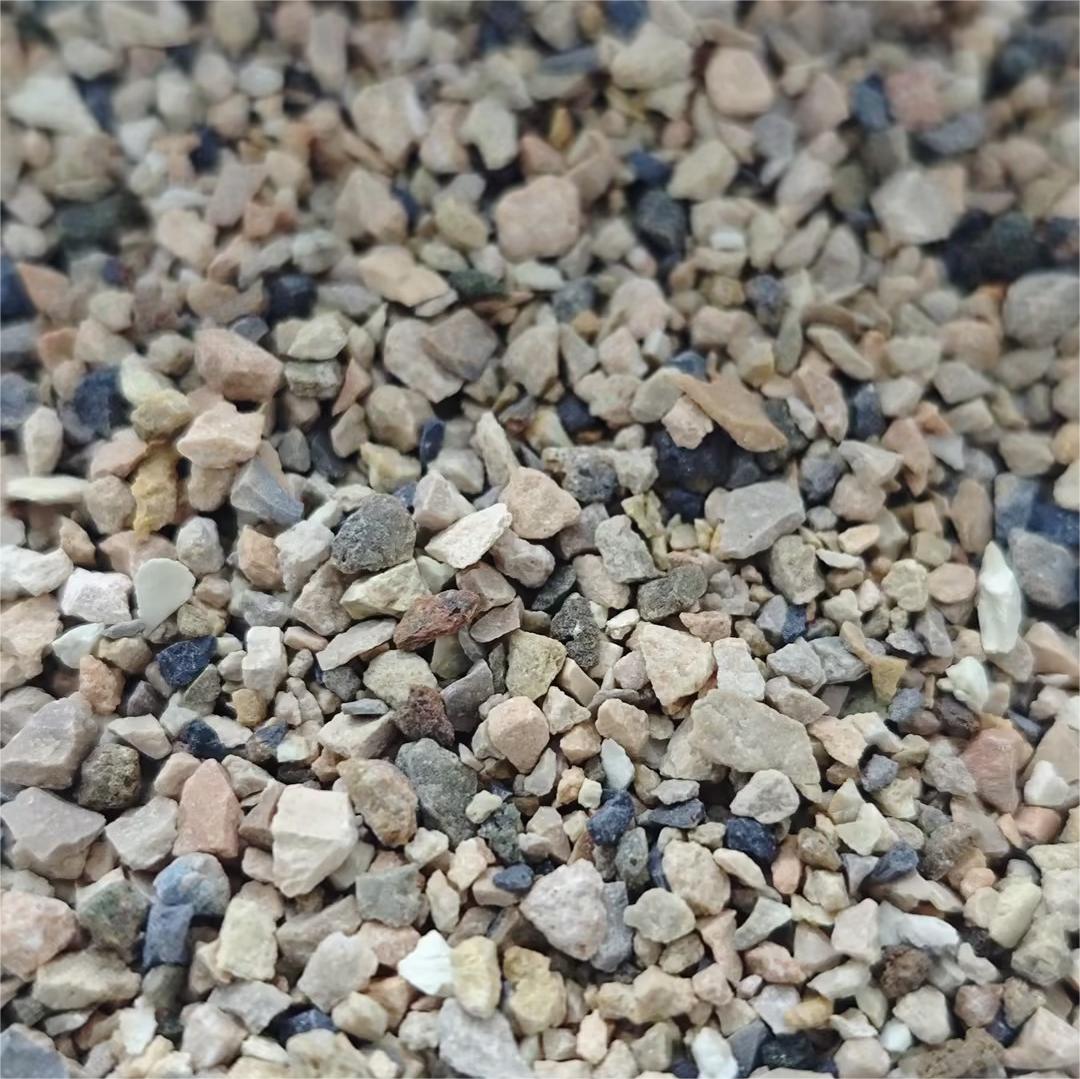 SEPPE 85-grade calcined bauxite, 1–3 mm.
These figures are market examples, not SEPPE product guarantees. Contract values must come from the agreed TDS and COA. “Bulk density” here means granular refractory grain density, not loose poured density.
| COA line | What it tells the buyer | A result worth questioning | Test reference |
|---|---|---|---|
| Al2O3 | Confirms the broad commercial grade. | The value passes, but other oxide totals or loss on ignition look unusual. | ISO 12677 XRF |
| SiO2 | Shows how much silica-bearing material remains after calcination. | A change may alter mineral phases and high-temperature behavior. | ISO 12677 XRF |
| Fe2O3 and TiO2 | Helps identify ore and grade differences that alumina alone can hide. | A new source meets Al2O3 but has very different impurity levels. | ISO 12677 XRF |
| K2O + Na2O | Tracks alkalis that may promote lower-temperature liquid formation. | The COA omits alkalis although the formulation has a strict limit. | ISO 12677 XRF |
| Grain density | Provides evidence of clinker densification when measured on suitable grains. | The value is given without fraction, preparation or method. | ISO 8840 for grains >2 mm |
| Particle-size distribution | Shows whether the delivered cut fits the customer's packing design. | Only “1–3 mm” is reported, with no sieve retention data. | ASTM C92 |
Higher alumina does not automatically mean longer lining life. A dense 88-grade clinker can still be a poor choice if its size distribution upsets the existing mix. An 85-grade material may perform well where its mineralogy and expansion behavior suit the matrix.
Refractory bauxite is supplied in distinct size cuts. Coarse grains help form the aggregate skeleton, while smaller grains and powder occupy the spaces around them. A useful grading plan combines these fractions instead of treating one size as a complete formulation.
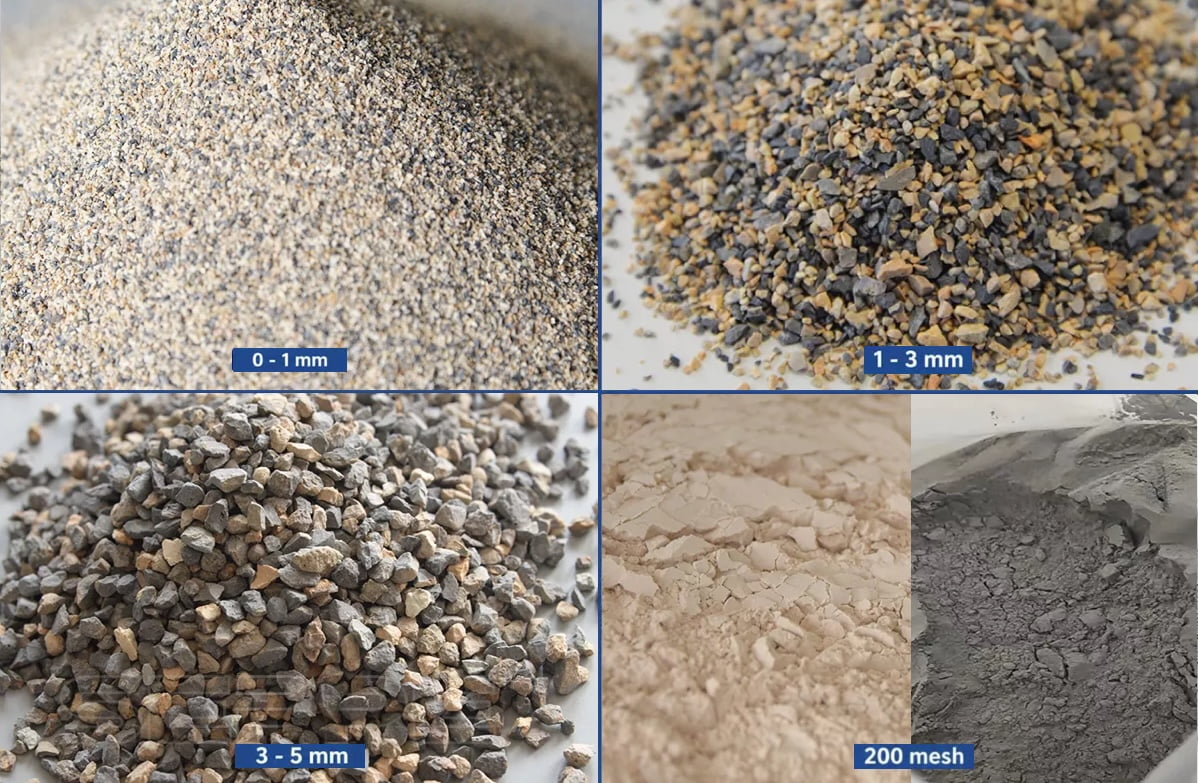 Calcined bauxite from coarse aggregate to fine powder. Each fraction has a different place in the packing design.
Specifying high Al2O3 without controlling the delivered grading can reduce packing efficiency and change the finished refractory. Compare sieve-retention data with the current recipe before approving a substitute.
Temperature labels need the same discipline. Calcination temperature, pyrometric cone equivalent and service temperature describe different things. The finished refractory determines what the installed lining can withstand.
Confirm product code, lot number, production date and the size fraction being tested.
Compare every contracted oxide limit, not only Al2O3.
Look for grain density, moisture and any agreed porosity or absorption result.
Review retained percentages and oversize or undersize limits.
Make sure the method and sample preparation match the purchasing specification.
Compare several lots when consistency matters more than a single passing result.
Finish qualification with a plant trial. Use the normal mixer, forming method and firing schedule. Measure the properties that matter in the customer's product rather than repeating only the raw-material tests. Buyers comparing other grades and formats can also browse the SEPPE calcined bauxite product range.
ISO 12677:2011 — XRF chemical analysis of refractory raw materials and products
ISO 8840:2021 — Grain density of granular refractory materials larger than 2 mm
ASTM C92-95(2022) — Sieve analysis of refractory materials
ISO 8656-1:1988 — Sampling scheme for refractory raw materials and unshaped products
Technical review — Typical properties of high-alumina refractory raw materials
Send the current specification, required particle sizes and the latest COA if available. SEPPE can propose a comparison sample and the relevant batch data.
Request Grade ComparisonViews: 326 Author: RKB Publish Time: 2026-08-12 Origin: SEPPETECH
A grade name is a useful starting point, but it is not a complete refractory-bauxite specification. Two products sold as “85 grade” can differ in silica, iron, alkalis, grain density and size distribution.
Selection should begin with the customer's formulation. The supplier's job is to show that the offered batch fits those limits and can be produced consistently.
Need the application background first? Read Calcined Bauxite for Refractory Applications. It covers where the raw material is used in bricks, castables and repair mixes. This guide deals with the next question: which grade should you buy, and what should the batch documents show?
Step 01
Identify the refractory product, the bauxite fraction being replaced and the most important failure mode.
Step 02
Set chemistry, grain density, moisture and particle-size requirements. Add the test methods.
Step 03
Review the COA, inspect a representative sample and run it through the normal production route.
The number usually follows the nominal alumina level. It is not an ISO grade designation. Supplier specifications differ, so the same code should never replace the actual chemical limits.
The SEPPE calcined bauxite product page provides an overview of the material and available forms. Final acceptance should still follow the specification agreed for the order.
Often selected when the formulation can accept more silica and does not require the highest-density clinker.
A common basis for high-alumina bricks and monolithic products. Impurity limits still need separate review.
The tighter chemistry can support demanding formulations, provided the mineralogy and firing quality are suitable.
Availability and specification depend strongly on the ore source and process. Verify all limits before treating it as a substitute for synthetic alumina.
Focused density scale: 2.5–3.5 g/cm³. Grade numbers indicate the nominal Al2O3 level.
Typical commercial reference values only. Confirm the limit and test method on the supplier TDS and batch COA.
SEPPE 85-grade calcined bauxite, 1–3 mm.
These figures are market examples, not SEPPE product guarantees. Contract values must come from the agreed TDS and COA. “Bulk density” here means granular refractory grain density, not loose poured density.
| COA line | What it tells the buyer | A result worth questioning | Test reference |
|---|---|---|---|
| Al2O3 | Confirms the broad commercial grade. | The value passes, but other oxide totals or loss on ignition look unusual. | ISO 12677 XRF |
| SiO2 | Shows how much silica-bearing material remains after calcination. | A change may alter mineral phases and high-temperature behavior. | ISO 12677 XRF |
| Fe2O3 and TiO2 | Helps identify ore and grade differences that alumina alone can hide. | A new source meets Al2O3 but has very different impurity levels. | ISO 12677 XRF |
| K2O + Na2O | Tracks alkalis that may promote lower-temperature liquid formation. | The COA omits alkalis although the formulation has a strict limit. | ISO 12677 XRF |
| Grain density | Provides evidence of clinker densification when measured on suitable grains. | The value is given without fraction, preparation or method. | ISO 8840 for grains >2 mm |
| Particle-size distribution | Shows whether the delivered cut fits the customer's packing design. | Only “1–3 mm” is reported, with no sieve retention data. | ASTM C92 |
Higher alumina does not automatically mean longer lining life. A dense 88-grade clinker can still be a poor choice if its size distribution upsets the existing mix. An 85-grade material may perform well where its mineralogy and expansion behavior suit the matrix.
Refractory bauxite is supplied in distinct size cuts. Coarse grains help form the aggregate skeleton, while smaller grains and powder occupy the spaces around them. A useful grading plan combines these fractions instead of treating one size as a complete formulation.
Calcined bauxite from coarse aggregate to fine powder. Each fraction has a different place in the packing design.
Specifying high Al2O3 without controlling the delivered grading can reduce packing efficiency and change the finished refractory. Compare sieve-retention data with the current recipe before approving a substitute.
Temperature labels need the same discipline. Calcination temperature, pyrometric cone equivalent and service temperature describe different things. The finished refractory determines what the installed lining can withstand.
Confirm product code, lot number, production date and the size fraction being tested.
Compare every contracted oxide limit, not only Al2O3.
Look for grain density, moisture and any agreed porosity or absorption result.
Review retained percentages and oversize or undersize limits.
Make sure the method and sample preparation match the purchasing specification.
Compare several lots when consistency matters more than a single passing result.
Finish qualification with a plant trial. Use the normal mixer, forming method and firing schedule. Measure the properties that matter in the customer's product rather than repeating only the raw-material tests. Buyers comparing other grades and formats can also browse the SEPPE calcined bauxite product range.
ISO 12677:2011 — XRF chemical analysis of refractory raw materials and products
ISO 8840:2021 — Grain density of granular refractory materials larger than 2 mm
ASTM C92-95(2022) — Sieve analysis of refractory materials
ISO 8656-1:1988 — Sampling scheme for refractory raw materials and unshaped products
Technical review — Typical properties of high-alumina refractory raw materials
Send the current specification, required particle sizes and the latest COA if available. SEPPE can propose a comparison sample and the relevant batch data.
Request Grade Comparison