Views: 0 Author: SEPROP Publish Time: 2026-09-14 Origin: SEPPE TECH
In standard international B2B procurement for ceramic proppants, parties typically price transactions by weight (USD/MT); subsequent processes—such as payment, container loading, contract quantities, and invoicing—also generally revolve around metric tons (MT).
Why, then, is "per cubic meter" mentioned?
The key reason is that downhole fractures require a specific volume of space to be filled, not a specific weight; the designed volume of the fracture is fixed.
USD/MT answers how the product is purchased. Cost per m³ helps estimate how much a technically suitable grade costs for an equal bulk volume.
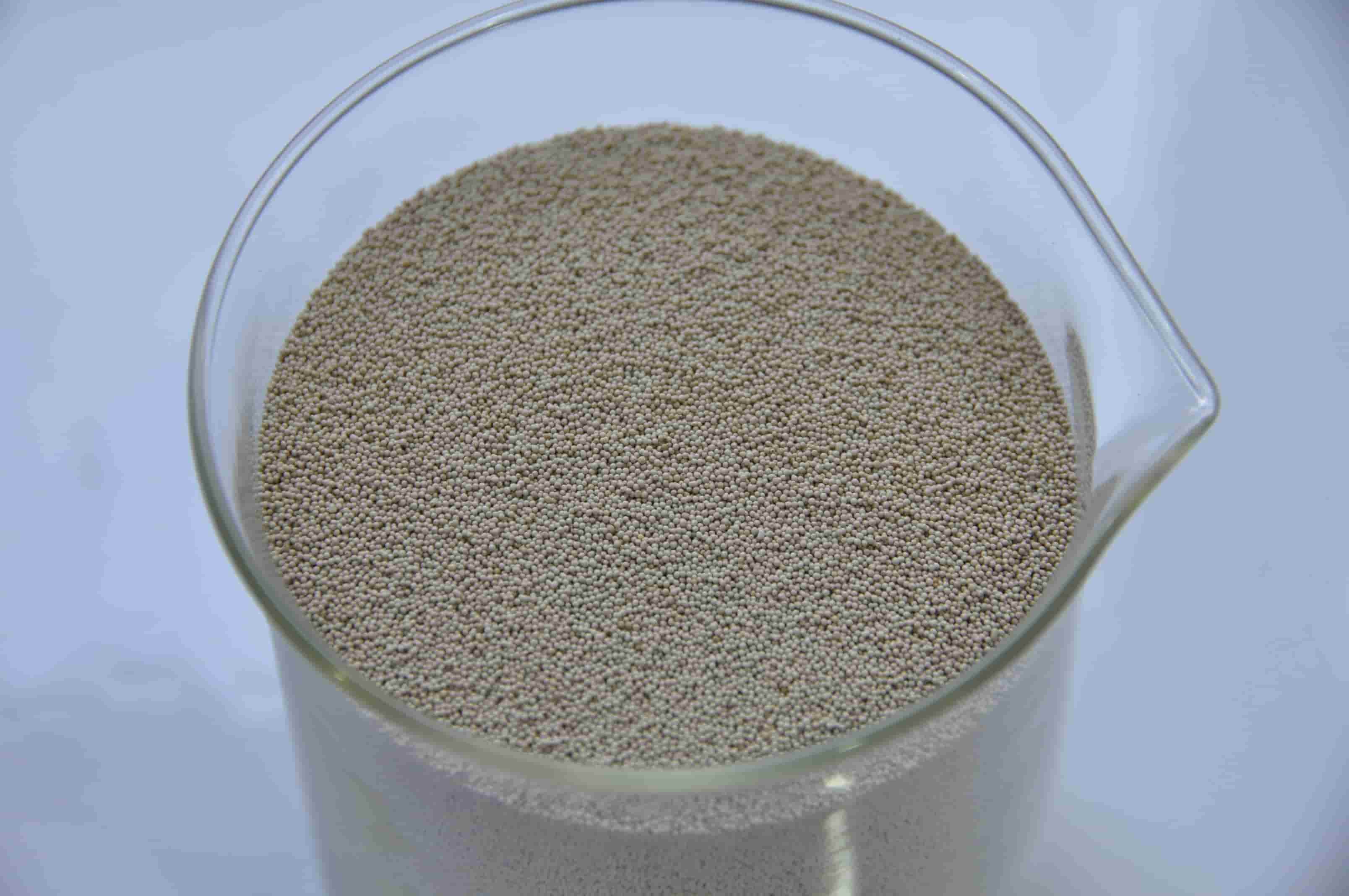
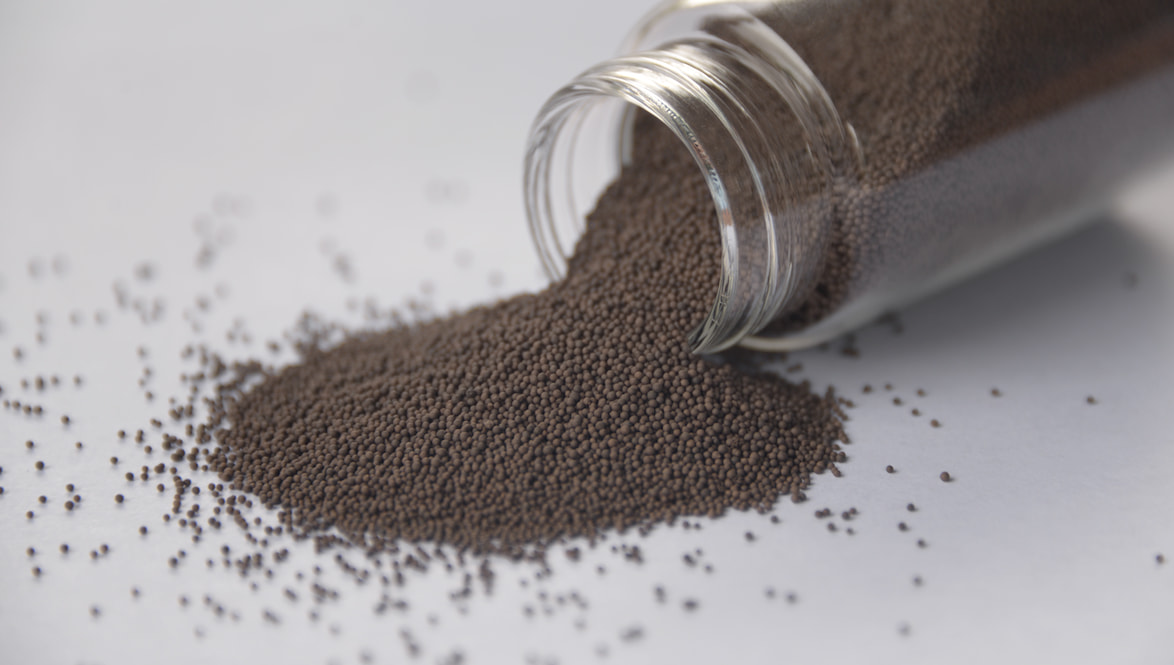
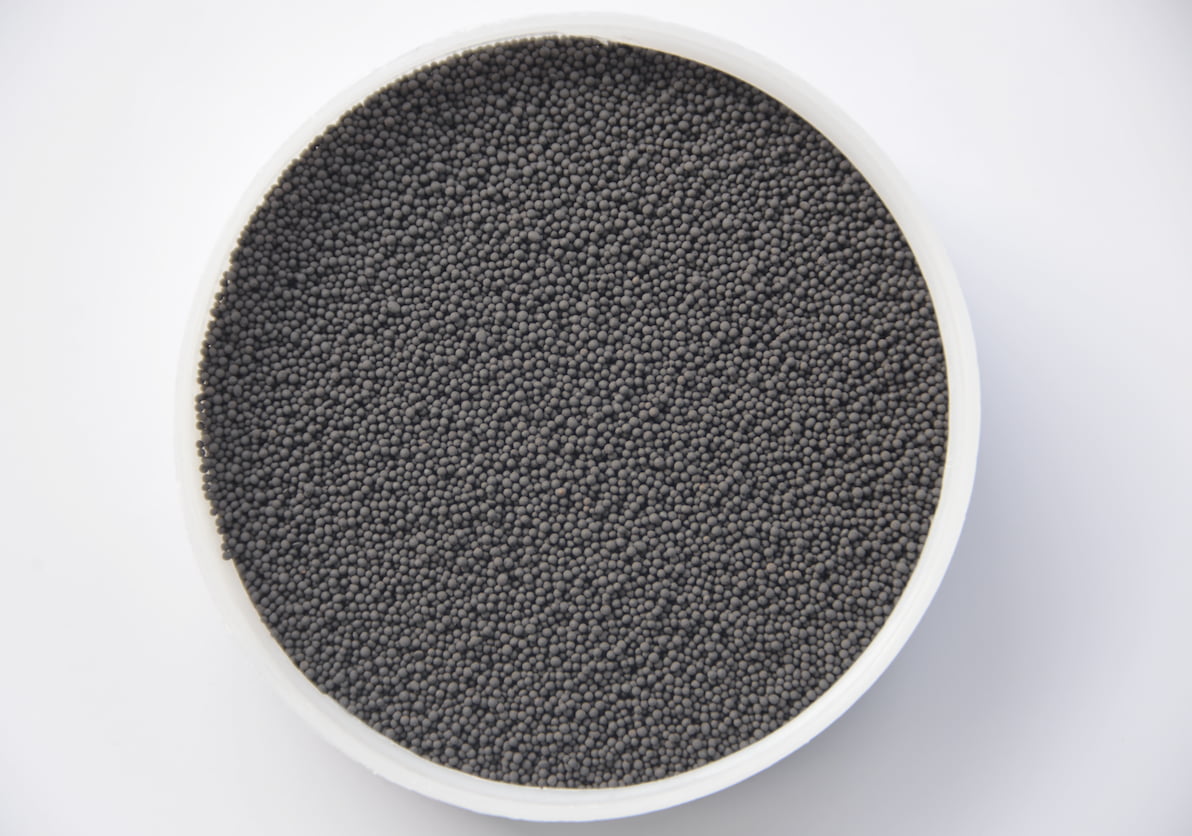
For example, consider the bulk density of different SEPPE ceramic proppant grades: SEPLITE LWP: Approx. 1.50–1.60 g/cm³ SEPROP ISP: 1.65–1.75 g/cm³ SEPREM HSP: Approx. 1.80–1.90 g/cm³
Because densities vary across grades, the actual weight of material required to fill the same 1 m³ fracture space differs: Using SEPREM HSP requires purchasing approximately 0.30 tons more material than using SEPLITE LWP (focusing solely on the "price per ton" would completely overlook the fact that HSP involves 20% more weight).
When selecting materials and comparing options during the preliminary stages, it is essential for purchasers to compare the total cost based on volume to avoid assessment errors caused by looking only at the price per ton. Therefore, "per m³" is primarily an engineering or cost concept involving a "volume-to-weight conversion," rather than a standard unit for quoting prices.
This distinction can lead to misunderstandings, especially for novice purchasers who focus exclusively on the cost per ton:
Since HSP weighs more than LWP for the same volume, does that mean HSP is "denser" or of superior quality?
Since HSP costs over $100 more per ton than LWP, is LWP a better deal because you get more material for the same weight?
......
It is important to note that the purchaser alone cannot arbitrarily decide the choice of proppant; downhole geological and engineering conditions (specifically, closure stress) largely determine it.
In wells that do not require high compressive strength, heavy HSPs tend to settle at the bottom of the well before reaching the depths of the fractures, resulting in uneven proppant distribution and fracturing failure.
Furthermore, pumping these heavy HSPs downhole necessitates increasing the fracturing fluid viscosity or applying higher pressure, thereby raising costs associated with on-site pumping equipment and chemical additives.
Views: 0 Author: SEPROP Publish Time: 2026-09-14 Origin: SEPPE TECH
In standard international B2B procurement for ceramic proppants, parties typically price transactions by weight (USD/MT); subsequent processes—such as payment, container loading, contract quantities, and invoicing—also generally revolve around metric tons (MT).
Why, then, is "per cubic meter" mentioned?
The key reason is that downhole fractures require a specific volume of space to be filled, not a specific weight; the designed volume of the fracture is fixed.
USD/MT answers how the product is purchased. Cost per m³ helps estimate how much a technically suitable grade costs for an equal bulk volume.
For example, consider the bulk density of different SEPPE ceramic proppant grades: SEPLITE LWP: Approx. 1.50–1.60 g/cm³ SEPROP ISP: 1.65–1.75 g/cm³ SEPREM HSP: Approx. 1.80–1.90 g/cm³
Because densities vary across grades, the actual weight of material required to fill the same 1 m³ fracture space differs: Using SEPREM HSP requires purchasing approximately 0.30 tons more material than using SEPLITE LWP (focusing solely on the "price per ton" would completely overlook the fact that HSP involves 20% more weight).
When selecting materials and comparing options during the preliminary stages, it is essential for purchasers to compare the total cost based on volume to avoid assessment errors caused by looking only at the price per ton. Therefore, "per m³" is primarily an engineering or cost concept involving a "volume-to-weight conversion," rather than a standard unit for quoting prices.
This distinction can lead to misunderstandings, especially for novice purchasers who focus exclusively on the cost per ton:
Since HSP weighs more than LWP for the same volume, does that mean HSP is "denser" or of superior quality?
Since HSP costs over $100 more per ton than LWP, is LWP a better deal because you get more material for the same weight?
......
It is important to note that the purchaser alone cannot arbitrarily decide the choice of proppant; downhole geological and engineering conditions (specifically, closure stress) largely determine it.
In wells that do not require high compressive strength, heavy HSPs tend to settle at the bottom of the well before reaching the depths of the fractures, resulting in uneven proppant distribution and fracturing failure.
Furthermore, pumping these heavy HSPs downhole necessitates increasing the fracturing fluid viscosity or applying higher pressure, thereby raising costs associated with on-site pumping equipment and chemical additives.