Views: 0 Author: RKB Publish Time: 2026-10-13 Origin: SEPPPE Tech
If you are preparing to purchase calcined bauxite, would you assume the first step is simply to ask for a sample?
No. Whether you are a trader or an end-user factory, the first priority is to pin down the product specifications for calcined bauxite.
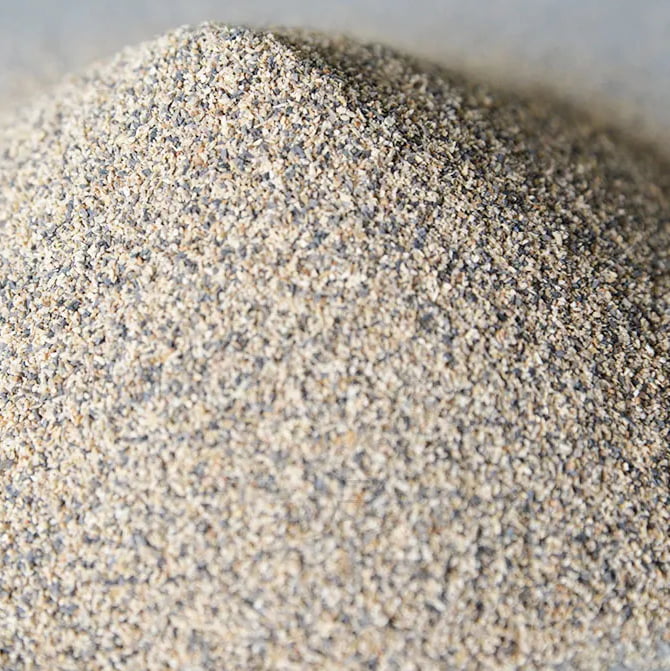
0–1 mm
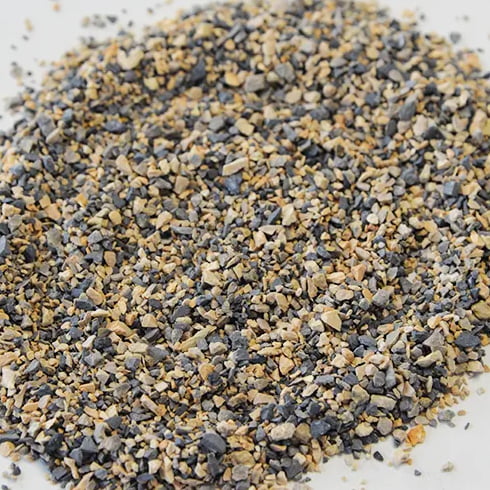
1–3 mm
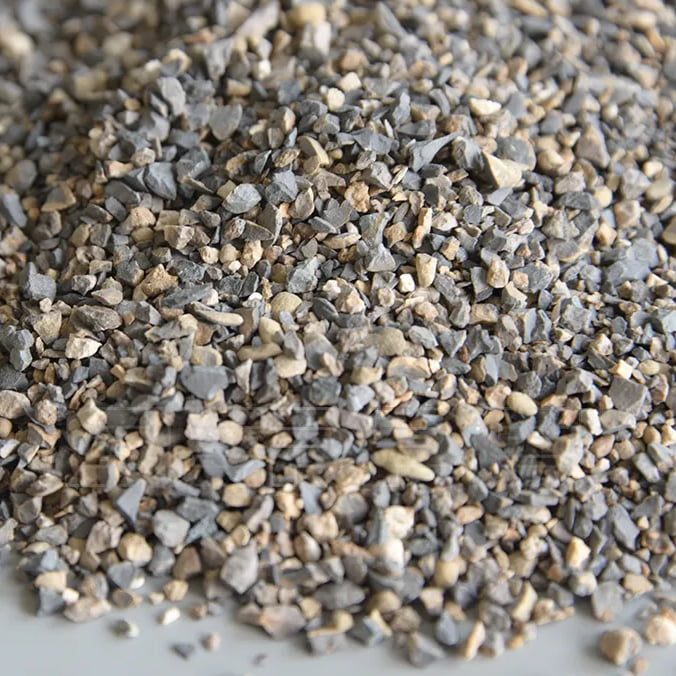
3–5 mm
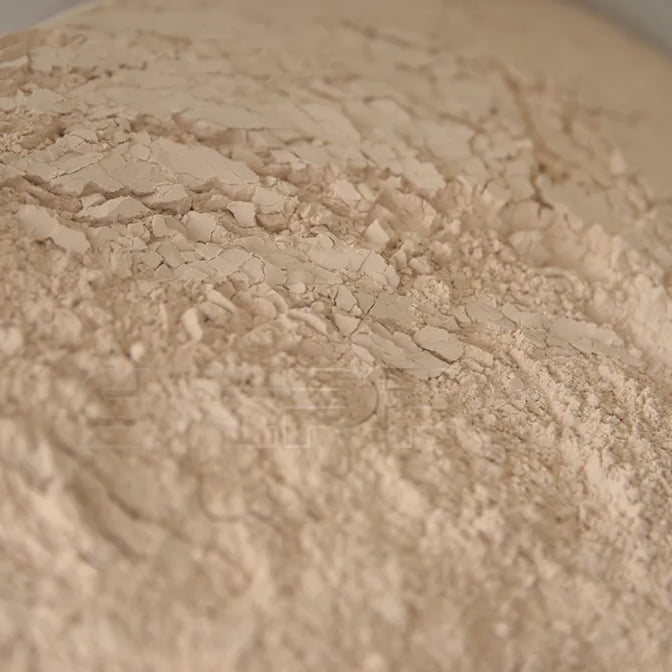
200 mesh
When you are planning to import calcined bauxite from China, it is natural to have some concerns regarding your first full-container order:
Do the product specifications meet your procurement requirements?
Can the sample provided by the supplier accurately represent the subsequent bulk deliveries?
Do the laboratory test results meet your procurement standards?
Does each product size require separate testing and verification?
This is especially critical given the recent volatility in ocean freight rates, which raises the cost of trial and error.
You must fully clarify these issues before purchase to ensure the delivered product meets your actual requirements.

Application, chemistry, density and particle size
Confirm the grade and request supporting technical data
Check results against the agreed purchase criteria
Confirm specifications, packing and delivery arrangements
Calcined bauxite is widely used in industries such as refractories; different applications may have varying requirements regarding chemical composition, physical properties, and particle size distribution.
Before requesting a sample, you should determine the target product specifications. We recommend confirming the following information first:
Chemical composition: Al₂O₃ content, as well as permissible ranges for other components like Fe₂O₃ and SiO₂.
Density metrics: The specific type of density required, along with the corresponding testing methods and acceptance criteria.
Particle size specifications: Target size fraction, sieve residue requirements, and whether a specific particle size distribution is needed.
Application requirements: The type of refractory material or industrial application involved, and any additional performance requirements.
Testing and acceptance standards: The testing methods, technical specifications, and pass/fail criteria to be used.
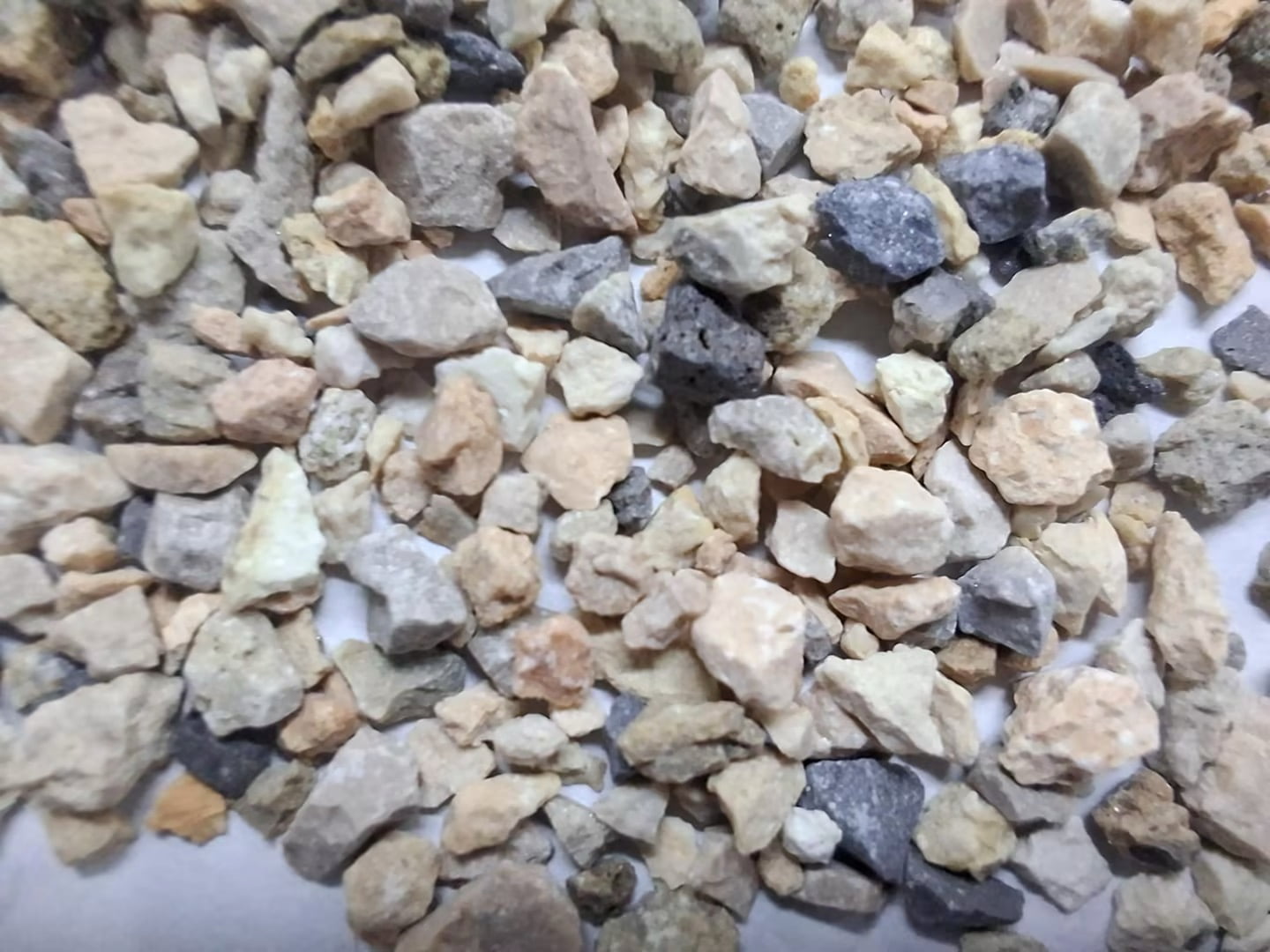
Based on SEPPE’s experience, procurement standards vary from customer to customer. Even if a sample’s chemical composition meets requirements, that does not guarantee its particle size, density, or other metrics will satisfy the needs of the target application.
Drawing on our extensive experience serving calcined bauxite clients, we often receive inquiries asking, "Do you still have this specific type of calcined bauxite available?"
However, when we follow up to ask for specific specification details, the conversation often goes silent.
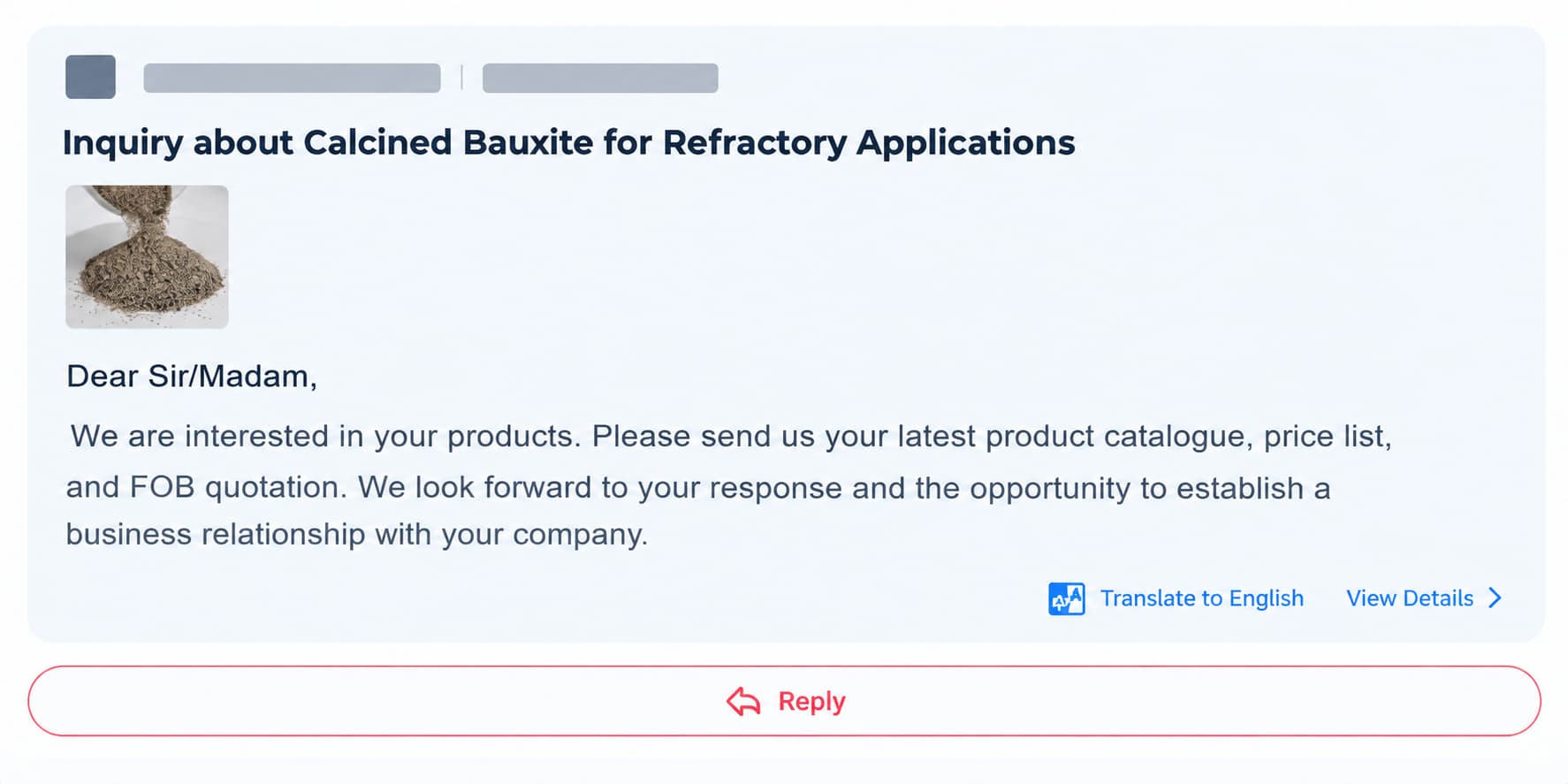
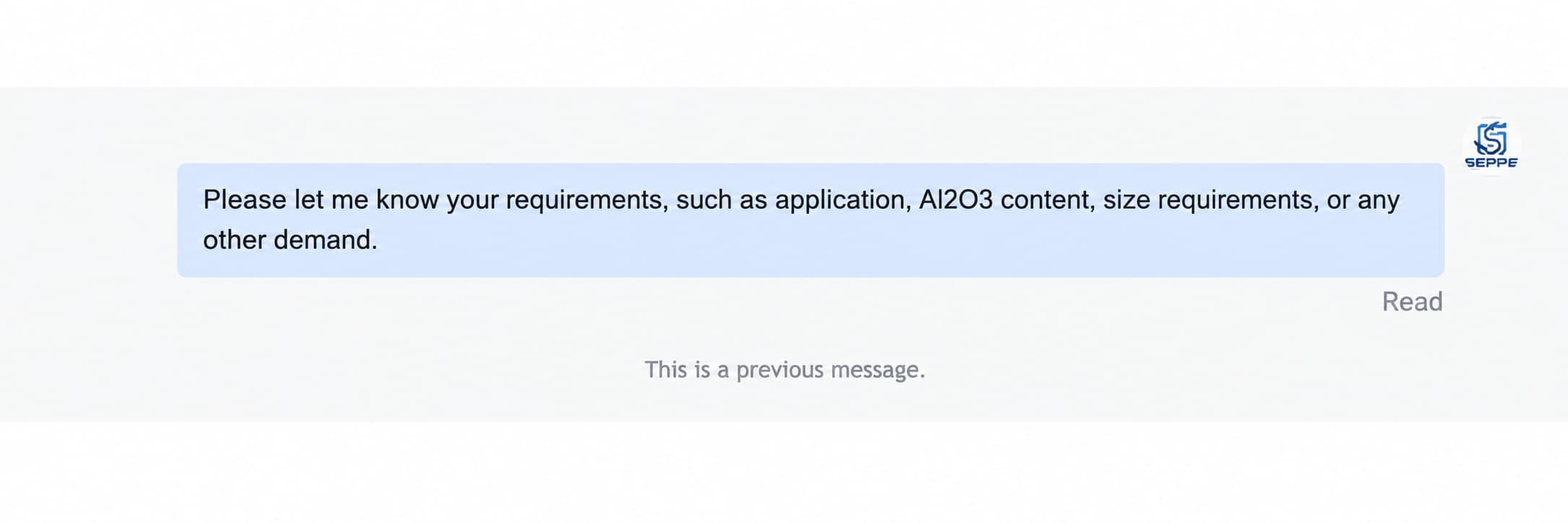
We believe most such inquiries come from foreign trade intermediaries, agents, or corporate procurement specialists.
When pressed for technical specifications, they often need to spend time typing, gathering data, or formatting information.
If they cannot answer immediately and delay their response to clarify end-user requirements, the process often stalls.
Therefore, to improve communication efficiency, it is best to clarify calcined bauxite specifications and then submit specific sample requests to the supplier.
In addition to specifying requirements for chemical composition (such as Al₂O₃ and Fe content) and particle size ranges,
you should also provide the supplier with any specific requirements regarding apparent density or other metrics to ensure product compatibility.
Key documentation accompanying the sample:
Technical Data Sheet: Includes the calcined bauxite grade, chemical composition (Al₂O₃/Fe₂O₃/SiO₂/TiO₂), physical parameters, and product applications.
Certificate of Analysis (COA): Actual test data for the specific batch, detailing chemical and particle size analysis results.
Particle Size Data: Indicates sieve residue for various fractions and the particle size distribution curve.
Once the sample arrives, you should not judge product conformity solely by appearance or a single metric provided by the supplier. A more prudent approach is to arrange appropriate testing based on pre-determined procurement specifications.
Sample testing aims not only to verify if the material meets requirements but also to establish a clear specification basis for future procurement.
While laboratory tests can confirm compliance with agreed-upon metrics, certain applications may require formulation trials, production test runs, or other suitability assessments.
If the sample passes testing, it indicates that the material meets the confirmed requirements under the tested conditions; however, transitioning from sample testing to an initial bulk order requires the parties to discuss commercial delivery terms.
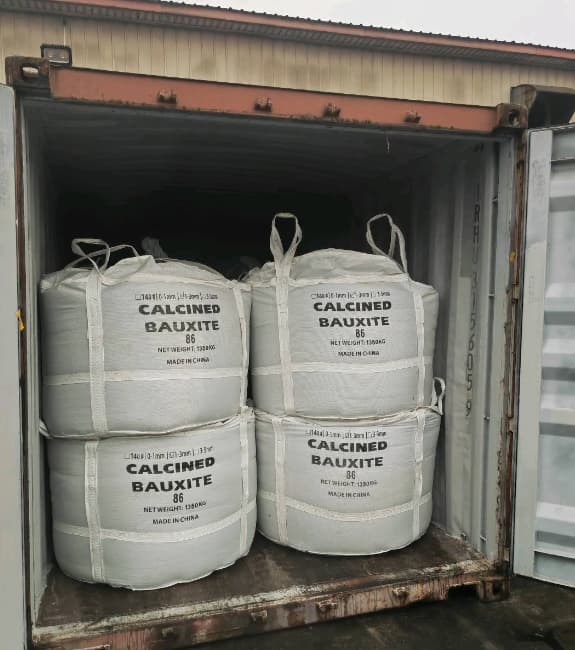
Key points include:
Product Specifications: Clearly define chemical composition, particle size, and other relevant metrics to avoid overly vague order descriptions.
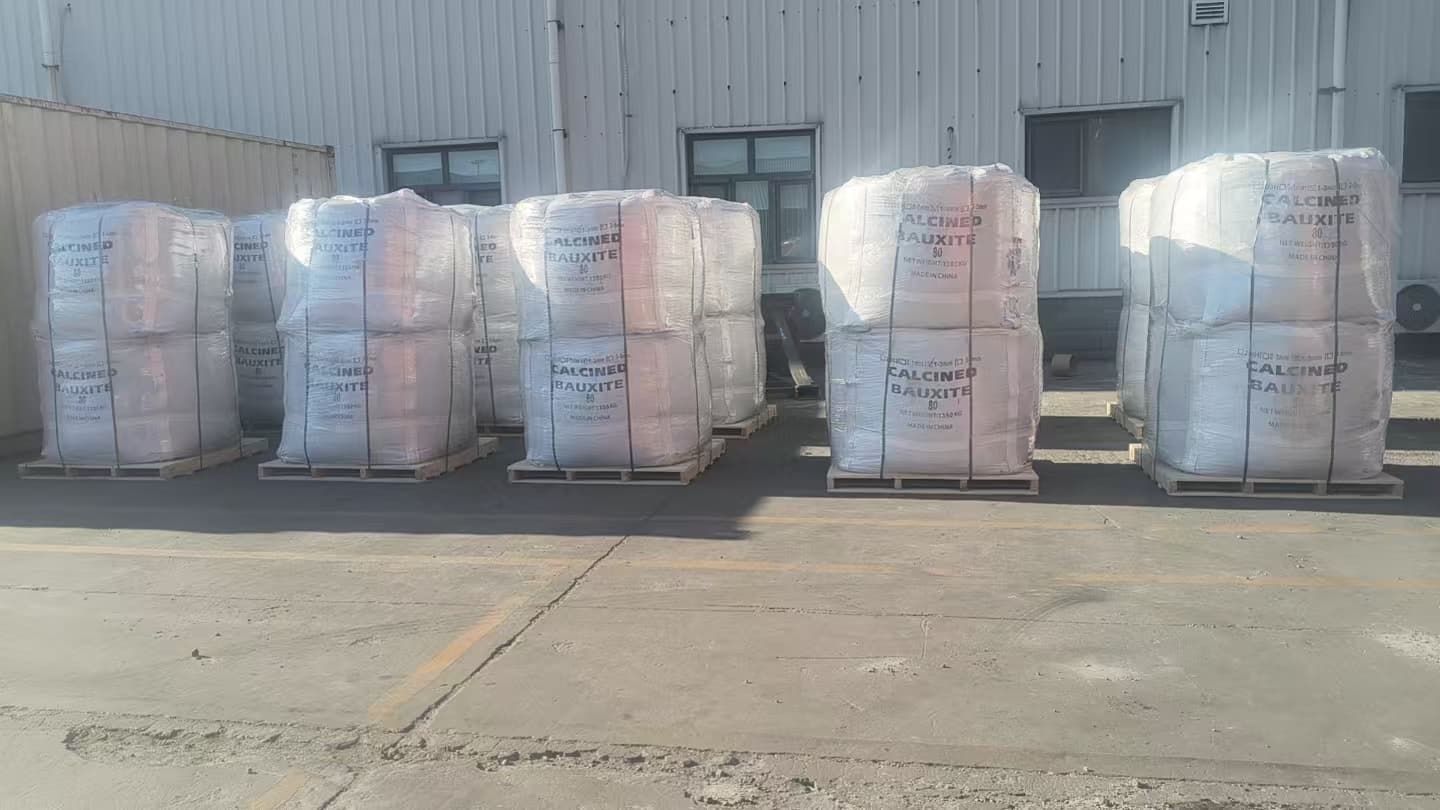
Packaging: Confirm packaging specifications, weight per package, labeling information, and unloading requirements.
Loading Arrangements: Confirm whether we can ship products of different particle sizes together, along with the corresponding requirements for packaging, loading, and documentation.
Quality Documentation: Clarify which test reports, quality certificates, or other documents we can provide at the time of shipment.
Delivery Terms: Define trade terms, shipping arrangements, estimated delivery dates, and the scope of responsibility for both parties.
Follow-up Replenishment: Understand production and shipping lead times to allow sufficient time for customer orders and inventory planning.
At SEPPE, we aim for more than just one-off transactions.
We look forward to establishing a long-term, sustainable partnership with you—spanning everything from specification confirmation, sample evaluation, and volume supply to consistent, reliable quality control.
Views: 0 Author: RKB Publish Time: 2026-10-13 Origin: SEPPPE Tech
If you are preparing to purchase calcined bauxite, would you assume the first step is simply to ask for a sample?
No. Whether you are a trader or an end-user factory, the first priority is to pin down the product specifications for calcined bauxite.
0–1 mm
1–3 mm
3–5 mm
200 mesh
When you are planning to import calcined bauxite from China, it is natural to have some concerns regarding your first full-container order:
Do the product specifications meet your procurement requirements?
Can the sample provided by the supplier accurately represent the subsequent bulk deliveries?
Do the laboratory test results meet your procurement standards?
Does each product size require separate testing and verification?
This is especially critical given the recent volatility in ocean freight rates, which raises the cost of trial and error.
You must fully clarify these issues before purchase to ensure the delivered product meets your actual requirements.
Application, chemistry, density and particle size
Confirm the grade and request supporting technical data
Check results against the agreed purchase criteria
Confirm specifications, packing and delivery arrangements
Calcined bauxite is widely used in industries such as refractories; different applications may have varying requirements regarding chemical composition, physical properties, and particle size distribution.
Before requesting a sample, you should determine the target product specifications. We recommend confirming the following information first:
Chemical composition: Al₂O₃ content, as well as permissible ranges for other components like Fe₂O₃ and SiO₂.
Density metrics: The specific type of density required, along with the corresponding testing methods and acceptance criteria.
Particle size specifications: Target size fraction, sieve residue requirements, and whether a specific particle size distribution is needed.
Application requirements: The type of refractory material or industrial application involved, and any additional performance requirements.
Testing and acceptance standards: The testing methods, technical specifications, and pass/fail criteria to be used.
Based on SEPPE’s experience, procurement standards vary from customer to customer. Even if a sample’s chemical composition meets requirements, that does not guarantee its particle size, density, or other metrics will satisfy the needs of the target application.
Drawing on our extensive experience serving calcined bauxite clients, we often receive inquiries asking, "Do you still have this specific type of calcined bauxite available?"
However, when we follow up to ask for specific specification details, the conversation often goes silent.
We believe most such inquiries come from foreign trade intermediaries, agents, or corporate procurement specialists.
When pressed for technical specifications, they often need to spend time typing, gathering data, or formatting information.
If they cannot answer immediately and delay their response to clarify end-user requirements, the process often stalls.
Therefore, to improve communication efficiency, it is best to clarify calcined bauxite specifications and then submit specific sample requests to the supplier.
In addition to specifying requirements for chemical composition (such as Al₂O₃ and Fe content) and particle size ranges,
you should also provide the supplier with any specific requirements regarding apparent density or other metrics to ensure product compatibility.
Key documentation accompanying the sample:
Technical Data Sheet: Includes the calcined bauxite grade, chemical composition (Al₂O₃/Fe₂O₃/SiO₂/TiO₂), physical parameters, and product applications.
Certificate of Analysis (COA): Actual test data for the specific batch, detailing chemical and particle size analysis results.
Particle Size Data: Indicates sieve residue for various fractions and the particle size distribution curve.
Once the sample arrives, you should not judge product conformity solely by appearance or a single metric provided by the supplier. A more prudent approach is to arrange appropriate testing based on pre-determined procurement specifications.
Sample testing aims not only to verify if the material meets requirements but also to establish a clear specification basis for future procurement.
While laboratory tests can confirm compliance with agreed-upon metrics, certain applications may require formulation trials, production test runs, or other suitability assessments.
If the sample passes testing, it indicates that the material meets the confirmed requirements under the tested conditions; however, transitioning from sample testing to an initial bulk order requires the parties to discuss commercial delivery terms.
Key points include:
Product Specifications: Clearly define chemical composition, particle size, and other relevant metrics to avoid overly vague order descriptions.
Packaging: Confirm packaging specifications, weight per package, labeling information, and unloading requirements.
Loading Arrangements: Confirm whether we can ship products of different particle sizes together, along with the corresponding requirements for packaging, loading, and documentation.
Quality Documentation: Clarify which test reports, quality certificates, or other documents we can provide at the time of shipment.
Delivery Terms: Define trade terms, shipping arrangements, estimated delivery dates, and the scope of responsibility for both parties.
Follow-up Replenishment: Understand production and shipping lead times to allow sufficient time for customer orders and inventory planning.
At SEPPE, we aim for more than just one-off transactions.
We look forward to establishing a long-term, sustainable partnership with you—spanning everything from specification confirmation, sample evaluation, and volume supply to consistent, reliable quality control.