You are here: Home » Products » CALCINED BAUXITE » Shaft Calcined Bauxite » 1–3mm Anti-Slip Road Surfacing Calcined Bauxite

Product Details

1–3mm Anti-Slip Road Surfacing Calcined Bauxite

SEPPE Calcined Bauxite is a premium aggregate engineered specifically for the High Friction Surface Treatment (HFST) and road safety industries. With an exceptionally high Polished Stone Value (PSV) and extreme hardness, our bauxite provides long-lasting skid resistance, significantly reducing braking distances and improving road safety in critical areas.
Availability:
Quantity:
  • 1-3mm

  • SEPPE BAUXITE

  • 25083000

SHAFT-KILN CALCINED BAUXITE / ANTI-SLIP AGGREGATE

1–3mm Anti-Slip Road Surfacing Calcined Bauxite

Hard, angular grains with resistance to polishing and abrasion. Produced in shaft kilns and supplied in a focused 1–3 mm grading, this calcined bauxite provides a durable mineral texture for anti-slip surfacing.
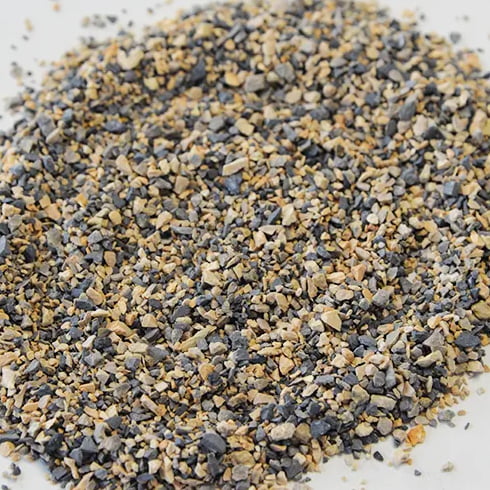
SEPPE 1–3 mm calcined bauxite aggregate

1–3 mm Calcined Bauxite Aggregate

Why Choose Calcined Bauxite?

Resistance to Polishing

The hard mineral structure helps the aggregate retain surface texture as traffic polishes exposed particles.

Angular Grain Texture

Crushed, angular grains provide a textured surface. The finished profile also depends on binder selection and installation.

Focused 1–3 mm Grading

A defined size fraction supports consistent spreading and surface texture when matched to the specified surfacing system.

Chemical Composition & Physical Properties

Product profile for the designated shaft-kiln anti-slip grade. The main supply size is 1–3 mm; confirm the required grading envelope with your surfacing-system supplier.

Chemical Composition & Size
Alumina (Al₂O₃) ≥80%(Typically 82–85%)
Iron oxide (Fe₂O₃) ≤2.0%
Titanium dioxide (TiO₂) 2.5–3.5%
CaO + MgO ≤0.6%
K₂O + Na₂O ≤0.4%
Nominal particle size 1–3 mm
Physical Properties & Production
Polished Stone Value (PSV) ≥70
Aggregate Abrasion Value (AAV) ≤2.5
Los Angeles abrasion loss ≤15%
Water absorption ≤1.0%
Bulk Density 2.90–3.25 g/cm³
Calcination route Shaft kiln

Al₂O₃ and PSV are the core product requirements. Other listed values describe the supplied grade profile and should be confirmed against the current grade-specific technical data and agreed order specification.

Bulk Density is shown as a reference range using the terminology supplied in the material documents. Confirm the measurement method and reporting basis on the corresponding report; a reference range is not a guaranteed minimum.

Typical Applications

Select the aggregate as part of a complete surfacing system, with binder compatibility, application rate and finished-surface performance assessed for the project.

Illustration of coloured road surfacing and cycle paths

Coloured Roads & Cycle Paths

Application illustration: coloured lanes, cycle paths, pedestrian crossings and road areas requiring enhanced surface texture.

Illustration of airport runway and airfield pavements

Airfield Pavements

Application illustration: runway, taxiway and apron environments. Use is subject to the approved pavement system and project-specific acceptance requirements.

These images illustrate possible application settings. 

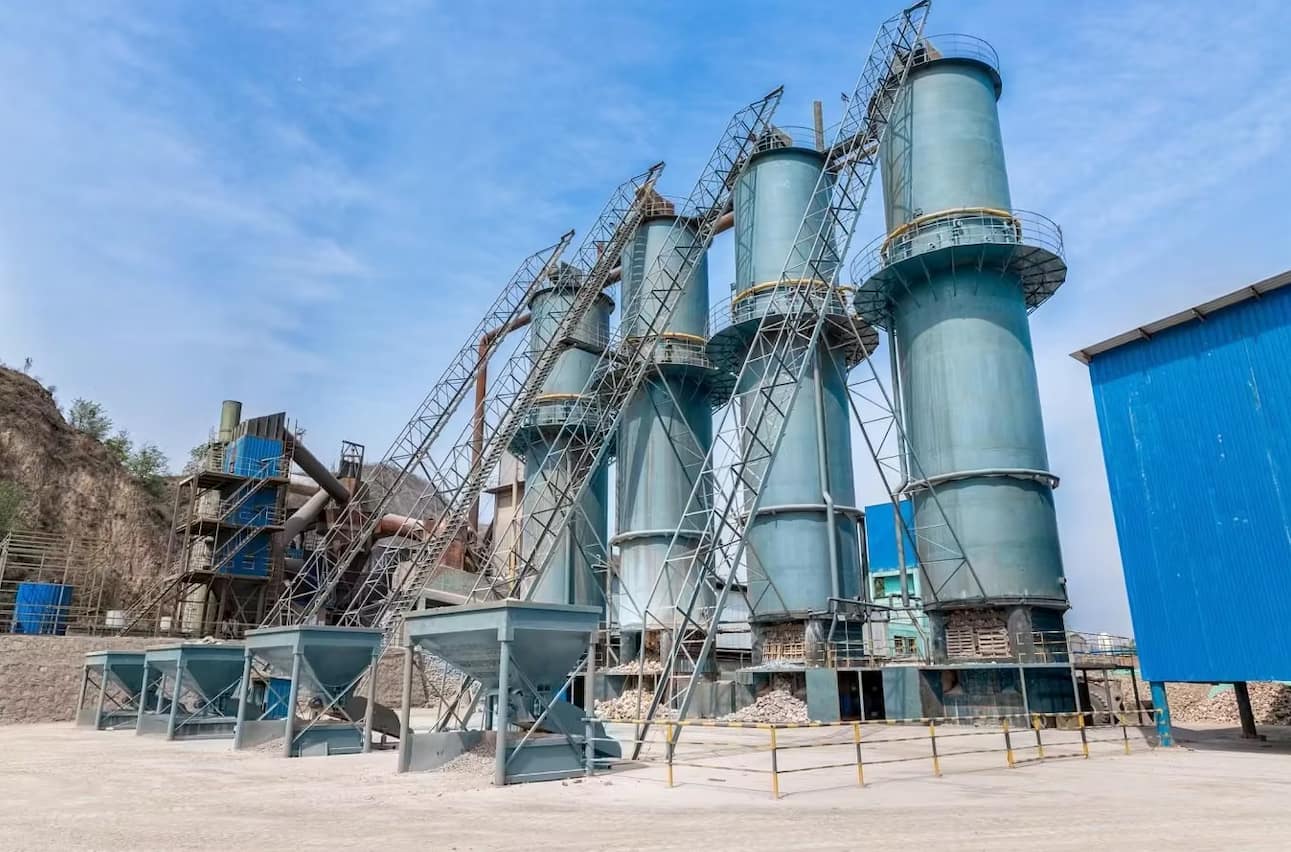
Shaft-Kiln Production Line

Selected bauxite is calcined in shaft kilns, then crushed and screened into the required aggregate fraction. This product page focuses on the shaft-kiln supply route.
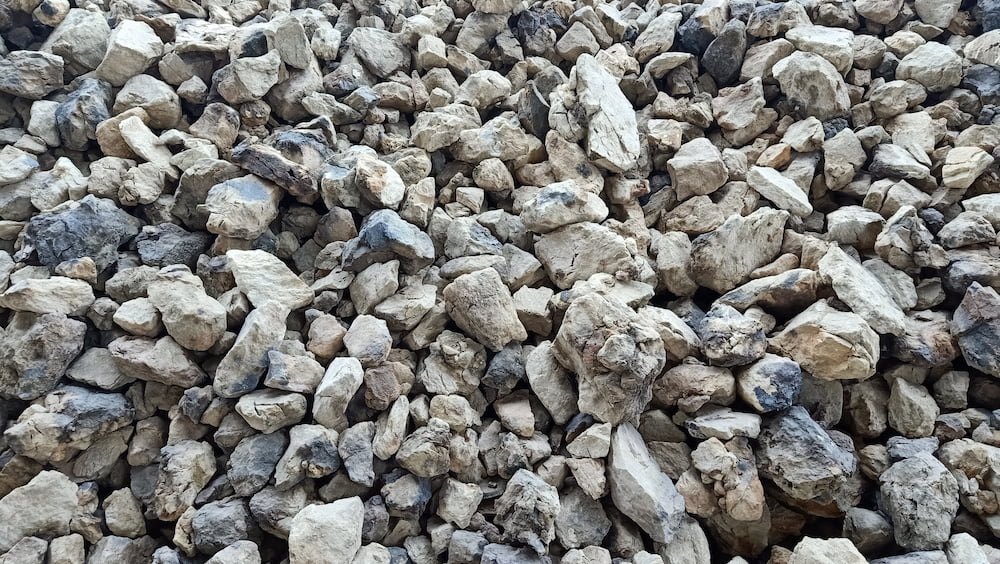
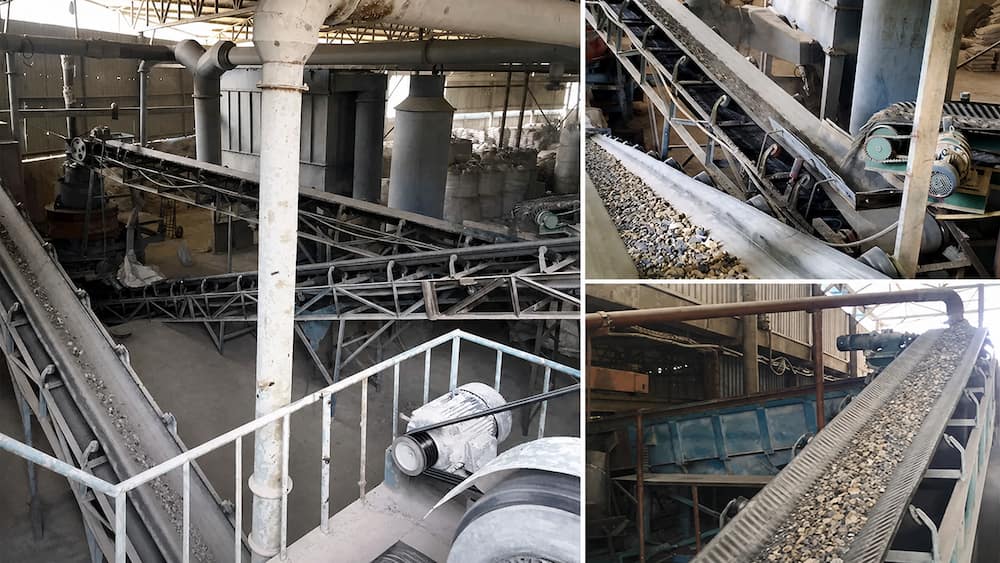
Raw bauxite stockpile for shaft-kiln production

Raw Bauxite

SEPPE bauxite production site

Bauxite Production Site

Vertical shaft kilns for calcined bauxite production

Shaft-Kiln Production

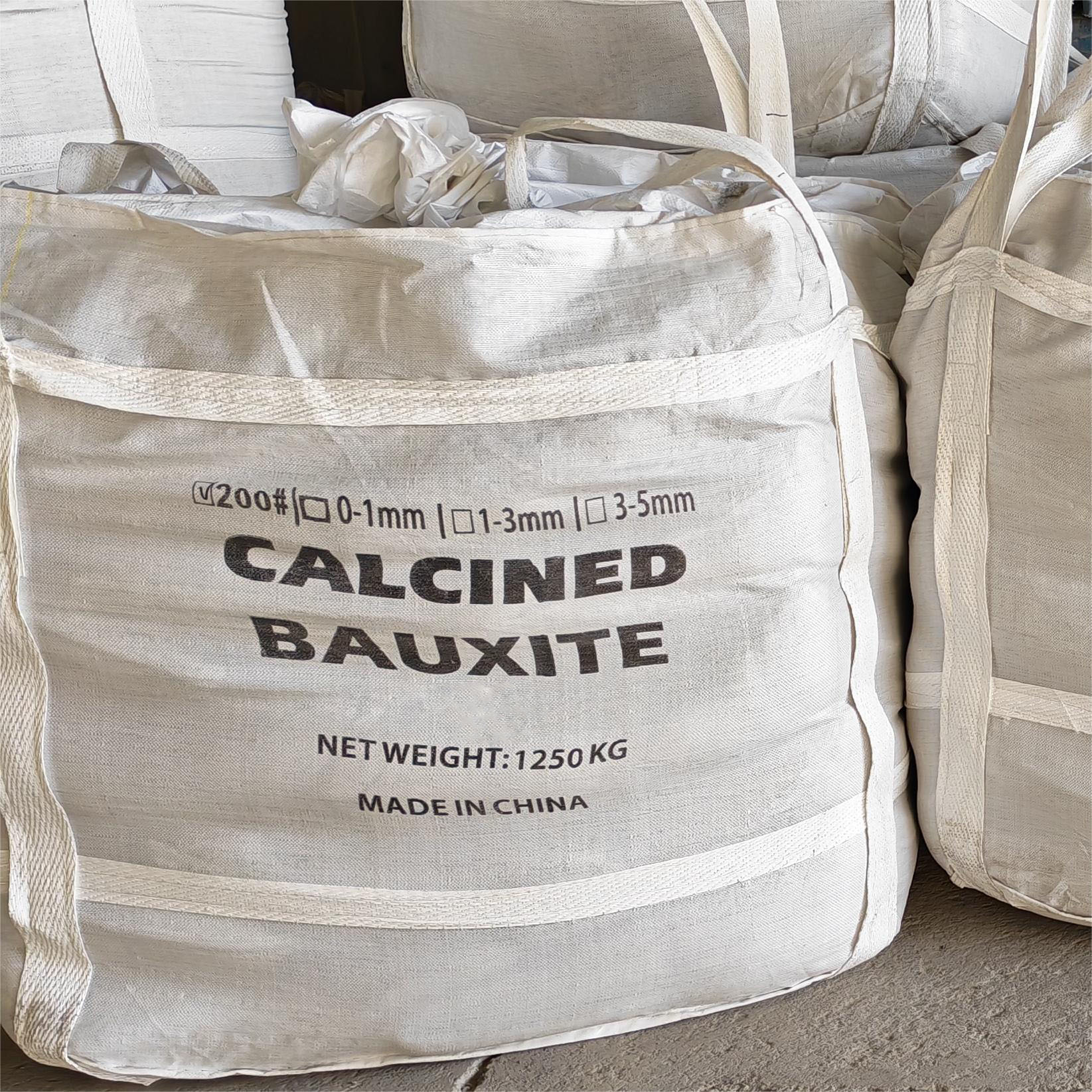
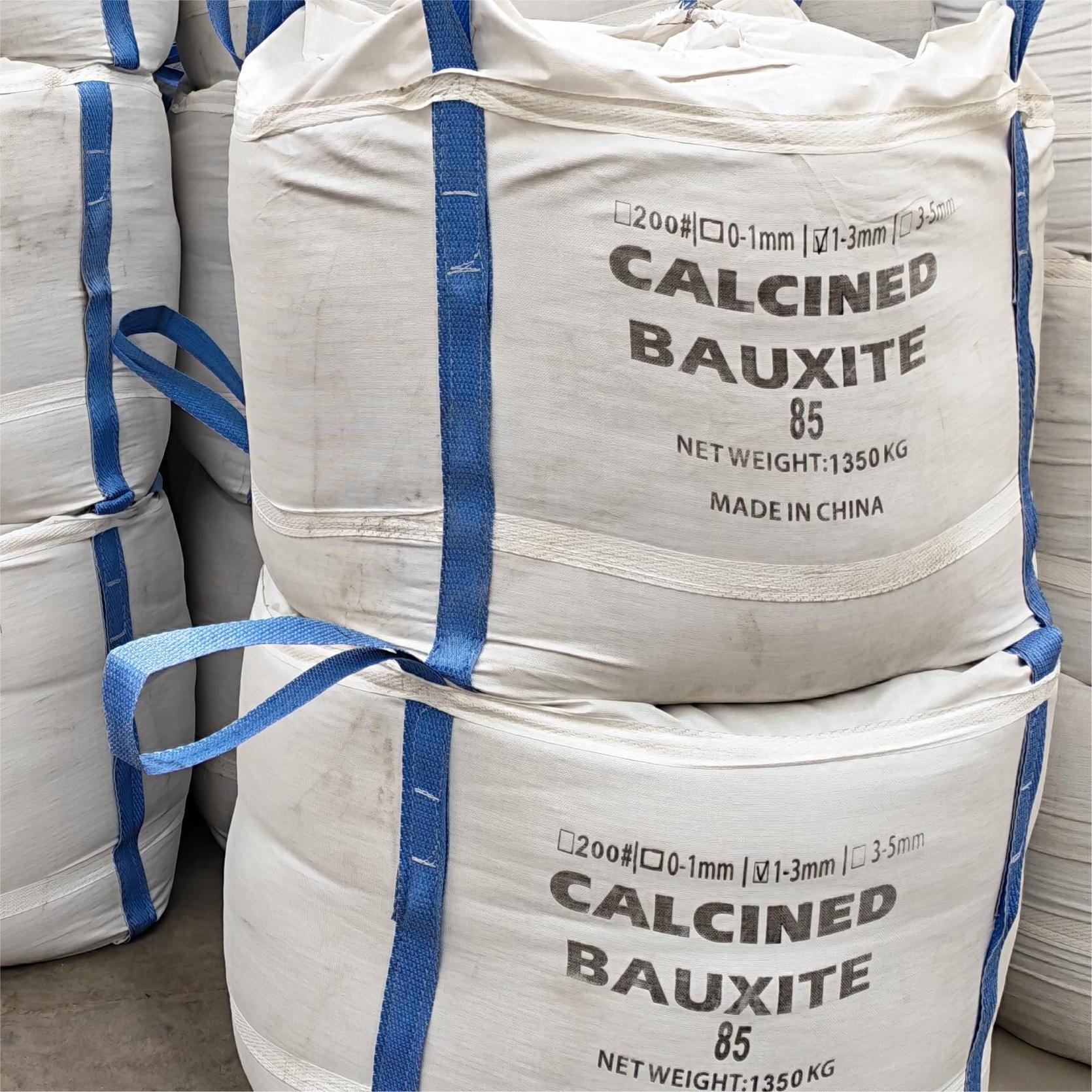
Packaging & Delivery

50 kg bags and 1 MT jumbo bags are the main packing options. Other jumbo-bag formats, bag marking and shipment arrangements can be agreed with the order.
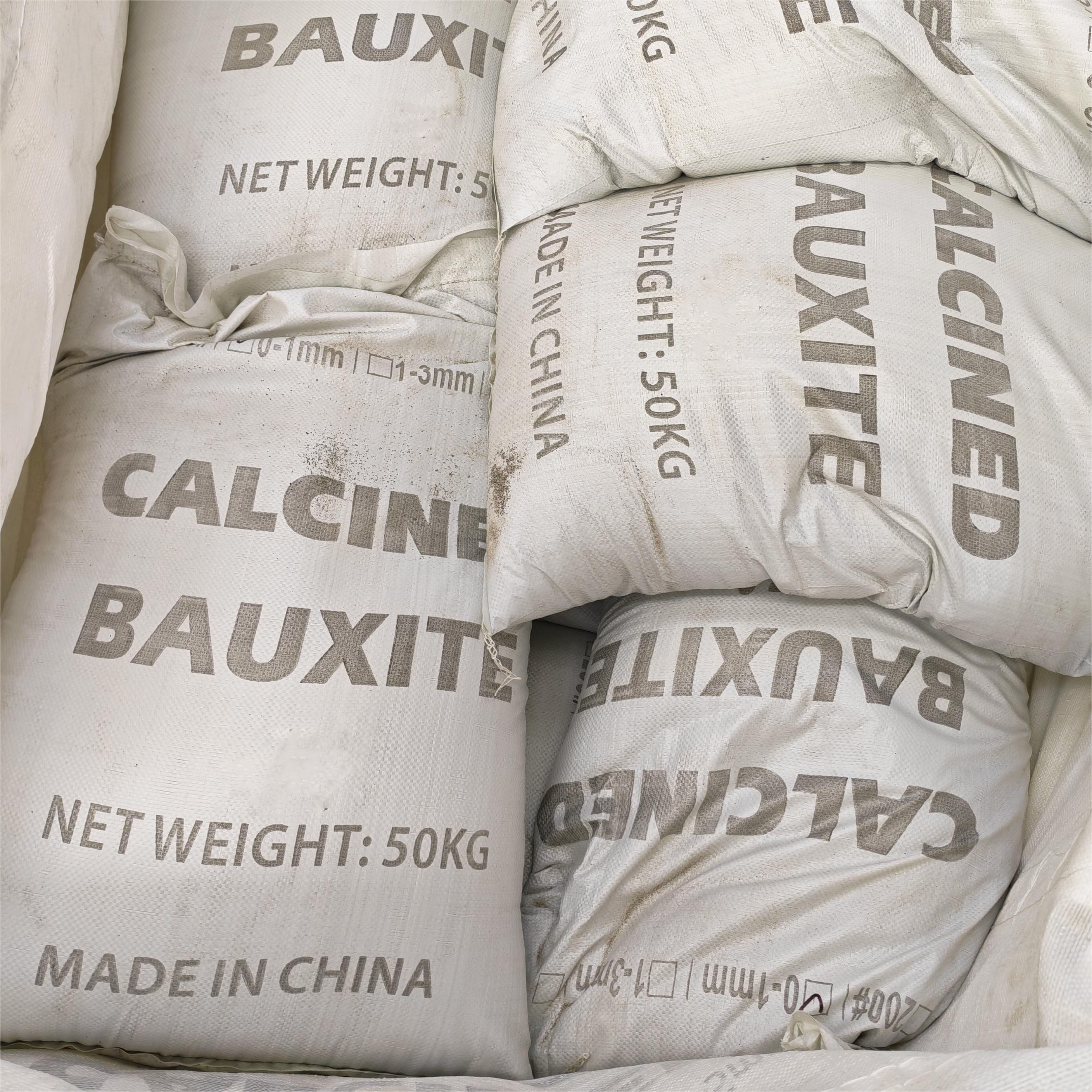
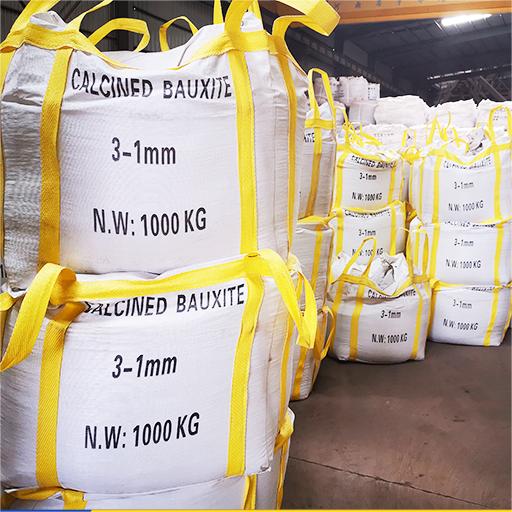
Calcined bauxite packed in 50 kg bags

50 kg Bags

Calcined bauxite packed in one tonne jumbo bags

1 MT Jumbo Bags

Calcined bauxite 1.25 tonne jumbo bag packing

1.25 MT Jumbo Bags

Calcined bauxite 1.35 tonne jumbo bag packing

1.35 MT Jumbo Bags

Final packing weight and container loading depend on the agreed bag format, shipping route and applicable transport limits.

FAQ

❓ Why is 1–3 mm the main size?

This page is dedicated to the 1–3 mm grade. Confirm the sieve distribution, fines allowance and required surface profile with the binder or surfacing-system supplier before ordering.

❓ Can you also supply 3–5 mm?

A 3–5 mm fraction can be discussed for projects that require a coarser texture. It is a secondary option and should not replace 1–3 mm without system approval.

❓ Is shaft-kiln production required for every anti-slip bauxite?

No. This SEPPE grade uses the shaft-kiln route. Suitability depends on the finished aggregate properties and the surfacing specification, not on kiln type alone.

❓ Does the aggregate create the final road colour?

The final appearance depends on the aggregate, binder and any pigments or coloured coating used in the system. Confirm the colour with a prepared sample.

❓ Can I request a sample before placing an order?

Yes. Ask for a 1–3 mm sample and the corresponding technical data. Trial the material with your selected binder and application method before bulk use.

Specify Your 1–3 mm Aggregate

Send us your required quantity, destination, binder system and grading requirements to discuss supply and sampling.

GRADE-SPECIFIC CHECKS / TRACEABLE DOCUMENTATION

Quality Control for 1–3 mm Anti-Slip Aggregate

Quality control for this shaft-kiln grade follows the material from feedstock selection through grading and dispatch. The inspection scope, test frequency and release documents are agreed for the ordered product.

Product values are listed in Product Description. This section explains how the relevant properties and documents are checked, without introducing a second set of specification limits.

Seven-Stage Quality Control

01 — Raw Material Selection

Review incoming ore chemistry and source identification against the target calcined grade. Keep raw-ore composition separate from finished-product specifications.

02 — Shaft-Kiln Calcination

Control feed consistency and kiln operating conditions for the selected material. Review the calcined output before crushing and grading.

03 — Crushing & Separation

Crush the calcined material and use screening and magnetic separation to manage size and removable metallic contamination. Separation does not replace chemical analysis.

04 — Sampling & 1–3 mm Grading

Take representative samples and check sieve distribution, oversize and fines against the agreed grading envelope. Confirm the moisture condition required by the selected binder system.

05 — Chemical Composition Review

Review Al₂O₃ and the specified accompanying oxides against the approved grade data. Chemical limits are tied to the ordered product, not a generic range across all calcined bauxite grades.

06 — Performance Report Review

Check applicable PSV, abrasion, density and water-absorption evidence against the agreed requirements. Record the method, specimen size and report identity; distinguish lot checks from periodic or type-test results.

07 — Lot Identification & Dispatch

Check product identification, packing format and quantity before shipment. Link the supplied lot to the relevant production, inspection and agreed release documents.

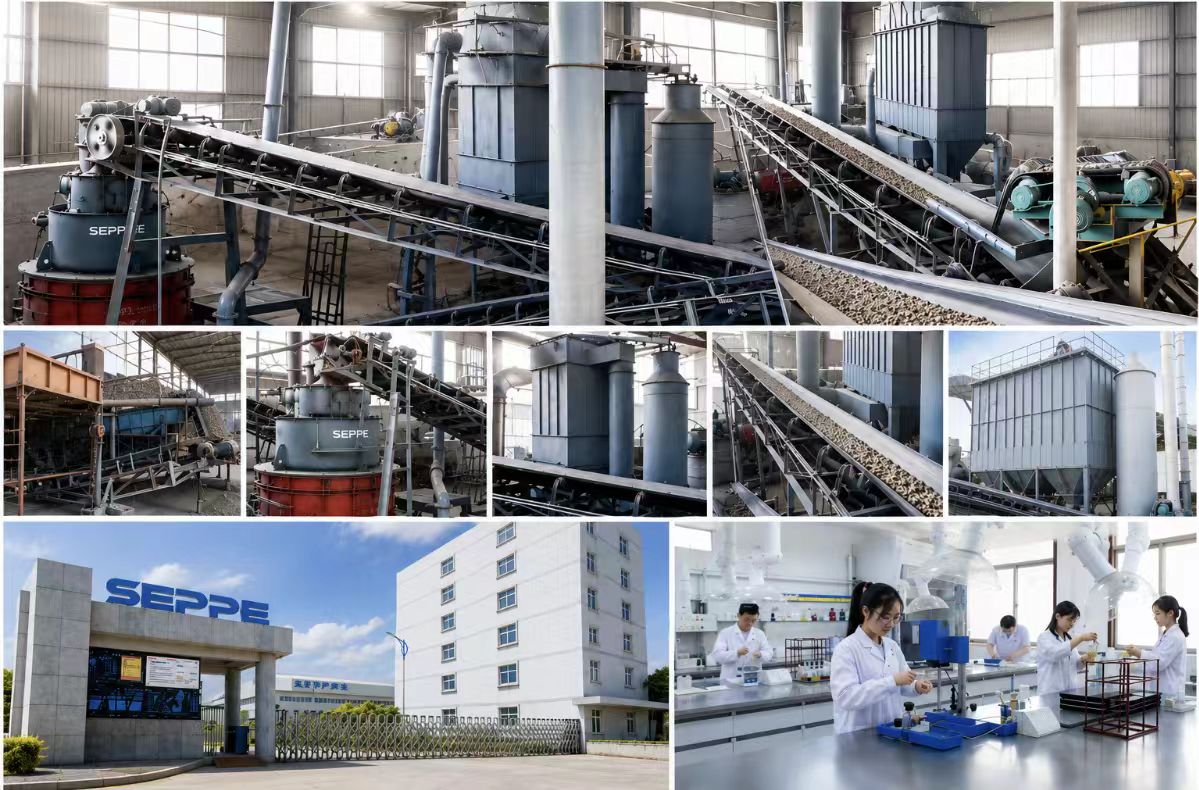
Quality Control & Laboratory Testing

Routine checks focus on chemistry, sieve grading and the condition of the supplied material. Performance evidence is reviewed separately so that the test method, test fraction and sample identity can be matched to the intended grade.

The laboratory image below shows the inspection environment; it does not imply that every referenced test is performed in-house. Independent testing can be arranged in advance where the project requires it.

SEPPE factory and laboratory inspection facilities

SEPPE Factory & Laboratory Facilities

Test Methods & Reference Standards

The links below open official standards pages. The applicable method and edition should be identified in the corresponding test report or agreed inspection plan.

Sieve Grading

BS EN 933-1

Use sieve results to document the delivered fraction and the agreed limits for fines and oversize.

Polishing & Abrasion

BS EN 1097-8

Reference for PSV and the associated AAV procedure. Identify the prescribed test fraction and its relationship to the supplied grade.

Los Angeles Abrasion

ASTM C131/C131M

Use the applicable specimen grading and report the chosen method. Do not imply that every nominal 1–3 mm sample can be tested unchanged.

Density & Water Absorption

BS EN 1097-6

Reference for particle density and water absorption when applicable. It does not, by itself, establish the method behind a value labelled Bulk Density in another document.

Oxide Chemistry (XRF)

ISO 12677

Reference for fused-bead XRF analysis of oxide materials within its scope. Record the actual method used for the reported sample.

These are method references, not product certifications or proof that every test has been completed on every shipment. Referencing a standard does not mean that the standard sets the numerical product limits shown elsewhere on this page.

Reading the Results Correctly

Test Fraction Matters

PSV and abrasion procedures have defined specimen preparation requirements. Report the fraction actually tested and its connection to the supplied material.

Density Terms Matter

Particle density, loose bulk density and other density measures are not interchangeable. Review the exact designation, method and units before comparing values.

Aggregate vs. Finished Surface

Aggregate test results do not replace assessment of the installed surfacing system. Binder, application and project acceptance requirements remain separate.

Quality Documents & Shipment Records

Agree the required documentation before ordering. Request the current documents applicable to the selected grade and supplied lot, rather than relying on a report for a different product.

Grade & Handling Documents

Grade-specific technical data, the relevant safety data sheet and agreed size, chemistry and packing requirements.

Inspection & Test Records

Applicable chemical and sieve results, performance reports, report dates, sample or lot identifiers and the methods used.

Dispatch & Traceability

Lot identification, packing details and agreed release records linking the supplied material to the order.

Where ISO 9001 certification is requested, ask for the current certificate and verify the certified entity, scope and validity. Management-system certification is separate from product test results.

Request the Relevant Quality Documents

Tell us the grade, quantity, destination and project specification. We can confirm the available reports and any additional testing to arrange before supply.

Get a Quote & Free Samples
Links:  SGA GARNET
Copyright © 2017-2026 SEPPE TECHNOLOGIES  All rights reserved. 豫ICP备16021749号-1