| Quantity: | |
|---|---|
0-1mm,1-3mm,3-5mm
RKB
25083000
REFRACTORY RAW MATERIALS / CALCINED BAUXITE
High-alumina aggregate for bricks, castables and precast shapes. Dense calcined grains provide the mineral foundation for refractory formulations exposed to heat and wear.
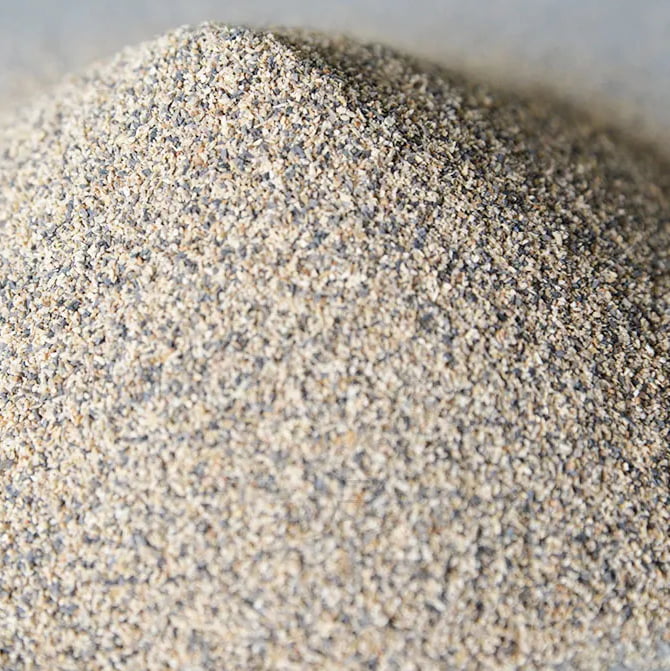
0–1 mm
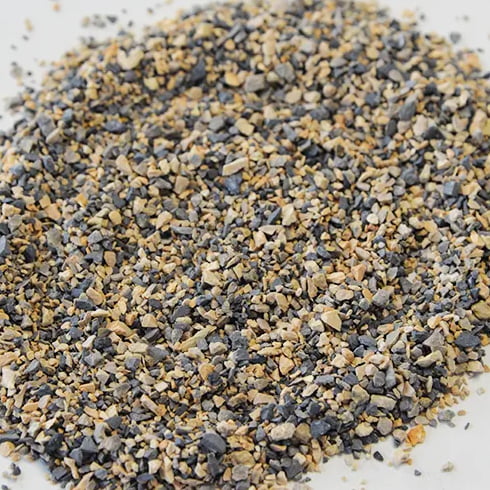
1–3 mm
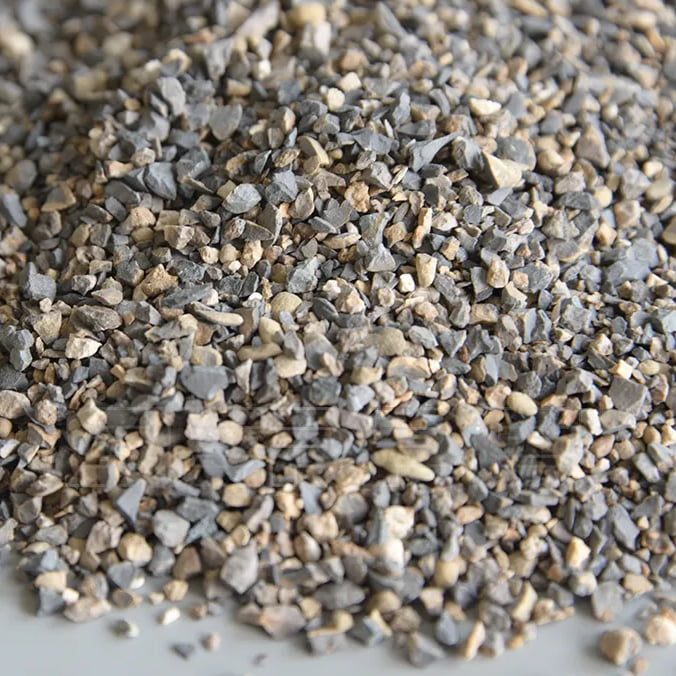
3–5 mm
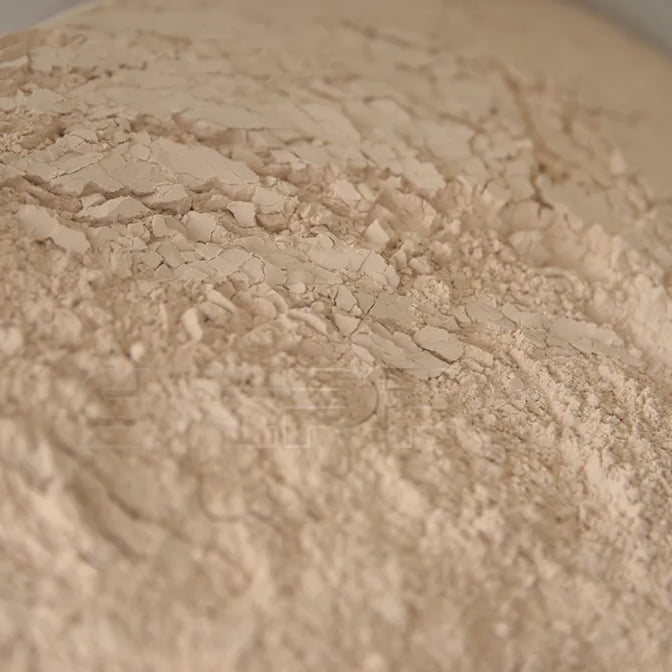
200 mesh
MATERIAL PERFORMANCE
A choice of grades lets manufacturers balance alumina content, formulation requirements and material cost.
A dense mineral structure contributes to the strength and wear resistance of bricks and castables.
Calcination develops the mineral structure required for refractory use. Service performance depends on the complete formulation.
SELECT YOUR MATERIAL
Compare alumina grades, then specify the chemistry, grain density and size fractions required by your formulation.
| 01 / GRADE SELECTION | |||
|---|---|---|---|
| Grade | Al₂O₃ minimum | Formulation focus | |
| 75% Grade | ≥75% | General-purpose castables and backup lining formulations | |
| 80% Grade | ≥80% | Kiln and cement-plant refractory formulations | |
| 85% Grade | ≥85% | High-alumina bricks, dense castables and selected steelmaking linings | |
| 87% / 88% Grades | ≥87% / ≥88% | Higher-alumina shaped and monolithic refractory formulations | |
| 02 / CHEMICAL COMPOSITION & PHYSICAL PROPERTIES | |||
| Chemical property | Reference range | Physical property | Reference value |
| Alumina (Al₂O₃) | 75–90% | Grain bulk density | 2.80–3.25 g/cm³ |
| Silica (SiO₂) | 6–18% | Loss on ignition | 0.1–0.5% |
| Iron oxide (Fe₂O₃) | 0.5–2.5% | Moisture | 0.1–0.3% |
| Titania (TiO₂) | 2–3% | Specific gravity | ≥3.70 |
| CaO | 0–0.4% | Hardness | 7.5–9.0 Mohs |
| MgO | 0–0.2% | Particle shape | Angular |
| P₂O₅ | 0–0.3% | Aggregate sizes | 0–1 / 1–3 / 3–5 / 5–8 mm |
| K₂O + Na₂O | 0–0.4% | Fine powders | Grading on request |
WHERE IT IS USED
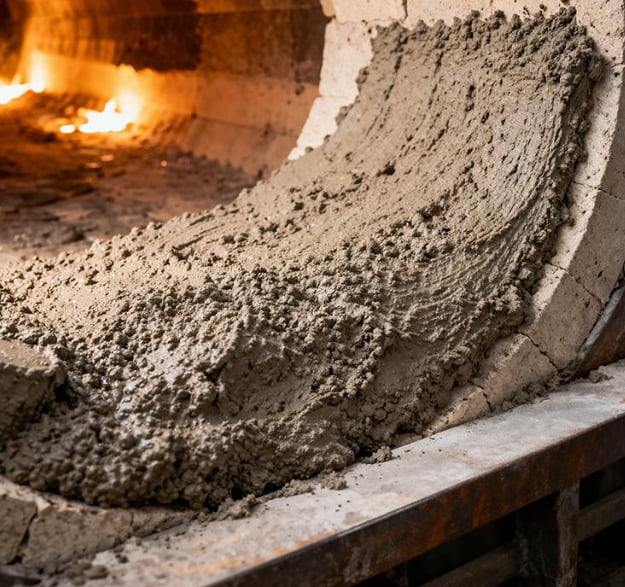
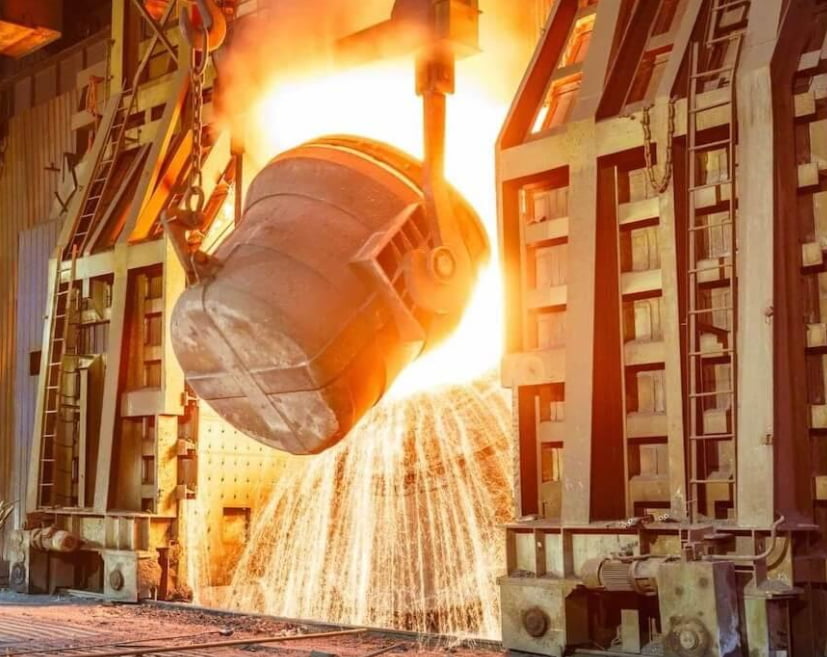
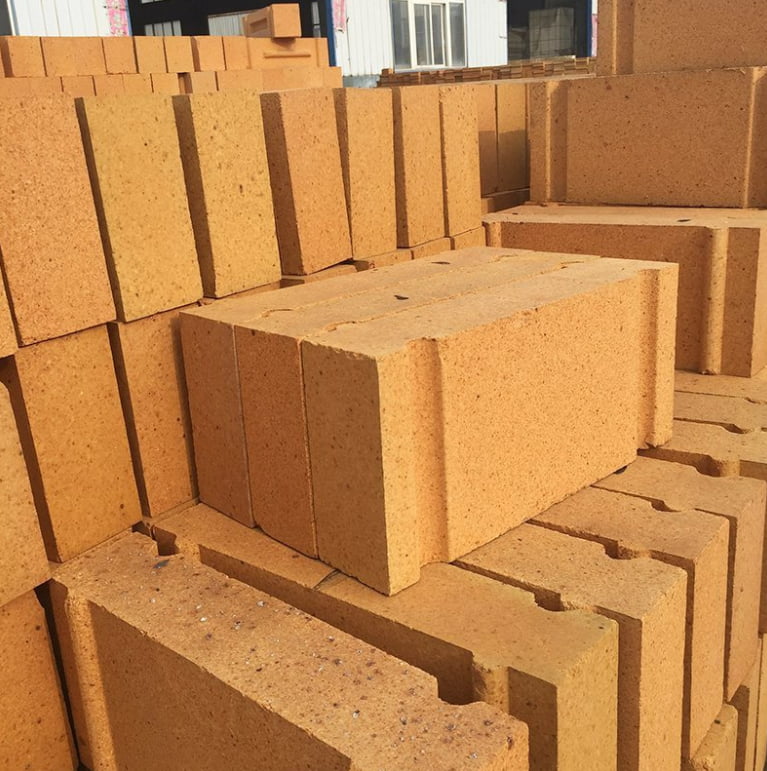
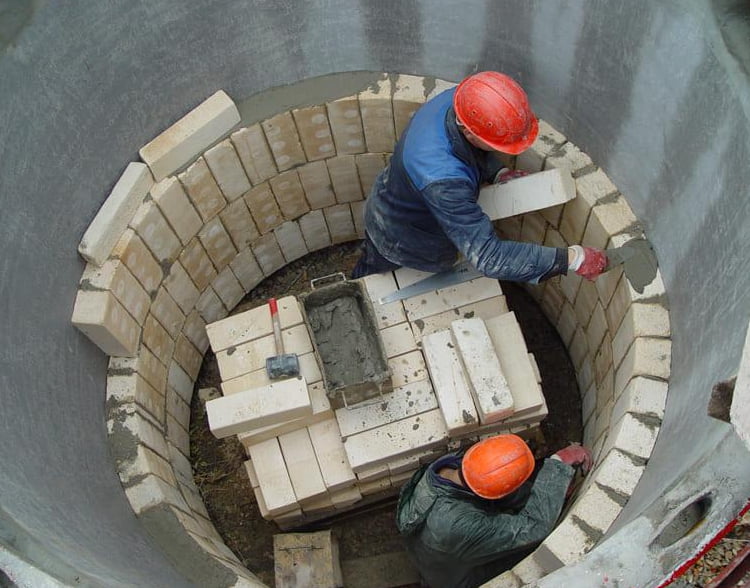
Calcined bauxite is used as a high-alumina aggregate and fine fraction in refractory bricks, castables, precast shapes and furnace lining systems.
PARTICLE SIZE OPTIONS
Order fractions individually or discuss a custom grading. Include the required sieve distribution, powder fineness and proportions when requesting a quotation.
MATERIAL ORIGIN
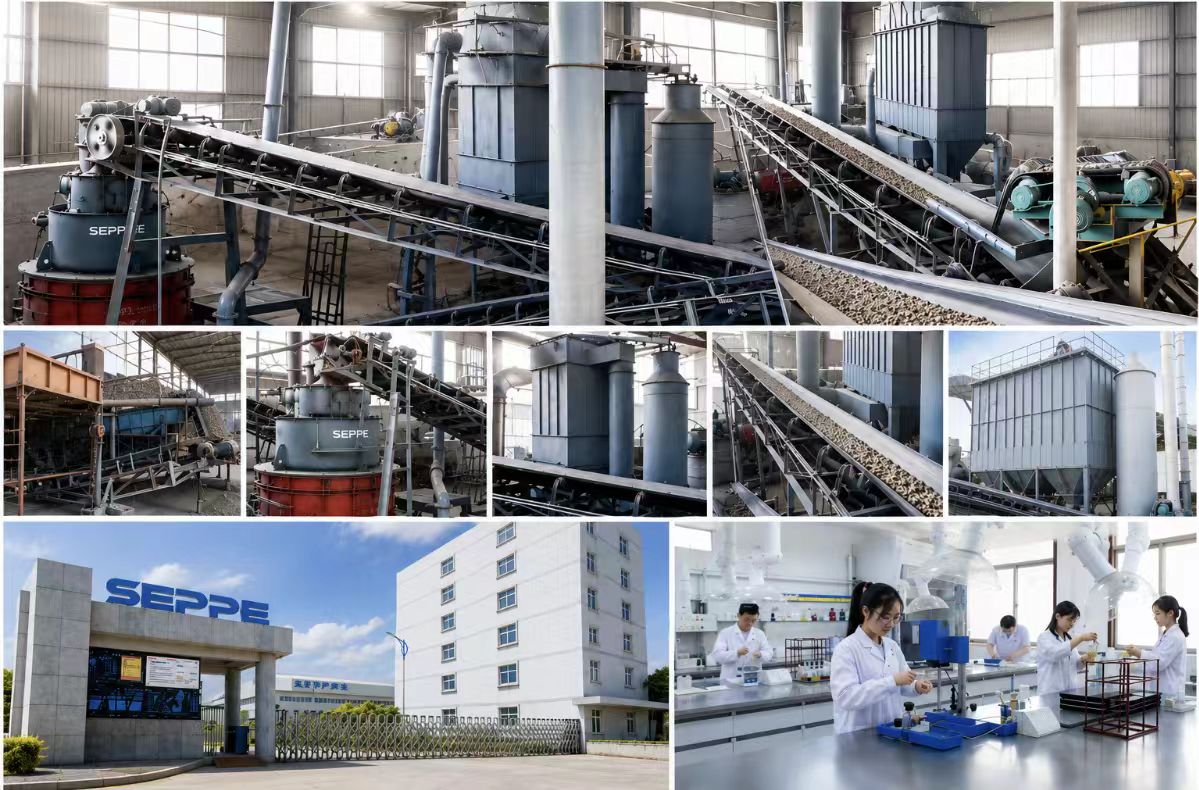
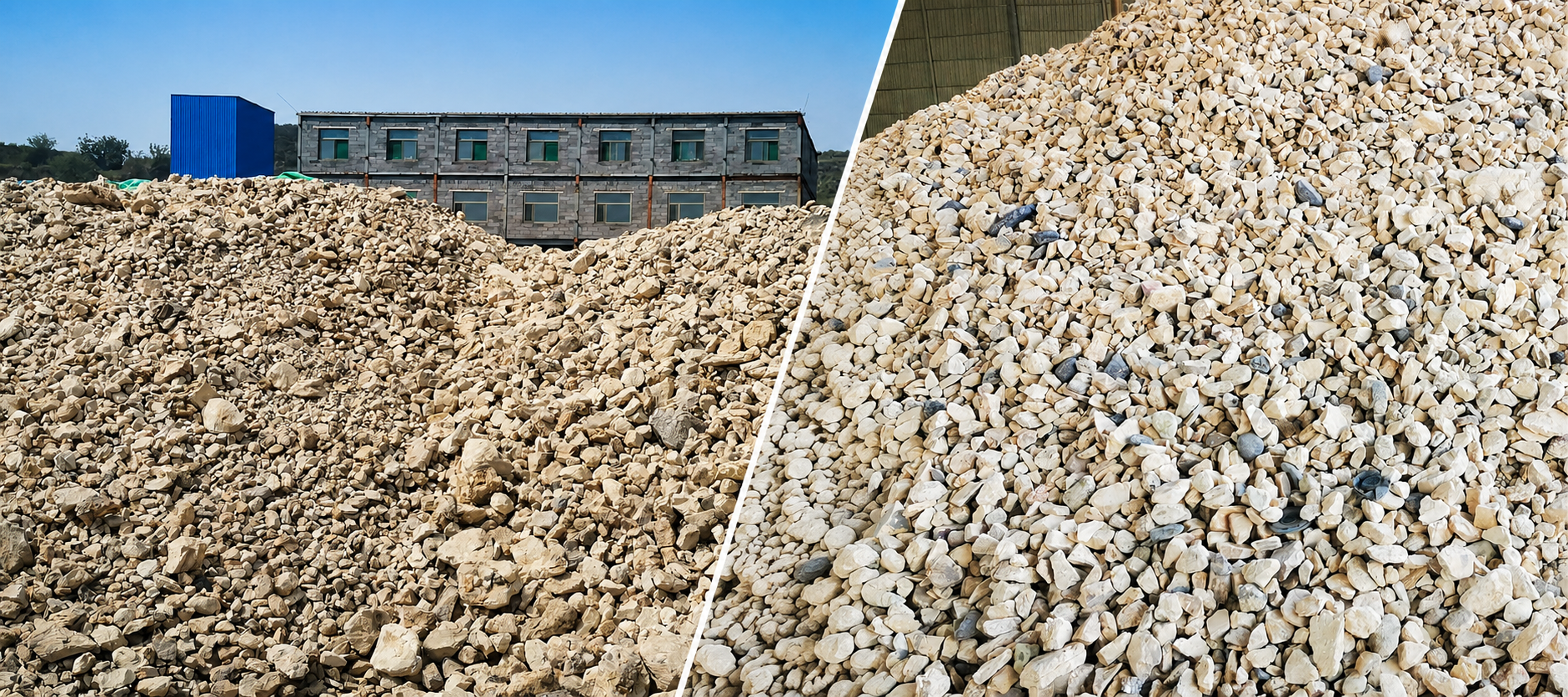
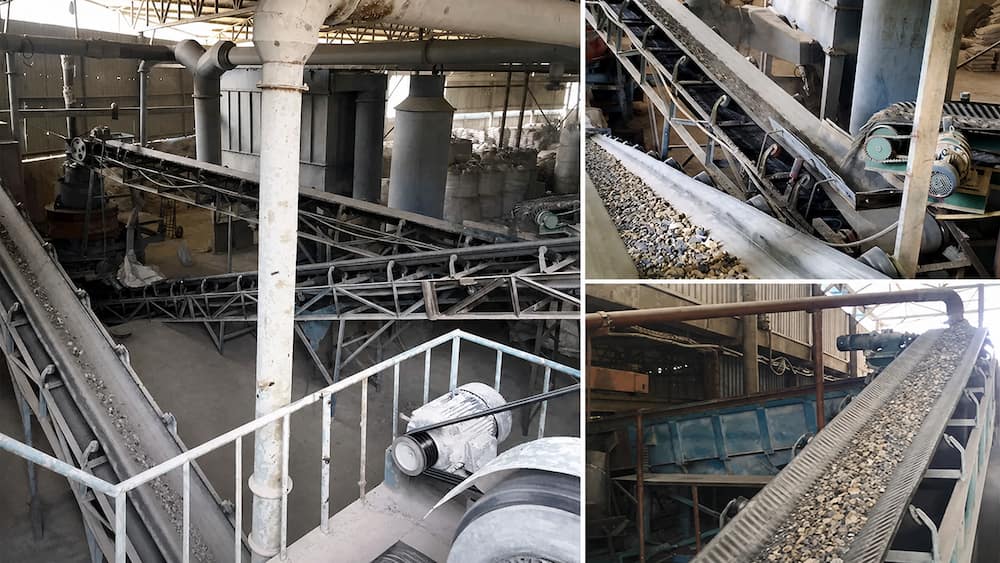
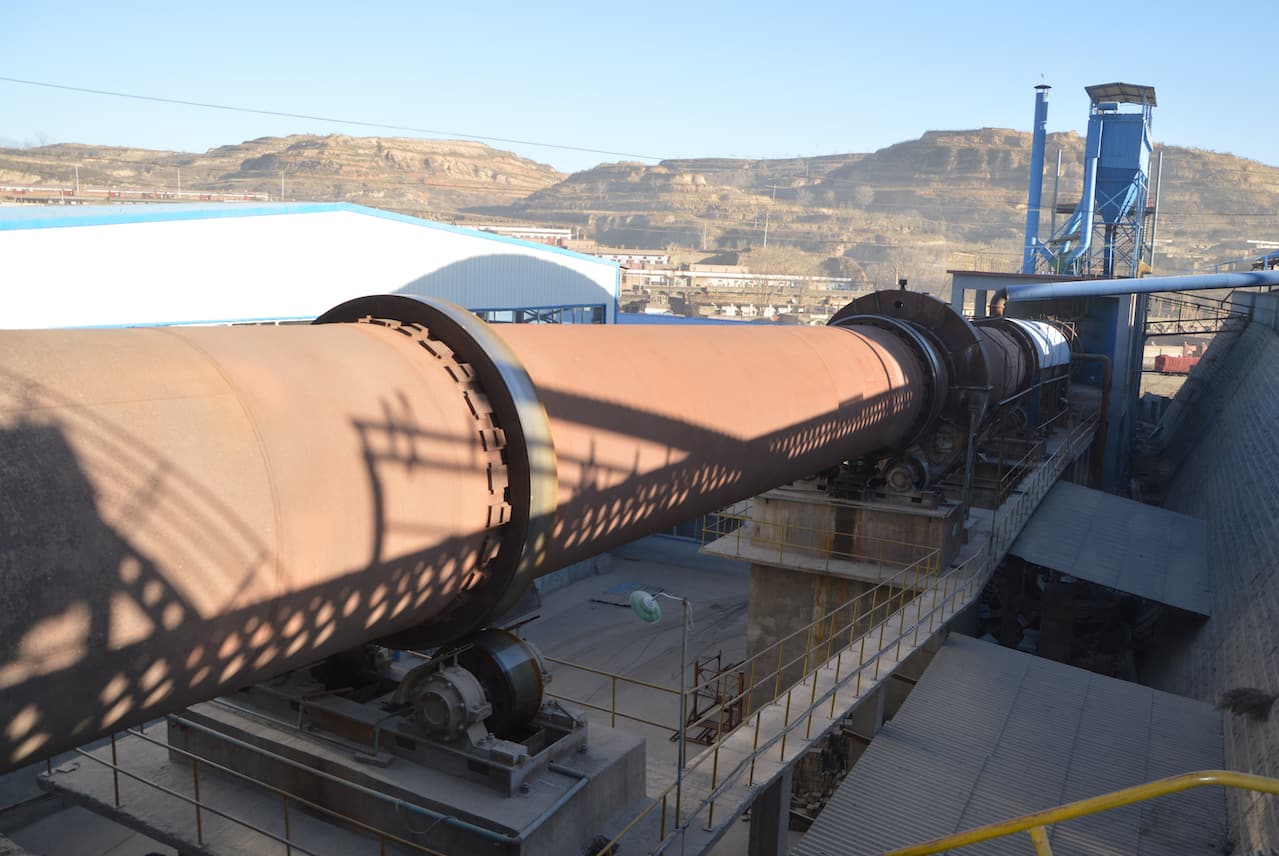
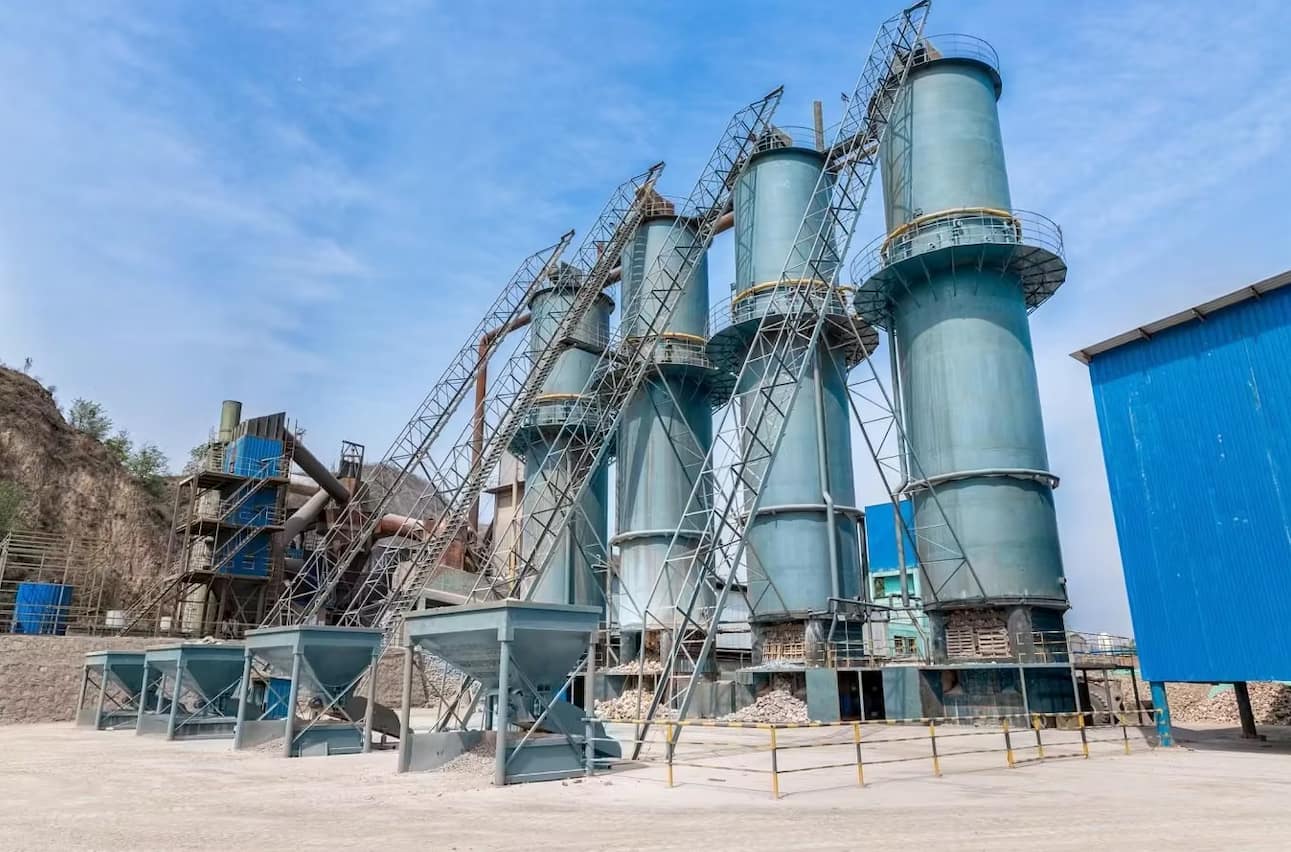
Selected bauxite is calcined, crushed and graded for refractory use. Rotary and shaft kilns are alternative production routes; the appropriate route depends on the ordered grade and material requirements.
PACKING & SUPPLY
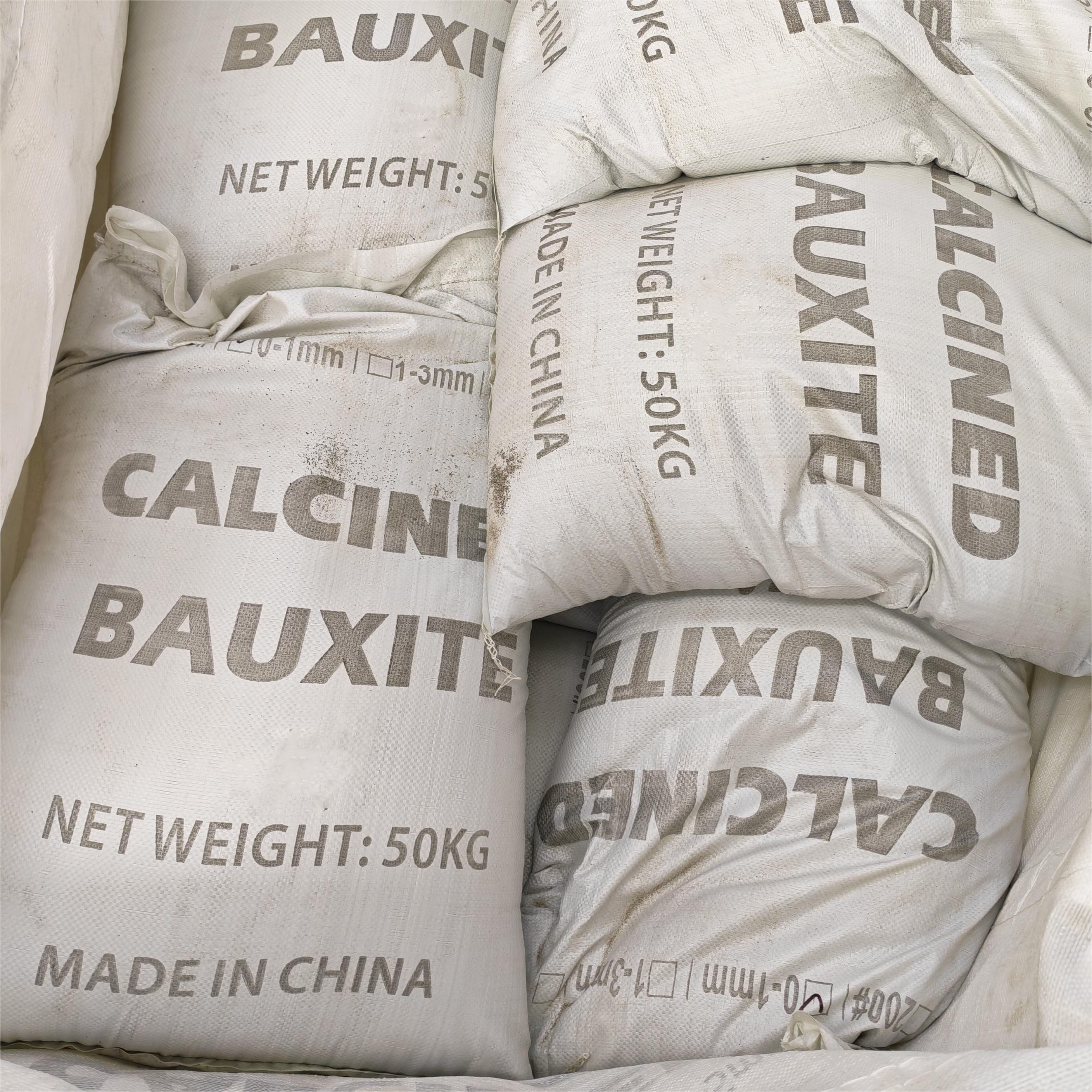
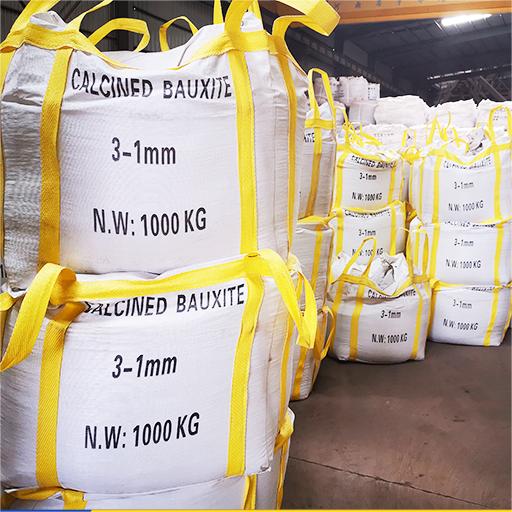
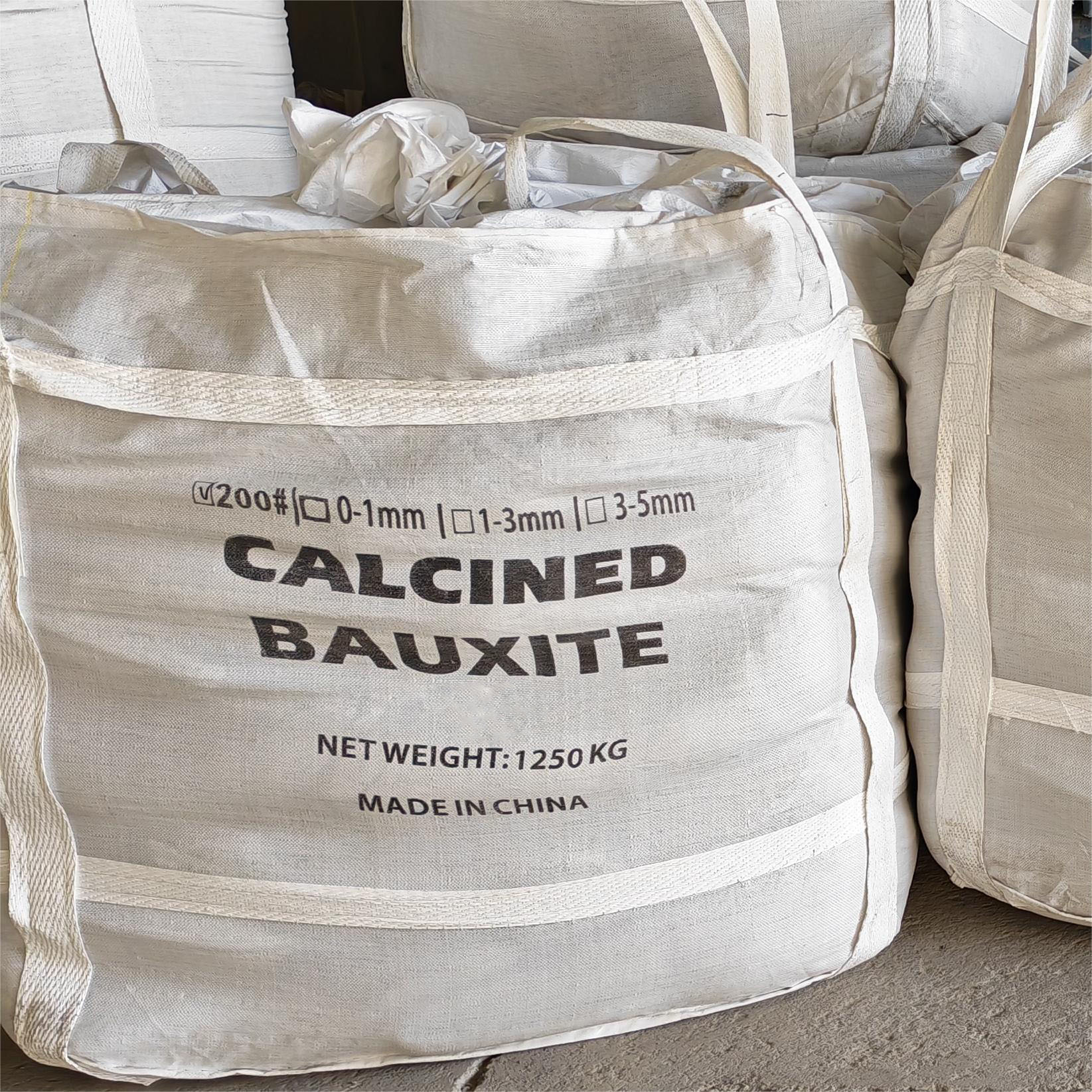
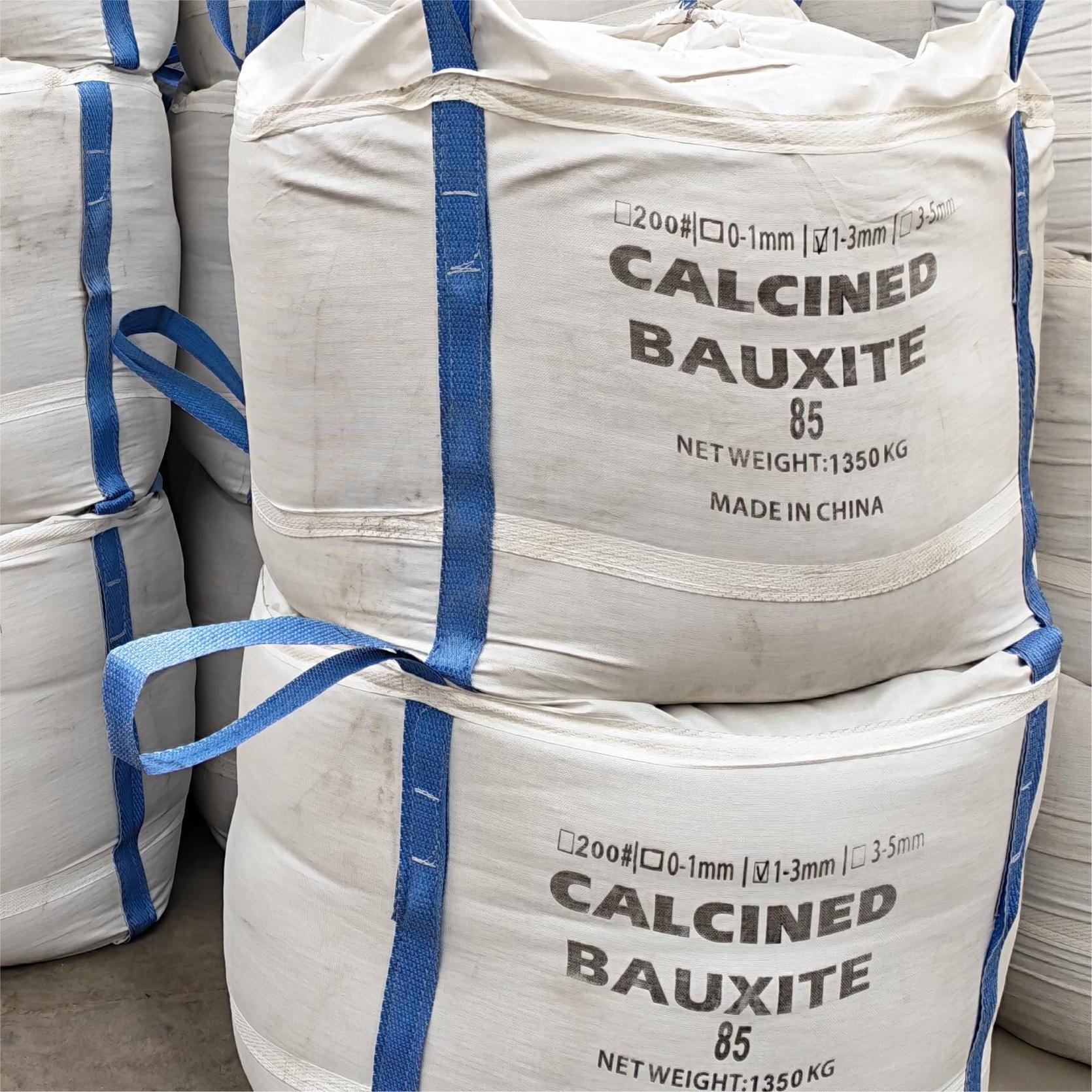
50 kg bags and 1.00, 1.25 or 1.35 MT jumbo bags. Custom printing and private labelling are available; confirm shipment weight for the selected packing and destination.
Start with your formulation’s alumina and impurity limits, grain bulk density, particle sizes and service conditions. Share these requirements so SEPPE can propose an appropriate grade.
Specify the chemistry, density and grading required by your formulation, together with any kiln-route requirement. SEPPE can recommend a production route for the selected grade and end use.
Standard fractions include 0–1 mm, 1–3 mm, 3–5 mm and 5–8 mm. Custom grading and fine powders are available on request; include your required sieve distribution or powder fineness.
Samples can be requested for brick, castable or precast formulation trials. Include your preferred grade and size fractions.
Packing options include 50 kg bags and 1.00, 1.25 or 1.35 MT jumbo bags. Custom printing and private labelling are available; confirm the packing format and shipment weight when ordering.
Send your Al₂O₃ target, impurity limits, grain density, particle sizes, end use and order quantity.
Request Samples & Pricing