Views: 41 Author: SEPROP Publish Time: 2026-07-30 Origin: SGA TECH
When ceramic proppant is pumped into a fracture, its work begins after the treatment ends. The particles must keep the fracture open while closure stress builds. If too many particles break, the resulting fines can block flow paths through the proppant pack. Conductivity may fall, and the well may produce less efficiently.
This is why buyers review crush test data before choosing a grade. However, a number such as “5.9% fines at 10,000 psi” cannot be judged alone. The mesh size, applied stress, test method, and percentage of generated fines must be read together.
During the test, a prepared proppant sample is placed under a specified compressive stress. The sample is then sieved again. Material that has broken below the permitted size range is reported as generated fines.
When two products have been tested at the same pressure, in the same mesh size, and by the same method, the product with fewer generated fines has better resistance to crushing.
| Variable | How it affects the result | Buyer takeaway |
|---|---|---|
| Mesh size | Coarser particles may generate more fines than a finer grade of the same material under the same stress. | Compare 20/40 with 20/40, not with 40/70. |
| Test pressure | More particles generally fracture as the applied stress increases. | Compare results reported at the same pressure. |
| Test method | The procedure and stated edition affect how the result should be interpreted. | Confirm the same method and edition on both reports. |
ISO 13503-2:2024 supplements API Std 19C. A report should identify the method and edition used rather than listing only a fines percentage.
The following chart compares three SEPPE ceramic proppant grades at the same test pressure. Because the pressure and mesh-size conditions are aligned, the values provide a clear view of their different strength levels.
These figures are typical values from the SEPPE TDS documents linked below. A batch COA should be used to confirm the material prepared for shipment.
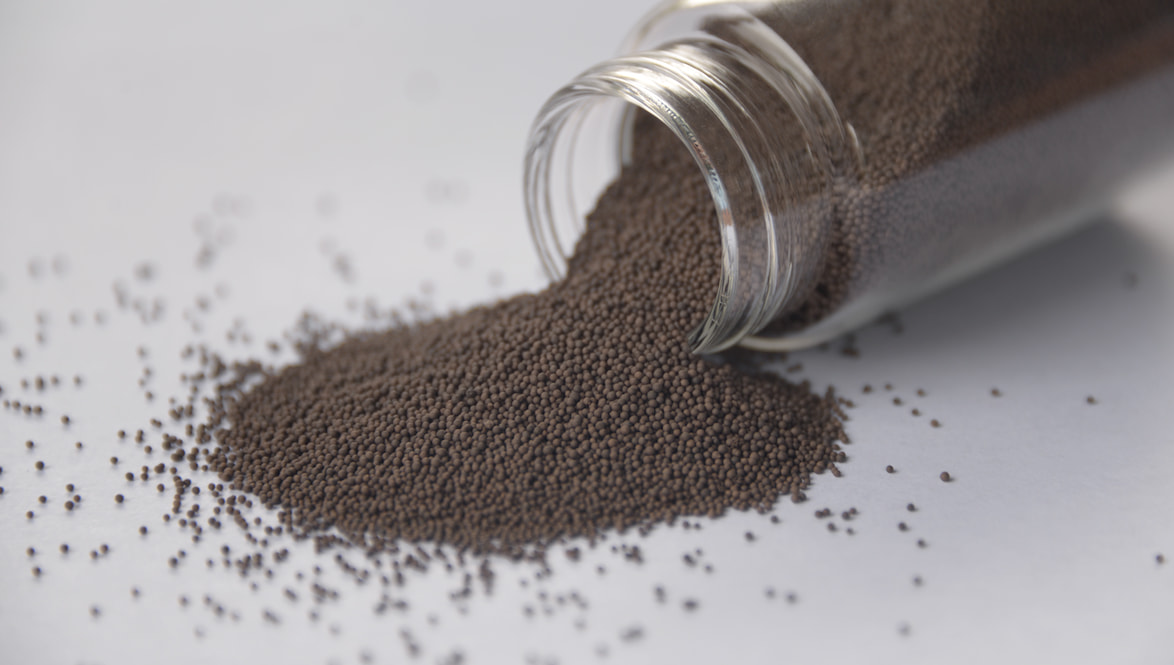
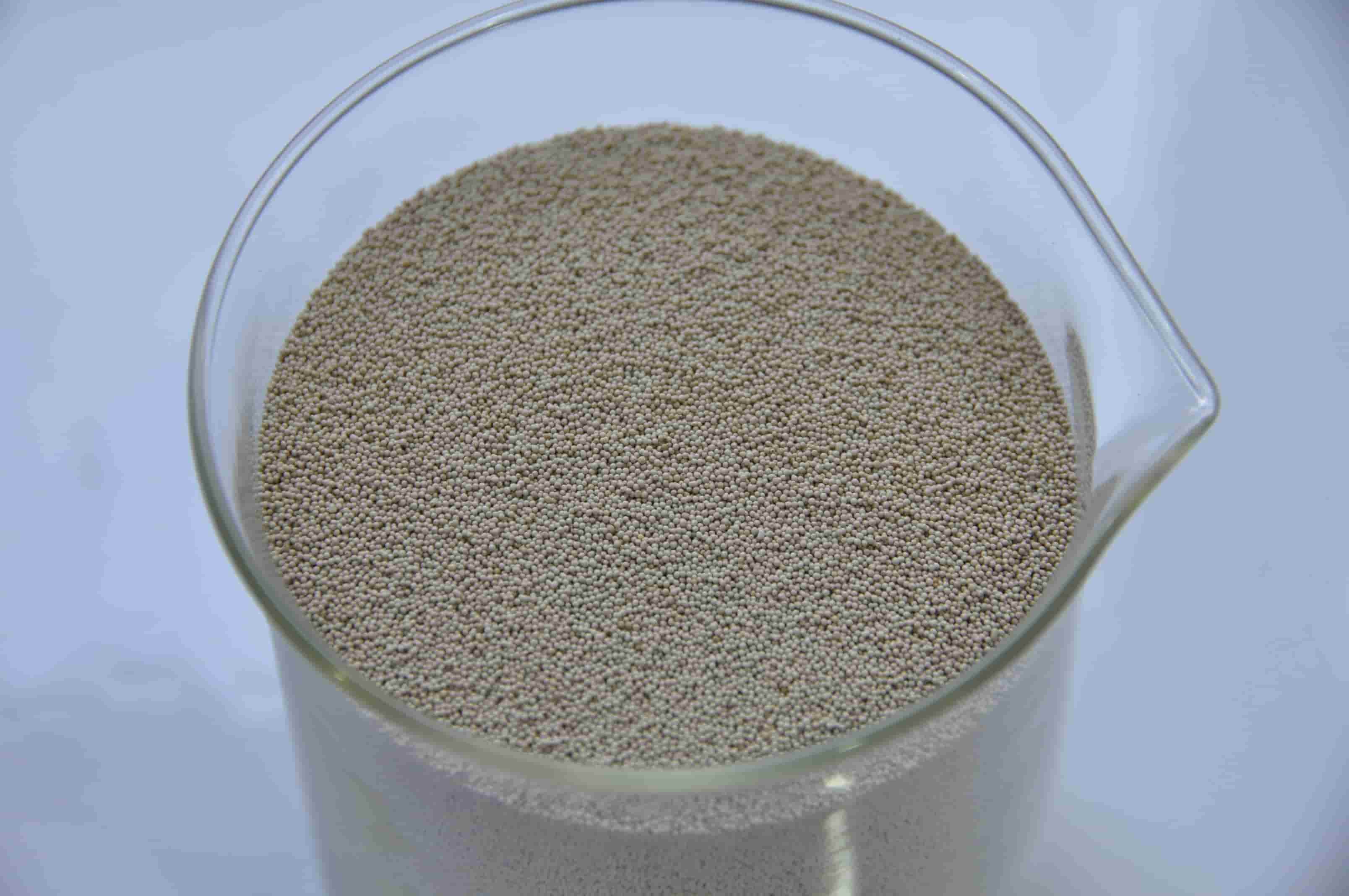
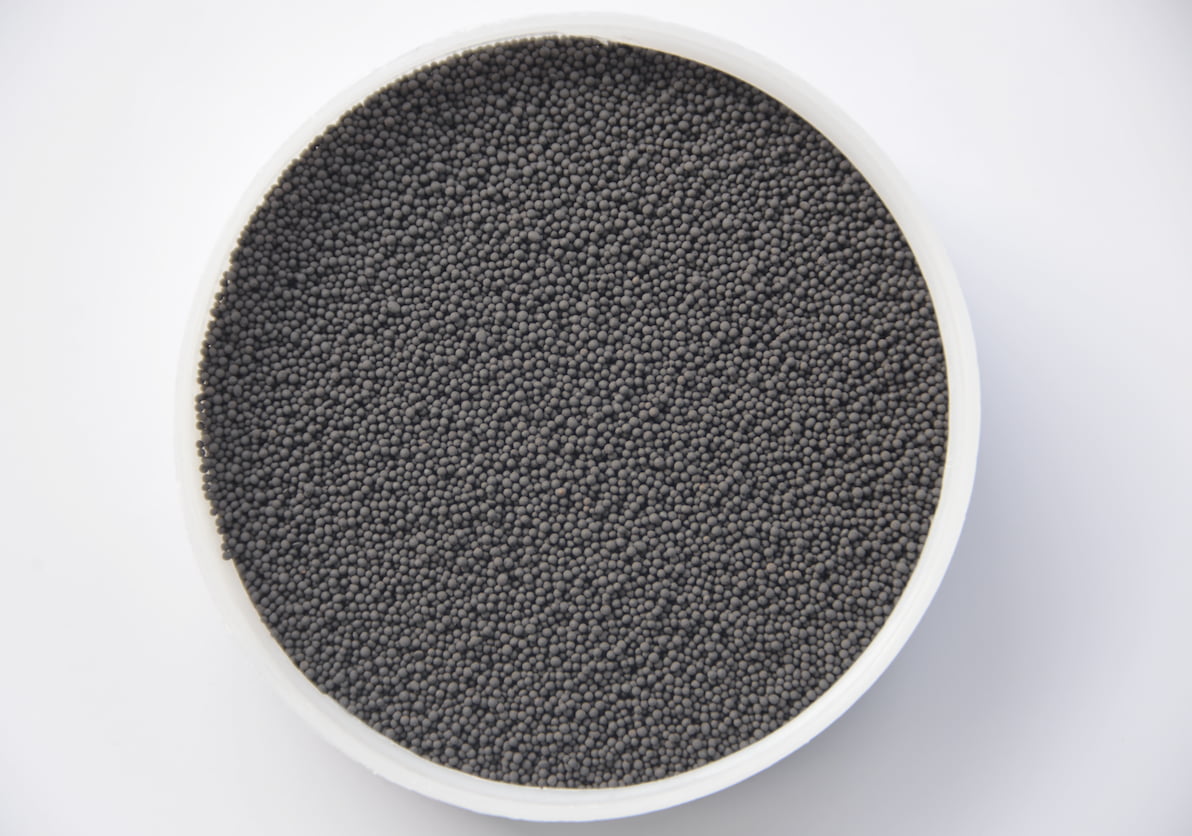
SEPLITE LWP: Lower density supports transport and placement where its crush resistance meets the project requirement.
SEPROP ISP: An intermediate balance of density and strength for moderate closure-stress requirements.
SEPREM HSP: Higher crush resistance for applications with more demanding closure stress.
Crush-generated fines can restrict flow through the proppant pack, but the lowest crush value is not automatically the best commercial choice. Selecting a higher-strength grade than the well requires may add density and material cost without improving the result.
Match the grade to the expected closure stress, placement requirements, target conductivity, and project economics. Long-term conductivity should also be reviewed because pack behavior changes with time, temperature, fluid conditions, and stress.
A TDS shows typical product properties. A COA should identify the actual production batch. Before comparing offers, check whether the documents state the mesh size, applied pressure, generated fines, test method, batch number, and test date.
The test method should also be clear. API Std 19C and ISO 13503-2 provide standardized procedures for measuring proppant properties. Results from different methods should not be treated as directly equivalent without confirmation.
SEPPE supplies LWP, ISP, and HSP ceramic proppants in common sizes including 16/30, 20/40, 30/50, and 40/70. Grade selection should be based on the expected closure stress, transport requirements, target conductivity, and project economics. More information is available on the ceramic proppant product page.
Send the expected closure stress, required mesh size, target conductivity, and available project data to info@seppe.cn. SEPPE can help compare LWP, ISP, and HSP options and provide the relevant TDS or batch COA.
ISO 13503-2:2024 — Measurement of properties of proppants used in hydraulic fracturing and gravel-packing operations.
API Std 19C — Measurement of proppants used in hydraulic fracturing and gravel-packing operations.
ISO 13503-5:2006 — Procedures for measuring the long-term conductivity of proppants.
Views: 41 Author: SEPROP Publish Time: 2026-07-30 Origin: SGA TECH
When ceramic proppant is pumped into a fracture, its work begins after the treatment ends. The particles must keep the fracture open while closure stress builds. If too many particles break, the resulting fines can block flow paths through the proppant pack. Conductivity may fall, and the well may produce less efficiently.
This is why buyers review crush test data before choosing a grade. However, a number such as “5.9% fines at 10,000 psi” cannot be judged alone. The mesh size, applied stress, test method, and percentage of generated fines must be read together.
During the test, a prepared proppant sample is placed under a specified compressive stress. The sample is then sieved again. Material that has broken below the permitted size range is reported as generated fines.
When two products have been tested at the same pressure, in the same mesh size, and by the same method, the product with fewer generated fines has better resistance to crushing.
| Variable | How it affects the result | Buyer takeaway |
|---|---|---|
| Mesh size | Coarser particles may generate more fines than a finer grade of the same material under the same stress. | Compare 20/40 with 20/40, not with 40/70. |
| Test pressure | More particles generally fracture as the applied stress increases. | Compare results reported at the same pressure. |
| Test method | The procedure and stated edition affect how the result should be interpreted. | Confirm the same method and edition on both reports. |
ISO 13503-2:2024 supplements API Std 19C. A report should identify the method and edition used rather than listing only a fines percentage.
The following chart compares three SEPPE ceramic proppant grades at the same test pressure. Because the pressure and mesh-size conditions are aligned, the values provide a clear view of their different strength levels.
These figures are typical values from the SEPPE TDS documents linked below. A batch COA should be used to confirm the material prepared for shipment.
SEPLITE LWP: Lower density supports transport and placement where its crush resistance meets the project requirement.
SEPROP ISP: An intermediate balance of density and strength for moderate closure-stress requirements.
SEPREM HSP: Higher crush resistance for applications with more demanding closure stress.
Crush-generated fines can restrict flow through the proppant pack, but the lowest crush value is not automatically the best commercial choice. Selecting a higher-strength grade than the well requires may add density and material cost without improving the result.
Match the grade to the expected closure stress, placement requirements, target conductivity, and project economics. Long-term conductivity should also be reviewed because pack behavior changes with time, temperature, fluid conditions, and stress.
A TDS shows typical product properties. A COA should identify the actual production batch. Before comparing offers, check whether the documents state the mesh size, applied pressure, generated fines, test method, batch number, and test date.
The test method should also be clear. API Std 19C and ISO 13503-2 provide standardized procedures for measuring proppant properties. Results from different methods should not be treated as directly equivalent without confirmation.
SEPPE supplies LWP, ISP, and HSP ceramic proppants in common sizes including 16/30, 20/40, 30/50, and 40/70. Grade selection should be based on the expected closure stress, transport requirements, target conductivity, and project economics. More information is available on the ceramic proppant product page.
Send the expected closure stress, required mesh size, target conductivity, and available project data to info@seppe.cn. SEPPE can help compare LWP, ISP, and HSP options and provide the relevant TDS or batch COA.
ISO 13503-2:2024 — Measurement of properties of proppants used in hydraulic fracturing and gravel-packing operations.
API Std 19C — Measurement of proppants used in hydraulic fracturing and gravel-packing operations.
ISO 13503-5:2006 — Procedures for measuring the long-term conductivity of proppants.