Views: 0 Author: SEPPE Proppant Publish Time: 2026-11-03 Origin: Ceramic Proppant
When you learn about ceramic proppants, the first step is to understand their nomenclature. For instance, the industry classifies categories such as LWP, ISP, and HSP based on their performance grades. An interesting pattern emerges here: while the industry names ISP and HSP based on their "strength," it uses the term "lightweight" for this specific category.
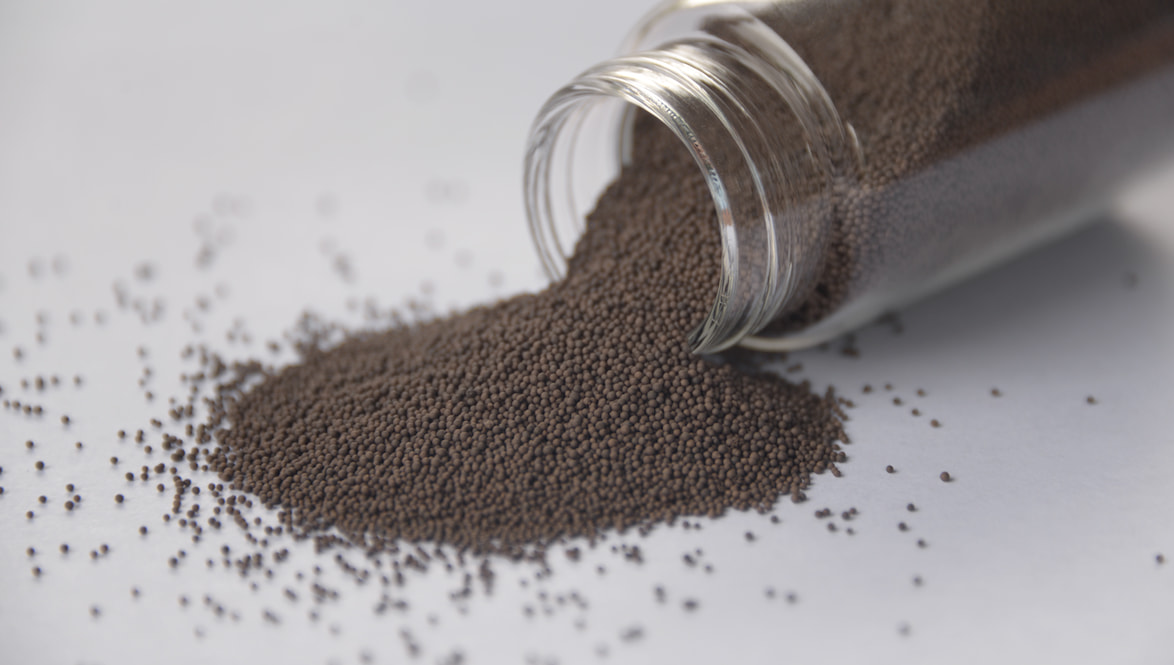
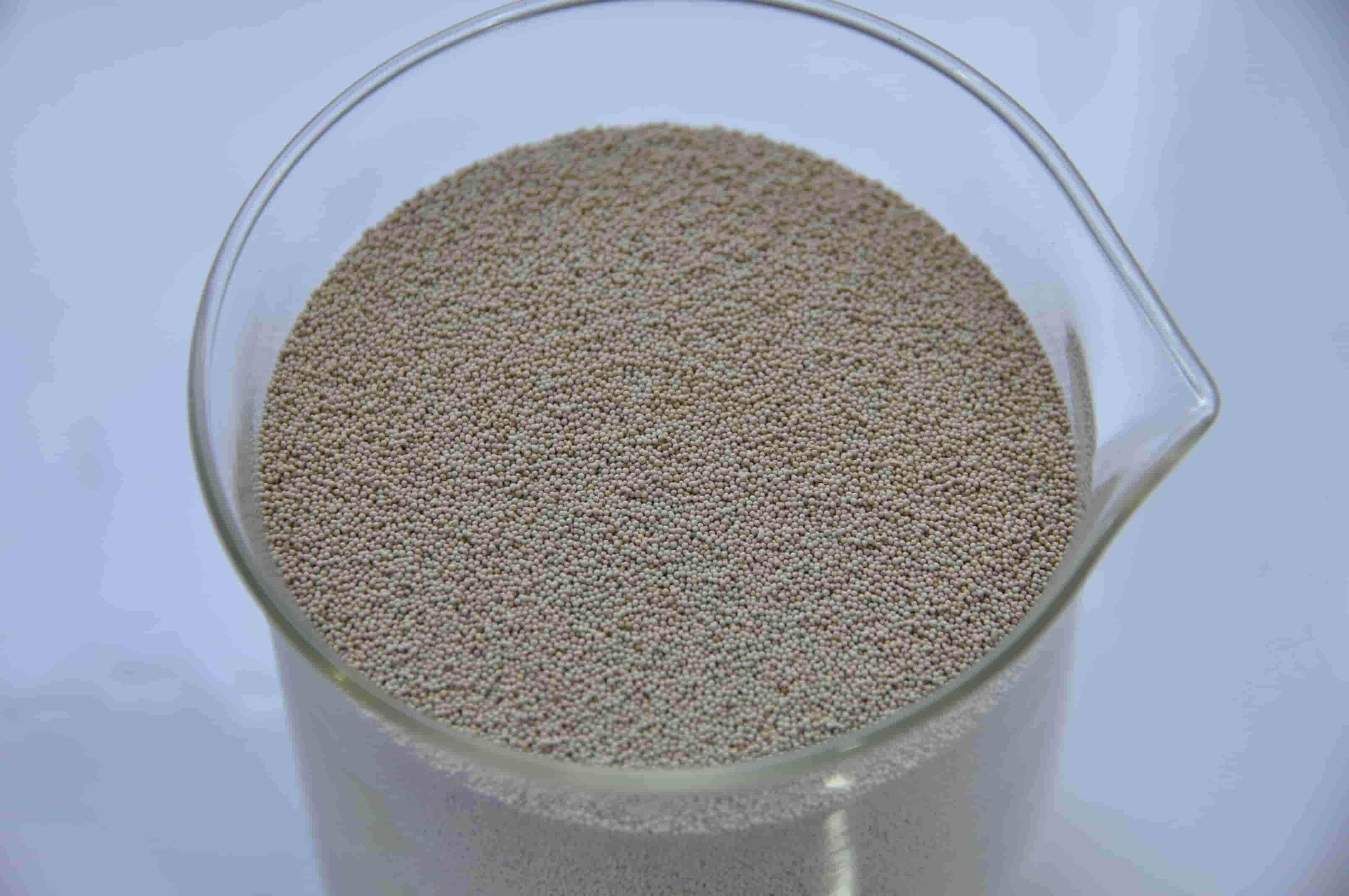
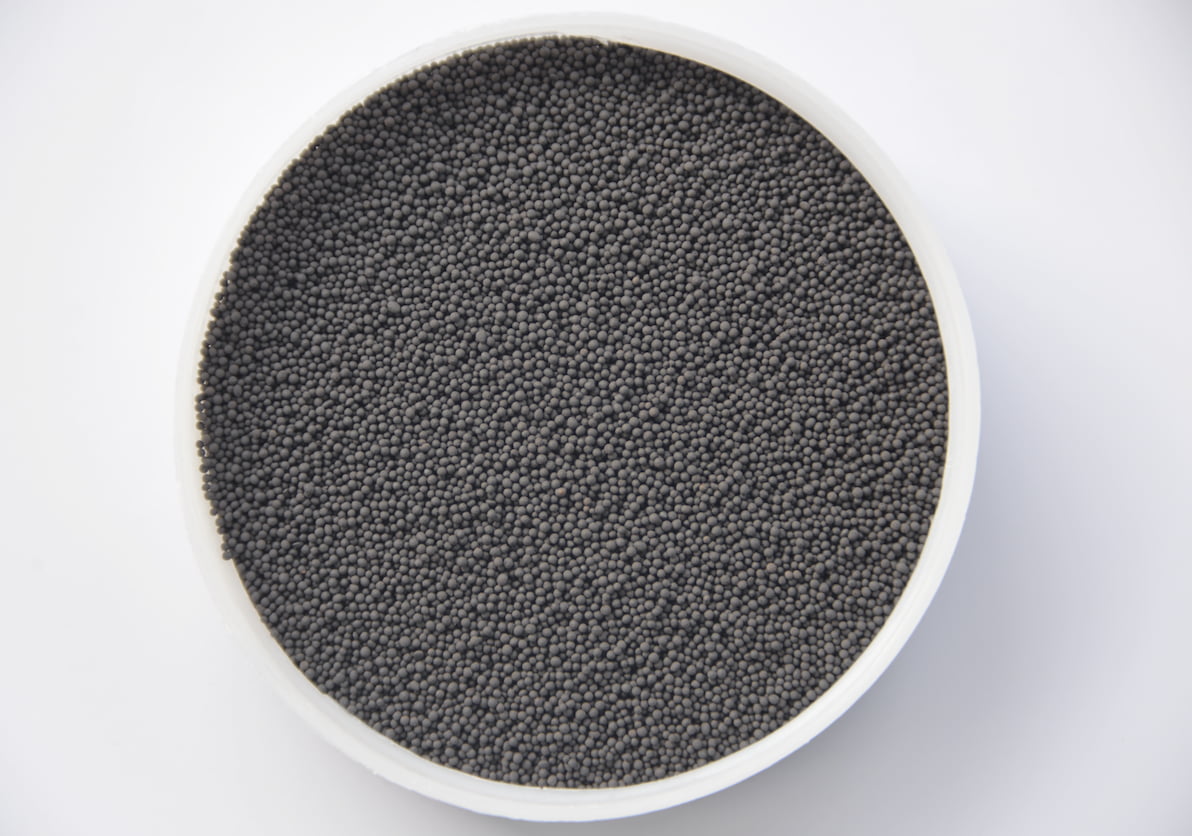
Conceptual illustration only
According to industry literature—including sources such as WO2004067896A2 and other documents—authors use terms like LWC (Lightweight Ceramic), IDC (Intermediate Density Ceramic), and HDC (High Density Ceramic). This indicates that, from the very inception of these industry classifications, the "lightweight" characteristic has been a defining feature.
Strength is not the only critical metric for ceramic proppants. Operators use proppants to hold open fractures created during hydraulic fracturing, ensuring that conductive channels remain accessible even under the closure stress of the formation. Consequently, crush resistance—the ability to withstand crushing—is a vital performance indicator for ceramic proppants. The names "ISP" (Intermediate-Strength Proppant) and "HSP" (High-Strength Proppant) are straightforward, as they emphasize the proppant's crush resistance (strength) capabilities.
However, in actual hydraulic fracturing operations, particle density also influences how a proppant behaves within the fracturing fluid. When developing proppants, engineers must not only focus on increasing particle strength but also on reducing particle density while still meeting the necessary strength requirements. We believe the term "lightweight" reflects the distinct value that reduced density brings to the development of ceramic proppants. Labeling a product as "low-strength" would immediately categorize it based on a performance limitation.
In contrast, while ISP and HSP focus primarily on load-bearing capacity under formation closure stress, the "lightweight" classification highlights a different priority. The term "lightweight" more accurately captures the technical objective: reducing particle density to improve the transport and placement of the proppant within the fracturing fluid.
Based on this analysis, we can conclude that "lightweight" is a concept more closely aligned with the product itself and its practical application. The term "low-density" describes physical properties more directly; the same logic applies to related terms like "low apparent density" or "low bulk density."
Consider two types of ceramic proppants:
We could classify both as "low-density ceramic" proppants. However, in terms of product positioning, Type B better aligns with the engineering value implied by the term "lightweight ceramic proppant."

Compared to the purely descriptive "low-density," the term "lightweight" (when applied to ceramic proppants) conveys more than just a low-density characteristic. It emphasizes that manufacturers design these proppants to reduce particle weight while retaining—to the greatest extent possible—the mechanical strength and conductivity inherent to ceramic materials.
In industry discussions, practitioners frequently use both terms to describe proppants with relatively low density. However, because different manufacturers may define "lightweight" proppants differently—with varying performance ranges—it is essential to consult specific density test data.
In much of the literature and product documentation regarding proppants, authors often use the terms "lightweight" and "low-density" interchangeably. It is important to clarify, however, that "lightweight" does not equate to "low strength." While there may be some correlation between particle density and crush resistance, a complex set of distinct factors influences both.
To determine whether a proppant is truly "lightweight," one must evaluate a combination of the following:
Ultimately, what truly matters is whether a proppant possesses the density, strength, and conductivity required for the specific conditions of a given hydraulic fracturing operation—not whether we label it "lightweight" or "low-density."
Understanding the terminology is merely the first step; evaluating a product based on its actual performance metrics is the key to correctly assessing and selecting ceramic proppants.
Views: 0 Author: SEPPE Proppant Publish Time: 2026-11-03 Origin: Ceramic Proppant
When you learn about ceramic proppants, the first step is to understand their nomenclature. For instance, the industry classifies categories such as LWP, ISP, and HSP based on their performance grades. An interesting pattern emerges here: while the industry names ISP and HSP based on their "strength," it uses the term "lightweight" for this specific category.
Conceptual illustration only
According to industry literature—including sources such as WO2004067896A2 and other documents—authors use terms like LWC (Lightweight Ceramic), IDC (Intermediate Density Ceramic), and HDC (High Density Ceramic). This indicates that, from the very inception of these industry classifications, the "lightweight" characteristic has been a defining feature.
Strength is not the only critical metric for ceramic proppants. Operators use proppants to hold open fractures created during hydraulic fracturing, ensuring that conductive channels remain accessible even under the closure stress of the formation. Consequently, crush resistance—the ability to withstand crushing—is a vital performance indicator for ceramic proppants. The names "ISP" (Intermediate-Strength Proppant) and "HSP" (High-Strength Proppant) are straightforward, as they emphasize the proppant's crush resistance (strength) capabilities.
However, in actual hydraulic fracturing operations, particle density also influences how a proppant behaves within the fracturing fluid. When developing proppants, engineers must not only focus on increasing particle strength but also on reducing particle density while still meeting the necessary strength requirements. We believe the term "lightweight" reflects the distinct value that reduced density brings to the development of ceramic proppants. Labeling a product as "low-strength" would immediately categorize it based on a performance limitation.
In contrast, while ISP and HSP focus primarily on load-bearing capacity under formation closure stress, the "lightweight" classification highlights a different priority. The term "lightweight" more accurately captures the technical objective: reducing particle density to improve the transport and placement of the proppant within the fracturing fluid.
Based on this analysis, we can conclude that "lightweight" is a concept more closely aligned with the product itself and its practical application. The term "low-density" describes physical properties more directly; the same logic applies to related terms like "low apparent density" or "low bulk density."
Consider two types of ceramic proppants:
We could classify both as "low-density ceramic" proppants. However, in terms of product positioning, Type B better aligns with the engineering value implied by the term "lightweight ceramic proppant."
Compared to the purely descriptive "low-density," the term "lightweight" (when applied to ceramic proppants) conveys more than just a low-density characteristic. It emphasizes that manufacturers design these proppants to reduce particle weight while retaining—to the greatest extent possible—the mechanical strength and conductivity inherent to ceramic materials.
In industry discussions, practitioners frequently use both terms to describe proppants with relatively low density. However, because different manufacturers may define "lightweight" proppants differently—with varying performance ranges—it is essential to consult specific density test data.
In much of the literature and product documentation regarding proppants, authors often use the terms "lightweight" and "low-density" interchangeably. It is important to clarify, however, that "lightweight" does not equate to "low strength." While there may be some correlation between particle density and crush resistance, a complex set of distinct factors influences both.
To determine whether a proppant is truly "lightweight," one must evaluate a combination of the following:
Ultimately, what truly matters is whether a proppant possesses the density, strength, and conductivity required for the specific conditions of a given hydraulic fracturing operation—not whether we label it "lightweight" or "low-density."
Understanding the terminology is merely the first step; evaluating a product based on its actual performance metrics is the key to correctly assessing and selecting ceramic proppants.