| Availability: | |
|---|---|
| Quantity: | |
40-60 Mesh
SEPPE CENOSPHERE
2621900090
40-60 mesh 0.8 g/cm³ cenosphere for petroleum cementing. This lightweight grade is selected for cement slurry density reduction while maintaining particle stability during mixing and placement.
▸ This product is selected for oilfield systems where lightweight density control and downhole stability are required.
▸ The hollow aluminosilicate structure helps reduce slurry or fluid density while maintaining inorganic chemical stability.
▸ Particle size, floatation, density, and strength should be confirmed by batch data and application testing.
▸ Density Control: Low true density helps reduce hydrostatic pressure in cementing or drilling systems.
▸ Good Floatation: High floatation supports stable suspension and reduces density segregation risk.
▸ Downhole Stability: Ceramic aluminosilicate chemistry resists common oilfield chemical environments.
▸ Mesh Selection: Controlled mesh size helps match slurry or fluid rheology requirements.
▸ Technical Traceability: COA and specification data can support oilfield project documentation.
▸ Petroleum well cementing
▸ Low-density slurry design
▸ Lost circulation zones
▸ Weak formation cementing
▸ Lead cement slurry systems

| Chemical Analysis (Typical) | |
| SiO₂ | 50-60% |
| Al₂O₃ | 25-40% |
| Fe₂O₃ | 1-6% / low iron grade available |
| CaO | 1-1.5% |
| Physical Properties | |
| Model | 40-60 Mesh |
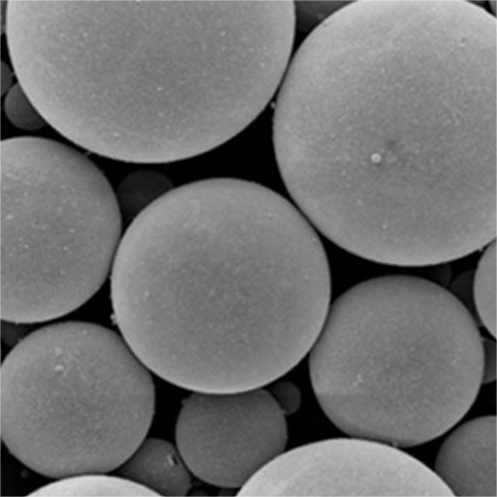
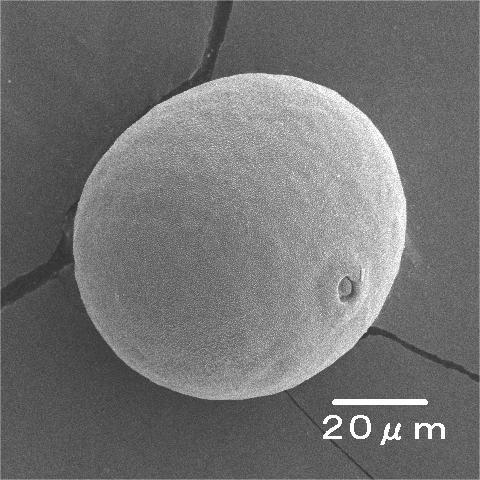
| Shape | Hollow spherical powder |
| Color | Light grey to white |
| Bulk Density | 0.30-0.45 g/cm³ typical |
| Floatation Rate | High floatation grade available |
| True Density | 0.80-0.90 g/cm³ target |
| Particle Size | 40-60 Mesh |
| Mohs Hardness | 5-6 |
▸ CENOSPHERE TDS (General) — for initial product introduction, customs declaration, and bidding documents.
▸ Oilfield Grade COA / Specification Sheet — floatation rate, density, sieve analysis, and oilfield specification data.
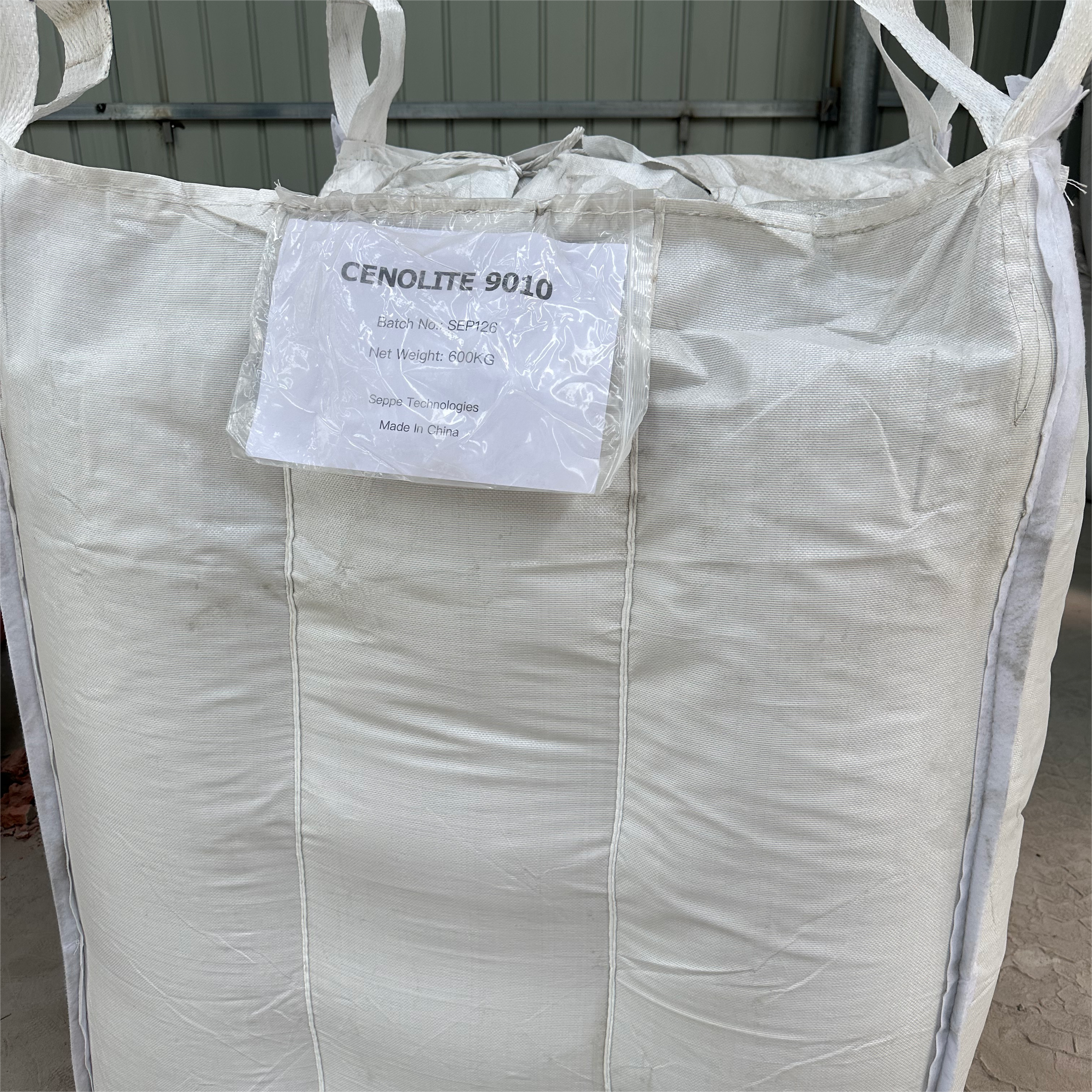
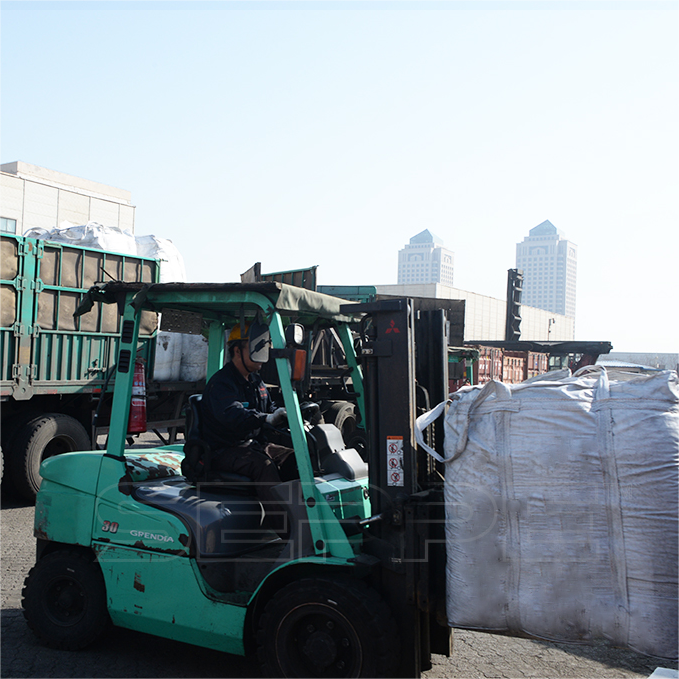
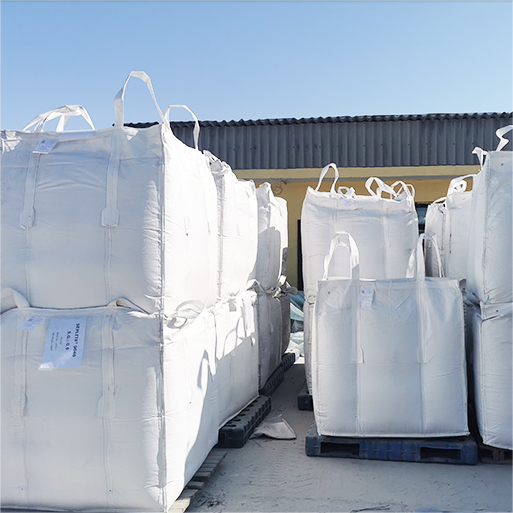
▸ 600 kg jumbo bags — approximately 40 bags per 40' High Cube FCL (total ~24 MT)
▸ 40' High Cube container recommended due to low bulk density (0.30-0.45 g/cm³)
▸ Custom packaging available upon request
▸ 10-year shelf life when stored in dry conditions
▸ Reliable container shipment to all major ports worldwide
▸ High floatation helps maintain uniform slurry or fluid density, reducing segregation during mixing, pumping, and placement.
▸ Yes. Low-density hollow cenospheres are used to reduce hydrostatic pressure in low-pressure, weak, or loss-prone formations.
▸ 40-60 Mesh is the standard listed grade. Custom mesh or density ranges can be discussed for specific cementing or drilling programs.
▸ Yes. Batch COA, TDS, density, floatation, and sieve analysis documents can be supplied for project review.
▸ Yes. Samples are available for laboratory compatibility, density, and performance testing before bulk purchase.
▸ 0.8g/cm3 Cenosphere for Petroleum Cementing
Contact SEPPE for product specifications, samples, OEM packaging, and bulk pricing.
Request a QuoteSEPPE applies an ISO 9001:2015 quality management system to CenoLite 8540 oilfield cementing grade cenospheres. Quality control covers flotation rate, loose bulk density, gas-pycnometric particle density, sieve distribution, matter volatile at 105°C, and shell chemical composition.

▸CenoLite 8540 is controlled through a documented workflow from raw material inspection to final product release.
▸ Testing protocols focus on key performance indicators for lightweight cement slurry systems used in oil and gas well cementing. Each batch undergoes rigorous verification.
| Test Parameter | Test Method | Specification | Typical Value |
|---|---|---|---|
| Flotation Rate | Visual Inspection + Water Flotation | ≥95% | 98% |
| Bulk Density (Loose Bulk Density) | ISO 23145-2:2012 Constant-Volume Method | 0.30–0.45 g/cm³ | 0.38 g/cm³ |
| True Density (Particle Density) | ISO 12154:2014 Gas Displacement Pycnometry | 0.75–0.90 g/cm³ | 0.82 g/cm³ |
| Particle Size Distribution | U.S. Sieve Series | 0–500 μm | See sieve table below |
| Moisture Content (Matter Volatile at 105°C) | ISO 787-2:2021 | ≤0.3% | 0.2% |
| Chemical Composition | X-Ray Fluorescence (XRF) | SiO₂: 50–60% | 55% |
| Al₂O₃: 25–40% | 35% | ||
| CaO: 1–1.5% | 1.2% |
| U.S. Sieve | Nominal Aperture | Specification | Typical Value |
|---|---|---|---|
| +30M | 500 μm | NIL | – |
| +60M | 250 μm | 0–20% | 8% |
| +100M | 150 μm | 20–60% | 45% |
| +150M | 106 μm | 50–75% | 67% |
| +240M | 63 μm | 70–95% | 92% |
| −240M | <63 μm | 0–20% | 8% |
▸Our quality control laboratory uses dedicated equipment and documented methods for the parameters listed in the CenoLite 8540 specification:
• Test Sieve Shaker and U.S. Sieve Series – determine the 0–500 μm particle-size distribution using 30M, 60M, 100M, 150M and 240M sieves.
• Constant-Volume Bulk Density Apparatus – measures loose bulk density according to ISO 23145-2:2012 (specification: 0.30–0.45 g/cm³; typical: 0.38 g/cm³).
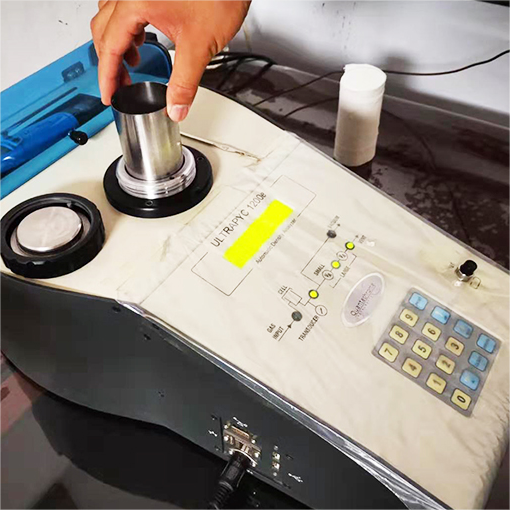
• Gas Pycnometer – measures particle density by gas displacement according to ISO 12154:2014 (specification: 0.75–0.90 g/cm³; typical: 0.82 g/cm³).
• Laboratory Oven and Analytical Balance – determine matter volatile at 105°C according to ISO 787-2:2021 (specification: ≤0.3%; typical: 0.2%).
• XRF Spectrometer – verifies shell composition: SiO₂ 50–60%, Al₂O₃ 25–40%, and CaO 1–1.5%.
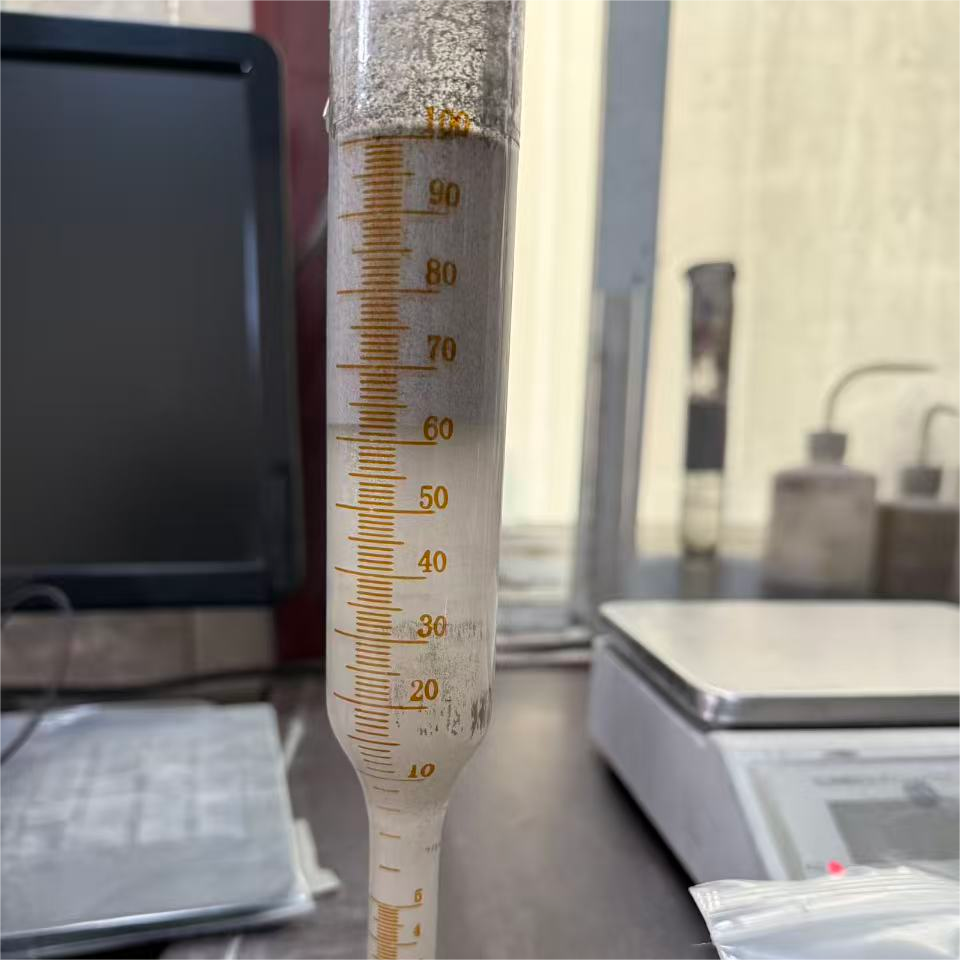
• Water Flotation Test Setup – verifies flotation rate by visual inspection and water flotation (specification: ≥95%; typical: 98%).

• ISO 9001:2015 Certified Manufacturing & QC Process
• Batch inspection records and COA available according to order requirements
• Full Traceability: unique batch IDs for raw material → finished product
• Third-Party Inspection: SGS/BV verification available
• Retained samples managed according to the documented retention procedure
• Continuous improvement based on test data & feedback
Loose bulk density is measured by the constant-volume method referenced in ISO 23145-2:2012. Particle density is measured by gas pycnometry according to ISO 12154:2014.
Yes. SGS, BV or other independent inspection can be arranged prior to shipment.
Yes. Our team can develop custom testing protocols and batch specifications upon request.
Contact our oilfield technical team to discuss batch-specific COA, customized particle size distribution, or to schedule a factory audit.
Contact Oilfield Team