You are here: Home » Products » CENOSPHERE » Painting Cenosphere » High Alumina Silica Microsphere For Cementing

Product Details

High Alumina Silica Microsphere For Cementing

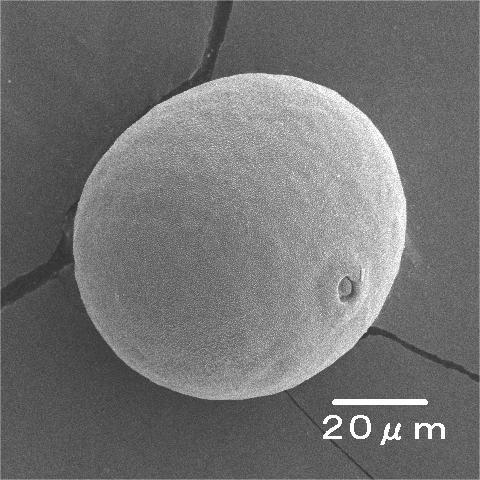
Cenospheres are lightweight, inert, hollow spheres comprised largely of silica and alumina and filled with air and gases.
Availability:
Quantity:
  • 20-100Mesh

  • SEPPE CENOSPHERE

  • 2621900090

High Alumina Silica Microsphere For Cementing

20-100 mesh high alumina silica microsphere for cementing. The ceramic hollow spheres provide lightweight density control, good chemical stability, and improved performance in cement slurry systems.


★ Model 20-100Mesh
◆ High Alumina Silica
★ Cementing Grade
◆ Low Density
★ Particle Size Range
◆ Cement Slurry Compatible
ISO 9001:2015 Certified · Model 20-100Mesh · COA Available · OEM Packaging

What Is High Alumina Silica Microsphere For Cementing?

▸ This product is selected for oilfield systems where lightweight density control and downhole stability are required.

▸ The hollow aluminosilicate structure helps reduce slurry or fluid density while maintaining inorganic chemical stability.

▸ Particle size, floatation, density, and strength should be confirmed by batch data and application testing.

Key Performance Characteristics

Density Control: Low true density helps reduce hydrostatic pressure in cementing or drilling systems.

Good Floatation: High floatation supports stable suspension and reduces density segregation risk.

Downhole Stability: Ceramic aluminosilicate chemistry resists common oilfield chemical environments.

Mesh Selection: Controlled mesh size helps match slurry or fluid rheology requirements.

Technical Traceability: COA and specification data can support oilfield project documentation.
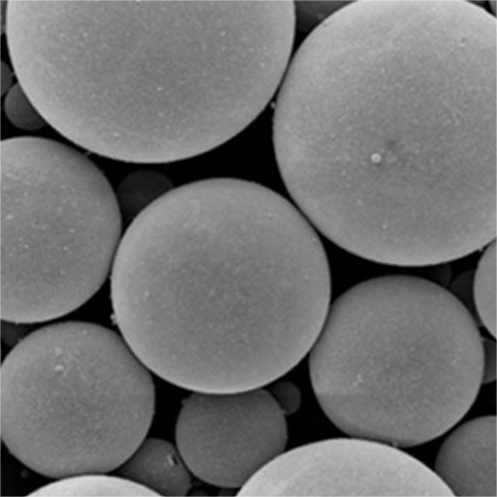
Hollow Microsphere Structure   Cenosphere SEM Structure

Typical Applications

▸ Oil well cementing systems

▸ Lightweight cement slurry design

▸ Lead slurry and filler cement

▸ Low-pressure formation cementing

▸ High-stability cement blends

oilfield application

Chemical Composition & Physical Properties

Chemical Analysis (Typical)
SiO₂ 50-60%
Al₂O₃ 25-40%
Fe₂O₃ 1-6% / low iron grade available
CaO 1-1.5%
Physical Properties
Model 20-100Mesh
Shape Hollow spherical powder
Color Light grey to white
Bulk Density 0.30-0.45 g/cm³ typical
Floatation Rate High floatation grade available
True Density 0.70-0.90 g/cm³ / grade dependent
Particle Size 20-100Mesh
Mohs Hardness 5-6

Technical Documents

CENOSPHERE TDS (General) — for initial product introduction, customs declaration, and bidding documents.

Oilfield Grade COA / Specification Sheet — floatation rate, density, sieve analysis, and oilfield specification data.

Packaging & Delivery

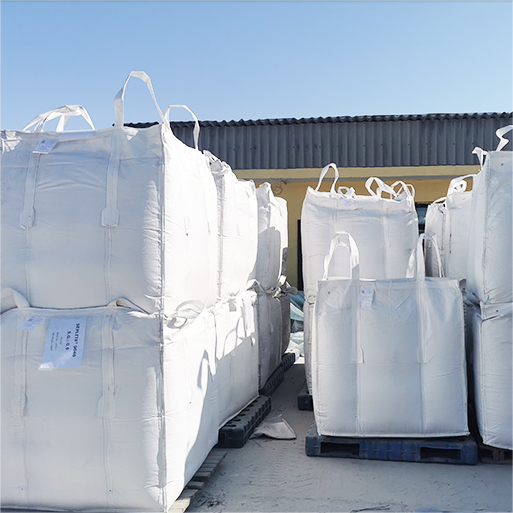
▸ 600 kg jumbo bags — approximately 20 bags per 40' High Cube FCL (total ~24 MT)

▸ 40' High Cube container recommended due to low bulk density (0.30-0.45 g/cm³)

▸ Custom packaging available upon request
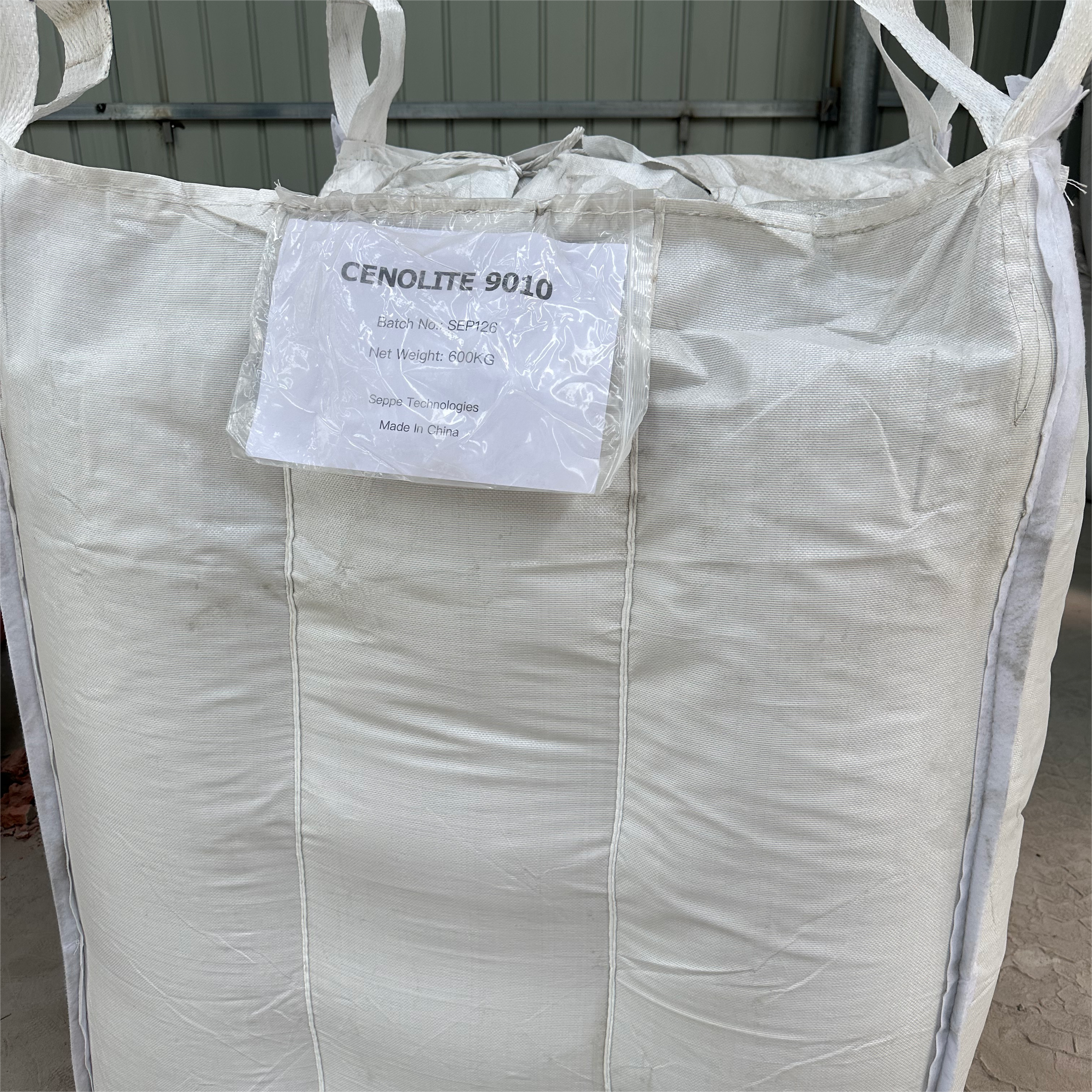
cenosphere jumbo bag cenosphere jumbo bag 600 kg cenosphere Storage cenosphere in container

▸ 10-year shelf life when stored in dry conditions

▸ Reliable container shipment to all major ports worldwide
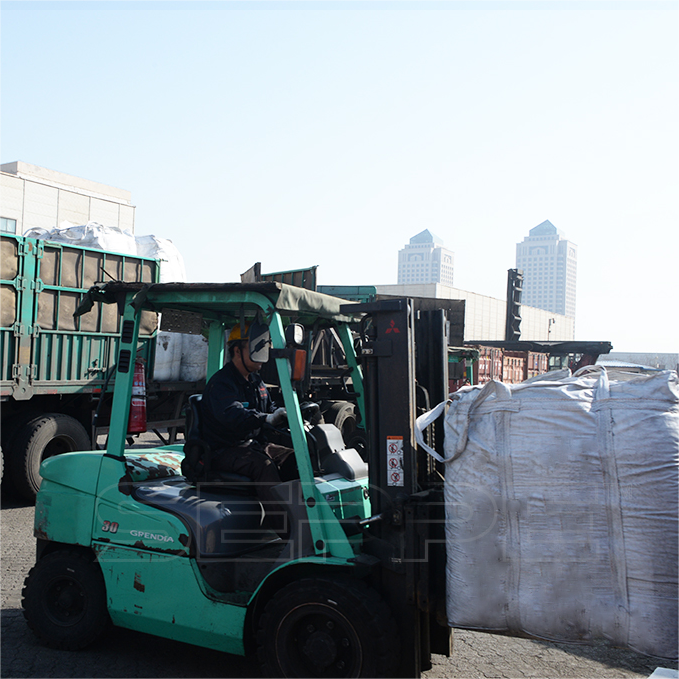
cenosphere packing process reliable container shipment efficient logistics 40' High Cube FCL

FAQ

❓ Why is floatation rate important in oilfield applications?

▸ High floatation helps maintain uniform slurry or fluid density, reducing segregation during mixing, pumping, and placement.

❓ Can this grade reduce cement slurry density?

▸ Yes. Low-density hollow cenospheres are used to reduce hydrostatic pressure in low-pressure, weak, or loss-prone formations.

❓ Is Model 20-100Mesh fixed?

▸ 20-100Mesh is the standard listed grade. Custom mesh or density ranges can be discussed for specific cementing or drilling programs.

❓ Do you provide oilfield COA and technical documents?

▸ Yes. Batch COA, TDS, density, floatation, and sieve analysis documents can be supplied for project review.

❓ Can SEPPE support slurry or fluid trials?

▸ Yes. Samples are available for laboratory compatibility, density, and performance testing before bulk purchase.

Need a Quote or Technical Support?

Contact SEPPE for product specifications, samples, OEM packaging, and bulk pricing.

Request a Quote

Oilfield Cementing Grade Cenosphere Quality Control System

SEPPE operates a fully integrated ISO 9001:2015 certified quality management system for oilfield cementing grade cenospheres (CenoLite 8540). Every batch undergoes rigorous testing to ensure floatation rate, density, particle size, moisture content, chemical composition, and compressive strength meet demanding downhole requirements.


★ ISO 9001:2015 Certified
◆ 100% Batch Testing
★ Full Traceability
◆ Floatation Rate Verification
★ Cement Slurry Compatibility Testing
◆ Digital COA for Every Shipment
Independent Laboratory Verification · SGS/BV Inspection Available · 24/7 Technical Support

End-to-End Quality Control Process

Every batch of CenoLite 8540 passes through a comprehensive QC workflow from raw material selection to final shipment approval.

01
Raw Material Inspection
Fly ash source verification
Initial chemical analysis
Density screening
02
Separation & Purification
Floatation separation
Magnetic iron removal
Precision classification
03
In-Process Testing
Density monitoring
Particle size analysis
Floatation rate check
04
Final Batch Inspection
Full chemical analysis
Compressive strength test
Cement slurry compatibility test
05
Packaging & Shipment
Package integrity inspection
Batch verification
Container loading supervision

Oilfield Cementing Grade Testing Standards (CenoLite 8540)

Testing protocols focus on key performance indicators for lightweight cement slurry systems used in oil and gas well cementing. Each batch undergoes rigorous verification.

Test Parameter Test Method Specification Typical Value Frequency
Floatation Rate Visual Inspection + Water Floatation ≥ 97% 98% Every Batch
Bulk Density ISO 787-10 0.30-0.45 g/cm³ 0.38 g/cm³ Every Batch
True Density ISO 787-10 (Pycnometer) 0.75-0.90 g/cm³ 0.82 g/cm³ Every Batch
Particle Size Distribution Sieve Analysis (30M-240M) 0-500 μm (106-250 μm dominant) 106-250 μm Every Batch
Moisture Content ISO 787-2 (105°C, 2h) ≤ 0.3% 0.12% Every Batch
Chemical Composition XRF Analysis SiO₂ 50-60%, Al₂O₃ 25-40%, CaO 1-1.5%, Fe₂O₃ ≤5% SiO₂ 55%, Al₂O₃ 30%, CaO 1.2%, Fe₂O₃ 4% Every 3 Batches
Compressive Strength Hydraulic Pressure Test 30-50 MPa 40 MPa Monthly

Core Testing Equipment

Our in-house quality control laboratory is equipped with state-of-the-art testing instruments to ensure accurate and reliable measurement of all critical parameters:

• Laser Particle Size Analyzer (ISO 13320) – ensures precise particle size distribution for stable gradation in cement slurry systems.

• XRF Spectrometer – provides accurate elemental analysis (SiO₂, Al₂O₃, Fe₂O₃, CaO) to verify raw material and finished product consistency.

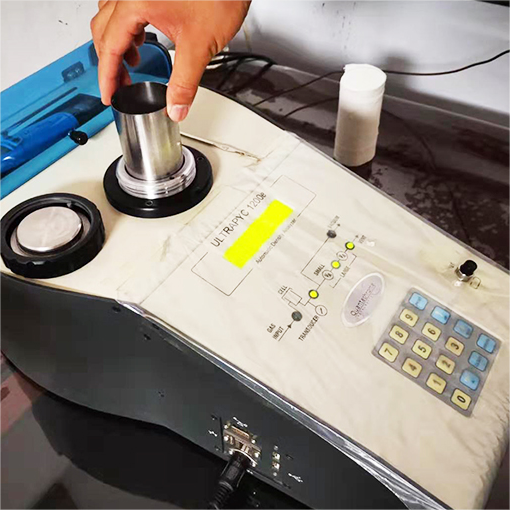
• Digital Density Analyzer – complies with ISO 787-10 for precise bulk density and true density measurement, meeting oilfield cement specifications.

• Moisture Analyzer – uses thermogravimetric analysis for accurate moisture content determination (≤0.3%), preventing negative impact on slurry performance.

• Hydraulic Pressure Tester (Compressive Strength Tester) – simulates downhole high-pressure conditions to verify the load-bearing capacity of cenospheres in set cement (30-50 MPa).

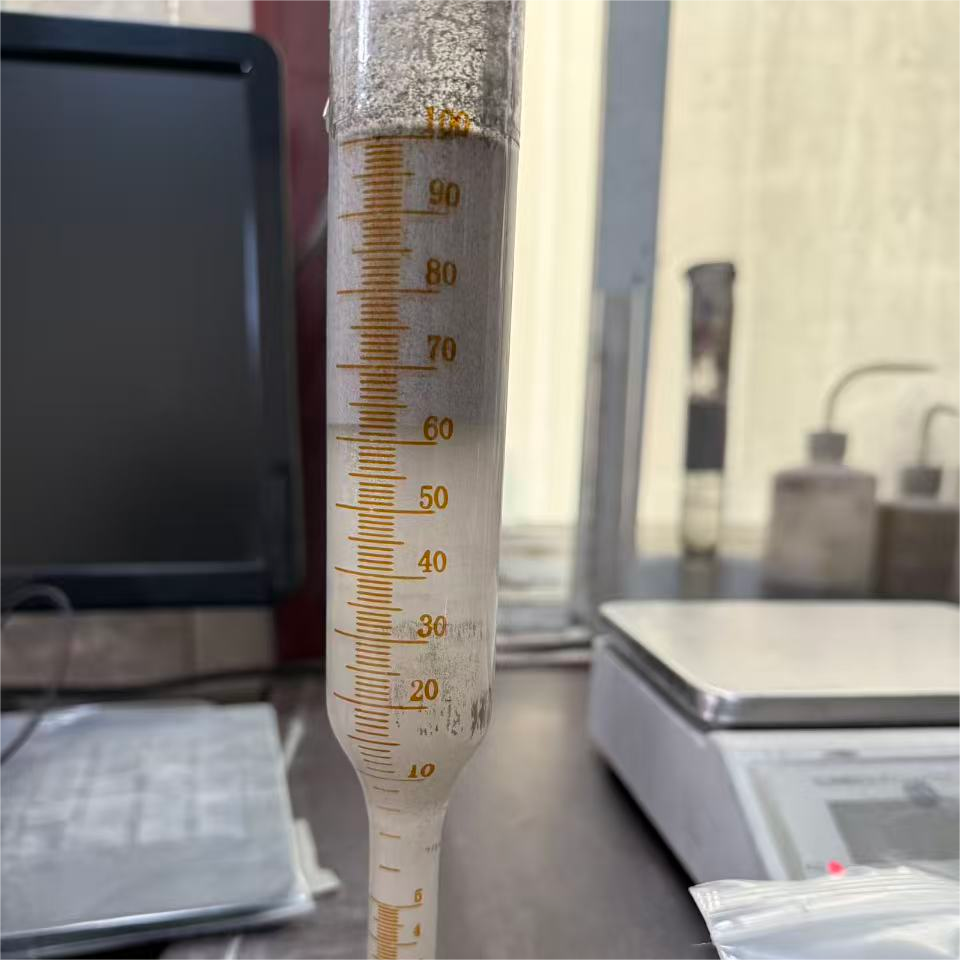
• Floatation Ratio Test Kit – ensures >95% floatation rate (98% typical) in standardized liquid media, preventing density segregation in cement slurry and guaranteeing uniform downhole performance.

Floatation Ratio Test (in-house method) Hydraulic Pressure Tester  Digital Density Analyzer Hydraulic Pressure Tester

Quality Assurance & Traceability

• ISO 9001:2015 Certified Manufacturing & QC Process

• 100% Batch Testing with COA

• Full Traceability: unique batch IDs for raw material → finished product

• Third-Party Inspection: SGS/BV verification available

• Retained samples of every batch for ≥10 years

• Continuous improvement based on test data & feedback

Download Technical Documents

General CenoLite TDS        
• For initial introduction and bidding documents
• Floatation rate, density, sieve analysis for cementing

FAQ

❓ Typical compressive strength?

30-50 MPa (typical 40 MPa) depending on batch and curing conditions.

❓ Can I request third-party testing?

Yes. SGS, BV or other independent inspection can be arranged prior to shipment.

❓ Custom particle size or density specification?

Yes. Our team can develop custom testing protocols and batch specifications upon request.

Request Technical Support or Custom QC

Contact our oilfield technical team to discuss batch-specific COA, customized particle size distribution, or to schedule a factory audit.

Contact Oilfield Team