Views: 176 Author: RKB Publish Time: 2026-08-13 Origin: SEPPE TECH
According to different calcination methods, bauxite has the difference between rotary kiln and shaft kiln.


Read How to Select Refractory Grade Calcined Bauxite first if the commercial grade has not been fixed. This article begins with the next question: what does the kiln route tell the buyer?
Two samples can both be sold as 85-grade calcined bauxite. One lot may look even when the grains are broken. Another may show a wider mix of colors and cores. Buyers often blame the kiln first. The kiln matters, but it is only part of the answer.
The raw ore may be different. Feed preparation, firing control and cooling also leave their mark. For this reason, “rotary kiln” or “shaft kiln” should begin a technical discussion. Neither name should end it.
Calcination removes combined water and changes the mineral structure of raw bauxite. The aim is a hard, stable clinker for refractory production. That result depends on the whole route, not only the shape of the furnace.
If the ore varies before it enters the kiln, the finished clinker can vary too. A good firing system cannot remove every difference in the mine. Careful blending and stable feed are therefore just as important as kiln control.
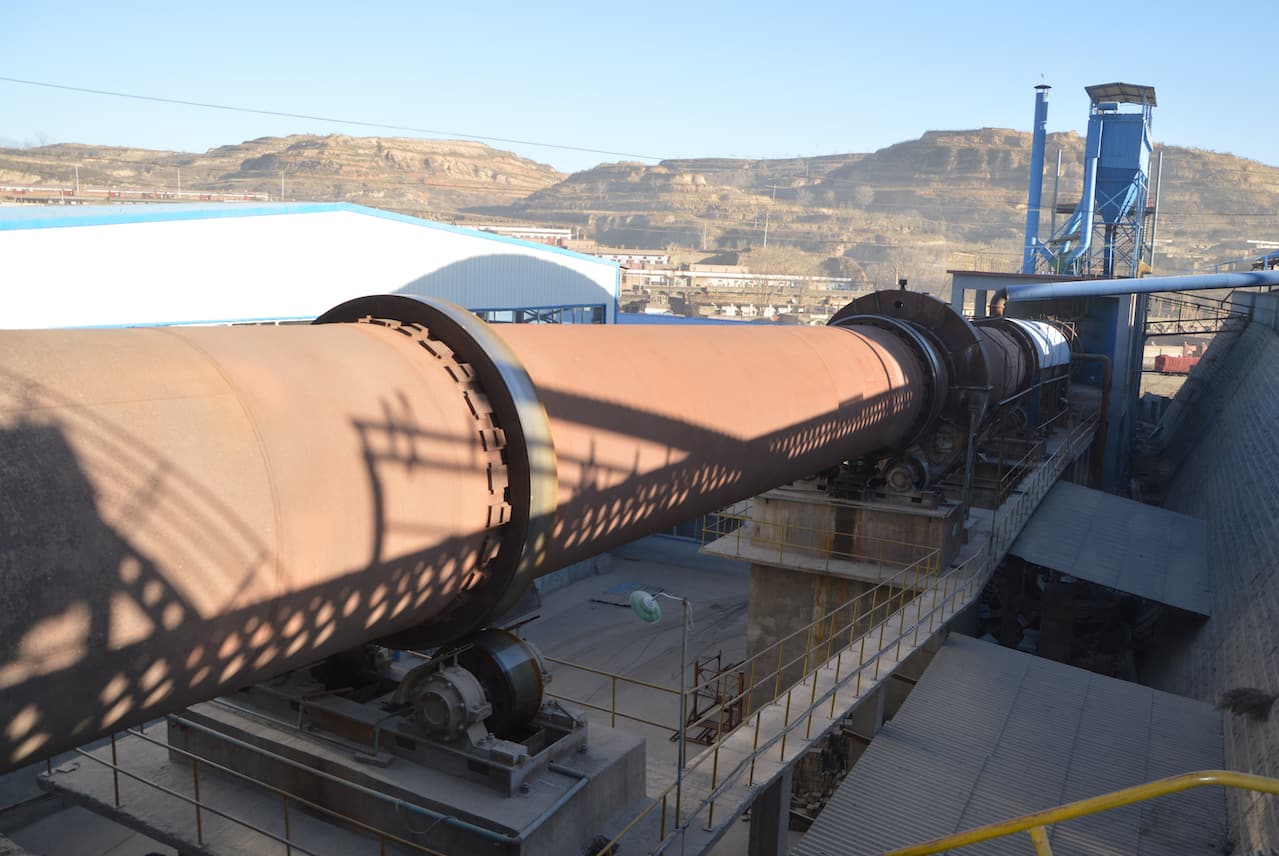
A rotary kiln is a long, slightly inclined cylinder. It turns slowly while the bauxite moves toward the hot end. The rolling bed continually changes position. This movement helps expose the material to the hot gas and the kiln lining.
In normal production, that movement can support more even heating and better mixing between feed pieces. It does not make the process automatic. Feed rate, lump size and the firing zone still need control. A rotary kiln can also make uneven clinker when these conditions drift.
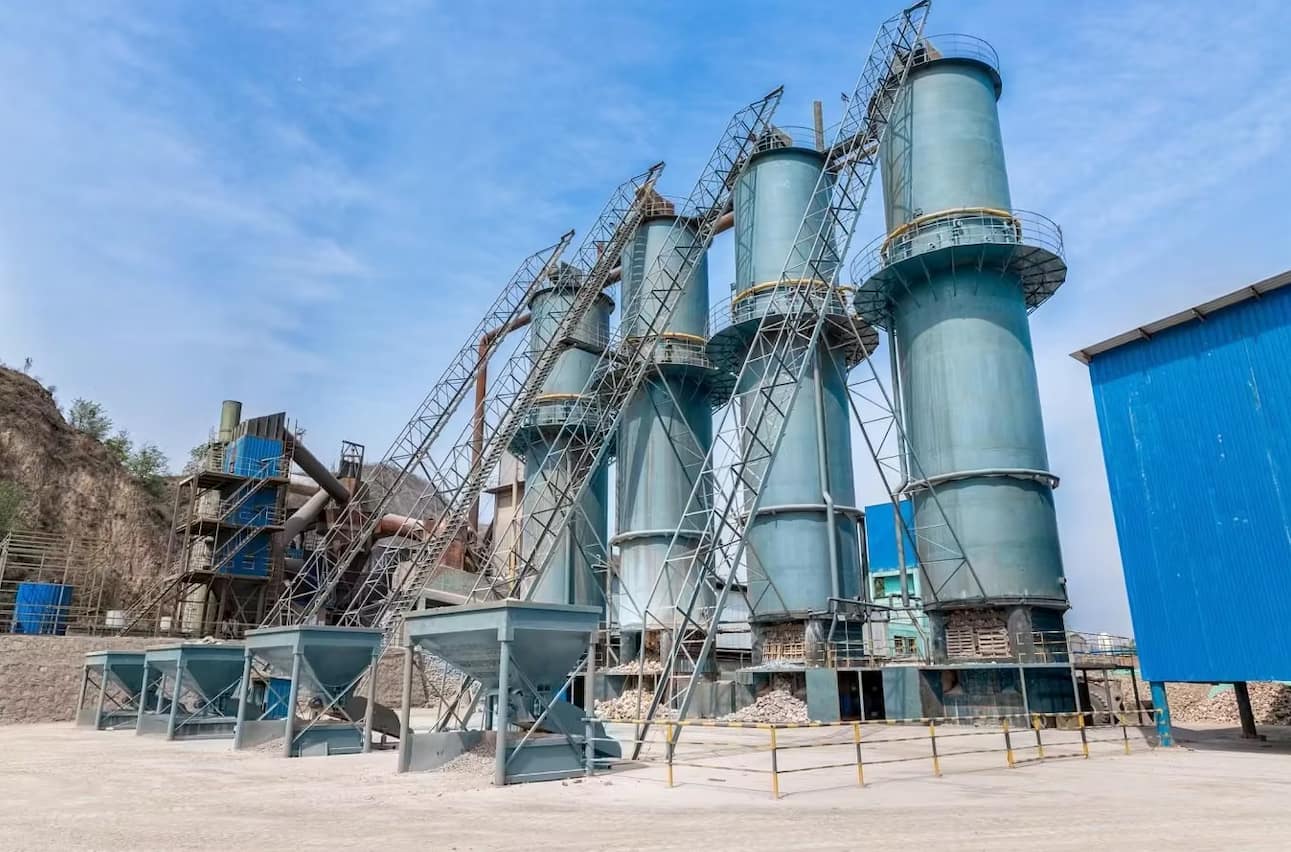
A shaft kiln is vertical. Lump bauxite enters from the top and moves down through the hot zone. The material remains in a packed bed rather than rolling through a cylinder.
A well-run shaft kiln can produce usable refractory bauxite. The feed must suit the kiln, and gas must pass through the bed evenly. If packing or airflow becomes uneven, some pieces may receive a different heat history from others. The result may be more visible when several grains are broken open.
Continuous turning can help distribute heat through the travelling material. Buyers often choose this route when lot uniformity is a high priority.
Performance depends strongly on feed size and gas flow through the bed. A stable shaft-kiln lot may still meet the agreed refractory specification.
| Question | Rotary kiln | Shaft kiln |
|---|---|---|
| How does the material move? | It rolls through an inclined rotating cylinder. | It descends through a vertical packed bed. |
| What usually needs close control? | Feed rate, rotation, temperature profile and time in the kiln. | Lump size, bed packing, gas flow and discharge. |
| What might the buyer notice? | A well-controlled lot often has a more even general appearance. | Differences between individual lumps may be easier to see in some lots. |
| Can the kiln name approve the material? | No. The delivered lot must meet the agreed tests. | No. The delivered lot must meet the same agreed tests. |
Rotary-kiln material is not automatically suitable for every refractory. Shaft-kiln material is not automatically unsuitable. The ore, the process and the batch evidence must agree.
Surface color tells very little on its own. Ore mineralogy and firing atmosphere can change the appearance. A better check is to take material from different bags and look at fresh broken faces.
Mixed color does not always mean that a batch has failed. A dark core does not prove the firing temperature by itself. When appearance changes, use it as a reason to compare test results and production behavior.
Al2O3 is an average chemical value. It does not describe every grain in the shipment. It also does not show how dense the clinker became during firing.
For a refractory buyer, grain density and porosity can be as important as the grade name. Impurities also affect the mineral phases formed during calcination. That is why two 85-grade offers should not be compared by alumina content and price alone.
When reviewing a calcined bauxite offer, put the required figures in writing rather than relying on the kiln name shown in the quotation.
Commercial grade and chemical limits
Rotary- or shaft-kiln route, when this matters to the order
Required particle size and sieve tolerance
Moisture limit for the delivered fraction
Grain density with the test method and fraction
Lot number linked to the COA
Representative sample before a large order
Agreed action if the batch falls outside the limits
Ask the supplier whether the sample and the shipment will come from the same production route. If the route changes later, decide whether the new lot needs approval again. This is more useful than asking which kiln is “best” in general.
Calcined bauxite for refractory use · Commercial grade: [80 / 85 / 88 / 90] · Kiln route: [rotary / shaft, if required] · Al2O3: [limit] · SiO2, Fe2O3 and alkalis: [limits] · Grain density: [limit and test method] · Particle size: [fraction and sieve tolerances] · Moisture: [limit] · Batch COA: required.
The kiln name explains how the material was fired. The completed purchase-order line defines what the buyer will accept.
Views: 176 Author: RKB Publish Time: 2026-08-13 Origin: SEPPE TECH
According to different calcination methods, bauxite has the difference between rotary kiln and shaft kiln.
Read How to Select Refractory Grade Calcined Bauxite first if the commercial grade has not been fixed. This article begins with the next question: what does the kiln route tell the buyer?
Two samples can both be sold as 85-grade calcined bauxite. One lot may look even when the grains are broken. Another may show a wider mix of colors and cores. Buyers often blame the kiln first. The kiln matters, but it is only part of the answer.
The raw ore may be different. Feed preparation, firing control and cooling also leave their mark. For this reason, “rotary kiln” or “shaft kiln” should begin a technical discussion. Neither name should end it.
Calcination removes combined water and changes the mineral structure of raw bauxite. The aim is a hard, stable clinker for refractory production. That result depends on the whole route, not only the shape of the furnace.
If the ore varies before it enters the kiln, the finished clinker can vary too. A good firing system cannot remove every difference in the mine. Careful blending and stable feed are therefore just as important as kiln control.
A rotary kiln is a long, slightly inclined cylinder. It turns slowly while the bauxite moves toward the hot end. The rolling bed continually changes position. This movement helps expose the material to the hot gas and the kiln lining.
In normal production, that movement can support more even heating and better mixing between feed pieces. It does not make the process automatic. Feed rate, lump size and the firing zone still need control. A rotary kiln can also make uneven clinker when these conditions drift.
A shaft kiln is vertical. Lump bauxite enters from the top and moves down through the hot zone. The material remains in a packed bed rather than rolling through a cylinder.
A well-run shaft kiln can produce usable refractory bauxite. The feed must suit the kiln, and gas must pass through the bed evenly. If packing or airflow becomes uneven, some pieces may receive a different heat history from others. The result may be more visible when several grains are broken open.
Continuous turning can help distribute heat through the travelling material. Buyers often choose this route when lot uniformity is a high priority.
Performance depends strongly on feed size and gas flow through the bed. A stable shaft-kiln lot may still meet the agreed refractory specification.
| Question | Rotary kiln | Shaft kiln |
|---|---|---|
| How does the material move? | It rolls through an inclined rotating cylinder. | It descends through a vertical packed bed. |
| What usually needs close control? | Feed rate, rotation, temperature profile and time in the kiln. | Lump size, bed packing, gas flow and discharge. |
| What might the buyer notice? | A well-controlled lot often has a more even general appearance. | Differences between individual lumps may be easier to see in some lots. |
| Can the kiln name approve the material? | No. The delivered lot must meet the agreed tests. | No. The delivered lot must meet the same agreed tests. |
Rotary-kiln material is not automatically suitable for every refractory. Shaft-kiln material is not automatically unsuitable. The ore, the process and the batch evidence must agree.
Surface color tells very little on its own. Ore mineralogy and firing atmosphere can change the appearance. A better check is to take material from different bags and look at fresh broken faces.
Mixed color does not always mean that a batch has failed. A dark core does not prove the firing temperature by itself. When appearance changes, use it as a reason to compare test results and production behavior.
Al2O3 is an average chemical value. It does not describe every grain in the shipment. It also does not show how dense the clinker became during firing.
For a refractory buyer, grain density and porosity can be as important as the grade name. Impurities also affect the mineral phases formed during calcination. That is why two 85-grade offers should not be compared by alumina content and price alone.
When reviewing a calcined bauxite offer, put the required figures in writing rather than relying on the kiln name shown in the quotation.
Commercial grade and chemical limits
Rotary- or shaft-kiln route, when this matters to the order
Required particle size and sieve tolerance
Moisture limit for the delivered fraction
Grain density with the test method and fraction
Lot number linked to the COA
Representative sample before a large order
Agreed action if the batch falls outside the limits
Ask the supplier whether the sample and the shipment will come from the same production route. If the route changes later, decide whether the new lot needs approval again. This is more useful than asking which kiln is “best” in general.
Calcined bauxite for refractory use · Commercial grade: [80 / 85 / 88 / 90] · Kiln route: [rotary / shaft, if required] · Al2O3: [limit] · SiO2, Fe2O3 and alkalis: [limits] · Grain density: [limit and test method] · Particle size: [fraction and sieve tolerances] · Moisture: [limit] · Batch COA: required.
The kiln name explains how the material was fired. The completed purchase-order line defines what the buyer will accept.