| Quantity: | |
|---|---|
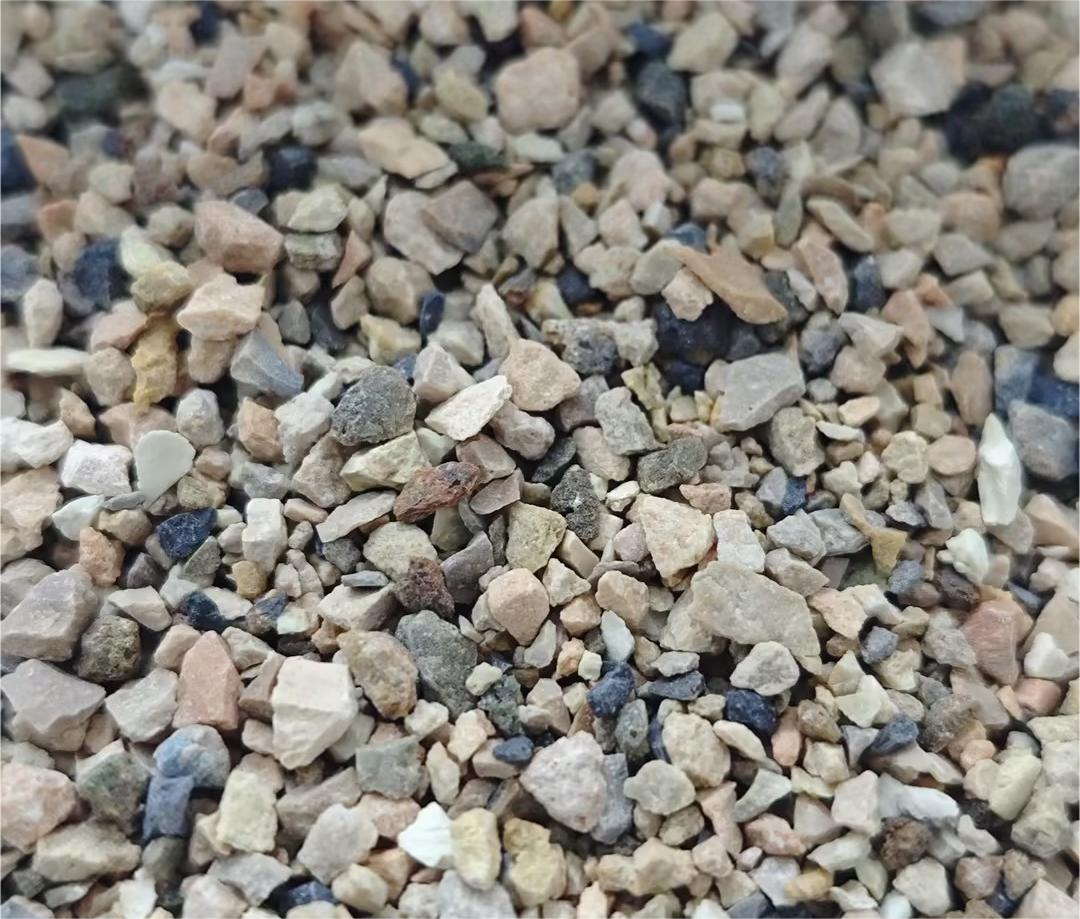
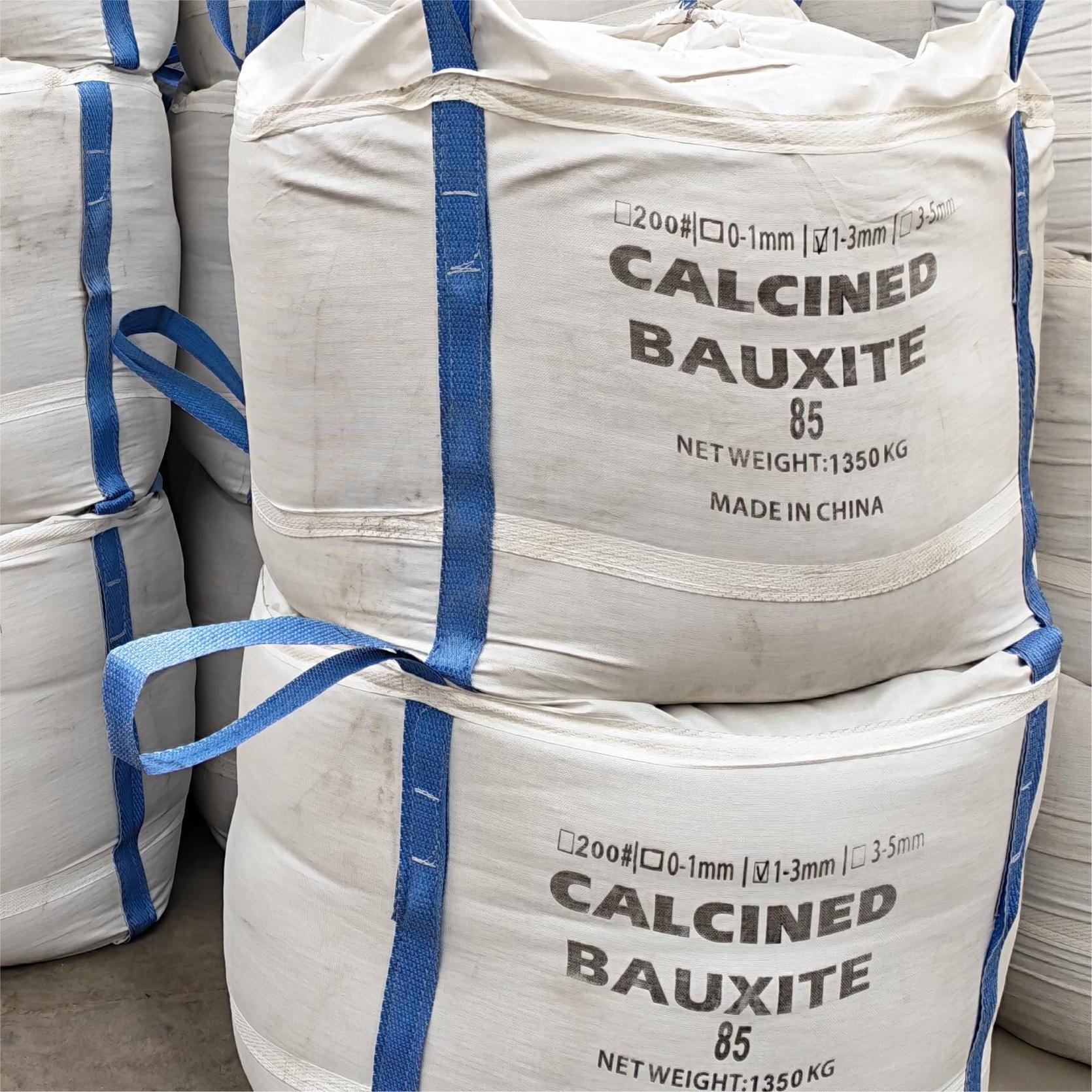
0-1mm 1-3mm 3-5mm 5-8mm
SEPPE BAUXITE
25083000
Cost-effective shaft calcined bauxite grit, engineered for refractory brick manufacturing and high‑temperature aggregate applications.
▸ Shaft calcined bauxite grit is produced by calcining high‑grade raw bauxite in a vertical shaft kiln at temperatures around 1500‑1600°C. The calcined material is then crushed, screened and precisely graded to produce angular, hard‑wearing grit. It is a cost‑effective aggregate widely used in refractory brick production, castables and other high‑temperature applications where a consistent, reliable filler is required.
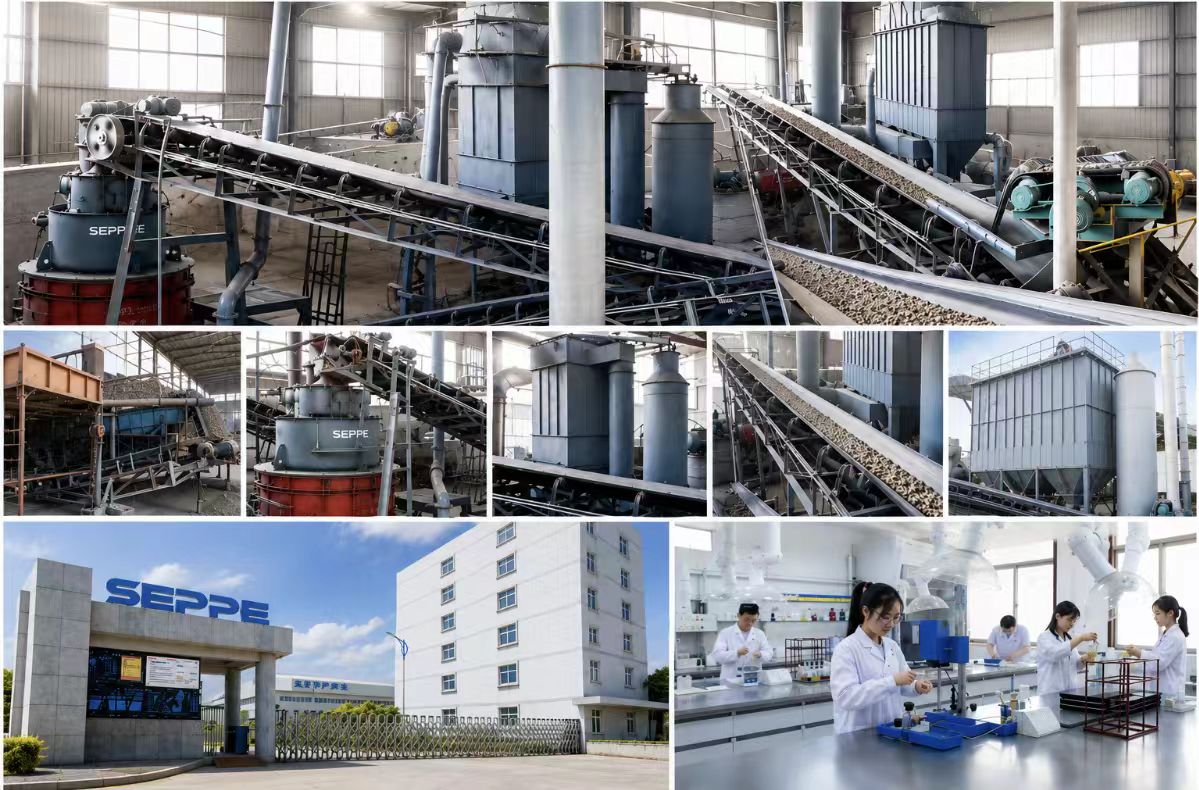
▸ From bauxite ore to finished sand, every stage is controlled to ensure consistent quality:

01 — Raw Material & Supply · Own mines, Al₂O₃ ≥ 65%
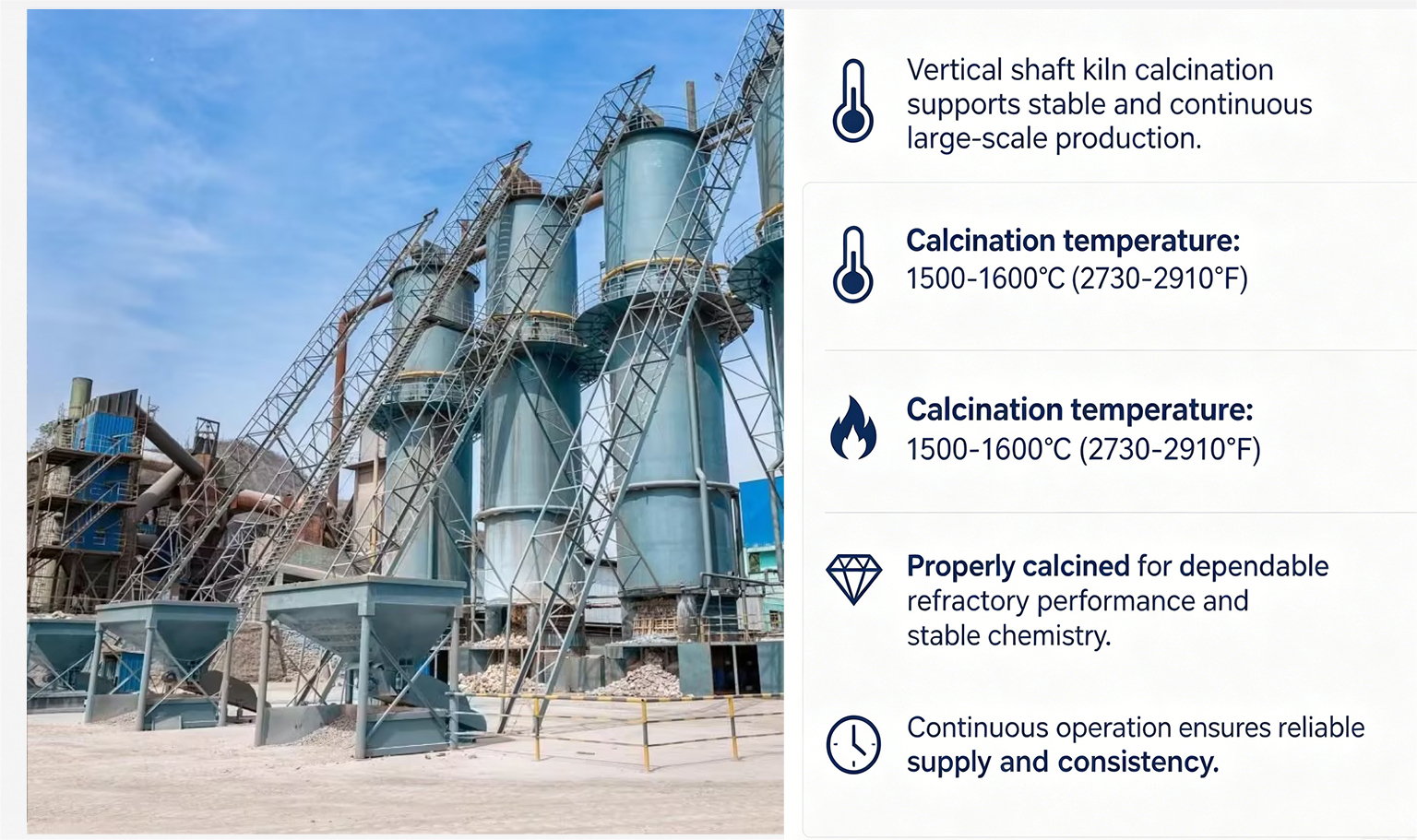
02 — Calcination Process · Rotary kiln at 1450–1550°C
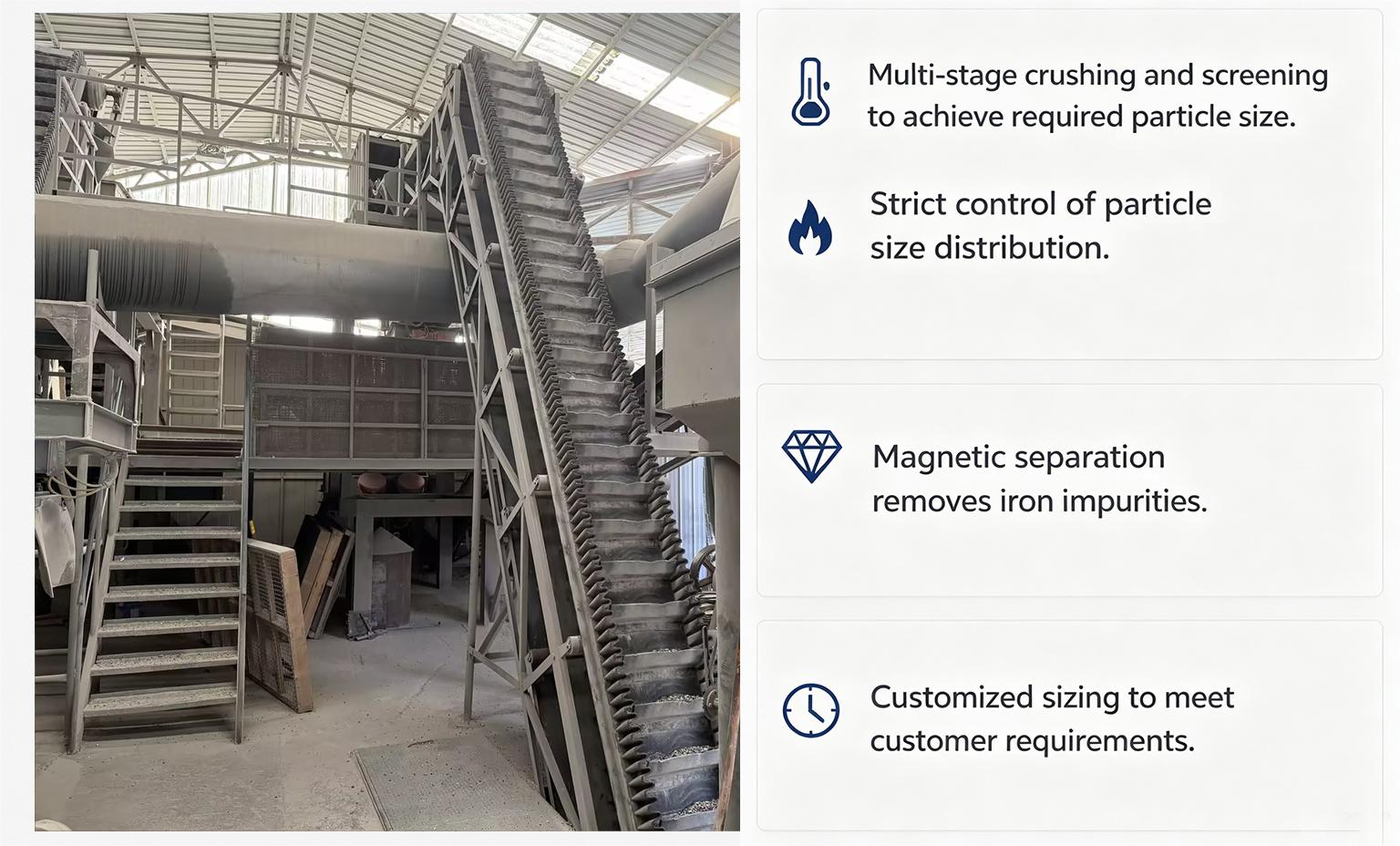
03 — Processing & Grading · Crushing, screening & magnetic separation
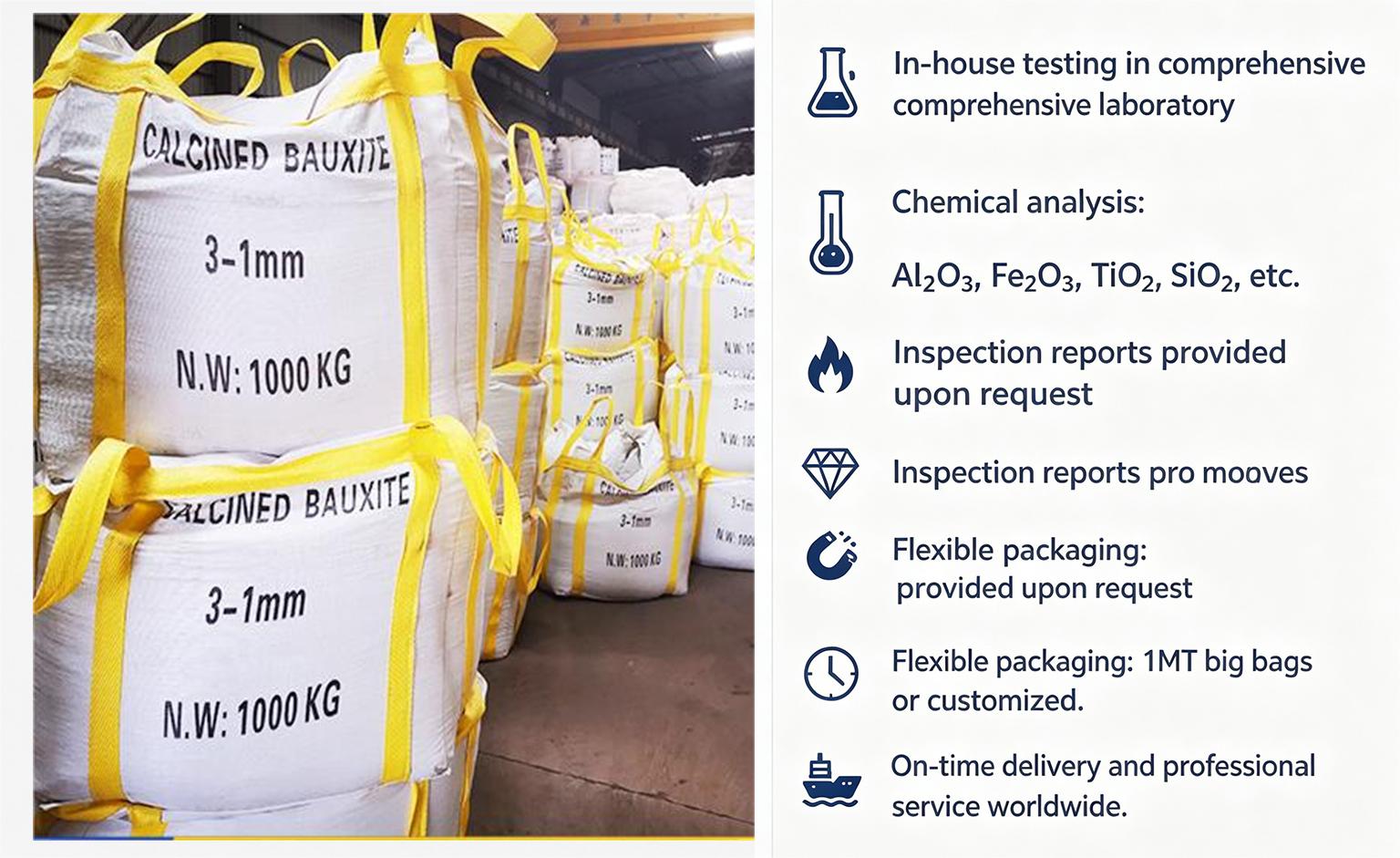
04 — Testing & Delivery · Full lab testing & global packaging
▸ The shaft kiln method offers distinct advantages for refractory brick grit production:
• Cost‑Effective Production — lower energy consumption and higher throughput reduce the cost per ton, making this an economical choice for large‑scale brick plants.
• Consistent Grit Quality — strict process control delivers stable chemistry and angular particle shape, essential for good bonding and compaction in pressed bricks.
• Good Density & Hardness — bulk density up to 3.25 g/cm³ and Mohs hardness 7.5‑9.0 ensure wear resistance and structural integrity in finished refractories.
• Wide Availability — produced in large volumes with stable supply, ideal for long‑term bulk contracts for brick manufacturers.
▸ XRF Chemical Analysis — every batch tested for Al₂O₃, Fe₂O₃, TiO₂, CaO, MgO, SiO₂ content
▸ Bulk Density Measurement — pycnometer method to verify specified density range
▸ Particle Size Distribution — laser diffraction and sieve analysis for accurate grit grading
▸ Magnetic Separation Inspection — removal of iron contamination to meet premium specifications
▸ Batch Traceability — full documentation from raw ore source to shipping container
▸ Wide Alumina Range — available from 75% to 90% Al₂O₃ to match specific brick formulation requirements.
▸ Optimised Particle Shape — angular grit provides excellent mechanical interlock in pressed bricks, improving green strength and final density.
▸ High Refractoriness — withstands service temperatures up to 1770°C without deformation.
▸ Low Impurity Levels — carefully controlled iron, alkali and moisture content minimises unwanted reactions in high‑temperature service.
▸ Flexible Sizing — standard and custom grit sizes available to suit different brick pressing and casting processes.
▸ Primary applications include: refractory bricks and shapes, monolithic castables, backup safety linings, foundry mould and core sands, and high‑temperature kiln car blocks.

| Chemical Composition | |
| Al₂O₃ | 75 - 90% |
| TiO₂ | 2 - 3% |
| SiO₂ | 6 - 18% |
| Fe₂O₃ | 0.5 - 2.5% |
| CaO | 0 - 0.4% |
| MgO | 0 - 0.2% |
| K₂O + Na₂O | 0 - 0.4% |
| Physical Properties | |
| Shape | Angular |
| LOI | 0.1 - 0.5% |
| Specific Gravity | 3.70 g/cm³ |
| Bulk Density | 2.80 - 3.25 g/cm³ |
| Hardness | 7.5 - 9.0 Mohs |
| Moisture Content | 0.1 - 0.3% |
| Refractoriness | ≥ 1770℃ |
| Regular Sizes | 0-1mm, 1-3mm, 3-5mm, 5-8mm, 25-50mm, custom cuts available |
| Grade | Al₂O₃ Content | Typical Brick Application |
| Economy Refractory | 75% Min | Fireclay bricks, backup linings |
| General Refractory | 80% Min | Medium‑duty bricks, cement kiln linings |
| Premium Refractory | 85% Min | High‑alumina bricks, ladle back‑up linings |
| Specialty / High‑End | 87-88% Min | Advanced ceramic bricks, kiln furniture |
▸ SEPPE controls the entire production chain — from high‑grade bauxite ore selection to shaft kiln calcination, precise crushing, screening and global logistics. Our quality assurance ensures every grit shipment meets the exacting demands of refractory brick manufacturers.
▸ With a supply network reaching over 40 countries and expert technical support, SEPPE helps brick plants and refractory producers reduce costs while maintaining stable, high‑quality output. Flexible packaging and OEM services are available.
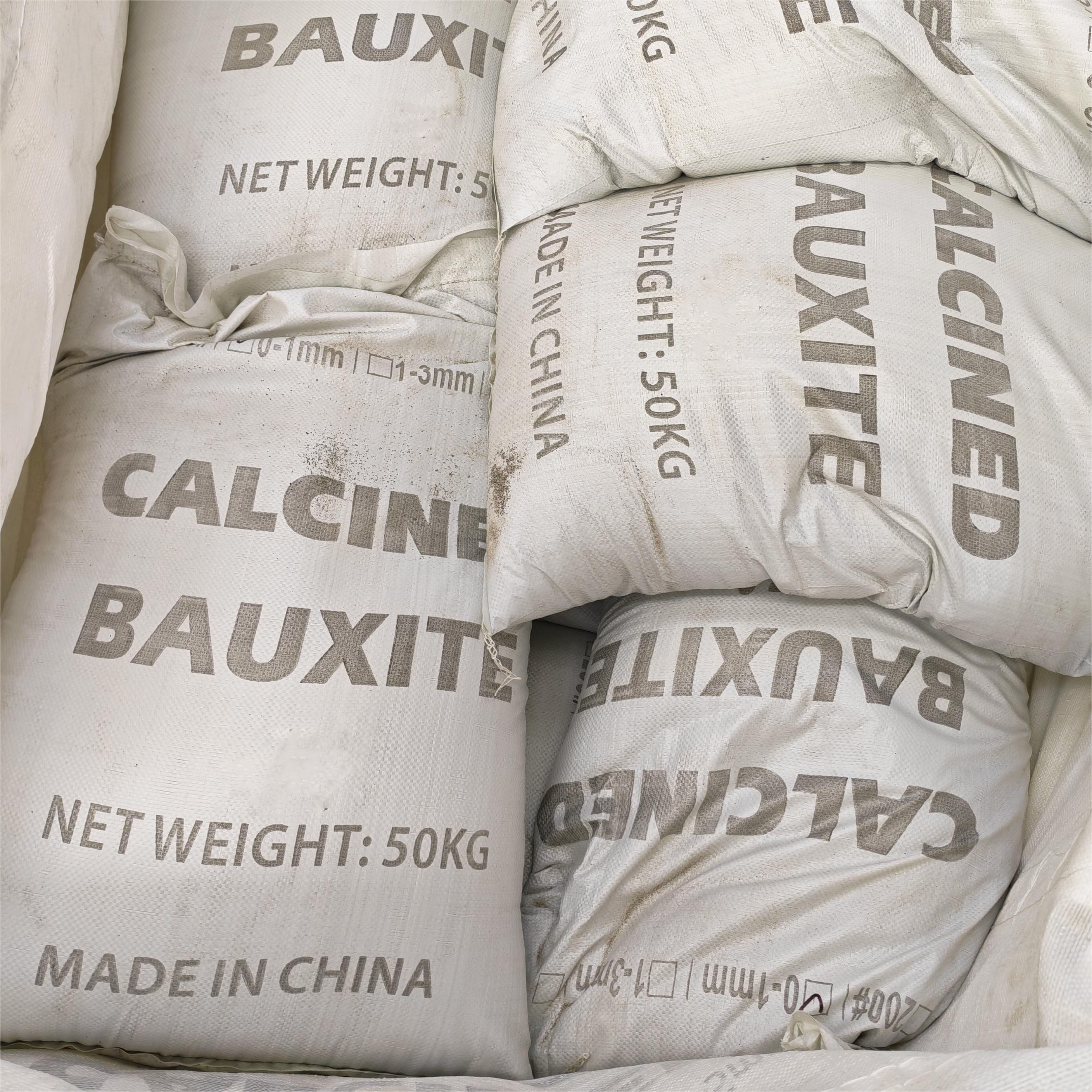
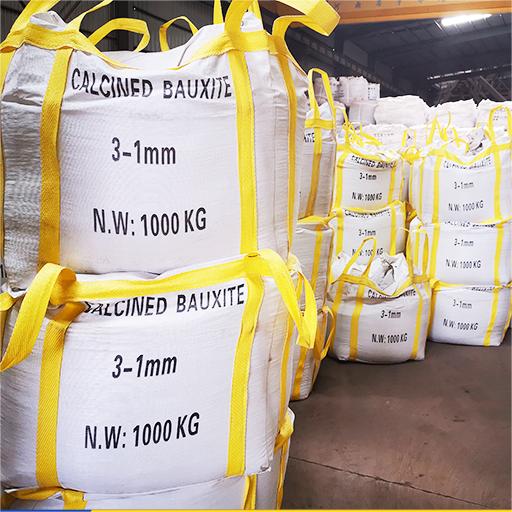
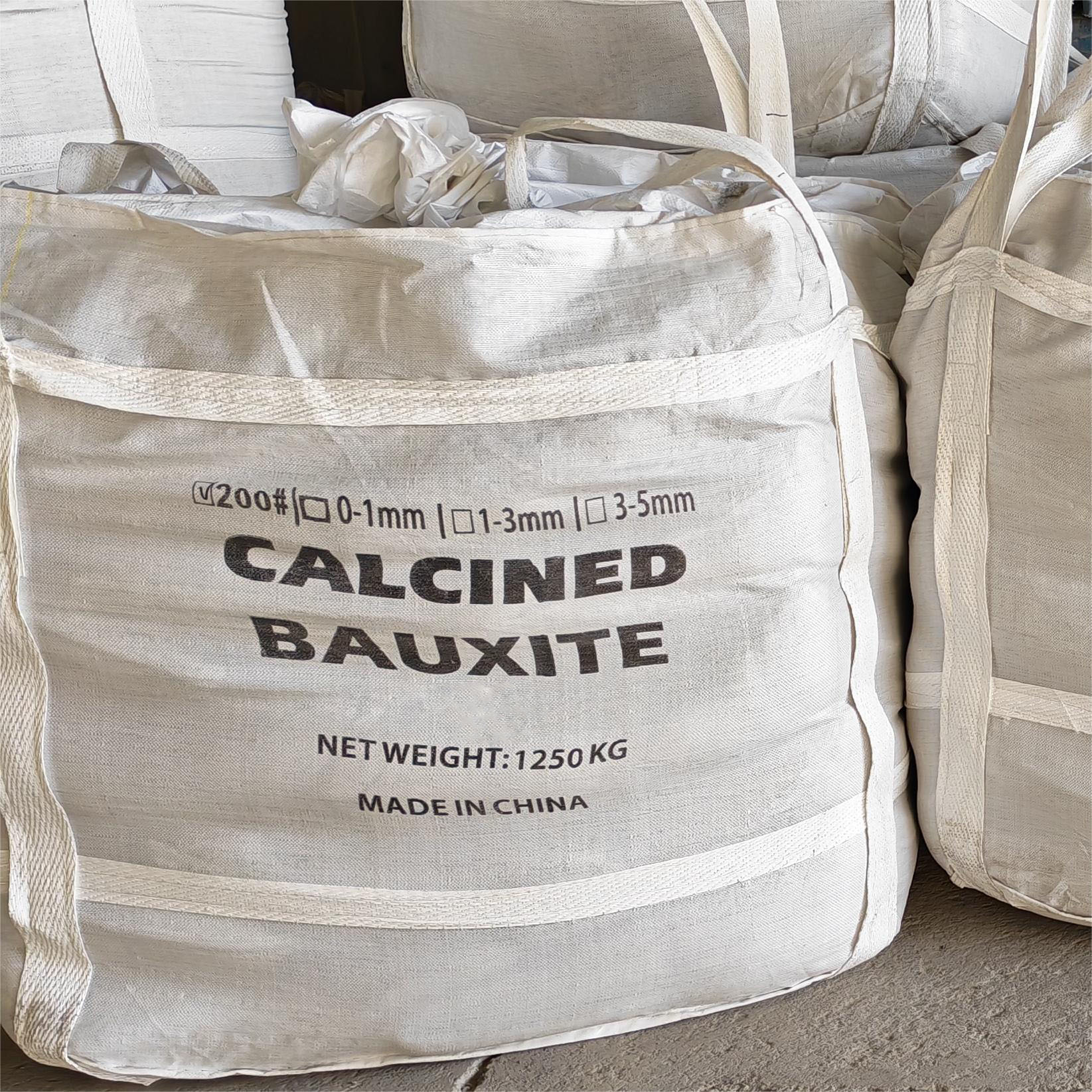
▸ 50 kg bags, 1 MT, 1.25 MT or 1.35 MT jumbo bags
▸ 20' FCL: approx 25-27 MT
▸ Private labeling and custom packaging available
▸ Yes. It is widely used in fireclay, medium‑alumina and high‑alumina bricks. The grit’s angular shape and consistent chemistry improve compaction and final brick strength.
▸ Typical fractions are 0‑1mm, 1‑3mm and 3‑5mm. We can also supply custom blends to match your specific pressing parameters.
▸ Shaft kiln bauxite offers a lower cost per ton and still delivers good density (2.80‑3.25 g/cm³) and refractoriness. Rotary kiln material provides slightly higher density and uniformity. Shaft kiln is an excellent choice for standard brick applications.
▸ Absolutely. Our standard range covers 75% to 90% Al₂O₃. Specific grades like 80%, 85% or 88% can be selected based on your application.
▸ Yes. With our own mining and processing facilities, we can guarantee stable supply and consistent quality for annual or multi‑year contracts.
▸ Yes. Free samples for lab evaluation, together with TDS, SDS and SGS test reports, are available upon request.
▸ Contact SEPPE for: • Free Samples • TDS / SDS Documents • OEM Packaging Options • Bulk Container Pricing
Request a QuoteRefractory Materials Calcined Kaolin Clay for Ceramics
High Alumina Grade Sintered Mullite
Brown Fused Alumina for Refractories
How Calcined Bauxite Is Manufactured
Calcined Bauxite for Refractory
How To Choose Anti-Skid Aggregate: Calcined Bauxite for Colored Anti-Skid Pavements