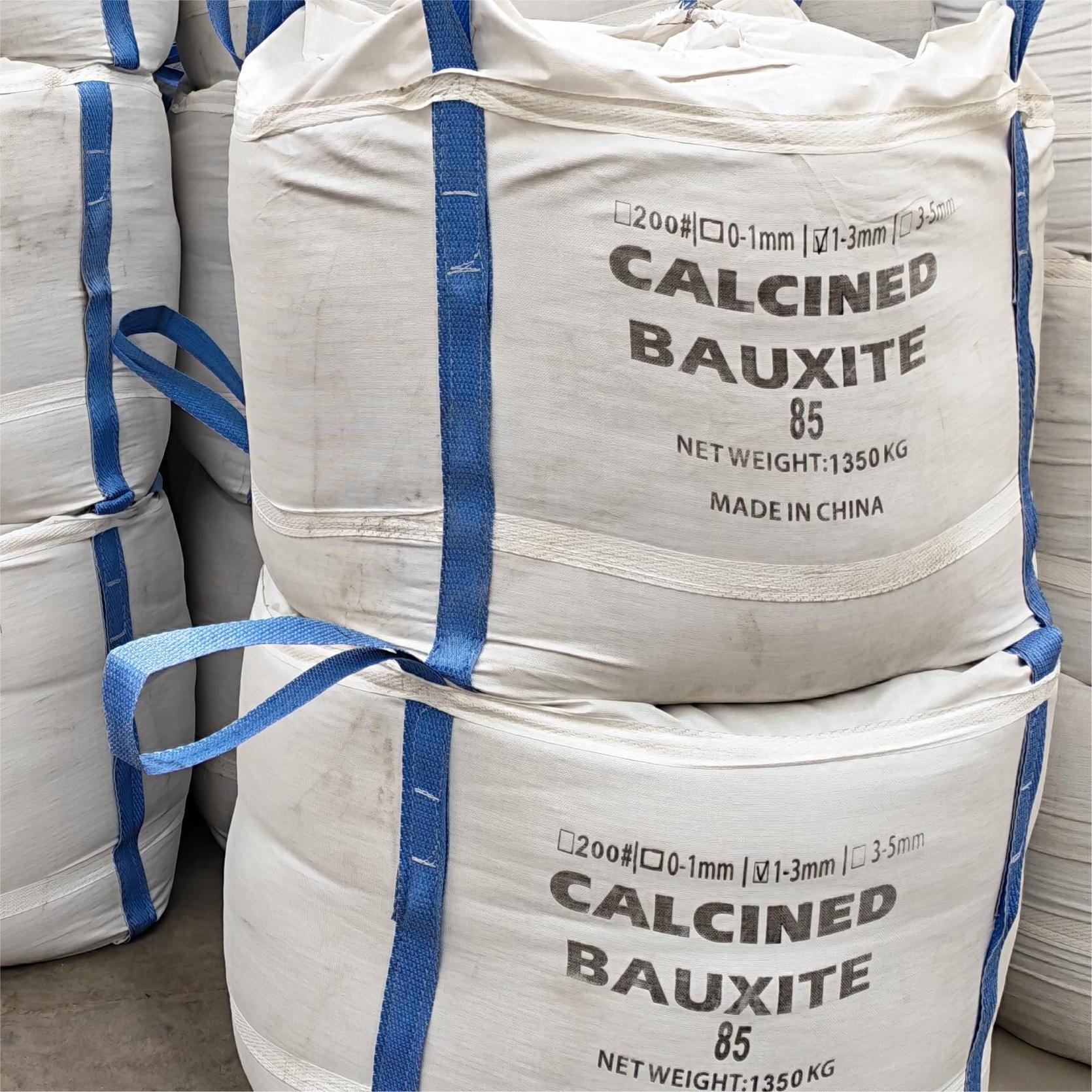
| Quantity: | |
|---|---|
0-1mm, 1-3mm, 3-5mm, 200M
SEPPE BAUXITE
2606000
▸ High‑quality calcined bauxite sand with angular grain shape, high refractoriness and excellent friction properties, designed for precision casting shells and high‑friction anti‑skid coatings.
▸ SEPPE bauxite sand is produced from high‑grade raw bauxite, calcined in a vertical shaft kiln, then crushed and precisely screened into angular grains. Its high refractoriness, hardness and mechanical strength make it an ideal shell‑building material for investment casting and a durable, high‑friction aggregate for anti‑skid road surfaces and industrial floor coatings. The grains retain a consistent chemistry with 75‑85% Al₂O₃ and low impurity levels.
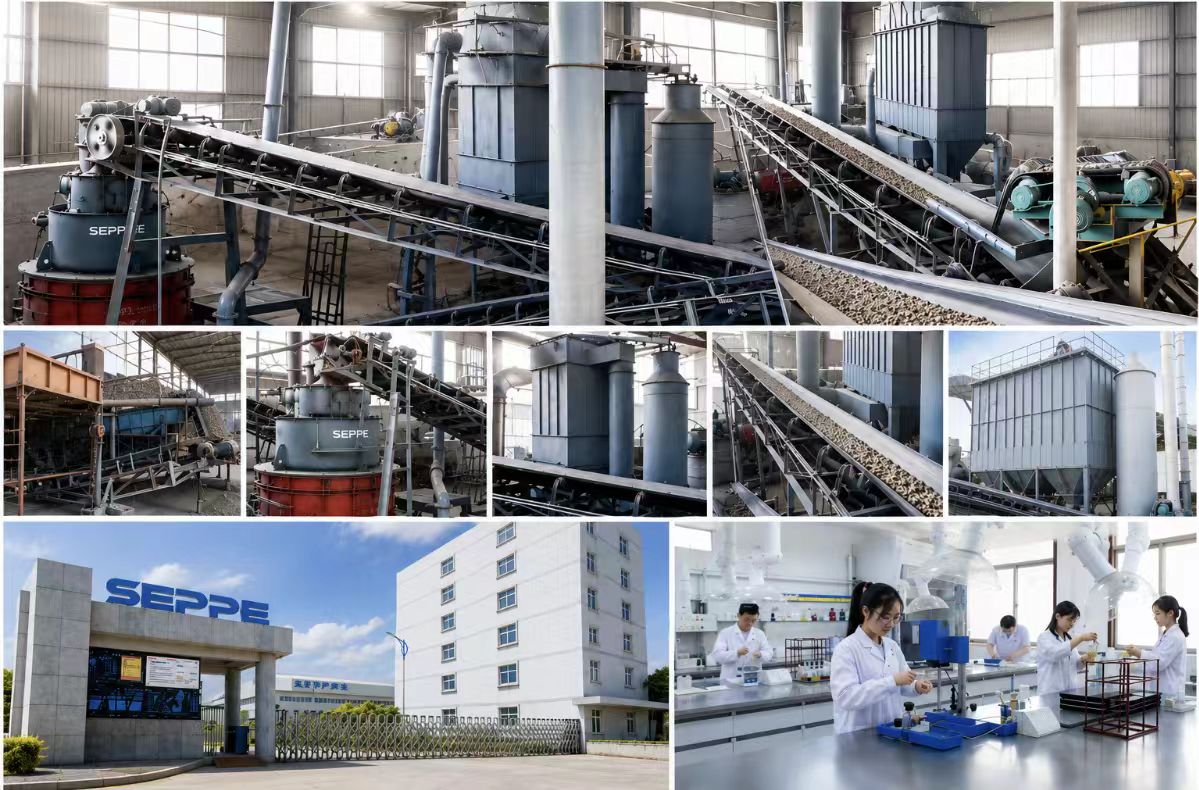
▸ From bauxite ore to finished sand, every stage is controlled to ensure consistent quality:

01 — Raw Material & Supply · Own mines, Al₂O₃ ≥ 65%
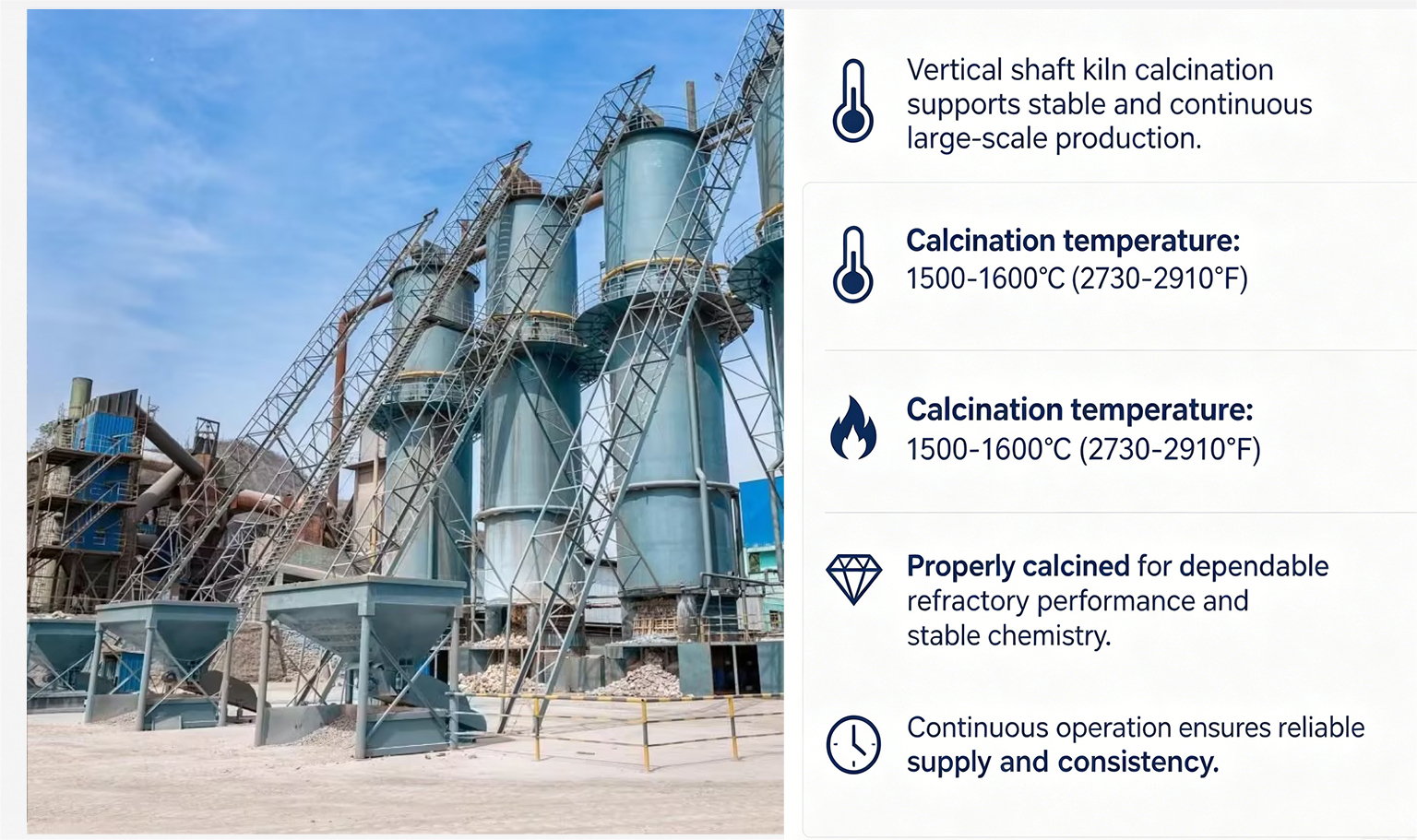
02 — Calcination Process · Rotary kiln at 1450–1550°C
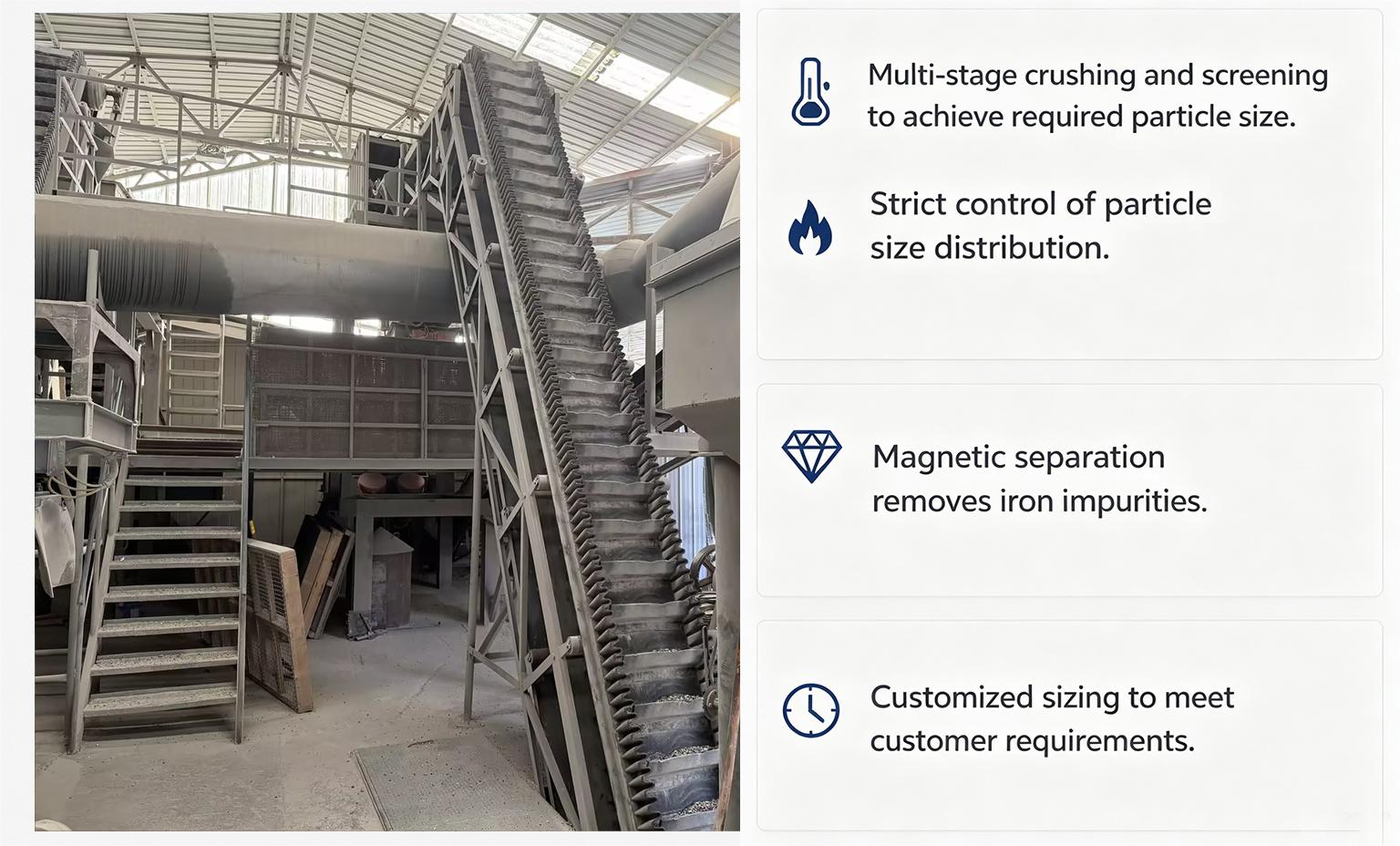
03 — Processing & Grading · Crushing, screening & magnetic separation
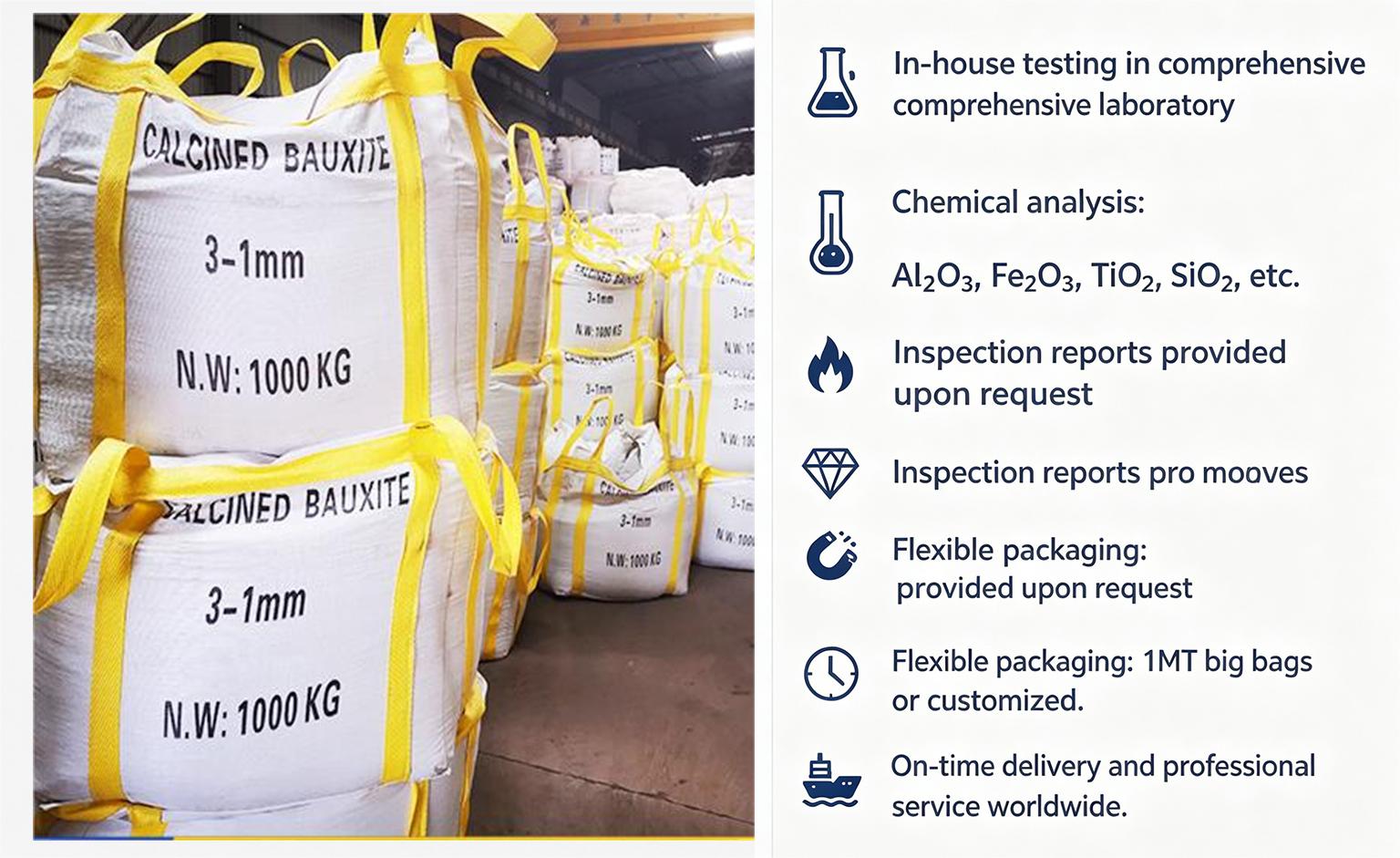
04 — Testing & Delivery · Full lab testing & global packaging
▸ The shaft kiln method ensures a dense, thoroughly calcined grain that translates into high strength and consistent properties for both precision casting and anti‑skid applications:
Dense Grain Structure — complete calcination yields a low‑porosity sand that resists crushing and breakdown in casting shells and under traffic wear.
Consistent Chemistry — stable kiln conditions preserve 75‑85% Al₂O₃ content, batch after batch, for predictable refractory and friction performance.
Excellent Shatter Resistance — angular grains maintain their sharp edges during handling and blasting, essential for both shell permeability and surface friction.
Reliable Volume Supply — integrated mining, calcining and sizing operations ensure long‑term availability of custom sieve cuts.
▸ XRF Chemical Analysis — every batch tested for Al₂O₃, Fe₂O₃, TiO₂, CaO, MgO
▸ Particle Size Distribution — sieve analysis to guarantee target mesh size and minimal oversize/undersize
▸ True Density Measurement — helium pycnometer method to confirm ≥3.65 g/cm³
▸ Moisture Content — controlled drying to ≤0.5% for flowability and storage stability
▸ Dust & Fines Check — stringent washing or air classification to keep<63 µm fines to a minimum
▸ For Precision Casting: Angular grains lock together to build a strong shell with good permeability; high refractoriness (≥1770℃) resists thermal shock when pouring steel or superalloys.
▸ For High‑Friction Coatings: Sharp, hard grains provide an exceptionally high polished stone value (PSV) and skid resistance, ideal for anti‑skid road surfaces, bridge decks, and industrial floors.
▸ High Strength & Low Wear — Mohs hardness ~8‑9 and low crushing rate ensure durability under repeated thermal cycles or heavy traffic.
▸ Low Dust & Clean Surface — carefully washed and sized to reduce fines, improving binder adhesion in coatings and shell build in casting.
▸ Versatile Particle Sizes — available from fine casting sands (30‑80 mesh) to coarse anti‑skid chips (1‑3 mm), all from the same high‑alumina raw material.

▸ PRECISION INVESTMENT CASTING
Used as stucco sand for ceramic shell moulds in the lost wax process, providing high refractoriness and excellent permeability for steel, stainless steel and superalloy castings. Typical mesh sizes: 30‑50, 50‑80, 70‑140 mesh.
▸ HIGH‑FRICTION ANTI‑SKID COATINGS
Broadcast onto epoxy, polyurethane or MMA resin systems to create extremely skid‑resistant surfaces for highways, bridge decks, pedestrian crossings, helipads, and industrial flooring. Typical sizes: 1‑3 mm, 2‑4 mm.
▸ REFRACTORY CASTABLES & MORTARS
Coarser fractions serve as aggregate in high‑alumina castables and ramming mixes for furnace linings, ladles, and tundishes, complementing the finer powder grades.
▸ FOUNDRY COATINGS & RESIN‑BONDED SANDS
Used as a high‑density filler in foundry coatings and air‑set resin sand systems to improve burn‑on resistance and surface finish.
▸ DECORATIVE & SAFETY SURFACING
Natural grey‑brown colour can be tinted or used as is in decorative anti‑slip surfaces around pools, parks, and garages.
| Chemical Composition | |
| Al₂O₃ | 75 - 85% |
| Fe₂O₃ | 0.5 - 2.5% |
| TiO₂ | 2.0 - 4.0% |
| SiO₂ | 6 - 18% |
| CaO + MgO | ≤ 0.6% |
| K₂O + Na₂O | 0 - 0.4% |
| Physical Properties | |
| Grain Shape | Angular, sharp edges |
| Available Sizes | 200 mesh;0-1mm, 1‑3 mm, 3‑5 mm (custom cuts available) |
| True Density | ≥ 3.65 g/cm³ |
| Bulk Density | ~1.8‑2.1 g/cm³ (depending on size) |
| Mohs Hardness | 8 - 9 |
| Moisture Content | ≤ 0.5% |
| Refractoriness | ≥ 1770℃ |
| Appearance | Grey to brownish angular grains |
| Grade / Type | Typical Particle Size | Al₂O₃ Content | Primary Application |
| Casting Sand (Fine) | 30‑80 mesh, 70‑140 mesh | 80% Min | Investment casting stucco, shell building |
| Casting Sand (Medium) | 20‑40 mesh, 30‑50 mesh | 85% Min | Backup stucco, resin‑bonded foundry sand |
| Anti‑Skid Coarse | 1‑3 mm, 2‑4 mm | 75‑80% Min | High‑friction road surfaces, anti‑skid floors |
| Refractory Aggregate | 3‑5 mm, 5‑8 mm (or custom) | 85% Min | High‑alumina castables, furnace linings |
▸ SEPPE controls the entire process from bauxite ore mining to calcination, crushing, screening and final packaging. This vertical integration ensures every ton of bauxite sand meets strict specifications for grain shape, cleanliness, and chemistry—whether it is used to build a ceramic shell for a turbine blade or to create a high‑friction pedestrian crossing.
▸ With customers in over 40 countries, we provide consistent quality, flexible logistics (25 kg bags to bulk shipments), and complete technical documentation including TDS, SDS and independent test reports.
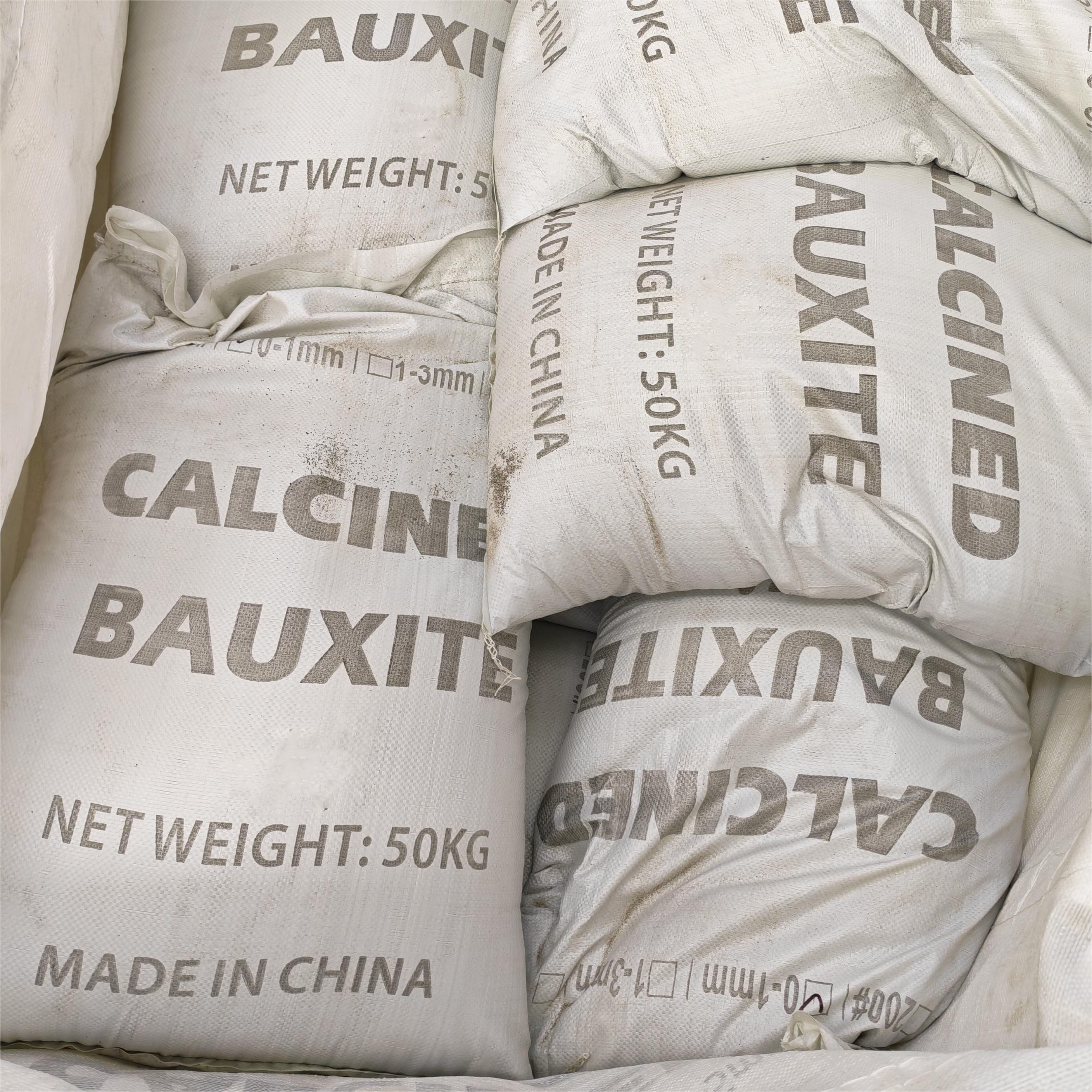
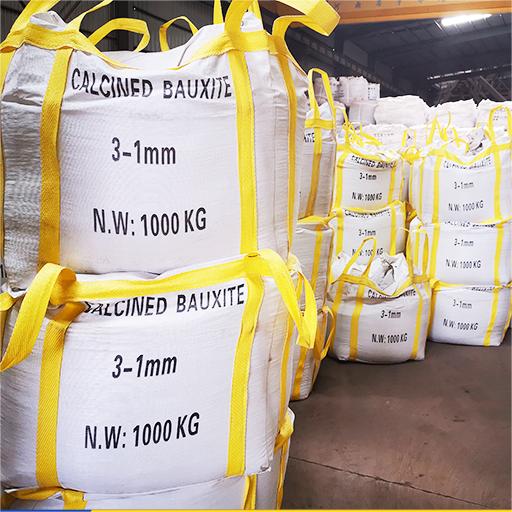
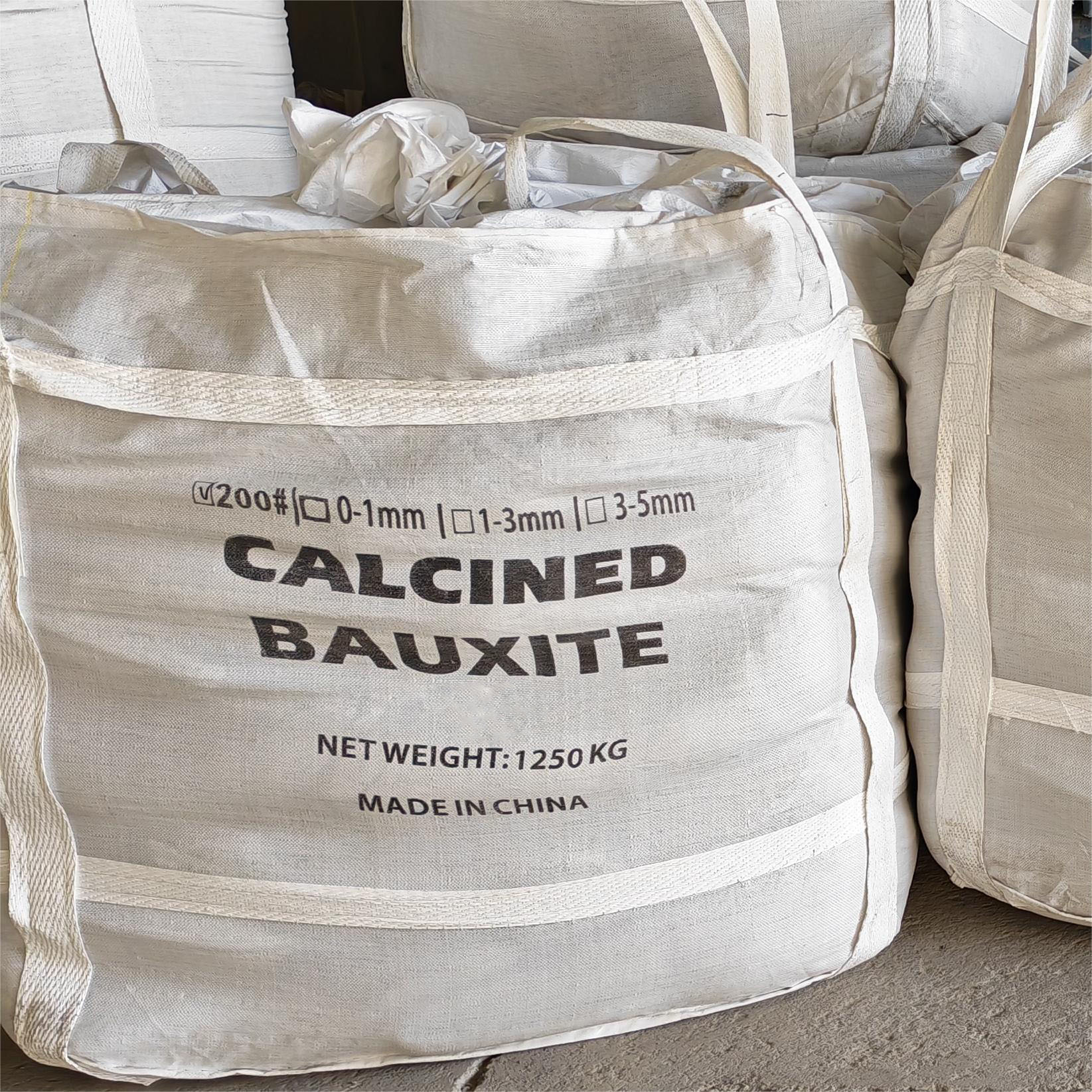
▸ 25 kg multi‑wall paper bags, 50 kg bags, 1 MT jumbo bags
▸ 20' FCL: approx 25‑27 MT (palletized or bulk bags)
▸ Private labeling and custom packaging available
▸ The most common sizes are 30‑50, 50‑80, and 70‑140 mesh. We can also produce custom cuts to match your slurry system and shell build requirements.
▸ Its angular, hard grains achieve a very high polished stone value (PSV ≥60‑65) when tested, making it one of the best aggregates for anti‑skid resin systems. The 1‑3 mm and 2‑4 mm fractions are ideal for broadcasting onto epoxy or MMA surfaces.
▸ Yes. We wash and/or air‑classify the finished product to minimise fines (≤63 µm). This ensures better coating adhesion and less dust generation during handling.
▸ Absolutely. Free laboratory samples for investment casting trials and friction performance evaluation are available on request.
▸ Bauxite sand offers a cost‑effective alternative with excellent refractoriness (≥1770℃) and good thermal stability, while fused alumina provides slightly higher density and purity. Many foundries use bauxite sand for backup stucco layers to optimise cost without compromising shell strength.
▸ Yes. TDS (Technical Data Sheet), SDS (Safety Data Sheet) and independent SGS/Intertek reports are available for every grade.
▸ Contact SEPPE for: • Free Casting/Anti‑Skid Samples • TDS / SDS Documents • OEM Packaging • Container Quotes
Request a QuoteRefractory Materials Calcined Kaolin Clay for Ceramics
High Alumina Grade Sintered Mullite
Brown Fused Alumina for Refractories
How Calcined Bauxite Is Manufactured
Calcined Bauxite for Refractory
How To Choose Anti-Skid Aggregate: Calcined Bauxite for Colored Anti-Skid Pavements