| Quantity: | |
|---|---|
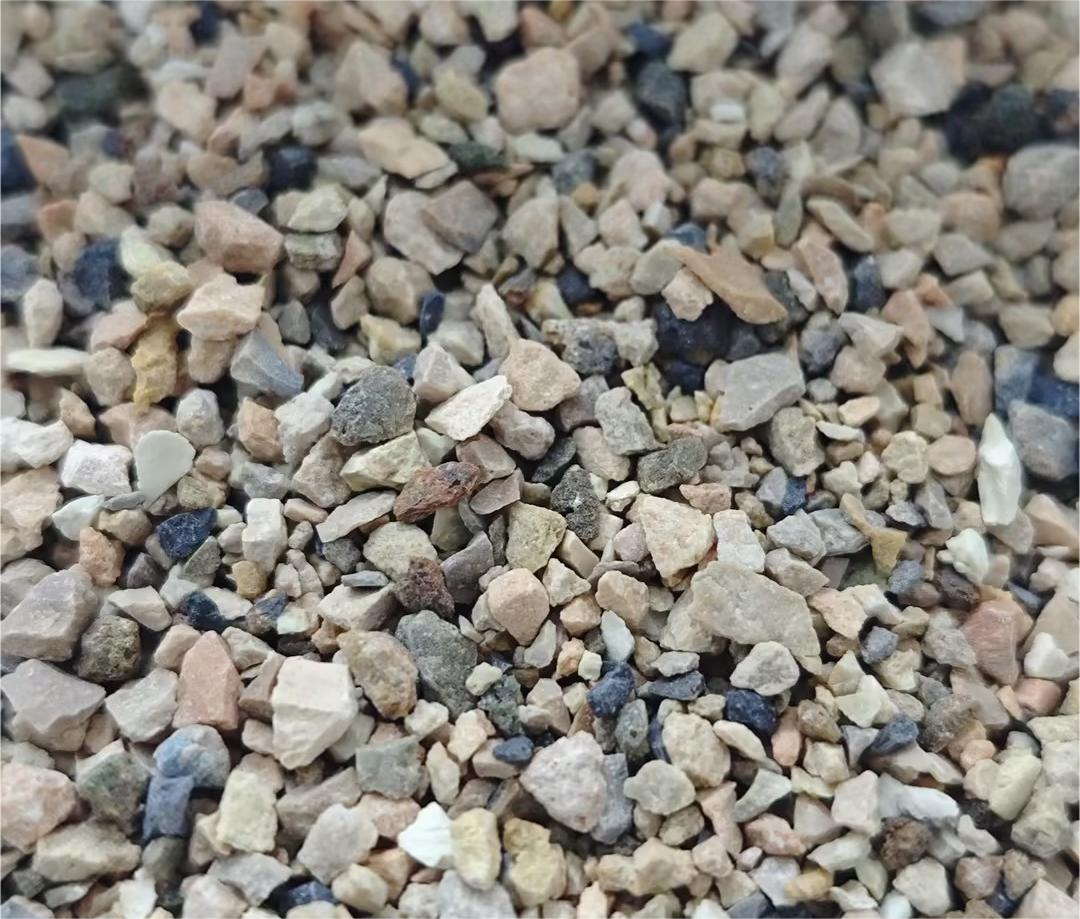
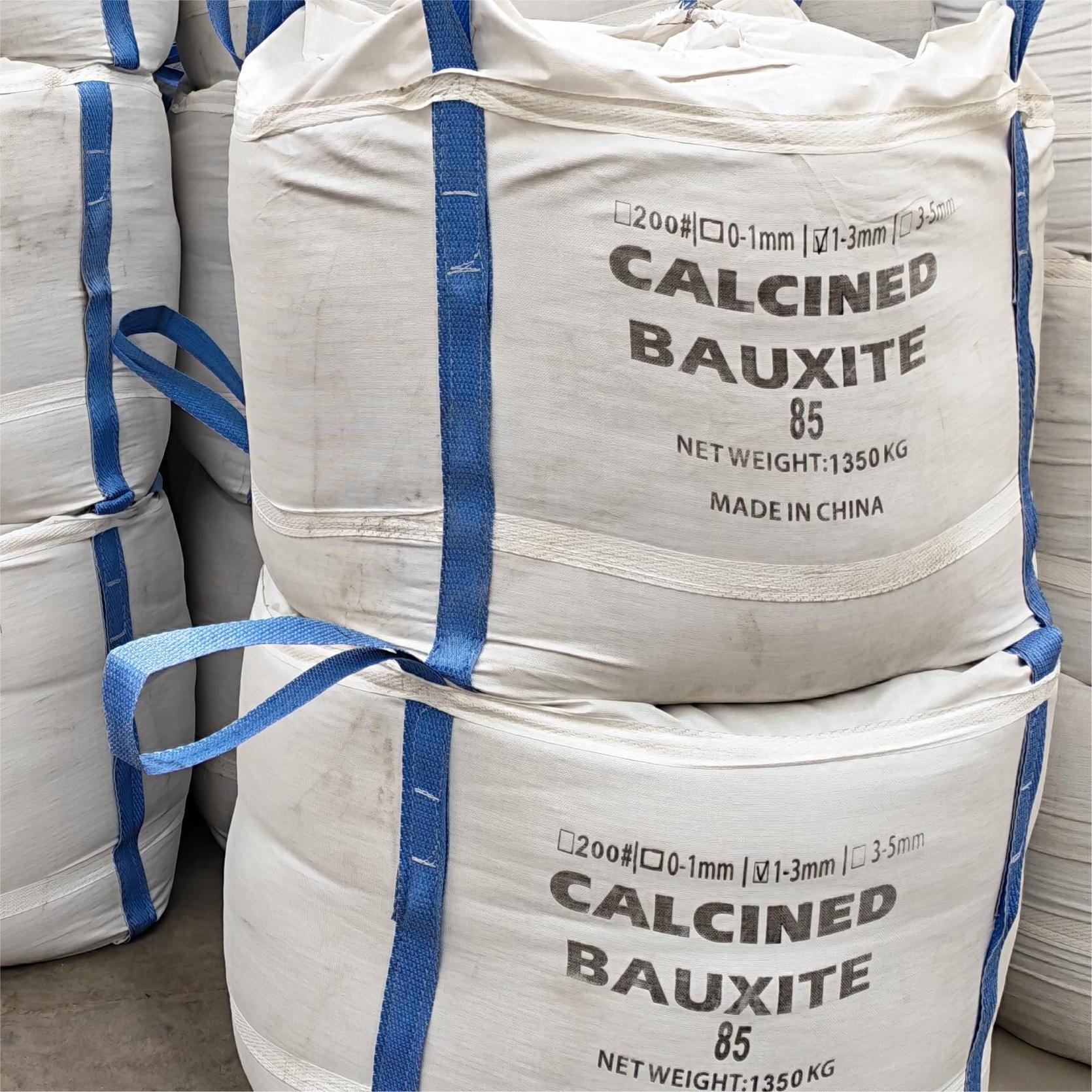
1-3mm
SEPPE BAUXITE
25083000
Premium calcined bauxite aggregate with exceptionally high Polished Stone Value (PSV), engineered for long‑lasting skid resistance on high‑traffic roads.
▸ High PSV (Polished Stone Value) bauxite aggregate is a specially selected and calcined bauxite that exhibits outstanding resistance to polishing under traffic. Produced in vertical shaft kilns, it combines high alumina content, extreme hardness, and a durable micro‑texture that maintains skid resistance throughout its service life. It is the preferred aggregate for high‑friction road surfacing, bridge decks, airport runways, and coloured asphalt systems.
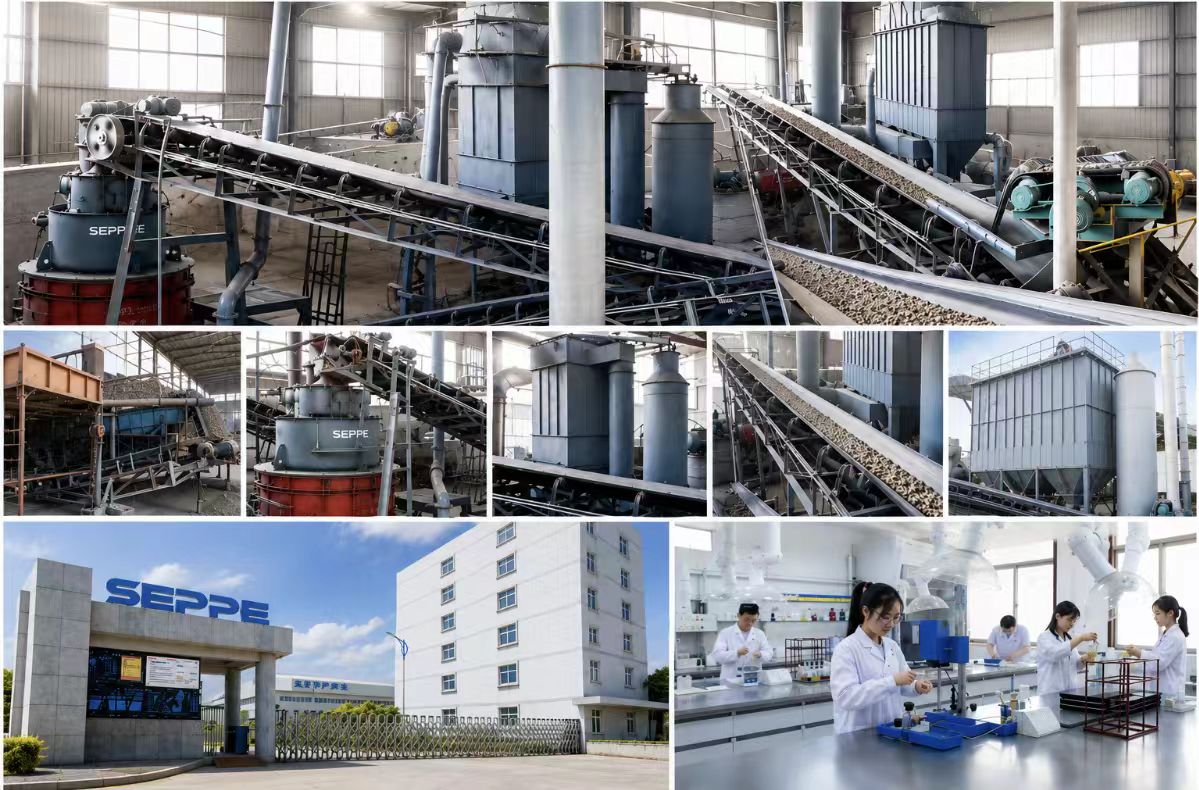
▸ From bauxite ore to finished sand, every stage is controlled to ensure consistent quality:

01 — Raw Material & Supply · Own mines, Al₂O₃ ≥ 65%
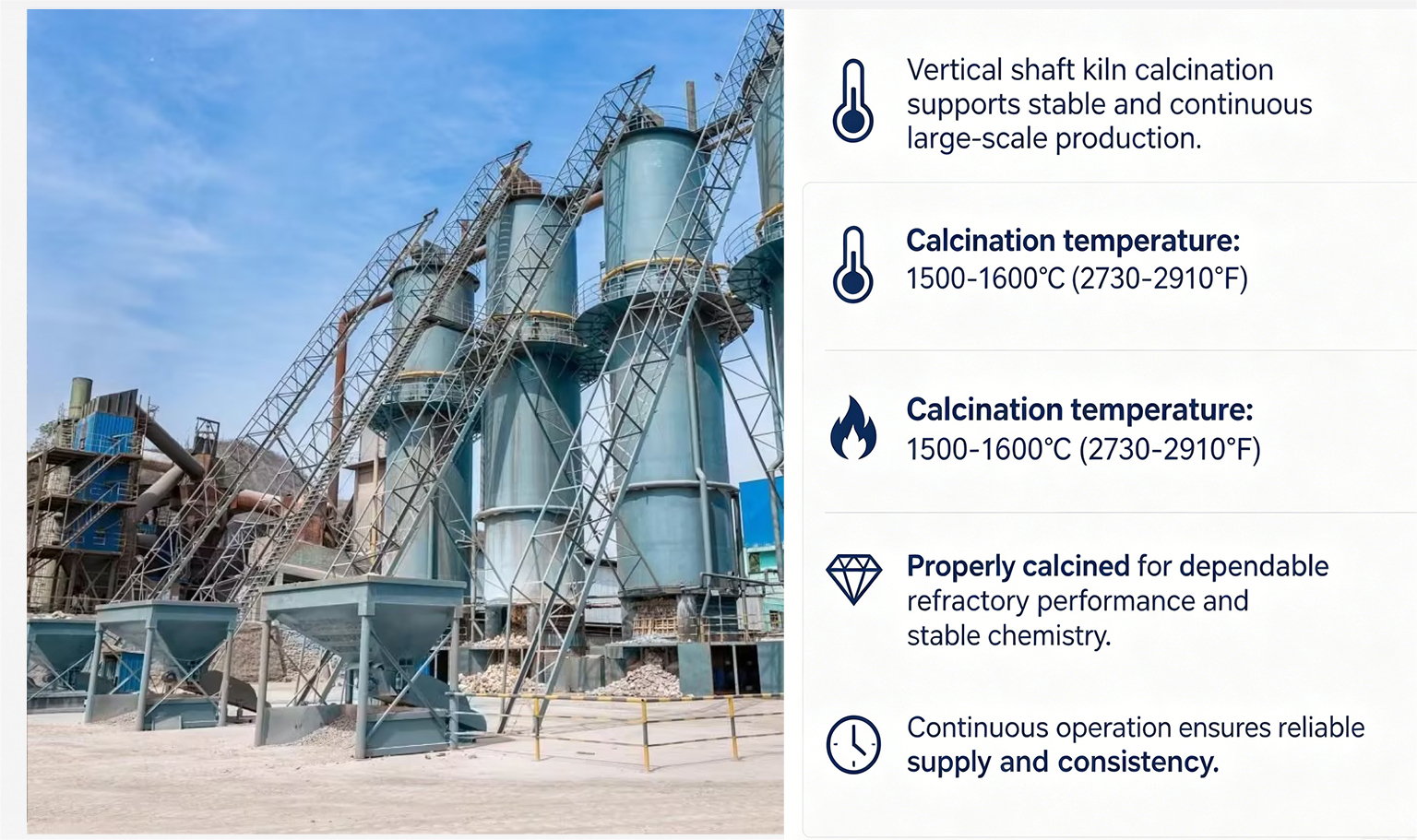
02 — Calcination Process · Rotary kiln at 1450–1550°C
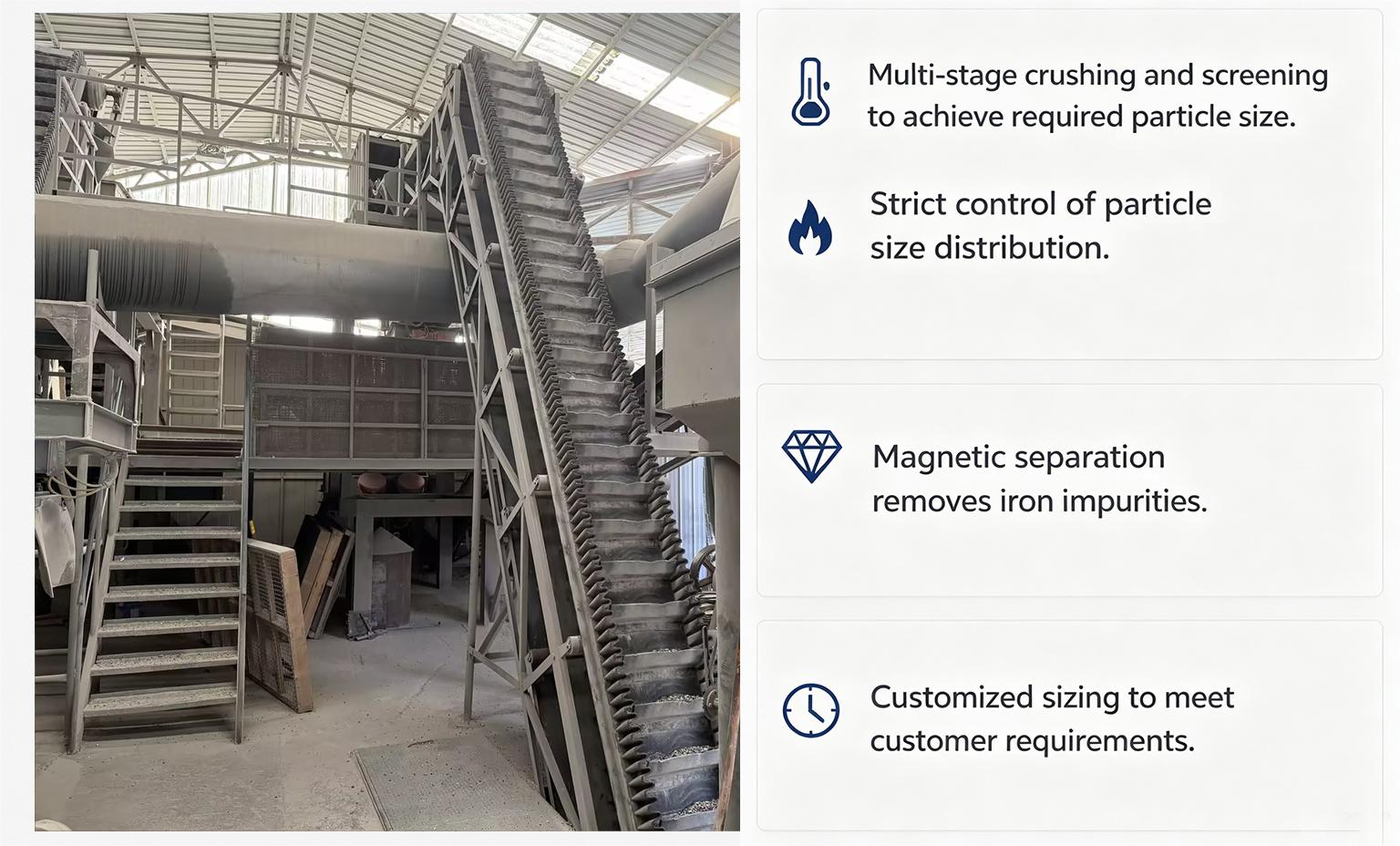
03 — Processing & Grading · Crushing, screening & magnetic separation
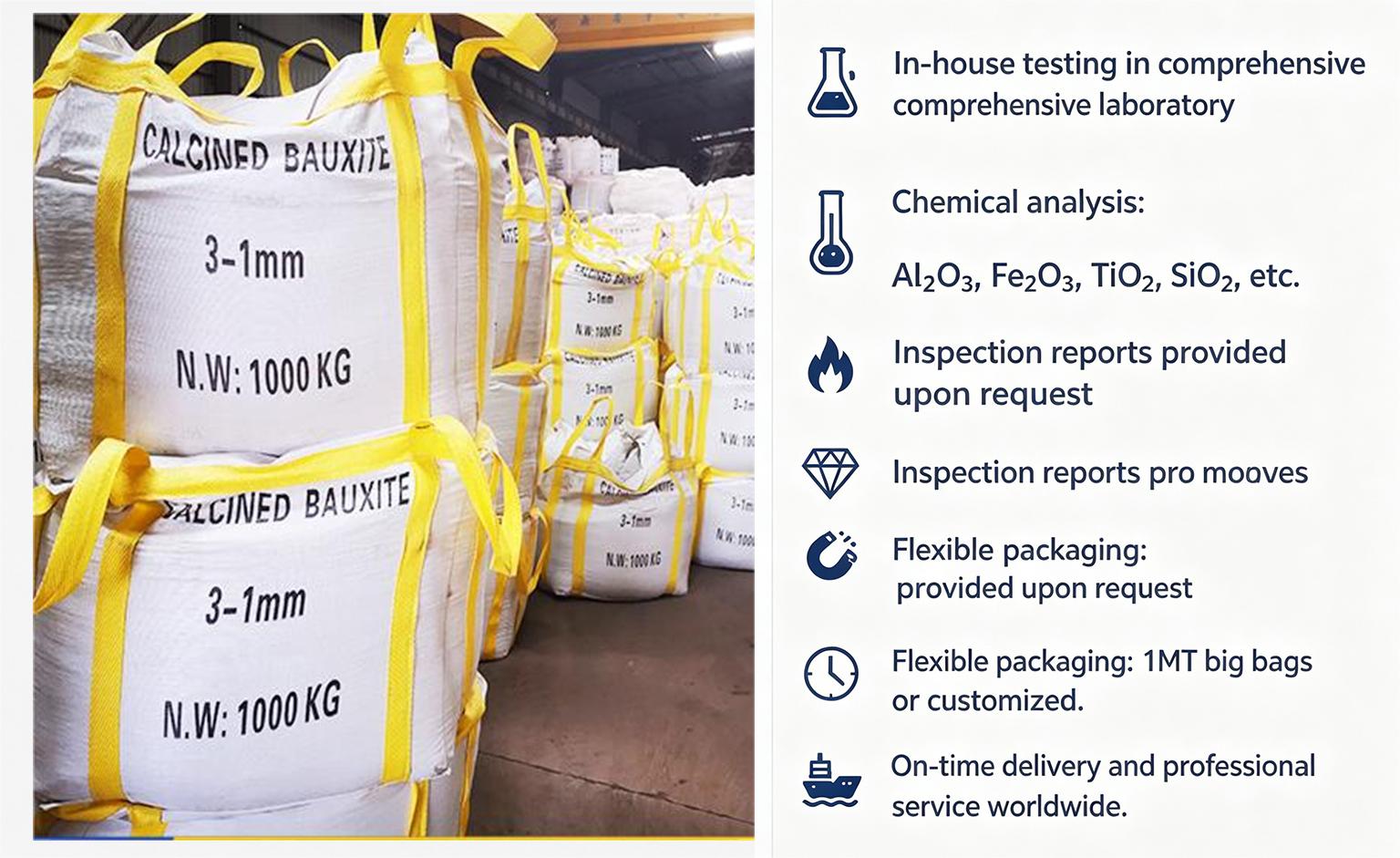
04 — Testing & Delivery · Full lab testing & global packaging
▸ Shaft kiln calcination delivers the hard, dense structure required for superior polishing resistance, at a cost‑effective price point:
• Consistent Hardness — stable calcination ensures every particle possesses the necessary hardness to resist abrasion and polishing.
• Cost‑Effective for Large Volumes — lower energy consumption than rotary kilns keeps the aggregate price competitive for major road projects.
• Proven Micro‑texture — the slightly rougher surface texture of shaft kiln bauxite enhances initial and retained skid resistance.
• Steady Supply — fully integrated operations guarantee availability for long‑term highway maintenance contracts.
▸ PSV (Polished Stone Value) — tested in accordance with EN 1097‑8, typical results ≥58
▸ AAV (Aggregate Abrasion Value) — tested per EN 1097‑8, consistently ≤2.5
▸ Los Angeles Abrasion — ASTM C131 / EN 1097‑2, typically ≤15%
▸ Flakiness & Shape — particle shape monitored to ensure a cubical, high‑friction surface texture
▸ Chemical Analysis — XRF control of Al₂O₃, Fe₂O₃, and alkali content to guarantee durability
▸ Batch Traceability — from raw ore to delivered aggregate, full documentation is maintained
▸ Outstanding Skid Resistance — high PSV (>58) provides excellent grip in wet and dry conditions, reducing accident risk.
▸ Low Polishing — the exceptionally hard and micro‑textured surface resists polishing even under heavy traffic, maintaining long‑term friction.
▸ High Abrasion Resistance — low AAV and LA values translate to minimal wear, extending pavement life and reducing maintenance.
▸ Thermal & Chemical Stability — resistant to fuels, de‑icing salts, and temperature extremes, ideal for bridges and airfields.
▸ Customised Sizing — available in standard fractions (e.g. 2‑4 mm, 3‑5 mm, 5‑8 mm) with excellent cubic shape for high‑friction surface dressing.
▸ High‑friction surface dressing, bridge deck and elevated road surfaces, airport runways and taxiways, coloured anti‑skid pedestrian walkways, and high‑stress roundabout approaches.
| Chemical Composition | |
| Al₂O₃ | ≥ 80% (typically 82‑85%) |
| Fe₂O₃ | ≤ 2.0% |
| TiO₂ | 2.5‑3.5% |
| CaO + MgO | ≤ 0.6% |
| K₂O + Na₂O | ≤ 0.4% |
| Physical Properties | |
| PSV (Polished Stone Value) | ≥ 58 |
| AAV (Aggregate Abrasion Value) | ≤ 2.5 |
| Los Angeles Abrasion Loss | ≤ 15% |
| Bulk Density | ≥ 3.20 g/cm³ |
| Water Absorption | ≤ 1.0% |
| Flakiness Index | ≤ 20 |
| Typical Sizes | 0-1 mm, 1-3 mm, 3-5 mm, other cuts on request |
| Grade | PSV (Typical) | Typical Application |
| Standard High‑Friction | 58‑60 | Surface dressing on A‑roads and roundabouts |
| Premium Anti‑skid | 62‑65 | Motorway approaches, high‑stress junction areas |
| Coloured / Decorative | ≥58 | Coloured cycle lanes, bus lanes, pedestrian zones |
▸ SEPPE mines and processes bauxite specifically for high‑friction surfacing. Our shaft‑kiln calcination and rigorous quality control ensure a consistent PSV above 58, low abrasion, and excellent durability. We have supplied major road‑safety schemes across Europe, Asia, and the Middle East.
▸ With flexible logistics, bagging options, and technical advice on aggregate blending, SEPPE supports highway agencies and contractors from specification to installation.
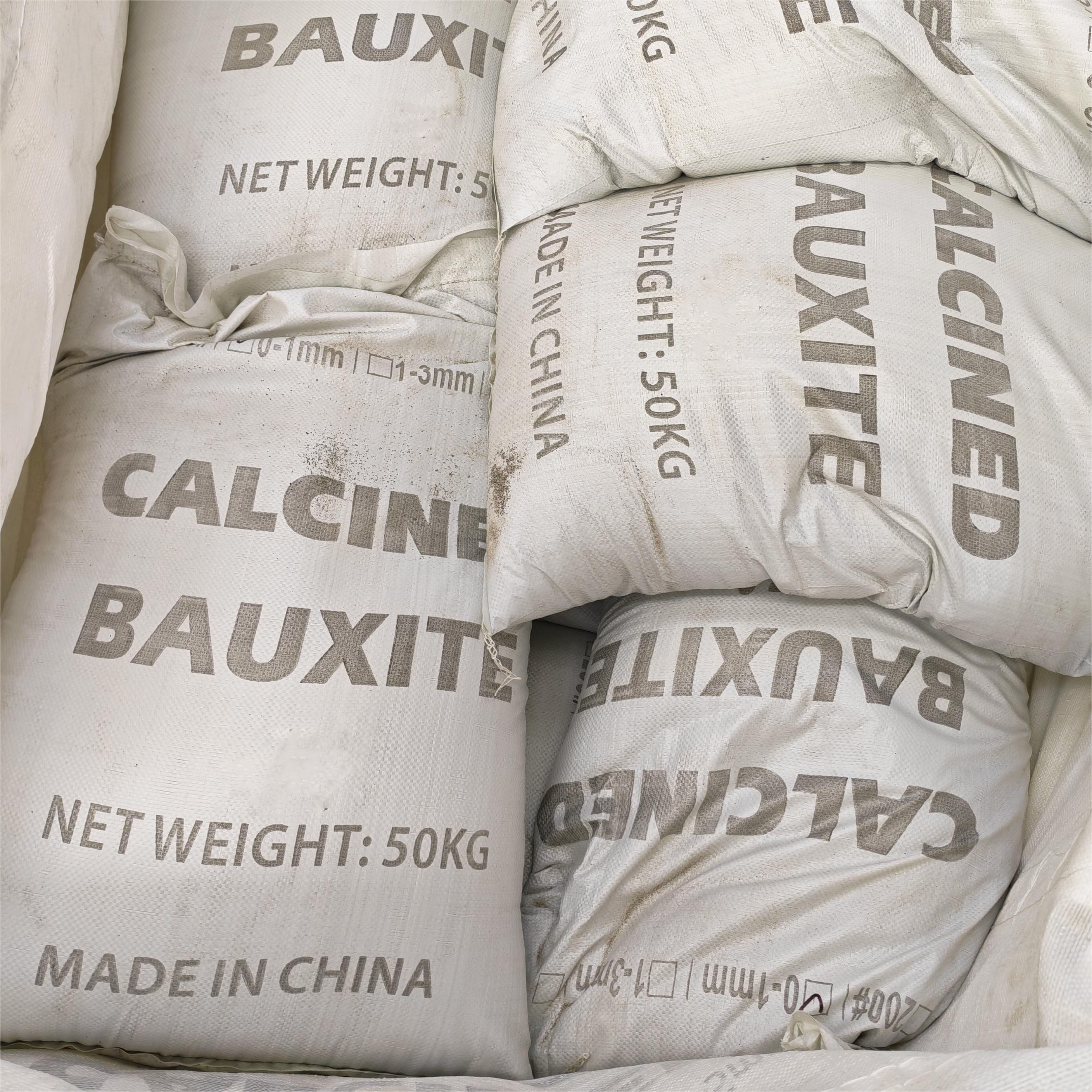
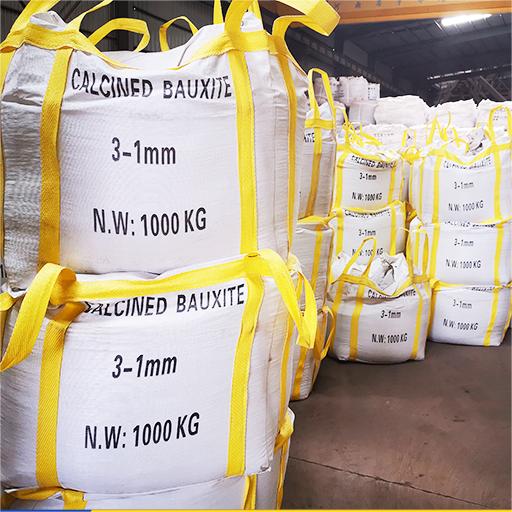
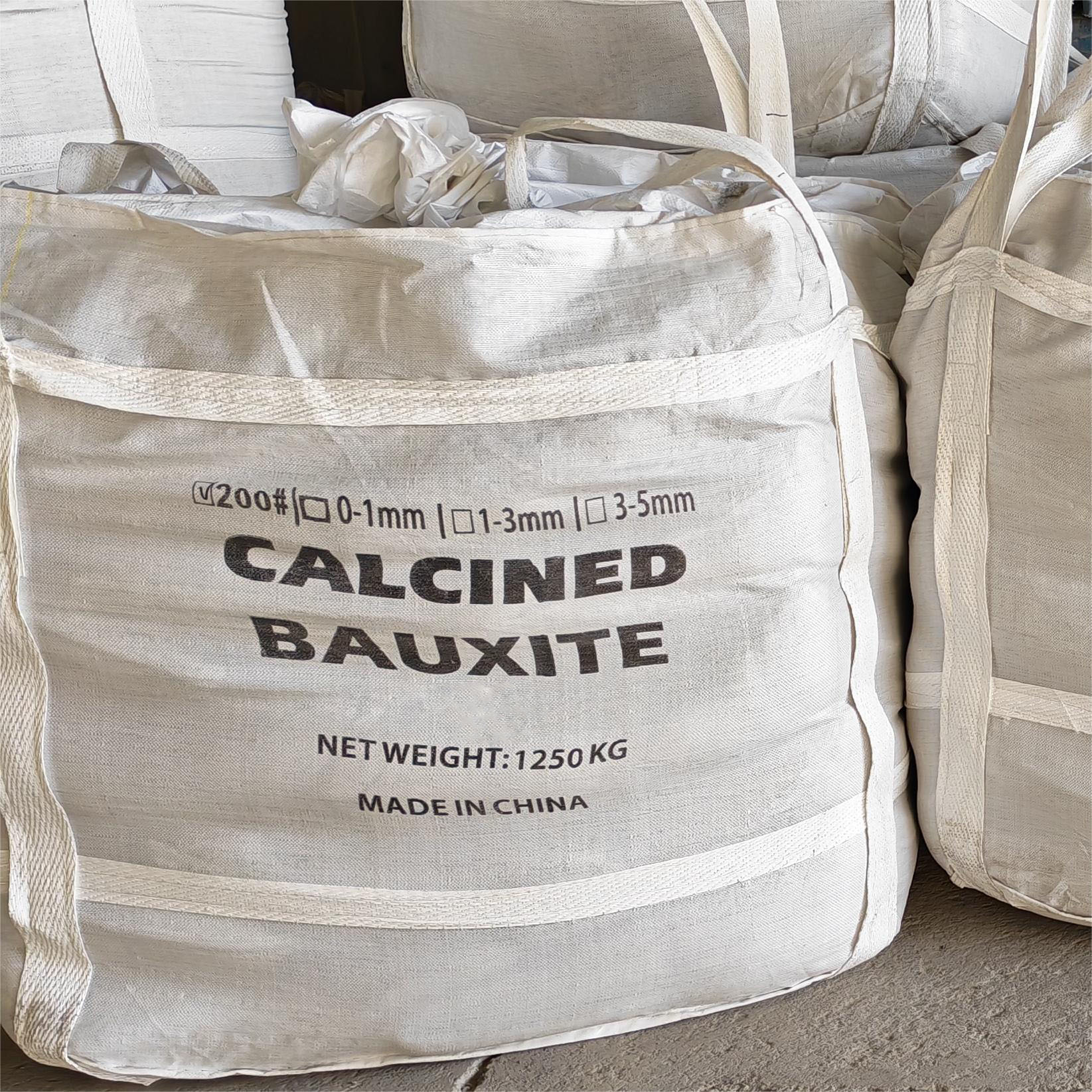
▸ 50 kg bags, 1 MT jumbo bags, or bulk shipments
▸ 20' FCL: approx 25‑27 MT (bagged)
▸ Custom bag printing and private labelling available
▸ PSV (Polished Stone Value) measures an aggregate's ability to resist polishing by vehicle tyres. A high PSV (>58) ensures the road surface retains its micro‑texture, providing long‑term skid resistance and improved road safety.
▸ Calcined bauxite typically achieves a PSV of 58‑65, significantly higher than granite, flint, or steel slag. Its high alumina content also gives it exceptional abrasion resistance, extending the life of the surface treatment.
▸ Common sizes are 2‑4 mm, 3‑5 mm, and 5‑8 mm, depending on the traffic level and binder type. We can provide custom single‑size fractions to meet local specifications.
▸ Yes. Our high‑PSV aggregate is available in natural grey / brown tones and can be combined with clear resins or pigments for vibrant, durable coloured surfacing.
▸ Absolutely. We supply laboratory test reports (PSV, AAV, LA) and can advise on optimal aggregate gradations and blending for specific traffic conditions.
▸ Yes. Free samples for independent lab evaluation are available upon request, along with full technical datasheets.
▸ Contact SEPPE for: • Free Aggregate Samples • PSV/AAV Test Reports • Bulk Pricing for Highway Projects • OEM Packaging
Request a QuoteRefractory Materials Calcined Kaolin Clay for Ceramics
High Alumina Grade Sintered Mullite
Brown Fused Alumina for Refractories
How Calcined Bauxite Is Manufactured
Calcined Bauxite for Refractory
How To Choose Anti-Skid Aggregate: Calcined Bauxite for Colored Anti-Skid Pavements