Views: 0 Author: RKB Publish Time: 2026-11-10 Origin: ABRASTECH REFRACTORIES FACTORY
Calcined bauxite is a high-quality material for high-temperature refractories and anti-skid road aggregates. No single chemical component can directly predict its refractoriness or Polished Stone Value (PSV). Even so, chemical composition is the core basis for judging basic product quality, defining suitable applications, and setting acceptable risk limits.
For example, Al2O3 provides the foundation for refractoriness, hardness, and stability at both high and low temperatures. A higher Al2O3 content generally supports better refractory performance. Fe2O3 is a strong flux. If its content is too high, refractoriness and slag resistance can fall.
Refractory-grade calcined bauxite aggregate
The table shows how the main oxides affect calcined bauxite in refractory and road applications.
| Chemical Component | Main Role | Refractory Use | High-Friction Road Aggregate |
|---|---|---|---|
| Aluminum Oxide Al2O3 | The main active component and the basis for 70, 75, 80, 85 and 88 grades. Its content affects basic hardness, refractoriness, and density. | Higher Al2O3 usually supports better refractoriness, slag resistance, hot strength, and bulk density. Final performance still requires a full evaluation. | It is the main source of aggregate hardness and polishing resistance. The balance between corundum and mullite affects long-term friction retention, but Al2O3 alone does not give a PSV result. |
| Silicon Dioxide SiO2 | An associated oxide that reacts with Al2O3 during firing to form mullite. A suitable amount can also help sintering. | A suitable amount can improve thermal-shock stability through mullite formation. Too much can form low-melting silicate phases and reduce refractoriness and load-softening temperature. | Too much can make the aggregate more brittle and increase particle breakage under repeated traffic. The corundum-to-mullite balance also affects long-term polishing performance. |
| Iron Oxide Fe2O3 | A fluxing impurity and one source of the red-brown color. | High Fe2O3 can reduce high-temperature performance and slag resistance. | It is a chemical control item, not a direct measure of PSV. |
| Titanium Dioxide TiO2 | A common associated oxide. Its effect depends on the full composition and the firing conditions. | A controlled amount may assist sintering. Excess levels should be avoided. | TiO2 alone cannot determine PSV. A suitable amount may support a denser mineral structure and reduce soft phases that polish easily. |
| Calcium Oxide CaO | A harmful impurity that can help form secondary low-melting phases when combined with other oxides. | Keep it within the agreed specification. Too much CaO can create more liquid phase at high temperature and weaken hot structural strength. | Control it by specification. High CaO can increase the risk of hydration and powdering, while its effect on friction and wear still requires testing. |
| Magnesium Oxide MgO | Usually a minor associated oxide. | Check it against the agreed chemical specification. MgO alone is not a performance criterion. | It is not a direct measure of PSV or wear resistance and should be controlled as part of the full composition. |
| Total Alkali K2O + Na2O | These oxides can take part in low-melting liquid phases. | Excess alkali can reduce load-softening temperature and cause alkali-related damage. High-grade refractory bauxite therefore requires strict control. | High alkali can speed up surface weathering and the formation of fine material that polishes easily. It should be controlled as a routine impurity. |
Oxide content shows the main composition, impurity level, suitable application, and potential risks. It does not fully show the mineral structure formed after firing. It also cannot directly show the degree of sintering, bulk density, porosity, or actual performance in use.
A complete judgment therefore combines chemical composition with mineral phases, physical properties, and application-specific test data.
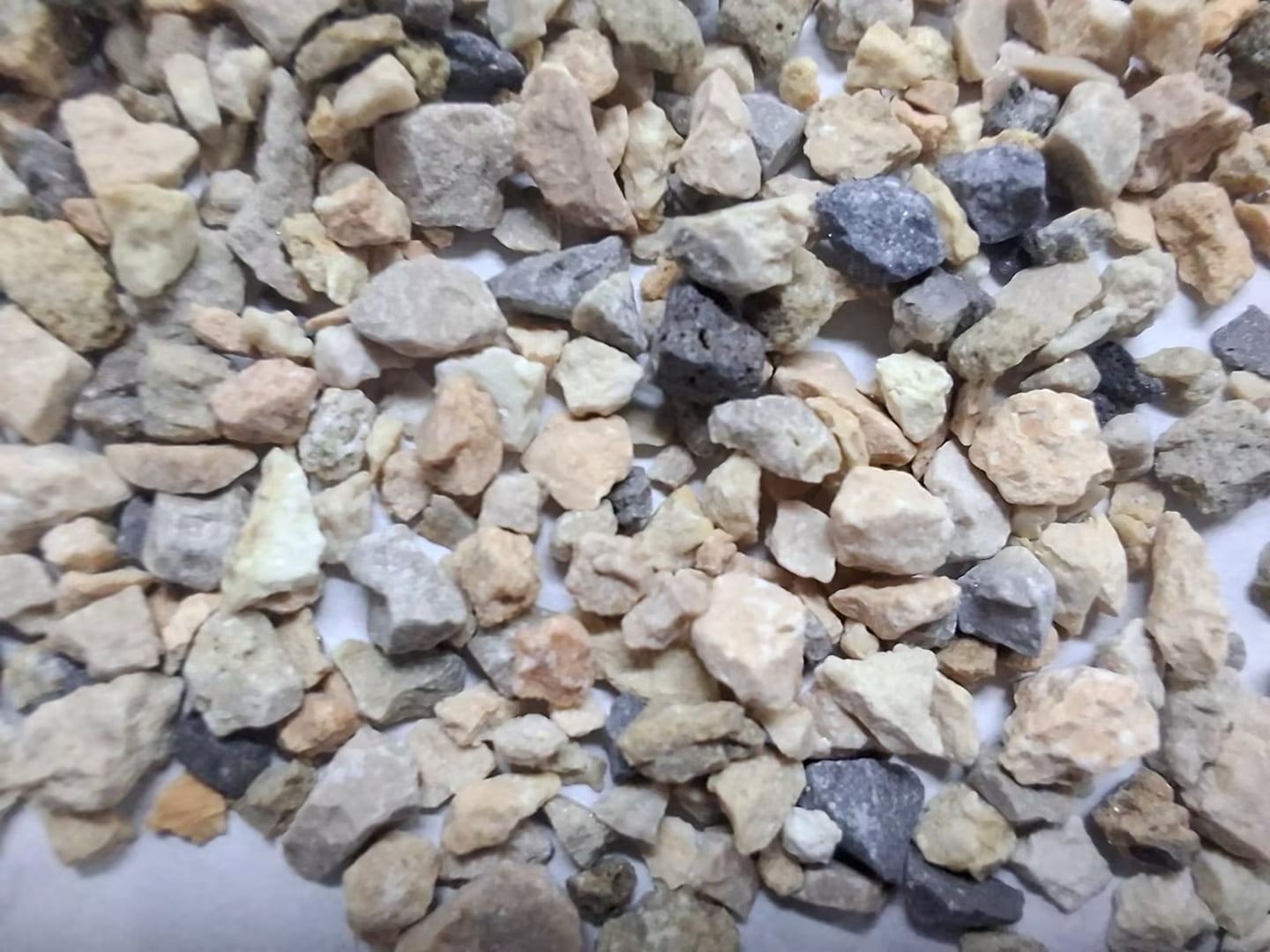
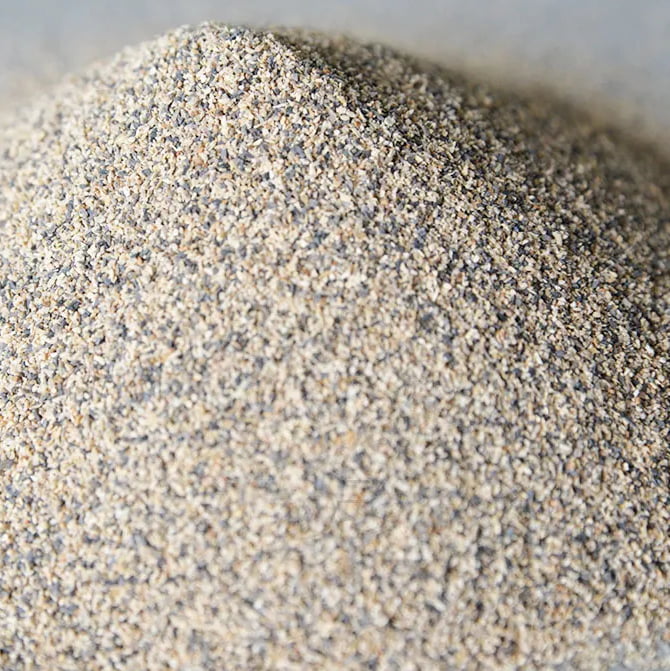
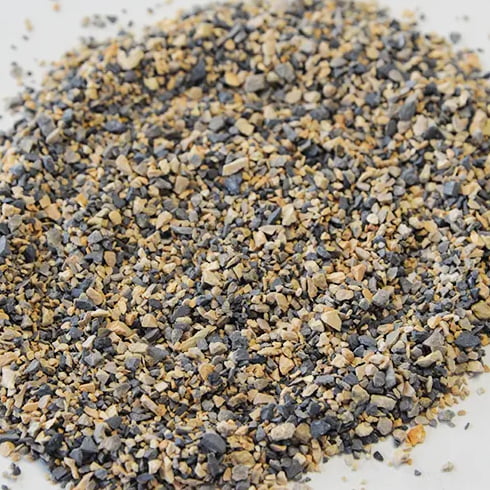
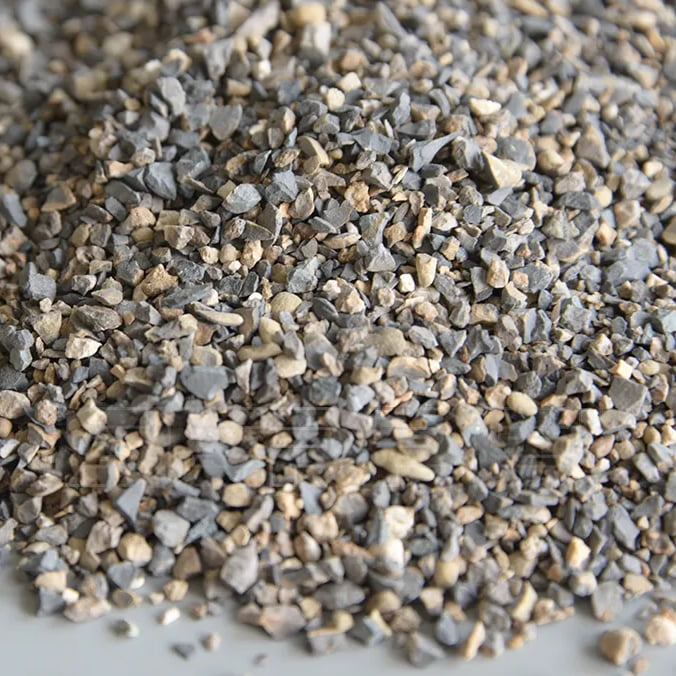
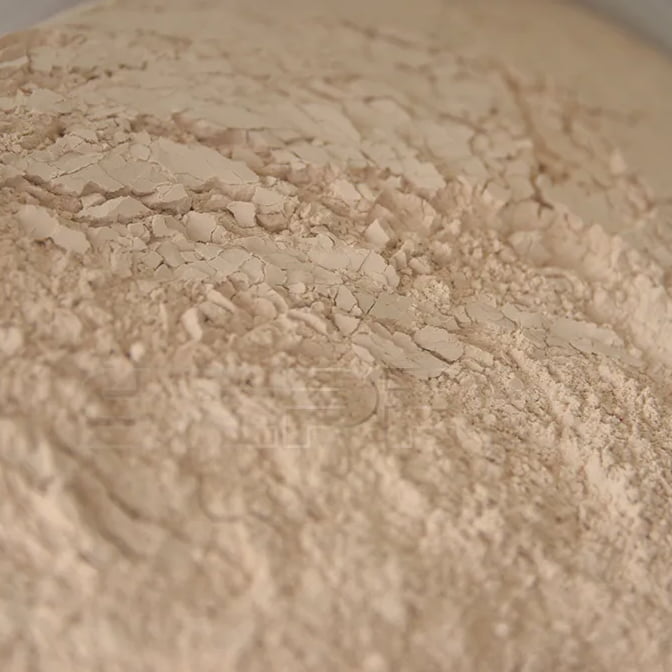
Calcined bauxite is supplied as aggregate and powder. Common examples include 0–1 mm, 1–3 mm, 3–5 mm and 200 mesh.
0–1 mm
1–3 mm
3–5 mm
200 mesh
Corundum and mullite are important mineral phases in calcined bauxite. Their amounts and structure depend on the raw ore and the firing process. Bulk density, porosity and particle bonding also affect performance.
A dense structure with controlled porosity can help limit slag penetration and improve structural stability. This is why refractory buyers should review both the chemical analysis and the physical test data.
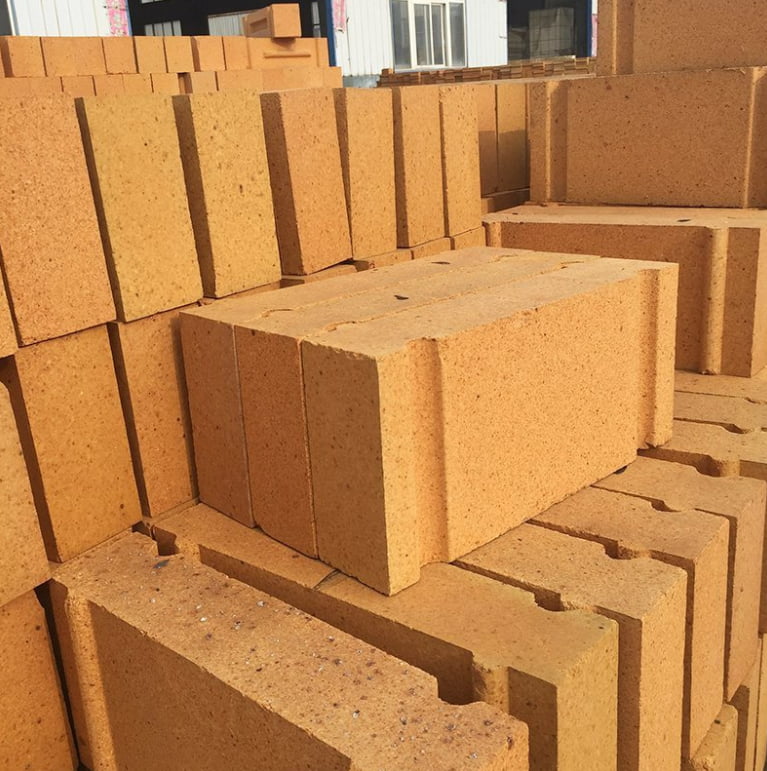
Finished refractory bricks
Learn more about SEPPE refractory-grade calcined bauxite.
In the Chinese supply chain, shaft-kiln calcined bauxite is commonly supplied as road aggregate.
Traffic slowly wears and polishes the surface of road aggregate. PSV measures how well an aggregate resists this polishing action.
Chemical composition helps control product consistency, but it cannot replace road aggregate testing. For a high-friction surface, buyers should also check PSV, abrasion resistance, grading and particle strength. These results show whether the aggregate can keep a rough surface under traffic.
High-friction anti-slip road surface
Learn more about SEPPE 1–3 mm calcined bauxite for anti-slip road surfacing.