Views: 131 Author: RKB Publish Time: 2026-08-14 Origin: SEPPE Technologies
This is a sourcing article, not another grade-selection guide. If the technical limits are still open, read How to Select Refractory Grade Calcined Bauxite first. Here, the specification has already been approved. The question is whether the shipment will come from the supply route that produced the approved sample.
A Chinese quotation may carry one company name from top to bottom. The material itself may pass through several businesses before loading. That can work perfectly well. Buyers only run into trouble when the route changes without a clear record.
“Manufacturer” can mean different things in a sales conversation. One company may own the kiln. Another may crush and screen the clinker. An export company may handle the contract and shipment. Sometimes one supplier controls the whole route. Sometimes it coordinates outside plants.
Calcines the ore. This is where the basic clinker structure is formed.
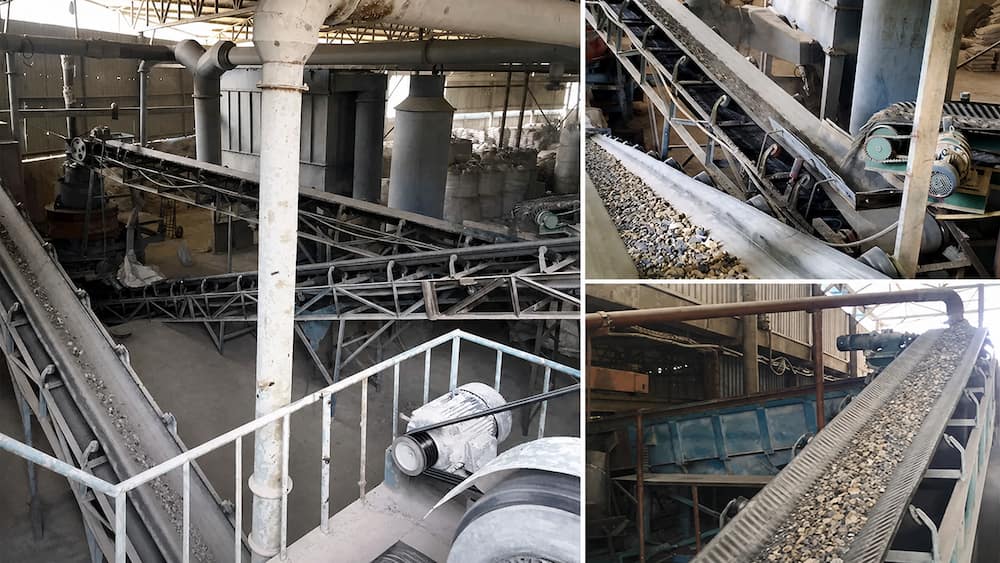
Crushes, screens and removes magnetic contamination. This plant controls the delivered size cut.
Issues the quotation, arranges packing and books the container. It may or may not own the first two operations.
The arrangement is not the problem. A vague answer is. Before approving a source, ask the seller to name the kiln location and the processing location. Also ask whether either one may change during the contract.
A buyer approves a 5 kg sample in March. The first full-container order is placed in June. The bags carry the same exporter’s name, and the COA shows the agreed grade. After a few questions, the buyer learns that the sample came from one kiln, while the commercial lot was filled from another available source.
No one necessarily tried to deceive the buyer. The order simply did not say that the approved production route had to remain unchanged.
Many product sheets show normal production values. They help a buyer understand the product range. They do not automatically become acceptance limits for every shipment.
“Grade 85 calcined bauxite. Density is normally around the value shown on our data sheet.”
“Each shipping lot must meet the agreed limit by the named test method. A lot-specific COA is required before loading.”
In plain language: “typical” tells you what usually happens. “Guaranteed” tells you what must happen for the order to be accepted.
Do not turn every data-sheet value into a contract limit. Choose the few items that matter to your plant, then write those items into the purchase order.
A COA is useful only when the buyer can connect it to the material in the container. The same lot reference should be visible from approval through receiving.
Product name, grade, size and the approved source or sample reference.
Production lot, test date and actual results. A general data sheet is not a lot COA.
A lot number that matches the COA or can be traced to it without guessing.
The quantity loaded from each lot when more than one lot shares a container.
Lot number, sampling date and the name of the person who witnessed sampling.
A bag marked only “Grade 85, 1–3 mm” is difficult to investigate later. If two production lots were loaded together, the packing list should say so. Otherwise, a complaint can turn into an argument about which material was actually tested.
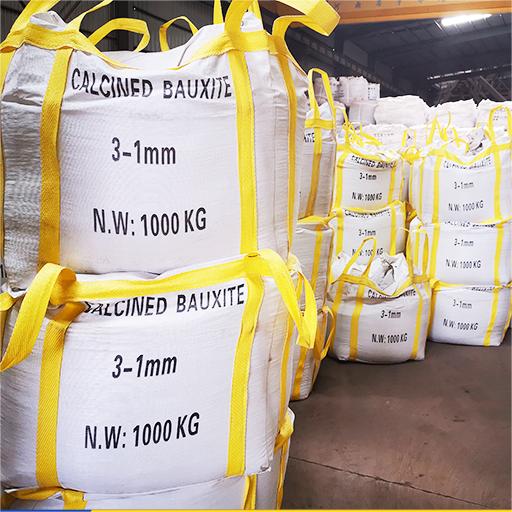
A neat row of jumbo bags proves that bags were loaded. It does not prove which production lot is inside them. Ask for one wide loading photo and close photos of readable bag labels. The container number should appear in the same loading record.
For an important first order, a sealed pre-shipment sample gives much stronger evidence than product photos alone.
Do not wait until the container reaches your plant to decide what “passed” means. Put the inspection arrangement into the order while both sides are still discussing the quotation.
State who takes it, how many portions are combined and how the final sample is sealed.
Name the supplier lab or the agreed third-party lab. Use the same method if a result must be checked again.
Decide which documents and results must be available before loading or final payment, where the commercial terms allow it.
Require written notice before the kiln source, processor or agreed raw-material route changes.
This purchasing control does not replace the technical specification. It connects the specification to a real shipment. For differences between production routes, see Rotary Kiln vs Shaft Kiln Calcined Bauxite for Refractories.
Do not start with a long email blaming the supplier. Protect the evidence first.
Keep the disputed lot separate from accepted stock.
Photograph the container, seals, bag labels and any visible damage or moisture.
Take a receiving sample and record how it was taken.
Compare the approved sample, pre-shipment sample and receiving sample by the same agreed method.
Send the supplier the lot numbers, results and production observations in one clear claim file.
If the issue is mainly particle distribution and castable behavior, use Calcined Bauxite Aggregate in Refractory Castables for the plant-side investigation. This sourcing article stays with the paperwork and the shipment trail.
China offers a wide choice of calcined bauxite sources and processing routes. That choice is useful when it is visible. A serious supplier should be able to explain who made the lot, where it was processed, which results belong to it and how the shipping sample was retained.
The best purchasing question is not simply, “Can you supply Grade 85?” Ask, “Can you supply the same approved material, from the same declared route, with a lot record we can verify?”
That question protects the buyer and gives a reliable supplier a fair way to prove consistency.
Views: 131 Author: RKB Publish Time: 2026-08-14 Origin: SEPPE Technologies
This is a sourcing article, not another grade-selection guide. If the technical limits are still open, read How to Select Refractory Grade Calcined Bauxite first. Here, the specification has already been approved. The question is whether the shipment will come from the supply route that produced the approved sample.
A Chinese quotation may carry one company name from top to bottom. The material itself may pass through several businesses before loading. That can work perfectly well. Buyers only run into trouble when the route changes without a clear record.
“Manufacturer” can mean different things in a sales conversation. One company may own the kiln. Another may crush and screen the clinker. An export company may handle the contract and shipment. Sometimes one supplier controls the whole route. Sometimes it coordinates outside plants.
Calcines the ore. This is where the basic clinker structure is formed.
Crushes, screens and removes magnetic contamination. This plant controls the delivered size cut.
Issues the quotation, arranges packing and books the container. It may or may not own the first two operations.
The arrangement is not the problem. A vague answer is. Before approving a source, ask the seller to name the kiln location and the processing location. Also ask whether either one may change during the contract.
A buyer approves a 5 kg sample in March. The first full-container order is placed in June. The bags carry the same exporter’s name, and the COA shows the agreed grade. After a few questions, the buyer learns that the sample came from one kiln, while the commercial lot was filled from another available source.
No one necessarily tried to deceive the buyer. The order simply did not say that the approved production route had to remain unchanged.
Many product sheets show normal production values. They help a buyer understand the product range. They do not automatically become acceptance limits for every shipment.
“Grade 85 calcined bauxite. Density is normally around the value shown on our data sheet.”
“Each shipping lot must meet the agreed limit by the named test method. A lot-specific COA is required before loading.”
In plain language: “typical” tells you what usually happens. “Guaranteed” tells you what must happen for the order to be accepted.
Do not turn every data-sheet value into a contract limit. Choose the few items that matter to your plant, then write those items into the purchase order.
A COA is useful only when the buyer can connect it to the material in the container. The same lot reference should be visible from approval through receiving.
Product name, grade, size and the approved source or sample reference.
Production lot, test date and actual results. A general data sheet is not a lot COA.
A lot number that matches the COA or can be traced to it without guessing.
The quantity loaded from each lot when more than one lot shares a container.
Lot number, sampling date and the name of the person who witnessed sampling.
A bag marked only “Grade 85, 1–3 mm” is difficult to investigate later. If two production lots were loaded together, the packing list should say so. Otherwise, a complaint can turn into an argument about which material was actually tested.
A neat row of jumbo bags proves that bags were loaded. It does not prove which production lot is inside them. Ask for one wide loading photo and close photos of readable bag labels. The container number should appear in the same loading record.
For an important first order, a sealed pre-shipment sample gives much stronger evidence than product photos alone.
Do not wait until the container reaches your plant to decide what “passed” means. Put the inspection arrangement into the order while both sides are still discussing the quotation.
State who takes it, how many portions are combined and how the final sample is sealed.
Name the supplier lab or the agreed third-party lab. Use the same method if a result must be checked again.
Decide which documents and results must be available before loading or final payment, where the commercial terms allow it.
Require written notice before the kiln source, processor or agreed raw-material route changes.
This purchasing control does not replace the technical specification. It connects the specification to a real shipment. For differences between production routes, see Rotary Kiln vs Shaft Kiln Calcined Bauxite for Refractories.
Do not start with a long email blaming the supplier. Protect the evidence first.
Keep the disputed lot separate from accepted stock.
Photograph the container, seals, bag labels and any visible damage or moisture.
Take a receiving sample and record how it was taken.
Compare the approved sample, pre-shipment sample and receiving sample by the same agreed method.
Send the supplier the lot numbers, results and production observations in one clear claim file.
If the issue is mainly particle distribution and castable behavior, use Calcined Bauxite Aggregate in Refractory Castables for the plant-side investigation. This sourcing article stays with the paperwork and the shipment trail.
China offers a wide choice of calcined bauxite sources and processing routes. That choice is useful when it is visible. A serious supplier should be able to explain who made the lot, where it was processed, which results belong to it and how the shipping sample was retained.
The best purchasing question is not simply, “Can you supply Grade 85?” Ask, “Can you supply the same approved material, from the same declared route, with a lot record we can verify?”
That question protects the buyer and gives a reliable supplier a fair way to prove consistency.